Museum of Drinking Water: How a Pumping Room Changed Daily Life in Taipei
Columns and gardens draw the eye, but this museum began as a room for pumps. Following the movement of water brings public service back into a striking piece of urban architecture.
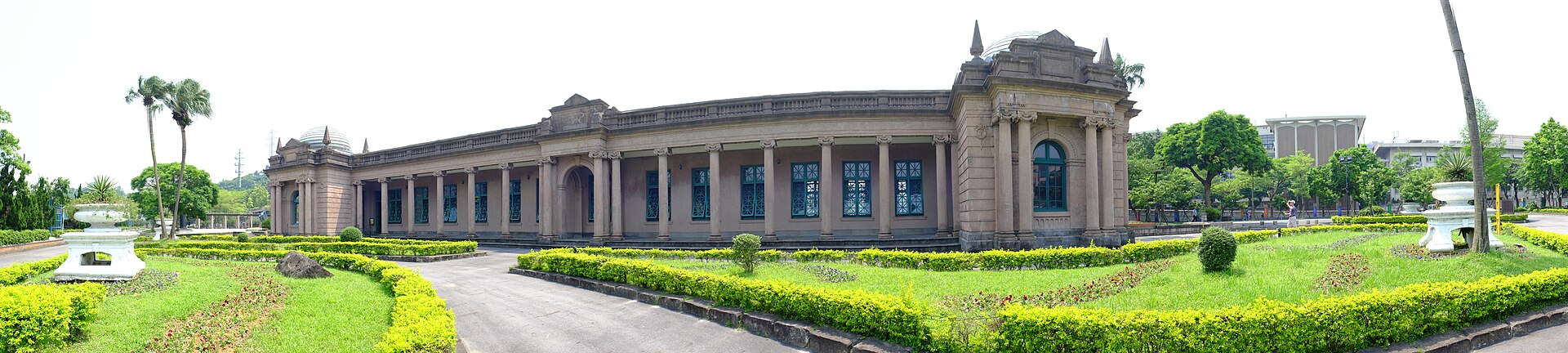
Image information

Historical photographic record, not a guarantee of current displays or access. Source image unchanged.
A workplace came before a museum
The building was constructed in 1908 as the pumping room of Taipei’s water-source site. Supplying water came before exhibiting its history. That order matters. The architecture deserves attention, but its relationship to intake, treatment and distribution explains why the facility stood beside the Xindian River at Gongguan. It was not originally a picturesque building designed for visitors.
Water travelled upwards so the city could use it
The official history describes water being pumped to treatment facilities and then to a higher reservoir, allowing gravity to supply the city. Follow the explanations to distinguish machinery, pipes and elevation. How did those elements have to work together? A richly designed pumping room does not mean that every stage of water treatment and delivery happened inside that one room.
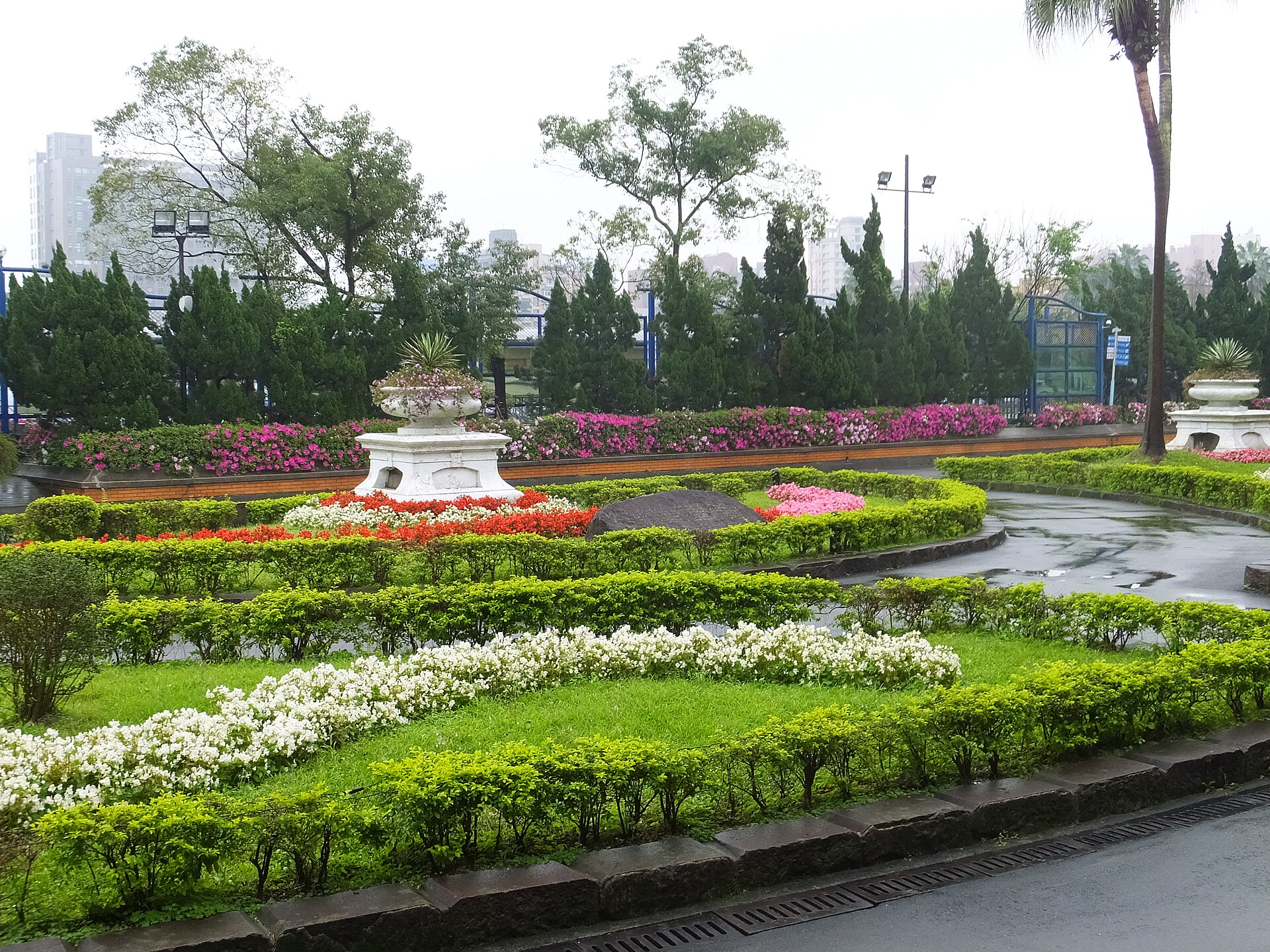
Image information

Historical photographic record, not a guarantee of current displays or access. Source image unchanged.
A retired room and a system still needed every day
In 1977, intake moved upstream in response to pollution downstream, and the old pumping room later became a museum. Environmental education now connects the historic site with water resources. Take the question beyond the old equipment: when someone opens a tap, which processes, maintenance tasks and environmental conditions remain out of sight? The past gives a concrete way to examine a service still essential today.
A garden visit has boundaries
The photographs show the pumping building and gardens, not unrestricted access to every reservoir or water facility. Entry to the Guanyinshan reservoir interior follows specialist guided arrangements. An ordinary walk and museum visit can already explain part of the history. Further access requires the appropriate booking, rather than following an open garden path into a working or restricted space.
Before you go
Arrival and return
The address is No. 1 Siyuan Street, Zhongzheng District, Taipei. Official directions use Gongguan MRT Exit 4 and a walk towards Siyuan and Tingzhou streets for the museum area. Return via the same station. The seasonal water-play area has a different approach; choose the museum destination carefully.
Admission and activities
July–August: usually 09:00–18:00, last ticket sales/entry 17:00. Other months: 09:00–17:00, last ticket sales/entry 16:00. Monday closures have consecutive-holiday exceptions. Water-play services and the museum are separate offers. Reservoir-interior access requires the appropriate guided arrangement, and special water tours require booking.
Time and safety
Allow 60–90 minutes for the museum and gardens, adding the full duration of a booked tour. Watch wet surfaces and barriers. Do not operate equipment or enter supply facilities independently. Temporary typhoon or other safety closures take precedence over ordinary hours.