Shan-Shang Waterworks: The Long Journey Behind a City’s Glass of Water
Buildings, pipes and machinery at Tainan’s old waterworks return water to a visible journey. Beyond the brick architecture lies a public service that changed everyday urban life.
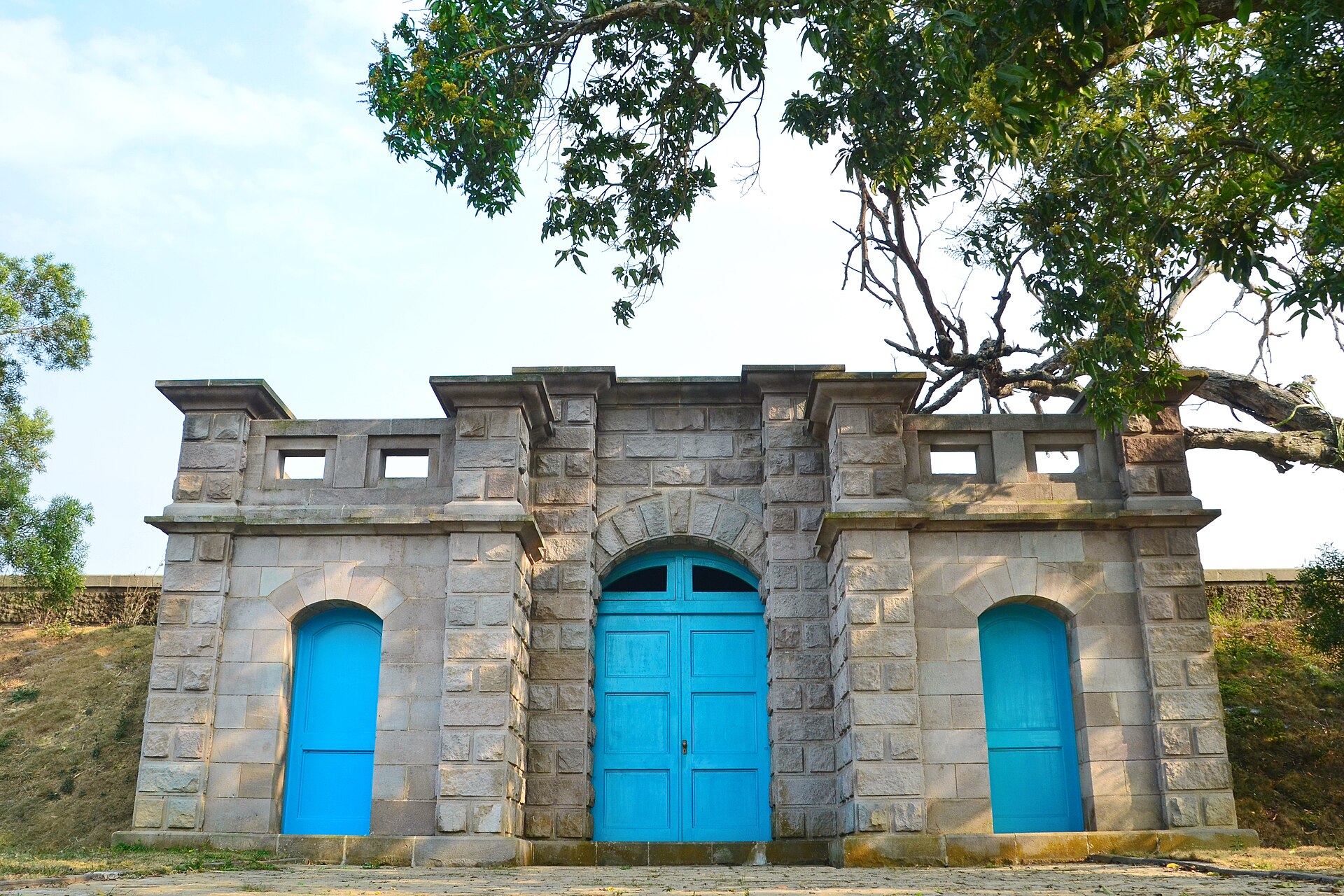
Image information

Historical photographic record, not a guarantee of current displays or access. Source image unchanged.
Water as work done together
The former Tainan waterworks entered service in 1922 and retired in 1982. Following conservation, the museum opened in 2019. This history turns drinking water from the simple action of opening a tap into a service requiring engineering, maintenance and management. Begin a visit with a question: where did the water come from, and how could it reach users who were not beside the plant?
Equipment gives an invisible process a shape
The rapid-filter room and pumping equipment offer a way to read engineering. Instead of using cylinders and pipes only as a photographic background, follow the explanations to distinguish treatment from delivery. Then notice how the equipment fits together. Machines alone did not sustain a city; operation, inspection and repair mattered too. What survives here is evidence of a workplace, not a production line still supplying drinking water.
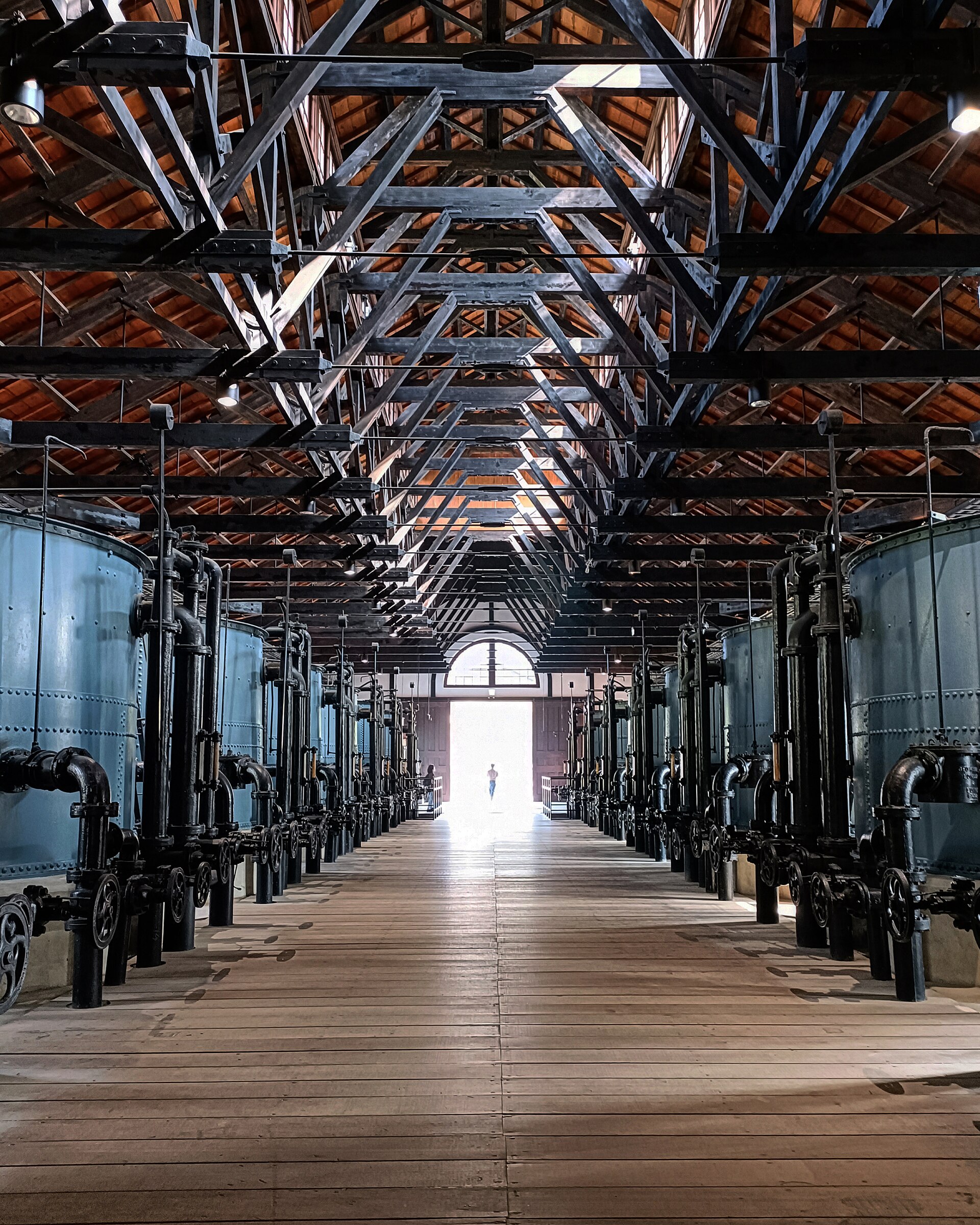
Image information

Historical photographic record, not a guarantee of current displays or access. Source image unchanged.
Two areas are not one indoor route
The museum and reservoir areas are approximately a kilometre apart. Seeing one building does not mean reaching the whole system. One photograph records the reservoir-area exterior and the other the rapid-filter interior, illustrating different parts of the infrastructure. Plan the connection according to transport and access conditions. Two nearby map points do not establish an unrestricted shortcut through the grounds.
Conservation can mean leaving a door closed
Bats inhabit the reservoir interior, which is not open to visitors. The exterior can be visited under the site’s arrangements. That boundary does not remove the interest of the place: it shows how a retired facility can acquire an ecological role. Reading the architecture, understanding its earlier work and respecting its present occupants belong to the same visit. Access to every interior is not the measure of a worthwhile heritage experience.
Before you go
Arrival and return
The museum area is at No. 16 Shanshang Village, Shanshang, Tainan. Official directions list Green 2-1 or Green 11 connections from Shanhua railway station, or transfers at Xinhua, to the waterworks museum. Check current services, the return stop and last departure. The museum and reservoir areas are separate destinations.
Hours and admission scope
Usual hours are 09:30–17:30, with ticket sales and last entry at 16:30 and clearance starting at 17:00; Wednesday closed. The two areas have different admission arrangements. The reservoir interior remains inaccessible because of bats. Recheck temporary closures and special events.
Time and safety
Allow about 90 minutes for the museum area, adding travel and walking time for the reservoir area. Bring water and sun protection and do not climb machinery. Sightseeing vehicles, tree climbing and other activities require separate checks of availability; they are not guaranteed by ordinary entry.