Keelung’s Marine Museum: From a Boiler Room to a Place of Learning
The National Museum of Marine Science and Technology faces the sea from a former power-station site. Following its buildings and reused spaces adds the history of work and energy to a coastal visit.
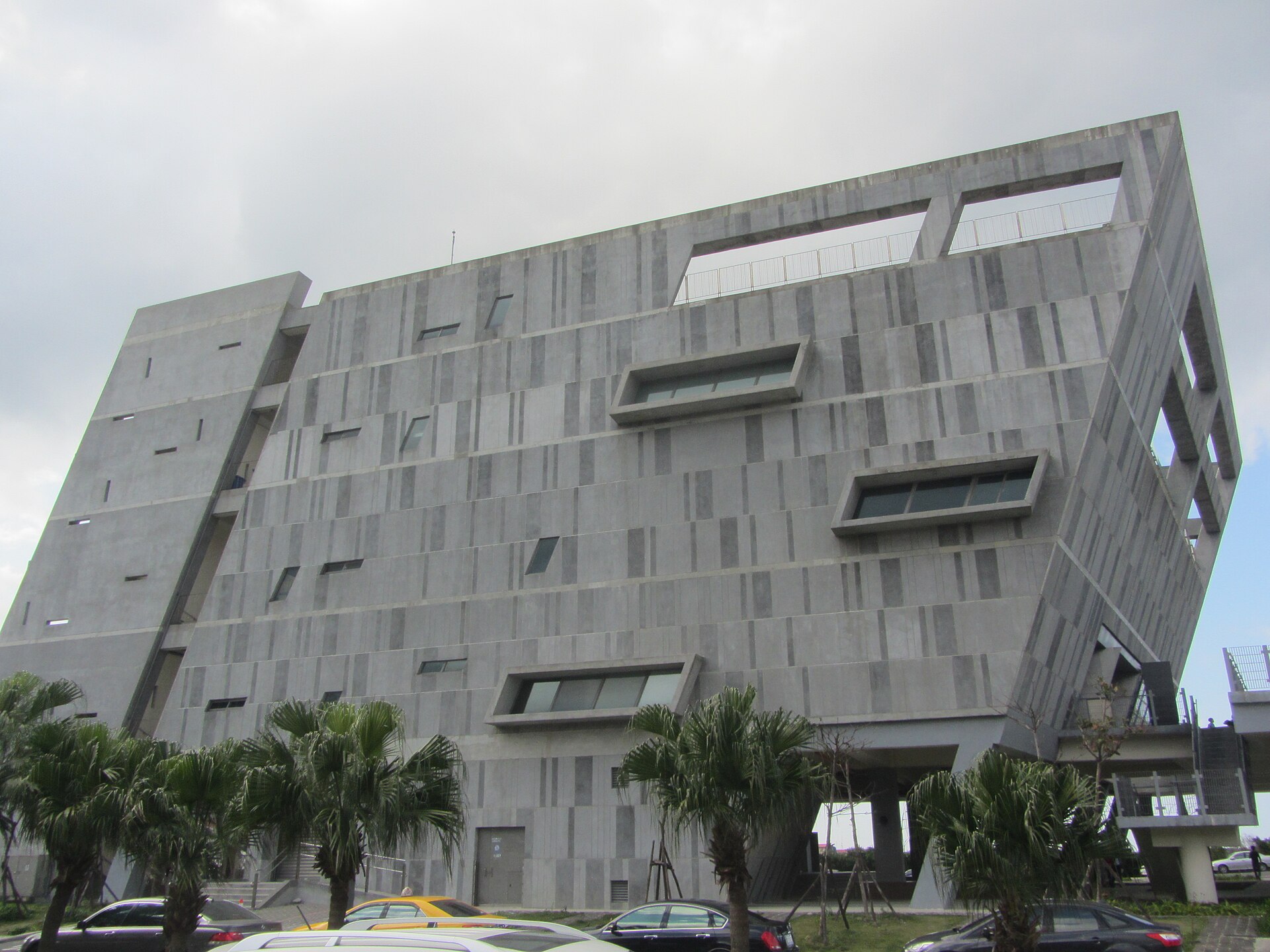
Image information

Historical photographic record, not a guarantee of current displays or access. Source image unchanged.
Why does a marine museum remember a power station?
The North Thermal Power Plant was built in the 1930s and retired in 1981. Its site later became the museum’s home. This was more than replacing an industrial name with a cultural one. The museum’s account of its deep-sea spaces identifies their relationship to the former boiler room. Energy production, a coastal location and public learning can therefore be considered together in one visit.
Read two kinds of work through one space
A boiler room served the production of electricity; an exhibition space serves communication and learning. In the relevant galleries, notice how height and volume relate to the display, rather than looking only for one impressive exhibit. Reuse changes why people enter a building. It also expands an idea of cultural heritage beyond temples and grand houses to the workplaces and infrastructure that supported everyday life.
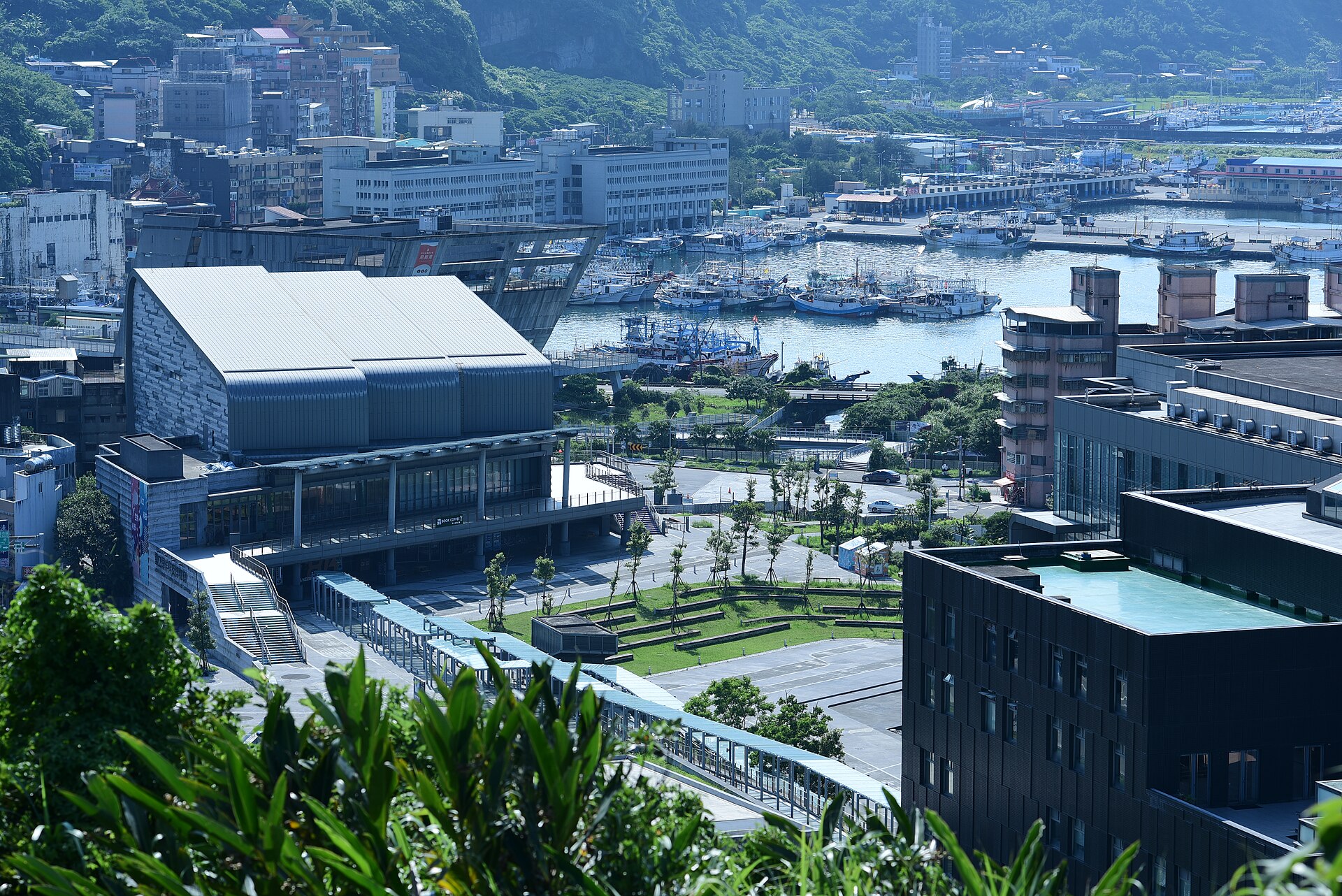
Image information

Historical photographic record, not a guarantee of current displays or access. Source image unchanged.
One ticket is not all of Badouzi
The museum has distinct buildings and services, including its main exhibition building, Regional Exploration Building and Ocean Theater. The photographs show the regional building and a wider view linking the theater to the harbour. They do not depict a single interchangeable entrance. Choose the building you want to visit first, then check its ticket and route. This matters when planning both walking distances and time.
Make the coast an option, not an obligation
When weather and time permit, the surrounding coast can extend your understanding of the harbour landscape. Outdoor walking and an indoor exhibition require different safety decisions, however. In strong wind or rain, the open indoor galleries can provide a worthwhile visit on their own. There is no need to reach every building at the expense of a return connection, or to cross a barrier for a coastal view.
Before you go
Arrival and return
The main exhibition building is at No. 367 Beining Road, Zhongzheng District, Keelung. Follow the museum’s transport information for buses or the TRA Shen’ao Line to Haikeguan station, then walk to your chosen building. Check return train or bus departures before entering.
Opening and separate venues
09:00–17:00 is the usual daytime pattern, with Monday closures and summer/public-holiday exceptions; some holiday hours extend. The main building, Ocean Theater and Chaojing aquarium have different admission arrangements and addresses. A theater performance follows a timed programme, not continuous entry.
Suggested time
Start with two to three hours for the main museum, then decide whether to add a theater or outdoor walk. This is a planning suggestion. Follow wind, slippery-surface and closure warnings outdoors; an indoor ticket is not evidence that every coastal area is safe or accessible.