Qiaotou Sugar Refinery: How Much Work Comes Before a Spoonful of Sugar?
Locomotives, factory buildings and machinery in Qiaotou break a familiar sweetness into many separate jobs. Following the production sequence turns a nostalgic outing into an introduction to industrial Taiwan.
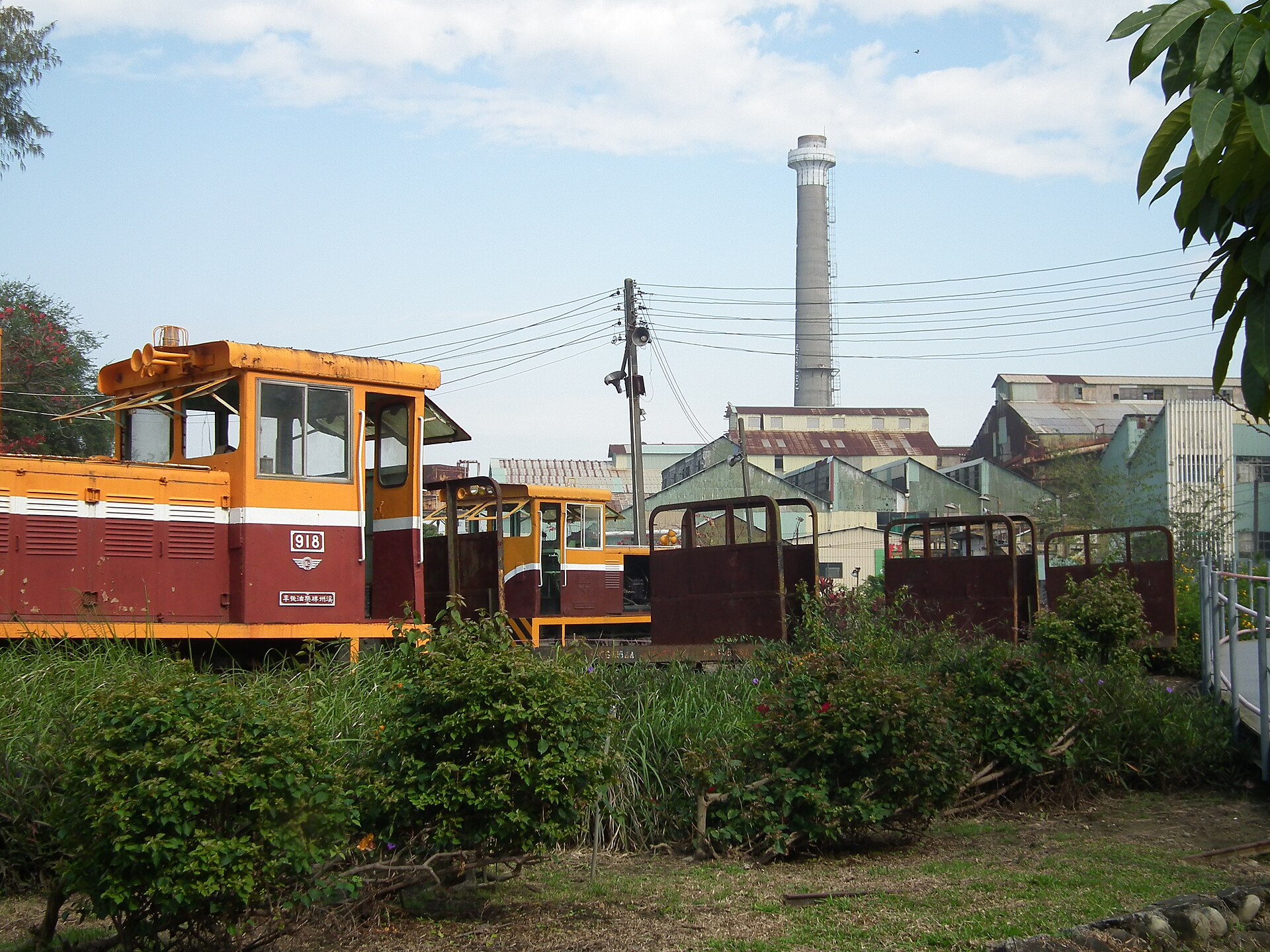
Image information

Historical photographic record, not a guarantee of current displays or access. Source image unchanged.
Look back from the last harvest processed
The refinery began crushing sugar cane in 1902 and ended production in 1999. Between those dates lay changing systems of production, maintenance and transport, not one unchanging factory scene. Start by distinguishing the processing works from residences and other spaces. A large industrial site contains many kinds of building, and their different uses are part of its history.
The order of machines is also an order of jobs
Taiwan Sugar describes a sequence from transport and crushing through purification, evaporation, crystallisation, separation and packaging. Choose two neighbouring stages and consider how material moved between them and why different equipment was needed. That shifts attention from the size of a machine to the organisation of work. Energy, time and labour become more visible behind an everyday ingredient.
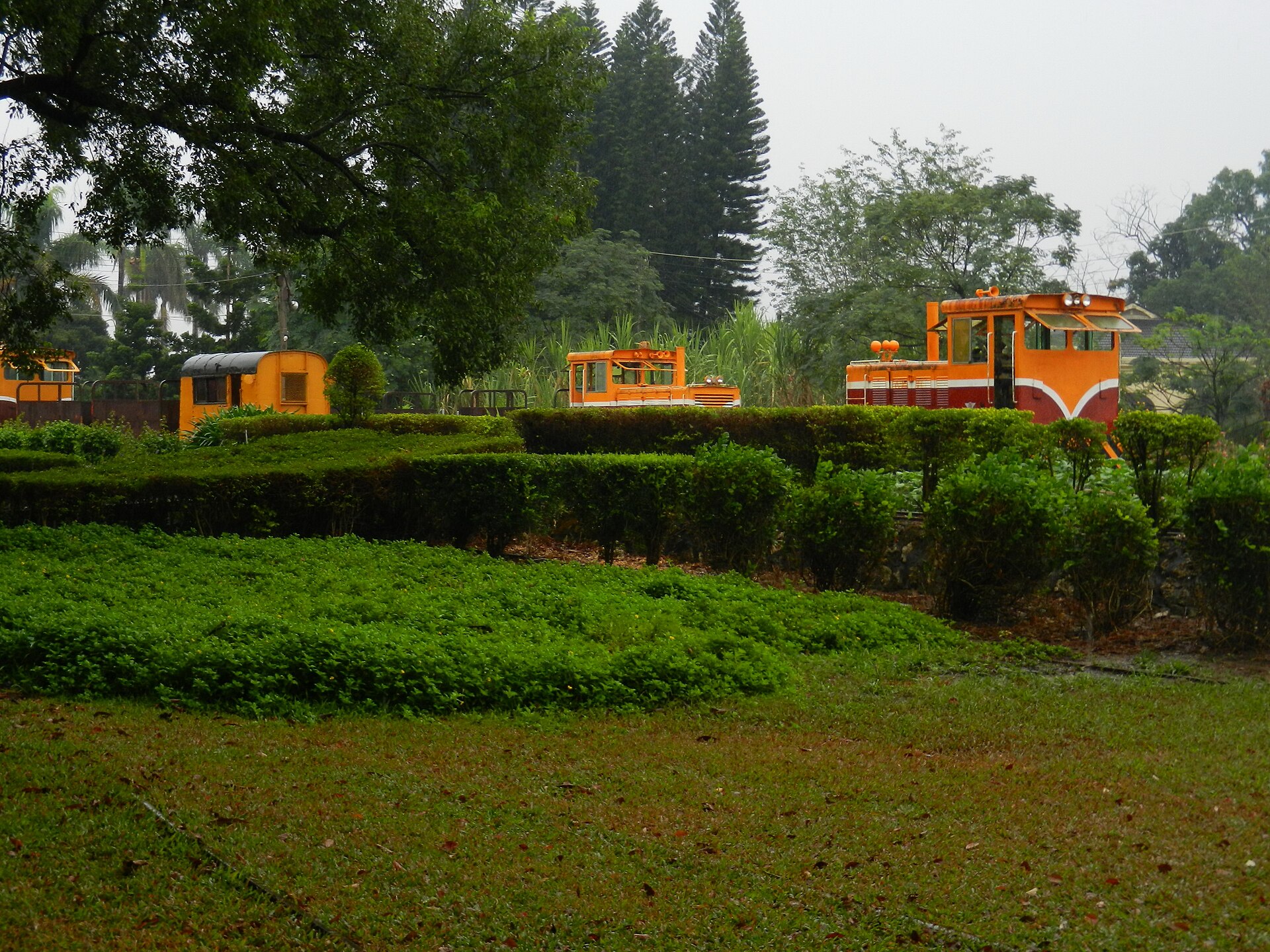
Image information

Historical photographic record, not a guarantee of current displays or access. Source image unchanged.
A railway is more than a nostalgic object
Preserved railway vehicles give transport a physical presence beyond an arrow on a process diagram. Look at wheels, track and their relationship to factory spaces. How would materials enter and move around a production site? The photographs document vehicles in the preserved grounds; they do not establish that rides operated then or operate today. A tourist train requires a separate check of routes, operating days and tickets.
A workplace becomes a place people can visit
After production ended, Qiaotou developed as a site for sugar-industry heritage and public visits. Entering as a visitor differs from entering as an employee. Compare the processing buildings with surrounding spaces used for everyday life. Beyond a chimney photograph, the visit can leave a useful question: when a product is no longer made, how does a community keep the memory of making it?
Before you go
Arrival and return
The address is No. 24 Tangchang Road, Qiaotou, Kaohsiung. Take the Kaohsiung MRT Red Line to Ciaotou Sugar Refinery station, R22A, then follow site signs. Return to the same MRT station. The MRT and the narrow-gauge tourist railway are separate services with separate arrangements.
Opening and admission scope
Taiwan Sugar lists indoor exhibition hours as 09:00–16:30. Outdoor grounds, the processing works, other buildings and paid activities may have different arrangements. Check the spaces you intend to enter; tours and train rides follow their own booking or operating notices.
Planning and care
Allow 90 minutes to two hours, beginning with the industrial displays before walking outside. Historic equipment is not play equipment: do not climb, operate it or cross barriers. Bring water and sun protection for hot days, and distinguish exhibition access from food purchases.