New Tile House: Why Is There Still a Well Beside a High-Speed-Rail City?
Old houses, a well and new cultural uses remain within Zhubei’s fast-changing urban landscape. The most revealing question is what happens to a settlement after people succeed in keeping it.
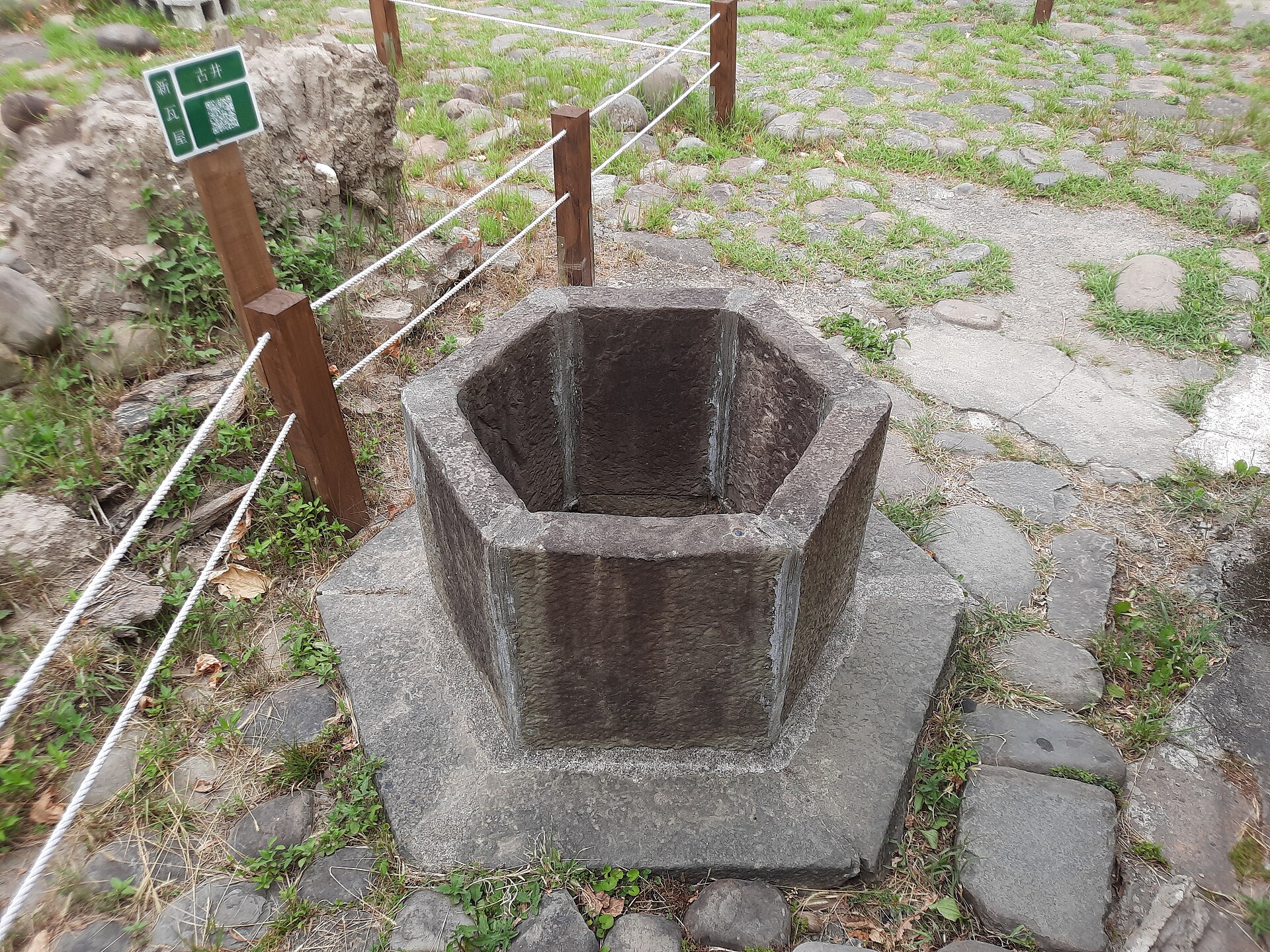
Image information

Historical photographic record, not a guarantee of current displays or access. Source image unchanged.
New in relation to another settlement
The name New Tile House distinguishes this later Lin-family settlement from the earlier family community nearby at Liuzhangli. Zhongxiao Hall is a useful starting point, but the preserved area is not simply one ancestral hall. Houses, open working space and lanes belonged to a wider environment of everyday life. Even the name retains a relationship between households and neighbouring places.
Conservation required people to act
High-speed-rail development and land acquisition transformed the Liujia area. Residents and local historians worked to preserve New Tile House. The visit therefore concerns who can influence a place’s future, as well as the age of its materials. Later cultural and creative uses do not mean the settlement has been frozen intact. They show an ongoing search for uses that can sustain it within a different city.
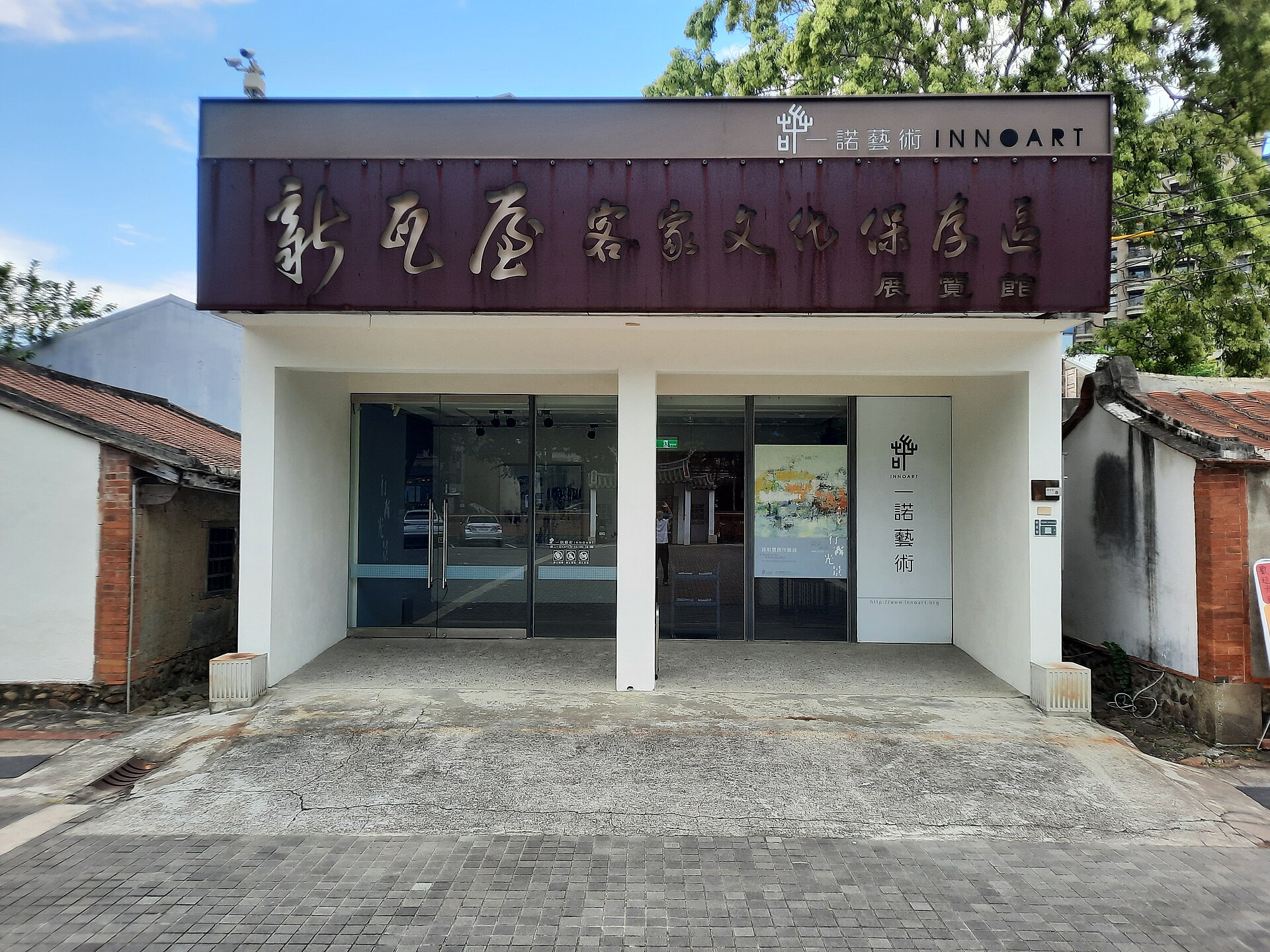
Image information

Historical photographic record, not a guarantee of current displays or access. Source image unchanged.
Look from a well to buildings of different ages
The old well offers a concrete starting point for noticing everyday infrastructure. It is not an invitation to draw water or lean into it. Along the lanes, compare brickwork with buildings from other periods. The area contains more than one moment in time. The second photograph records a house adapted as an arts space; occupants and exhibitions may change, so it is not a promise of today’s programme.
You need not wait for a performance
The New Tile House flower-drum team was formed in 1947, and performance is another strand of local continuity. Knowing that history does not mean a performance takes place every day. On a quiet visit, the settlement layout, story displays and current exhibitions still offer a way into local culture. At an event, notice how people use the space together, rather than treating them as scenery.
Before you go
Location and return
The district lies around Wenxing Road Section 1 in Zhubei, Hsinchu County. Plan a walk or short onward connection from Hsinchu HSR/Liujia TRA station, using the cultural bureau’s information to confirm the entrance and distance. Use the same interchange for return planning; this is not a central Hsinchu City attraction.
Different opening arrangements
Outdoor spaces, the story museum and independent businesses do not share one set of hours. Scheduled guided services have separate days and training closures: 28–29 November 2026 are listed as training days without that service. Check current notices for tours, groups and workshops.
Visiting respectfully
Allow 60–90 minutes as a suggestion. Ask about photography inside businesses and exhibitions, keep out of closed houses, and do not climb on the well or old walls. Performances, markets and craft sessions depend on their own programmes and are not daily guarantees.