Taiwan Pineapple Museum: When a Fruit Became a Canned Product
Brick buildings near Jiuqutang railway station connect a familiar fruit with factory work and transport. Begin with a question rather than a souvenir: how could a perishable crop become a product that travelled?
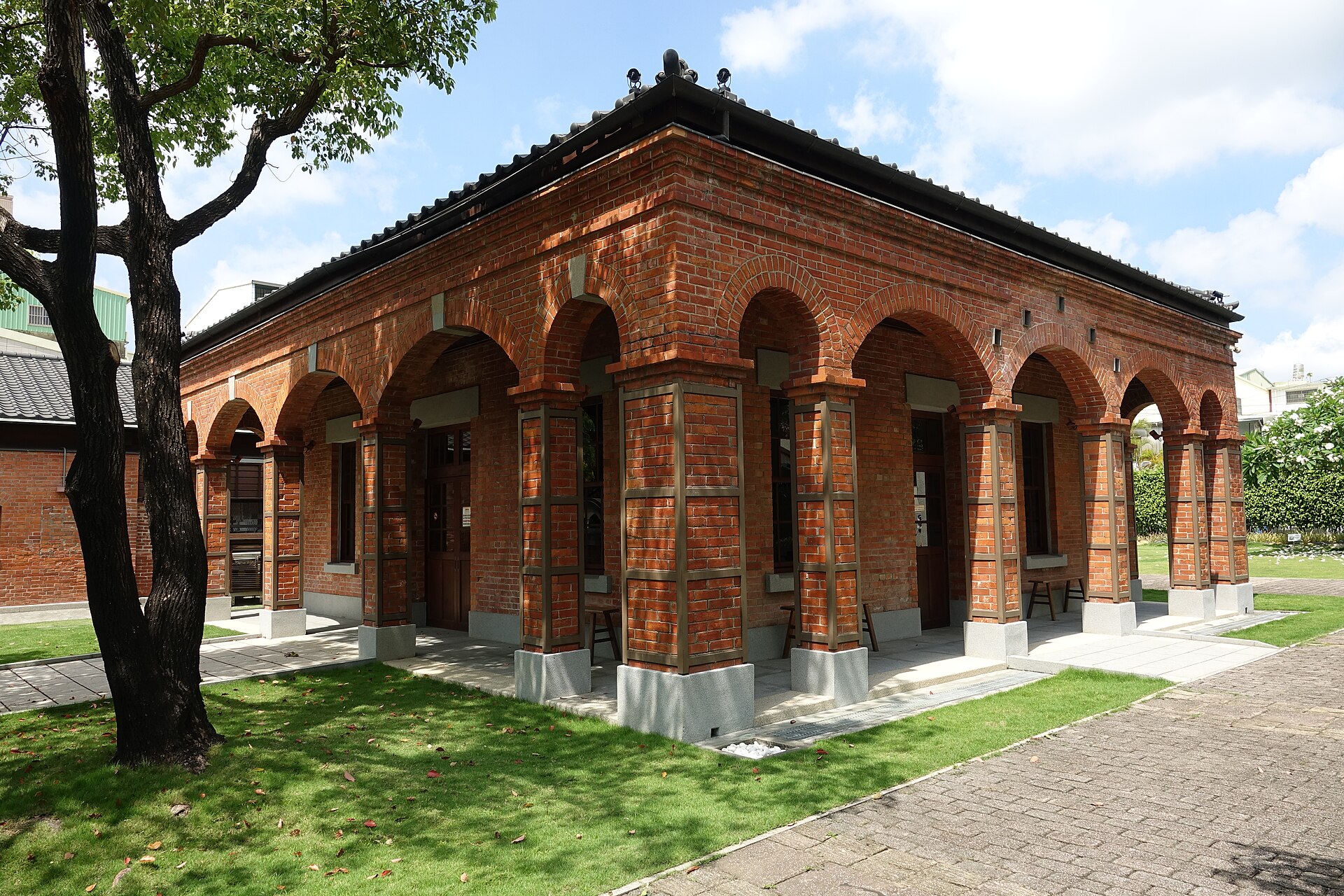
Image information

Historical photographic record, not a guarantee of current displays or access. Source image unchanged.
Notice the distance between factory and station
The restored former Taifang pineapple cannery now introduces Dashu’s local history and Taiwan’s pineapple-canning industry. Its proximity to Jiuqutang station makes processing and transport a relationship you can see. Identify the station and museum entrance on arrival, then bring that distance into the exhibition. A production site needed connections as well as a supply of fruit.
A can changes more than a fruit’s appearance
Canning involves processing, a container and sealing, alongside arrangements for storage and movement. The displays connect tools and methods with industrial records. Compare one implement with a product label: how does the first handle material, and how does the second identify and sell what is made? Turning a crop into a commodity involves manual work, packaging and communication, not only the fruit itself.
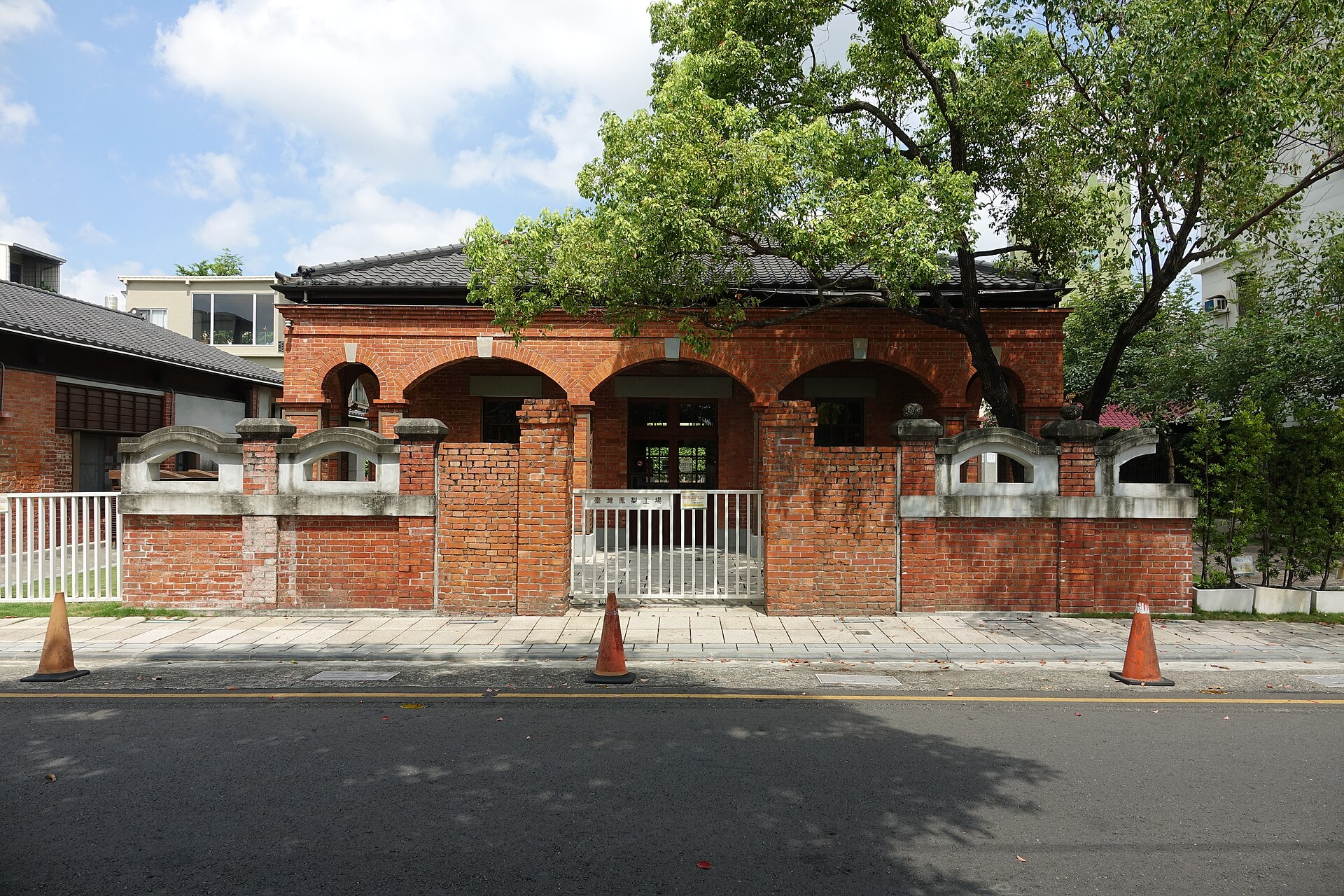
Image information

Historical photographic record, not a guarantee of current displays or access. Source image unchanged.
Read what the brick buildings were for
The grounds include separate local-history and pineapple-industry exhibition spaces. Not every building is a shop. The photographs show restored exteriors, arched openings and the entrance. Notice how openings admit light and organise movement, then use the exhibits to understand the buildings’ roles. Today’s cultural venue is a reuse of an industrial site, not a factory still producing at its historical scale.
Sealing a can is a separate activity
The venue describes can-sealing experiences, but these have their own bookings and material arrangements. A session can explain how a container becomes part of a product; it is not training in food processing or safe preservation. Without an activity, the tools, labels and transport history still make a complete visit. Cultural understanding need not depend on making a purchase or completing a workshop.
Before you go
Arrival and return
Go to No. 42 Fuxing Street, Dashu, Kaohsiung. Official directions describe about 100 metres along Fuxing Street to the right of Jiuqutang station’s front exit. Return to the same station and check stopping services. From the rear-station parking area, use the signed underpass; never cross railway tracks.
Opening and services
Tuesday–Friday: 12:00–17:30; weekends/public holidays: 10:30–18:30; Monday closed. General entry is currently free. Paid group guiding, English/Japanese guiding and can-sealing sessions are separate services with advance-booking requirements. Check the current programme.
Time and conduct
Allow 60–90 minutes plus any booked activity. No eating in exhibition rooms or touching exhibits; do not climb on the building. Drone use is prohibited. Arrange foreign-language guiding in advance rather than assuming a guide is available on arrival.