Shihsanhang: What Can One Object Tell Us About an Estuary?
At the southern side of the Tamsui River mouth, an archaeology museum brings iron, pottery and traces of exchange into one question: how can we understand people who left no written account of their lives?
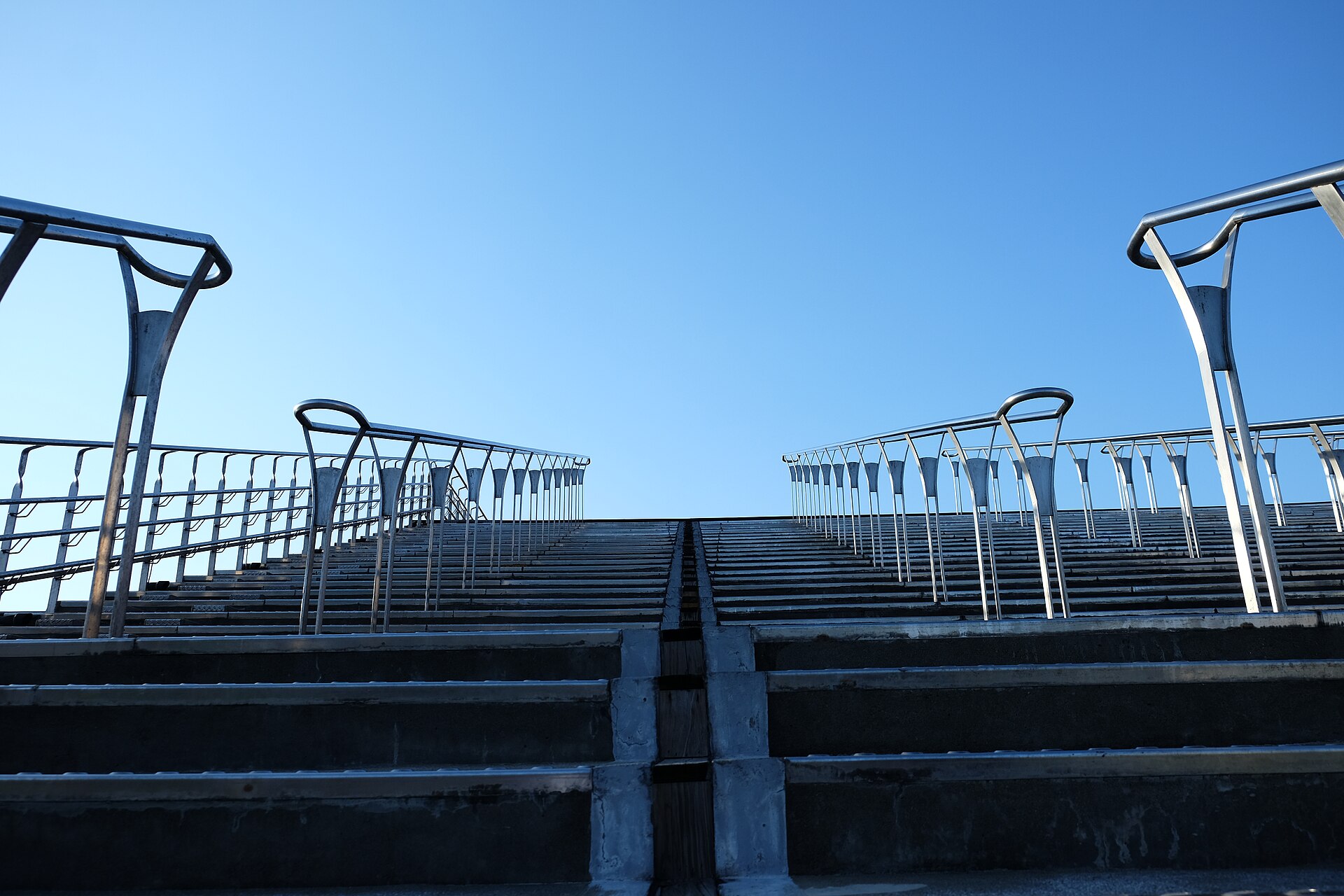
Image information

Historical photographic record, not a guarantee of current displays or access. Source image unchanged.
Start with a material, then a date
The museum describes Shihsanhang as an Iron Age culture dating to roughly 1,800–500 years ago. That history cannot simply be assigned a present-day nationality. Begin with an object’s material, shape and excavated context before reading its date. A pot or iron implement then becomes a way to understand how archaeological knowledge is made, rather than another name or period to memorise.
Objects show exchange more clearly than an exact route
Imported pottery, bronze objects, coins and glass beads are among the evidence the museum uses to discuss contact with other places. An imported object does not reveal exactly who carried it, on which boat or on what day. Separate the excavated object from a comparative interpretation and from an unanswered question. Taiwan’s connections become visible without turning incomplete evidence into a fully known voyage.

Image information

Historical photographic record, not a guarantee of current displays or access. Source image unchanged.
Bring the surrounding landscape into your questions
The museum’s surroundings allow you to consider low land, an estuary and more distant hills together. They help frame questions about access to water, resources and movement. Present-day roads and river engineering are not an unchanged prehistoric landscape, however. The photographs show the museum’s modern architecture and outdoor circulation, not a reconstruction of Shihsanhang people’s everyday surroundings.
Leave with a question worth keeping
Choose one object and try to explain what is known and what remains uncertain. Its material, use, owner and route of exchange require different evidence. This approach also avoids reducing prehistoric inhabitants to a convenient modern ethnic label. The visit can become a starting point for learning about Taiwan’s Indigenous peoples and local histories, while recognising that archaeological interpretation and living communities are not interchangeable.
Before you go
Arrival and return
The address is No. 200 Museum Road, Bali, New Taipei. Use the museum’s transport page to choose a bus approach or a ferry-and-land connection from Tamsui. If travelling by ferry, check both return sailings and the onward land connection: Bali ferry pier is not the museum entrance.
Hours and current works
Weekdays: 09:30–17:00; weekends and public holidays: 09:30–18:00. The first Monday of each month is normally closed, with holiday exceptions. In November 2026 the Bali Time Machine gallery is closed for updating, with reopening announced for 1 December. Confirm completion and the revised route before travelling.
Planning your visit
Allow 90 minutes to two hours as a suggestion. Build the visit around galleries actually open that day, adding outdoor time according to weather. Workshops follow their own schedules or bookings; admission does not guarantee an activity. Do not touch objects in display cases.