Mountain landscapes · choose a trail separately
Hehuanshan, Beyond the Clouds
Look from the ridges into forest, flowers and changing light, then choose a trail for the day.
English captions are part of the film. Optional Traditional Chinese subtitles and the complete translation are available below.
The footage was published in 2018 and covers different elevations, seasons and times. It is not a continuous north-peak or other single-trail itinerary.
English transcript and Traditional Chinese translation
00:00:00 --> 00:00:04
Hehuanshan,
beyond the clouds.
雲霧之間,
走進合歡山。
00:00:04 --> 00:00:08
Not just a summit.
A landscape that keeps changing.
不只是一座山頂。
而是一片持續變化的風景。
00:00:08 --> 00:00:17
Below the open ridges,
mist moves through the forest.
開闊的稜線之下,
雲霧在森林間流動。
00:00:17 --> 00:00:26
Look between the trees.
The mountain is already alive.
看看樹木之間。
山林裡的生命,已在眼前。
00:00:26 --> 00:00:35
Then the slopes open—
grass, paths and distant peaks.
接著,山坡逐漸打開——
草原、山徑,與遠方的群峰。
00:00:35 --> 00:00:44
In spring, flowers change
the colour of the slopes.
春天,花朵改變了
山坡的顏色。
00:00:44 --> 00:00:53
Slow down. There is life
beneath the big view.
慢下來。壯闊風景之中,
還有細小的生命。
00:00:53 --> 00:01:04
Clouds redraw the ridgelines.
No two visits look quite the same.
雲霧重新勾勒稜線。
每次到訪,都有不同的模樣。
00:01:04 --> 00:01:12
Winter reveals
another face of the mountains.
冬天,讓山林
顯露另一種面貌。
00:01:12 --> 00:01:21
Stay with the changing light.
The sky becomes part of the journey.
多留一會兒,看光線改變。
天空,也成了旅程的一部分。
00:01:21 --> 00:01:26
Choose a trail. Give it time.
Check the conditions before you go.
選一條步道,留一段時間。
出發前,確認當日狀況。
00:01:26 --> 00:01:30
HEHUANSHAN · TAIWAN
Taiwan, Layer by Layer
合歡山・臺灣
島嶼年輪
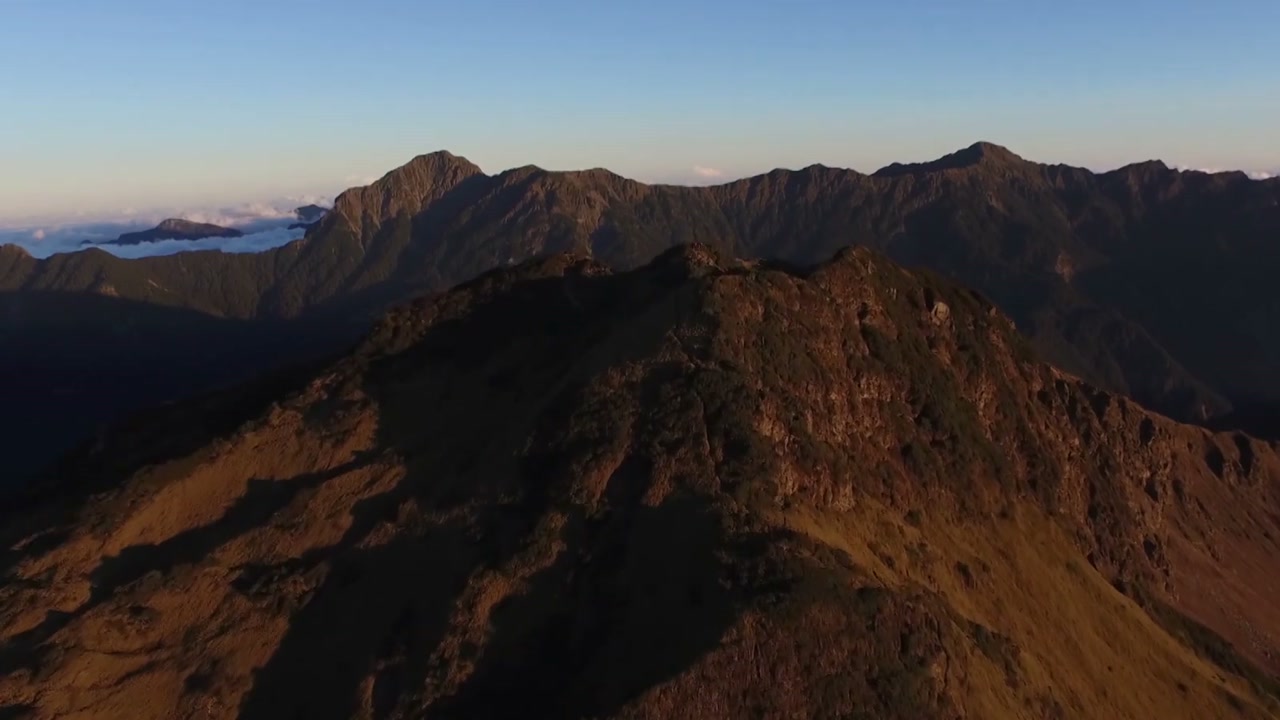
Begin with the ridgelines
The first thing that holds the eye in Hehuanshan is often a line of ridges. Light moves across grass, rock and shadow, while clouds conceal a valley and then uncover another edge. Keep looking in one direction for a little longer: the landscape is changing before the next photograph is taken.
The accompanying film begins with the ridges and then moves into forest, flowers and the night sky. Its images come from Across Hehuanshan, published in 2018, and cover different elevations, seasons and times. They offer ways of looking at the area, rather than a route to follow in the order of the edit.
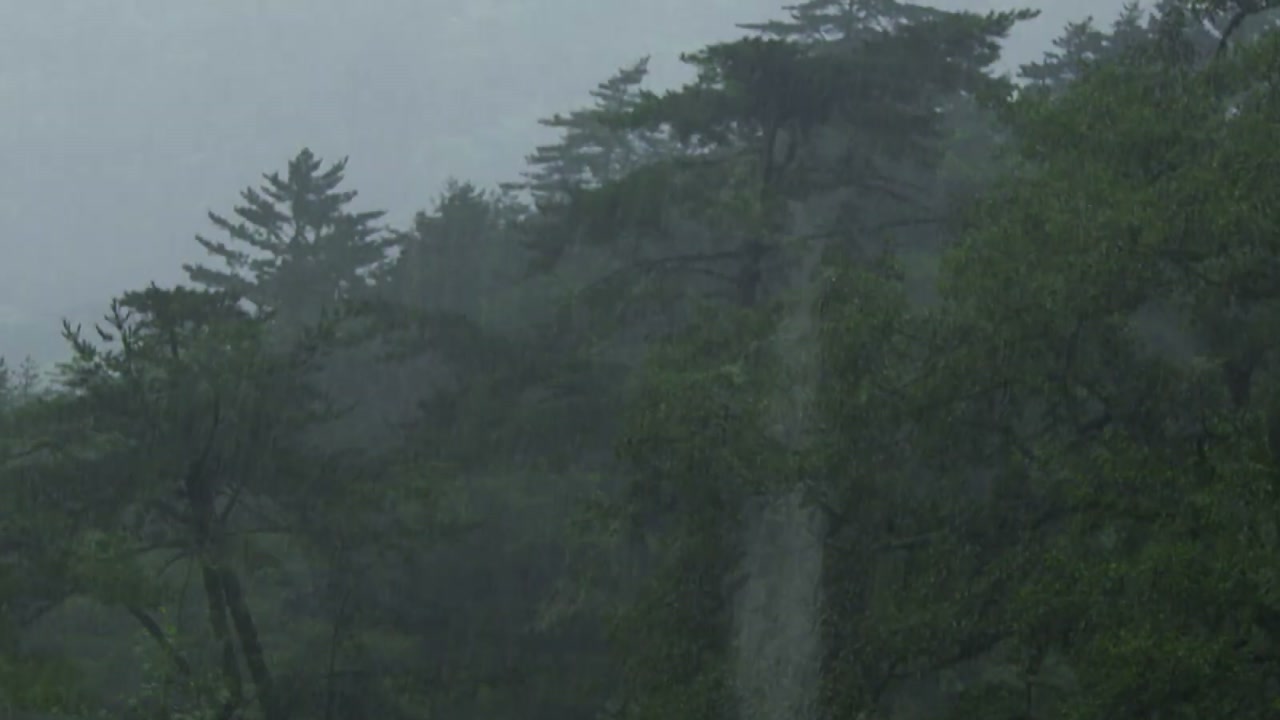
Look into the mist forest
Move your gaze below the open summits and the forest changes the density of the view. Branches overlap, mist passes between trunks and light briefly reaches through gaps in the canopy. Here, a branch, an attached plant or the space between two trees can hold as much interest as a distant peak.
The national park’s introduction distinguishes the mid-elevation mist forest from the higher alpine landscape. A damp, layered forest and an open grassy slope provide different living spaces. There is no need to identify every bird on a first visit: begin by noticing the canopy, the understorey and the open ground.
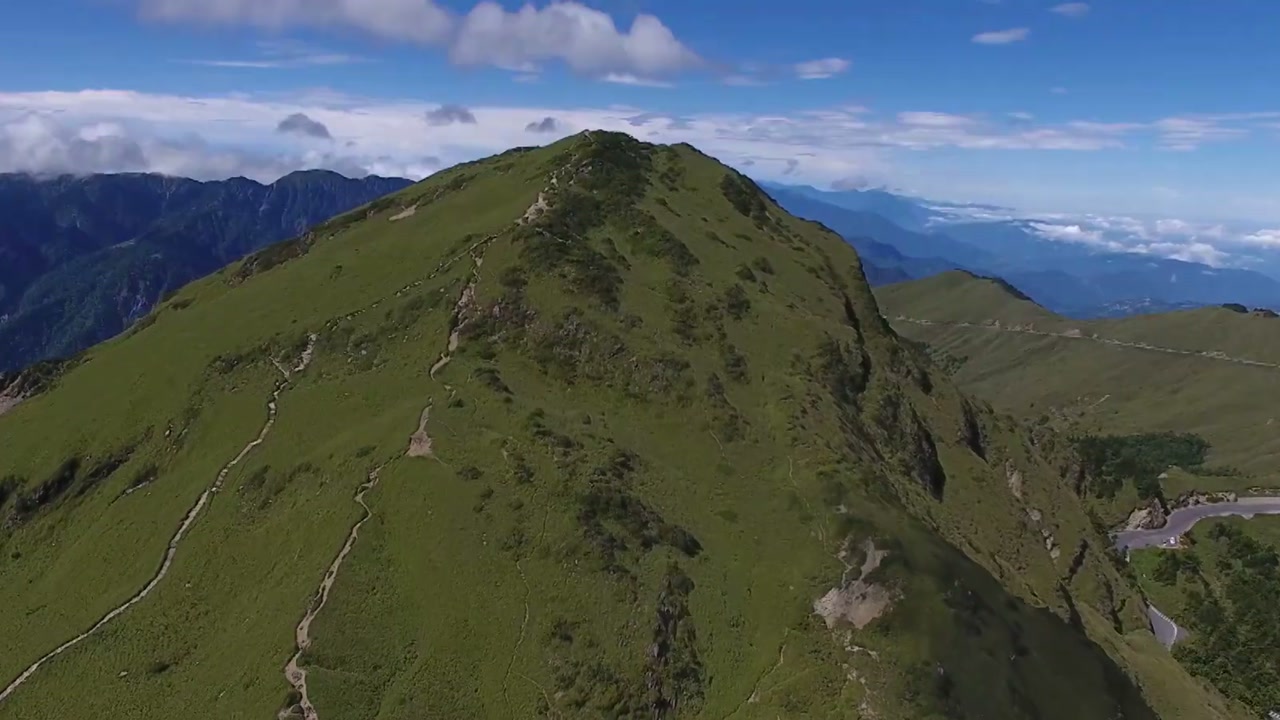
Different paths across the open slopes
Above the trees, grassy slopes open the view. A small path follows the land and appears from a distance as a line across the mountain. Up close, gradients, turns and wind change the rhythm of each step. Seeing a path within the wider landscape is a useful reminder that reaching one summit does not explain the whole area.
Choose a specific trail before planning the outing. Forestry information lists separate options including Hehuan Main Peak, Hehuan East Peak and Shimen Mountain. They have different starting points and conditions; they should not be combined into one easy walk. Check the official trail information and select a section that fits the time and ability of the people travelling together.
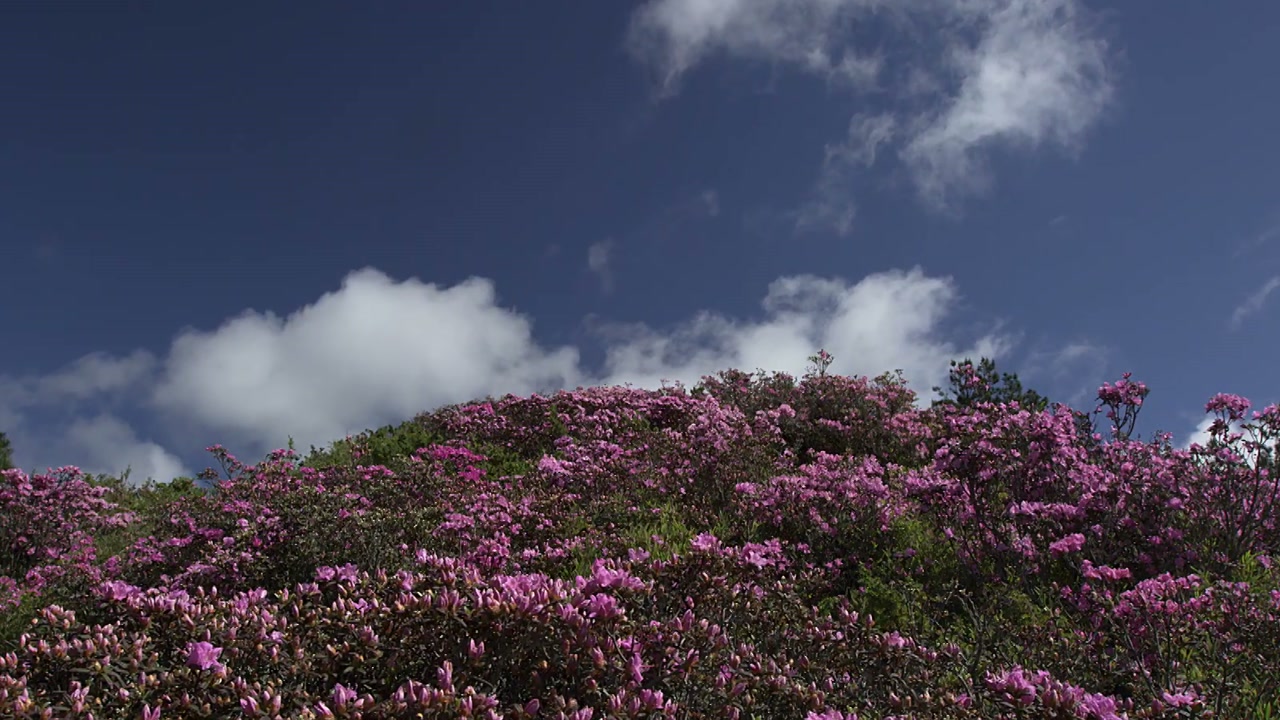
Give flowers and snow their own seasons
Spring flowers suddenly bring the viewing distance closer. Begin with the colour of a whole slope and then look at a single bloom; the footage also reveals insects visiting flowers. Moving from a panorama to a small action is another way of understanding what is happening within the landscape.
Winter frost and snow give the mountain area a different appearance. Flowering, frost and snowfall each depend on their own conditions. Their meeting in a ninety-second film does not mean they can all be seen on one visit. Decide which season interests you, then check current weather, road and trail announcements.
Choose a journey with time to look
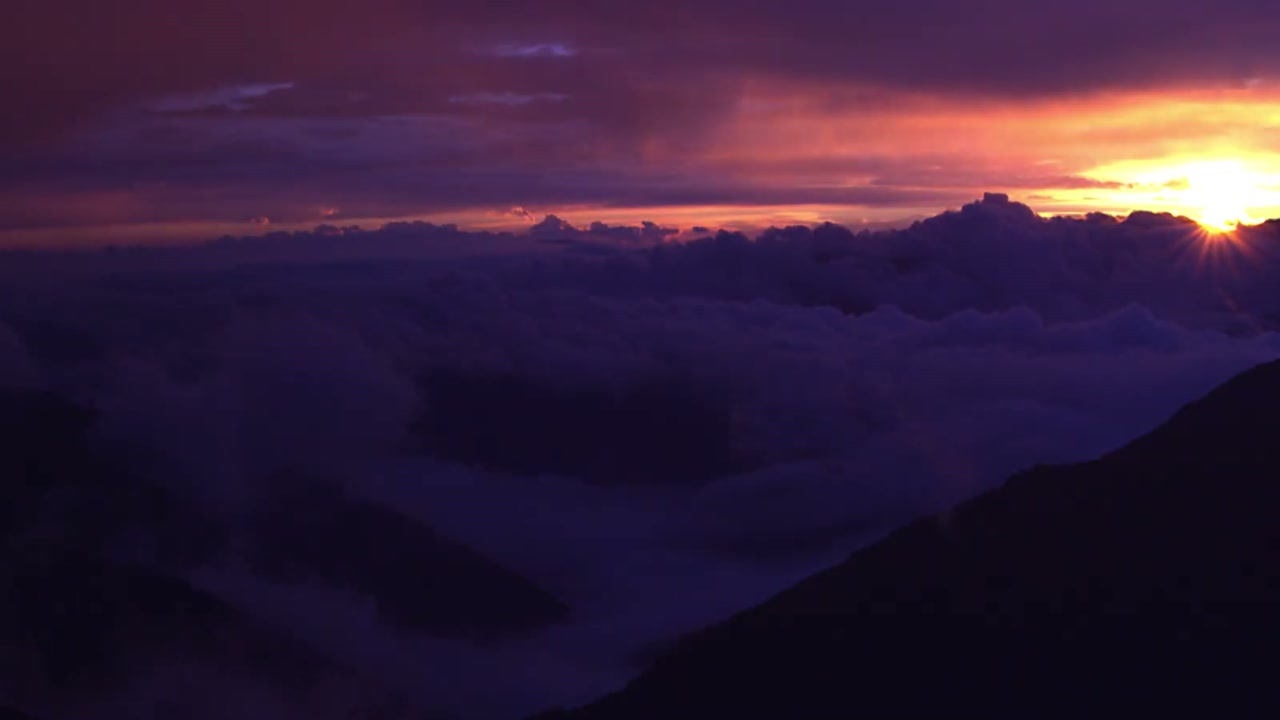
The film returns to light and sky at the end. Clouds change slowly and a ridge can become a silhouette. Stay a little longer and attention may shift from the name of a peak to the relationship between the mountain and the light. This kind of pause adds no extra stop, but can make the place already reached easier to understand.
For an actual visit, begin with the Forestry and Nature Conservation Agency’s recreation-area and trail information, then check official road information and current announcements. Allow time for arrival, looking and the return journey, and let conditions determine whether to continue. The article and film suggest what to notice; current access must be checked separately.
Film, research and image sources
The footage was published in 2018 and covers different elevations, seasons and times. It is not a continuous north-peak or other single-trail itinerary.
- Across Hehuanshan — official film introduction
- Hehuanshan National Forest Recreation Area
- Tourism multimedia destination information
1. Taroko National Park, Across Hehuanshan, frame from the film published in 2018. 2018 · 1378s
2. Taroko National Park, Across Hehuanshan, frame from the film published in 2018. 2018 · 152s
3. Taroko National Park, Across Hehuanshan, frame from the film published in 2018. 2018 · 339s
4. Taroko National Park, Across Hehuanshan, frame from the film published in 2018. 2018 · 574s
5. Taroko National Park, Across Hehuanshan, frame from the film published in 2018. 2018 · 1387.5s
The soundtrack is AI-generated. This film has no spoken narration.