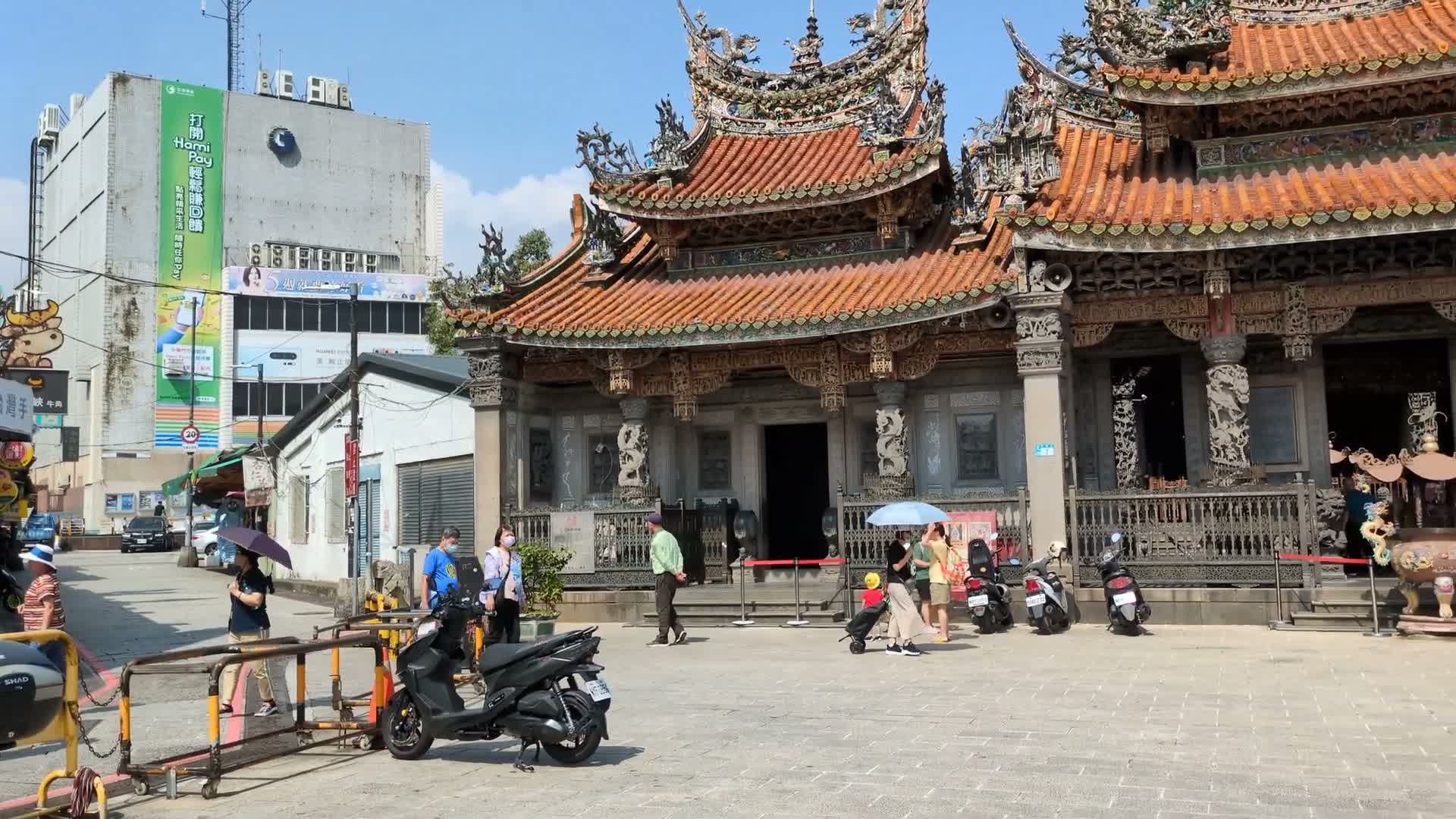
At Sanxia, a painter’s drawing still needed many hands
Read the temple through the work between drawing and building. Li Mei-shu’s reconstruction involved donors, artisans and students, while the building continued to serve worship.
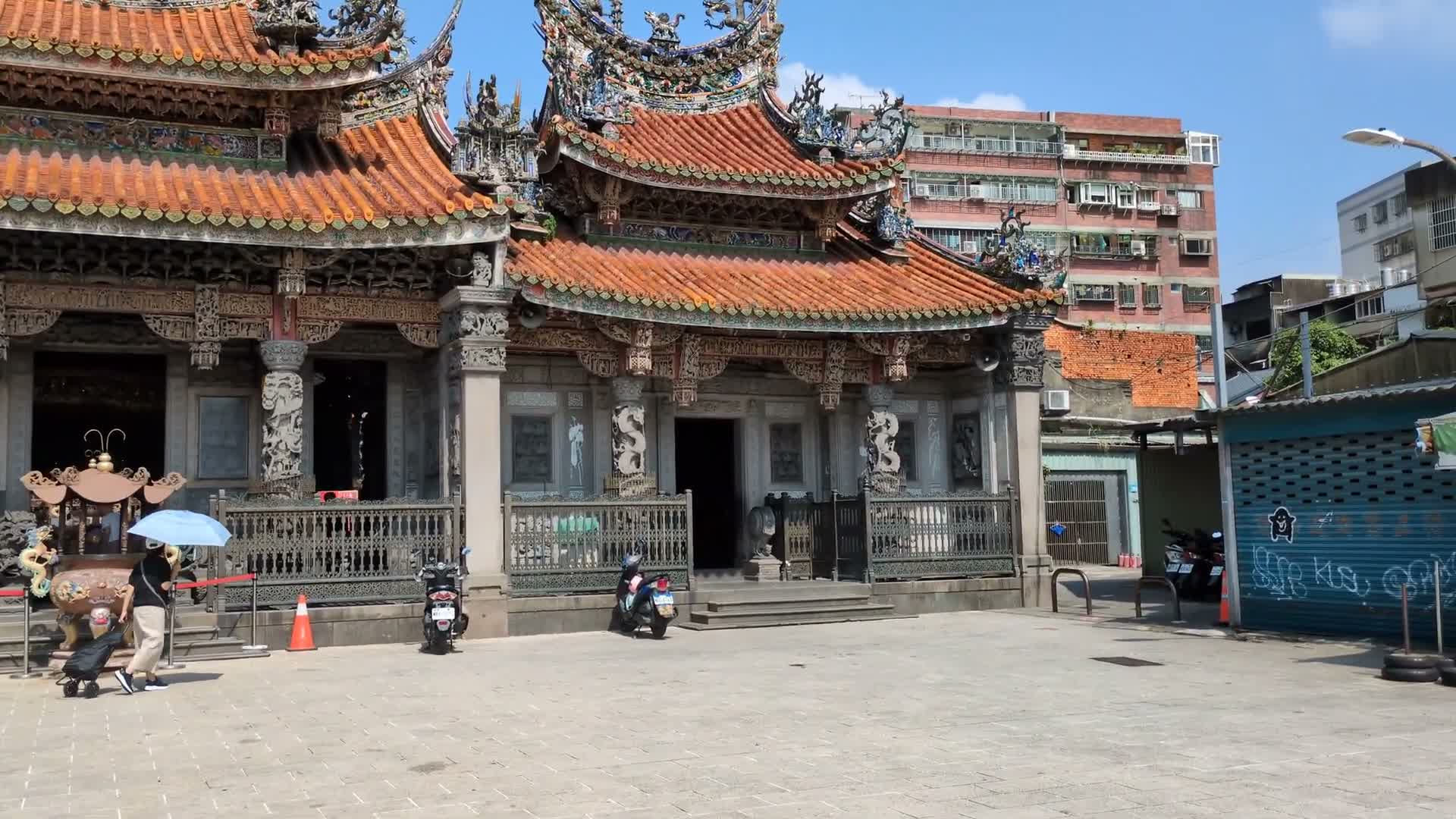
Begin with a building that needed repair
In 1947, the temple’s third reconstruction became a long part of Li Mei-shu’s life. The local painter did not simply add pictures to a finished building. He helped decide how the temple would be remade. The memorial museum’s chronology records committees, fundraising, donated timber and successive building stages. Those entries restore the practical scale of the project: a drawing could become architecture only when people secured materials, organised work and continued supporting it.
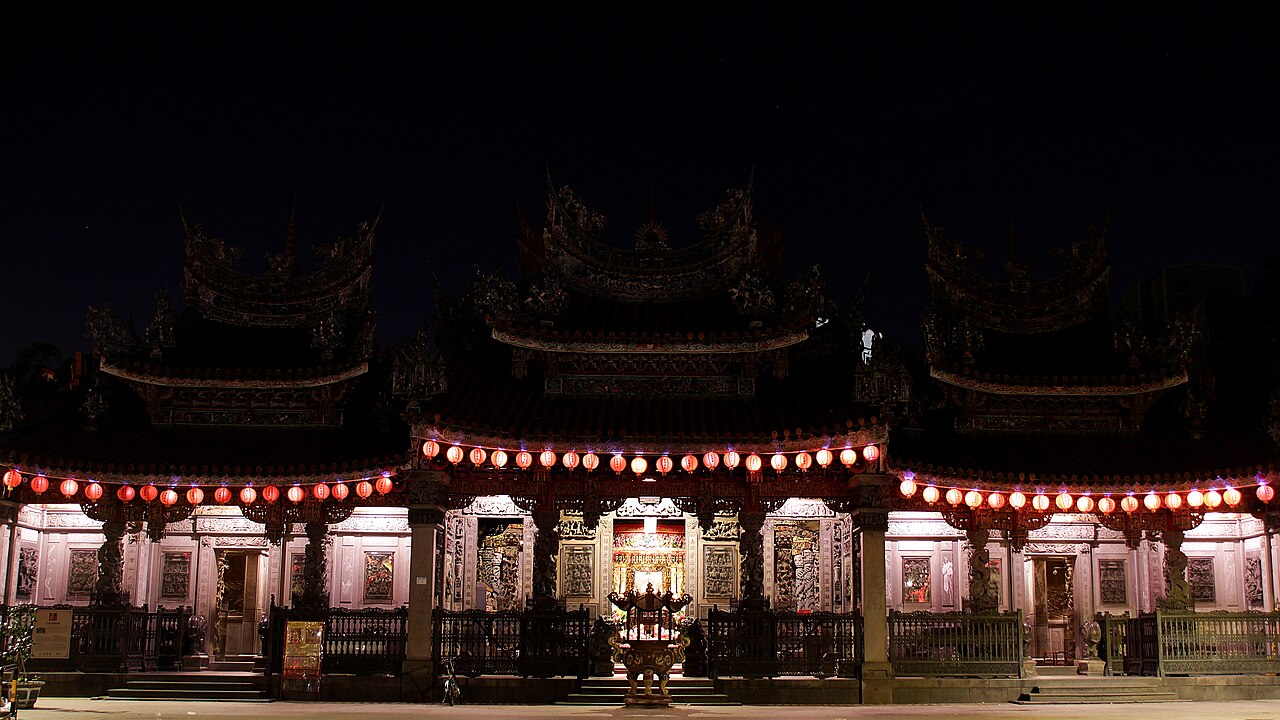
Image information

A drawing changes when another maker takes it
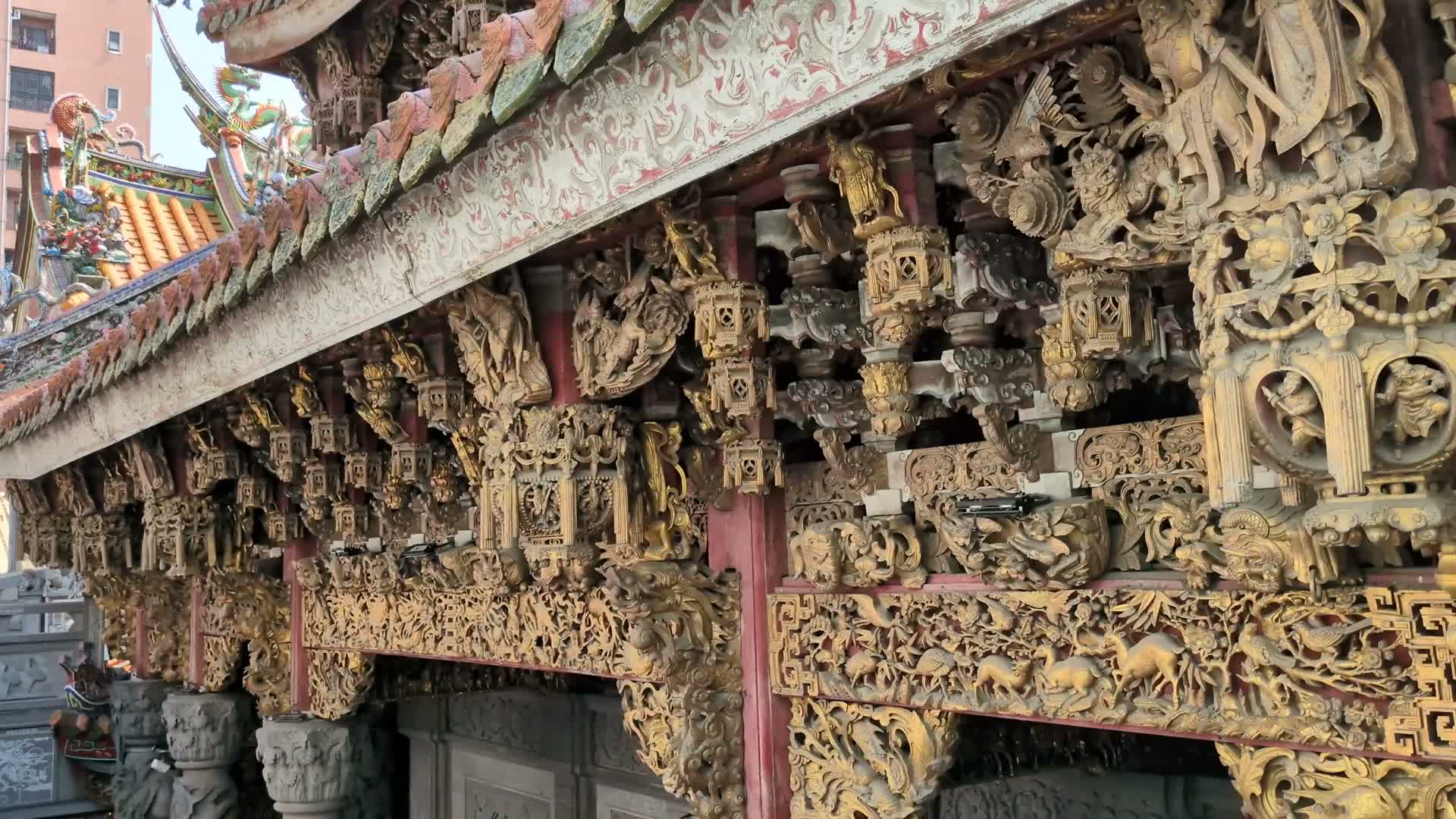
The Ministry of the Interior’s account describes painters supplying designs for wood and stone carving, then artisans completing them. It also records sculpture students working on bronze under Li’s direction. Different materials required different hands. Looking at a carved surface, ask what had to be removed; looking at a cast door, ask how a three-dimensional form was prepared. These are questions for observing the result, not a claim that every visible feature can now be assigned to a single named maker.
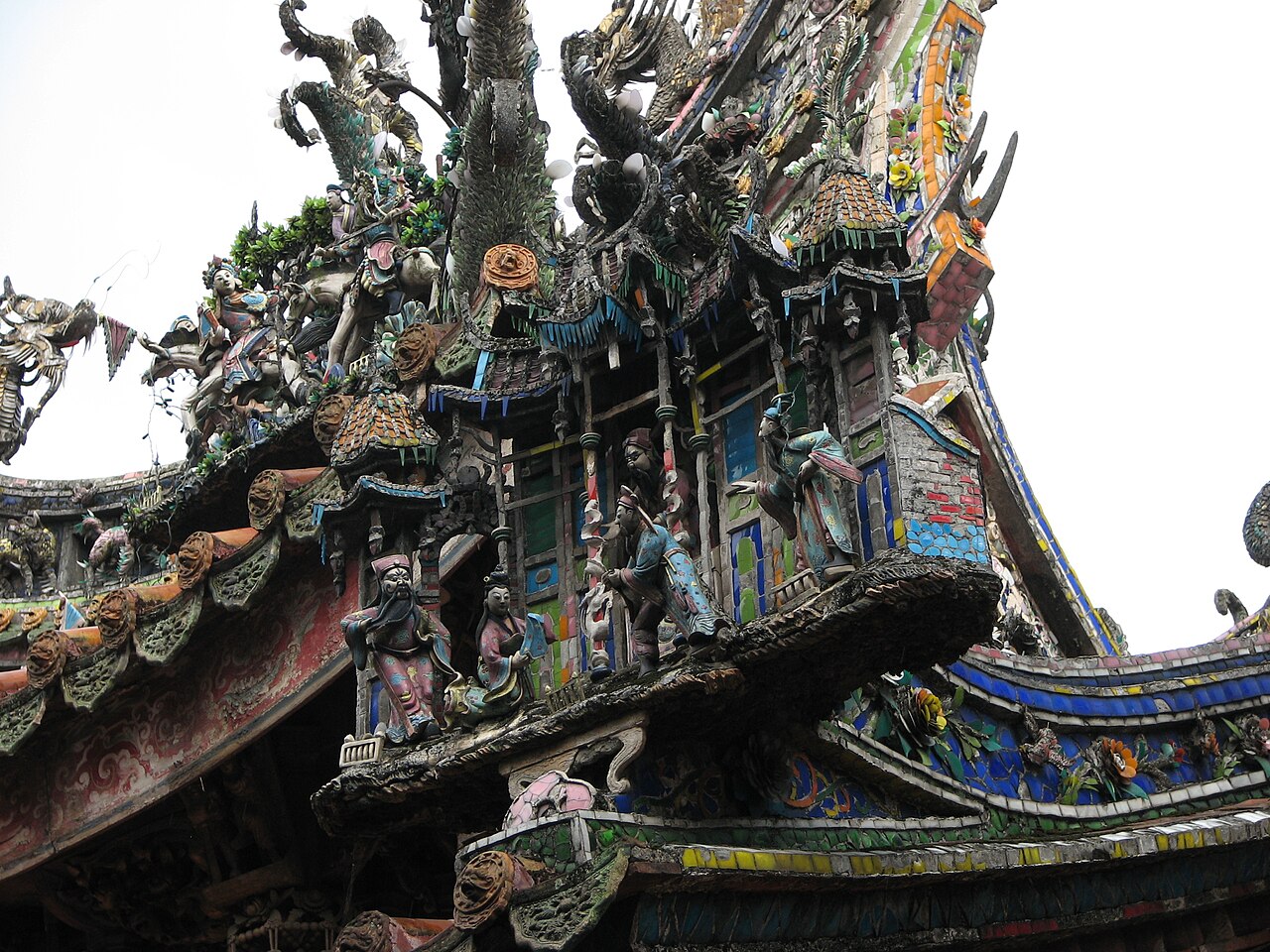
Image information

Read the space inside a carved column
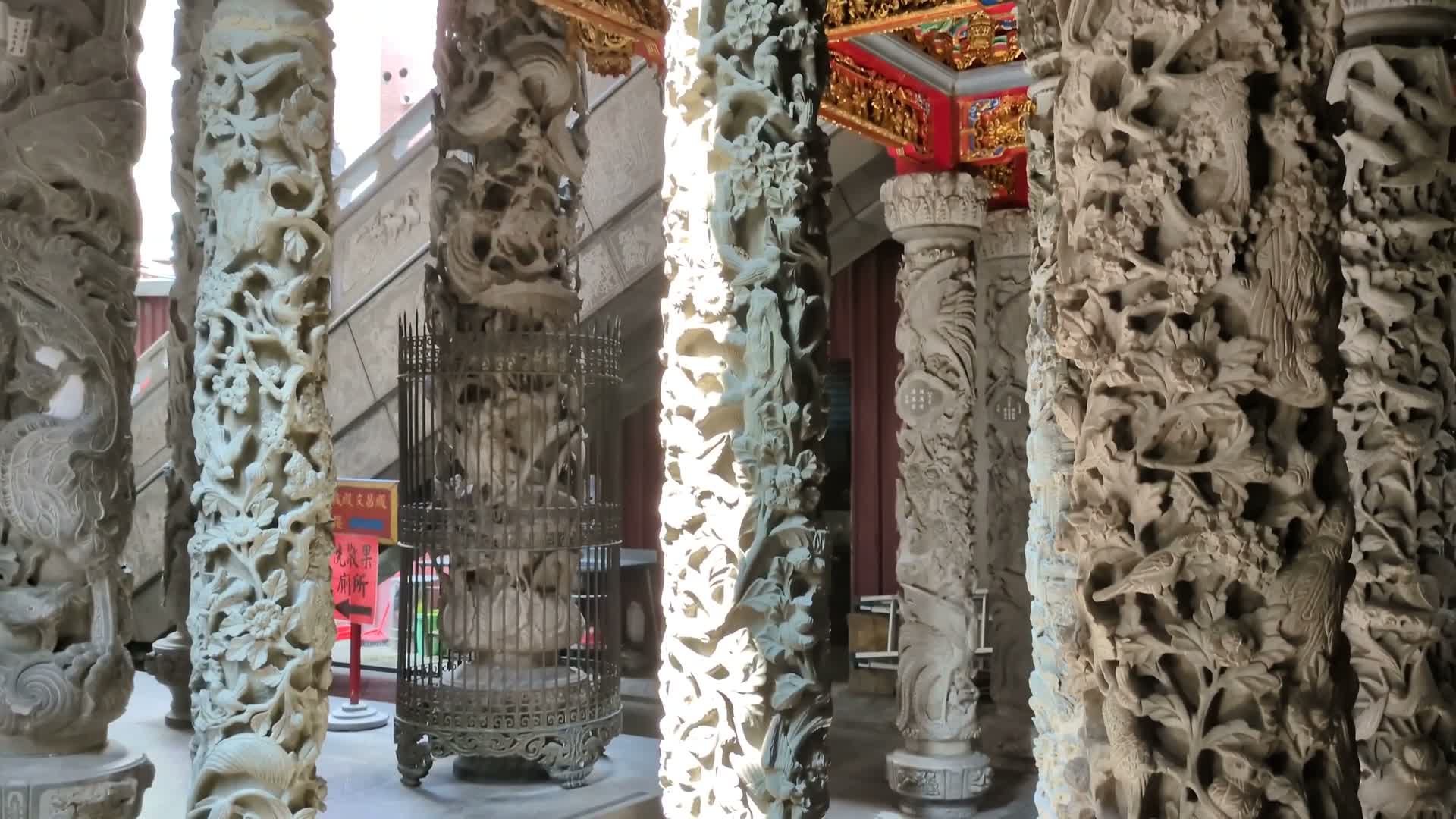
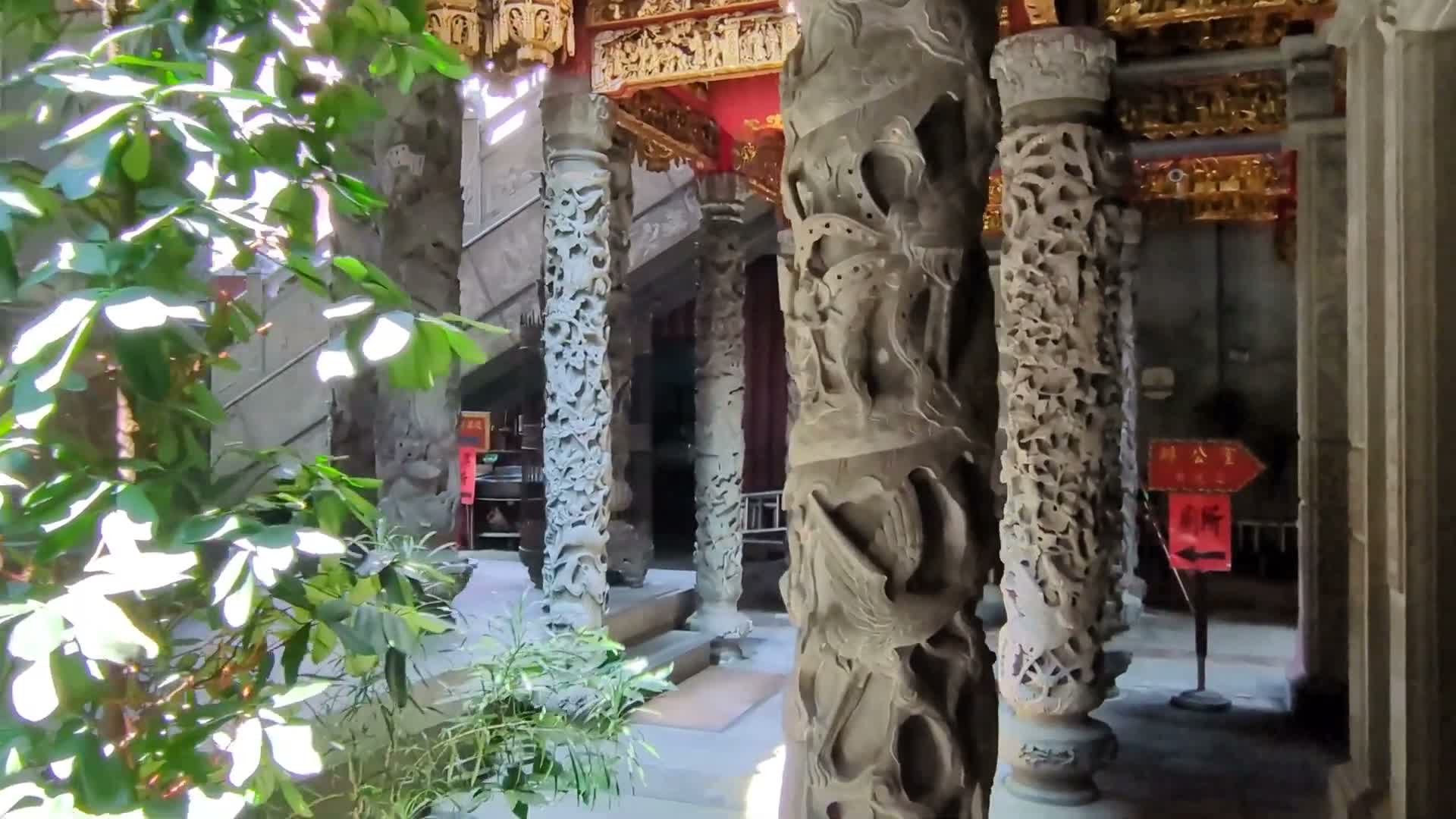
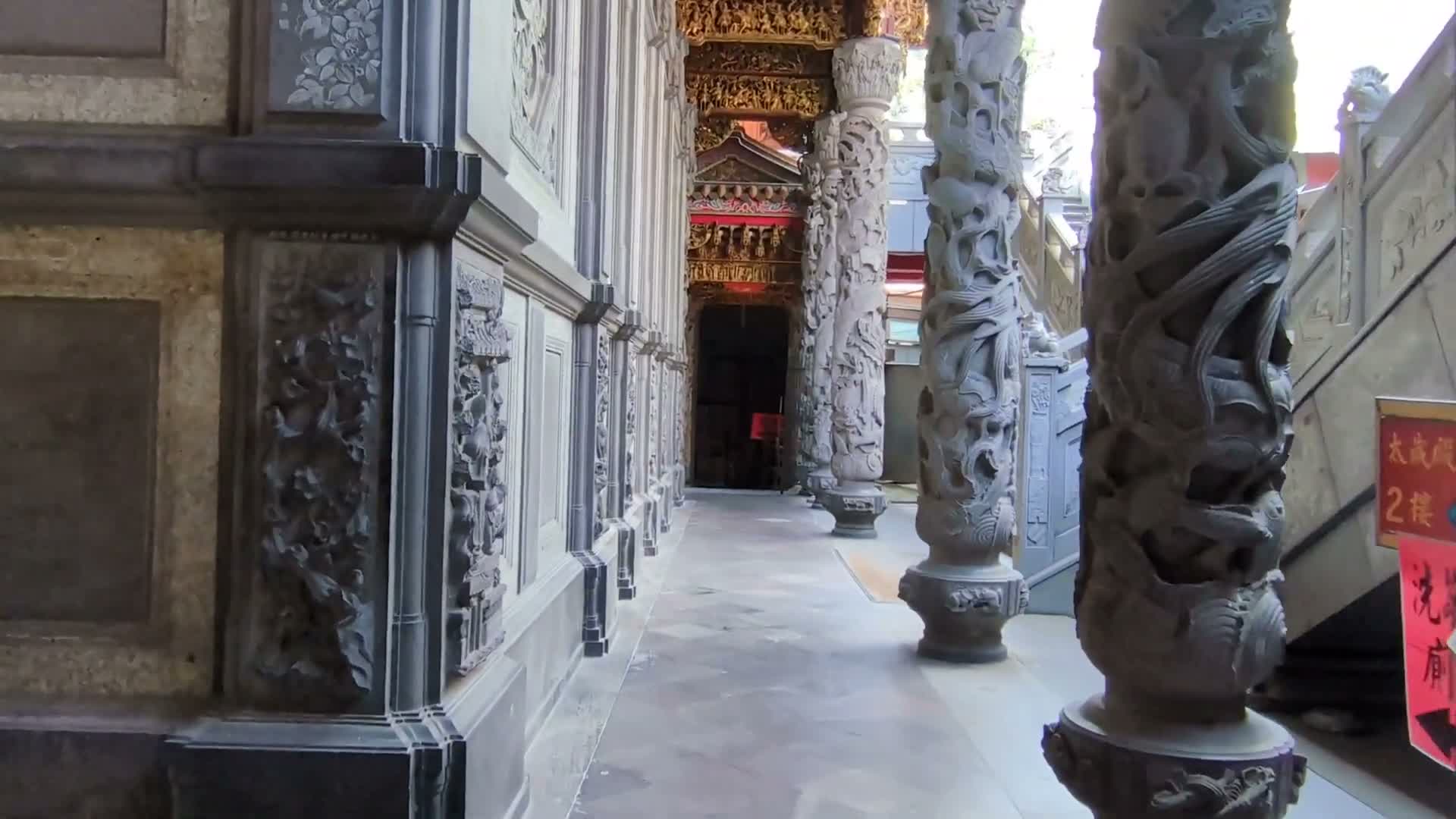
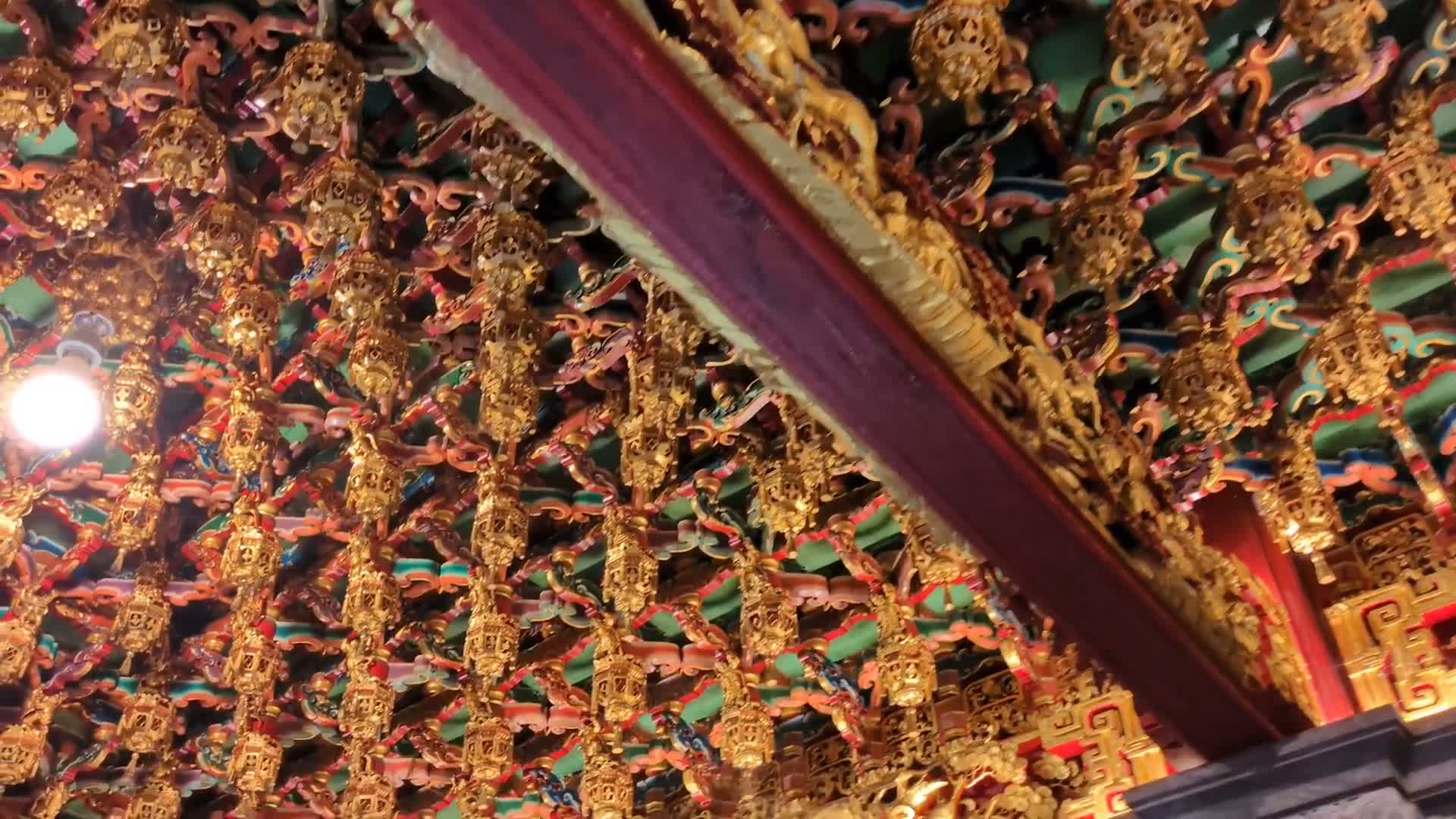
Three pairs of openwork columns at the main hall provide a precise place to slow down. Rather than counting dragons or birds, compare solid stone with the spaces opened between figures. The municipal guide also directs attention upwards to the spiralling caisson. These details occupy different parts of the building, so keep the entrance and worship routes clear while looking. A close view need not involve touching, leaning on or trying to reach a carving.
Care changes how a hall is used
The city’s guide connects the main hall’s intricate timber work with the decision not to burn incense there. A material admired for its detail also creates an ongoing responsibility. The story therefore continues beyond Li’s lifetime and the names of famous artisans. Staff, worshippers and visitors all affect the conditions around the work. Follow the arrangements actually in place instead of treating the temple as an unrestricted sculpture gallery.
Choose one detail, then return to the whole
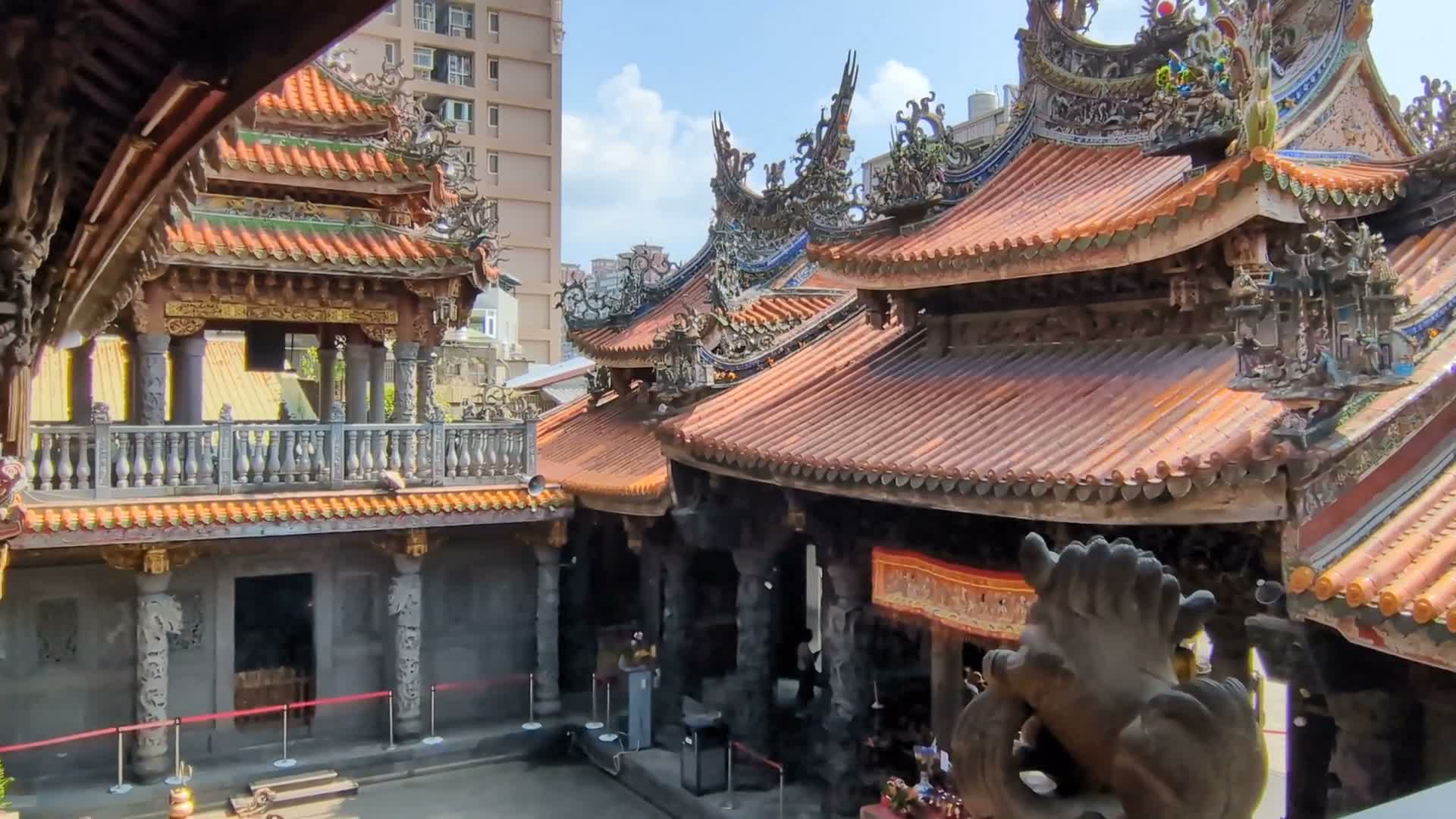
Choose a column, a doorway or one section of roof decoration and compare it with the larger hall. The two photographs here record a roof detail and a dated evening view; they do not promise the same lighting or access on your visit. A guide may help identify makers and subjects, but confirm its current arrangement separately. The useful outcome is a more exact question about how people made the place, alongside a clear understanding of where visitors may stand today.
Before you go
Arrival
The temple is at 1 Changfu Street, Sanxia. Use the Bannan MRT to Yongning, then board 916 towards Sanxia and leave at Sanxia Old Street (Minsheng Street). Continue on open public streets to the temple address; no step-free or timed approach was tested in this project.
Return
Return to the eastbound Sanxia Old Street (Minsheng Street) stop, whose official page lists 916 towards Yongning MRT. Confirm the sign, actual service and last suitable bus before leaving the temple; do not use the inbound stop without checking direction.
Entry and booking
The city lists general opening of 05:00–22:00 and free entry; an older national page starts at 04:00. Plan a daytime visit and confirm the temple’s current arrangements. Ask at the counter about guides; no fixed departure, ceremony or performance is reserved here.
Conduct and time
Stay within permitted public areas, keep worship routes clear and ask before photographing activities or using equipment. Allow roughly 45–60 minutes to observe selected details, an editorial estimate; transport and any booked guide are additional.