
Hushan
A shaded valley, hilltop and temples connect a short hike to neighbourhood life.
Read this route through its landscape and local life. Numbered stops provide interpretation; detailed navigation still requires signs and the original route map. Hushan Creek’s greenery also has a history of repair. In a report published in May 2014, the city’s geotechnical office described coal spoil accumulating in the valley, contributing to collapse, erosion and siltation, followed by ecological restoration. The report’s firefly observations belong to that period, not a promise of sightings today. Reading the channel beside the path adds an older mining landscape to the forest view: shade, drainage and the space left for water all matter to how a city stream recovers.
- Distance
- 2.10 km
- Time
- 60–90 min · planning allowance
- Terrain
- Steps & slopes
- Connection
- Taipei local life
Cihuitang trailhead
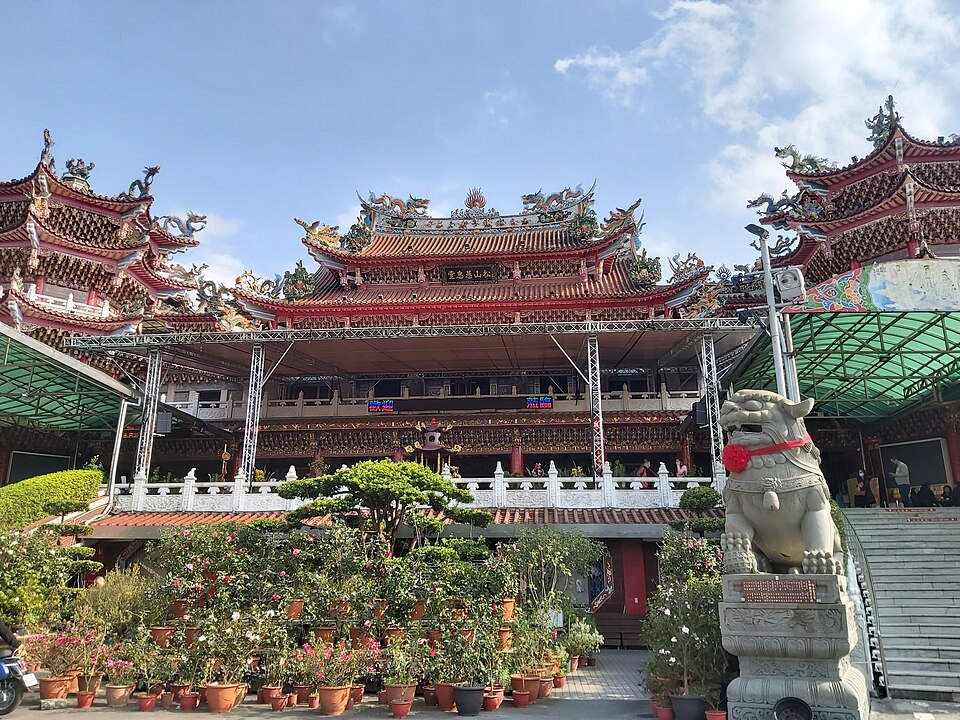
Find the trail entrance beside Cihuitang and notice how closely temple and path sit together. Hushan begins differently from Xiangshan. This walk first draws attention to the stream valley, shade and resting places before gradually turning towards the summit. Worshippers, walkers and hikers may meet at the same junction before heading in different directions. Remember the surroundings outside this entrance. At the Fengtian Temple exit, comparing the two sides of the mountain's foot will connect the beginning and end of the walk. Continue towards Four Beasts Pavilion and then Hushan summit. There is no need to hurry on the first section. Listen to wind through the leaves and notice how the trail bends with the terrain. What you take away may be more than Hushan's height: it may be an understanding of how a mountain path begins beside a temple.
Notice how this stop relates to the surrounding paths and streets.
Travel reminder: this is the start of the route; allow separate time to get here. Four Beasts Pavilion is next. Before leaving, compare the map with signs on site to confirm your walking direction.
Four Beasts Pavilion
Treat Four Beasts Pavilion as a pause in the Hushan walk. It offers somewhere to stop, check your direction and bring companions walking at different speeds back together. The names may suggest four separate destinations, but their paths connect. On Hushan's trail, you can begin to understand these hills as a whole. Nearby imagery of the Four Beasts Mountains and facilities beside the stream give abstract mountain names recognisable forms, adding the pleasure of finding clues along a walk. While resting, look at the slope and plants beside the pavilion and consider why people pause at this spot. Continue towards Hushan summit. The route gradually leaves the stream-valley surroundings and moves to a different level of the hillside.
Notice how this stop relates to the surrounding paths and streets.
Travel reminder: you have come from Cihuitang trailhead; Hushan summit is next. Check signs and open passageways before continuing. On streets and paths, follow the routes indicated on site.
Hushan summit
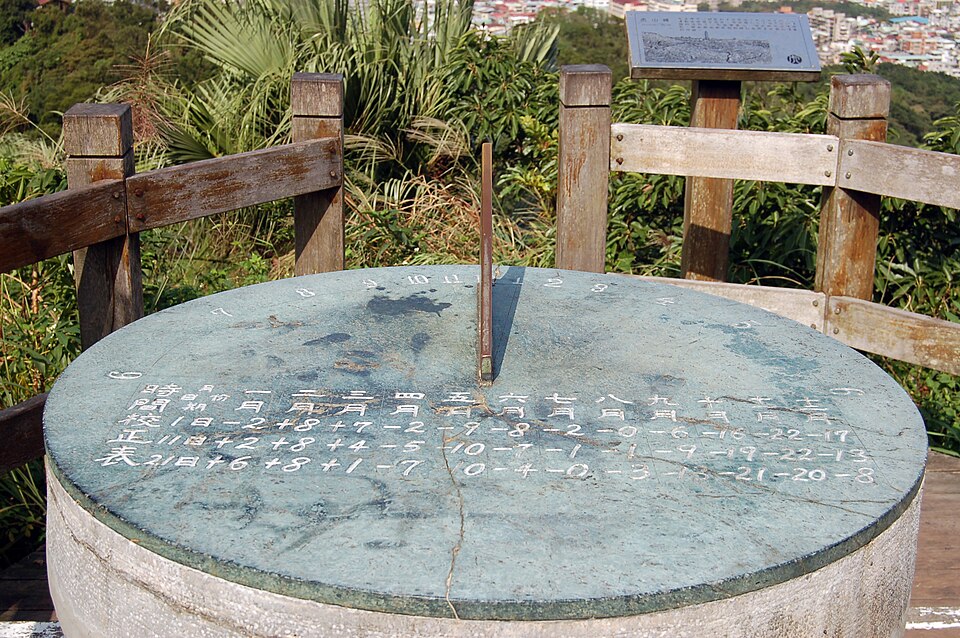
At Hushan summit, first identify the approximate direction of the stream valley you passed, then turn towards the city. After the uphill walk, the streets below become a living space with recognisable depth, rather than just a few junctions near the entrance. Take time to look at Hushan without rushing to compare photographic views with Xiangshan. Different entrances offer different approaches. Some people climb beside the stream from Cihuitang, others enter from Fengtian Temple, and others include Hushan in a longer Nangangshan journey. The summit becomes a meeting point in the trail network, where people from different starting places briefly share the same view. Today's walk continues towards Qingfeng Pavilion and Fengtian Temple. Settle your breathing near the summit, then check the positions of the next stop and exit on the map.
Notice how this stop relates to the surrounding paths and streets.
Travel reminder: you have come from Four Beasts Pavilion; Qingfeng Pavilion / 120 Highlands is next. Check signs and open passageways before continuing. On streets and paths, follow the routes indicated on site.
Qingfeng Pavilion / 120 Highlands
Qingfeng Pavilion stands near Hushan's 120 Highlands and offers a point to separate the rhythms of climbing and descending. On a mountain walk, a place to reset your pace can make the journey more comfortable than adding another summit. A pavilion provides shade for rest and reveals the everyday use of nearby hillside trails. Morning walkers, residents who exercise regularly and first-time visitors seeking a view pause in similar places, giving the trail its own daily rhythm. Take shorter steps on the descent and separate photographing from walking. Stand steadily before looking back at the city between the treetops. This stop offers a moment to put the journey together: stream valley, summit, pavilion and temple entrance. Hushan connects different kinds of living space along the line you have just walked.
Notice how this stop relates to the surrounding paths and streets.
Travel reminder: you have come from Hushan summit; Fengtian Temple trailhead is next. Check this page's transport information before continuing.
Fengtian Temple trailhead
On the Fengtian Temple side, notice how the trail meets temple and street. The ridge and shade you identified in the hills now give way to rooflines, steps and passing people. Fengtian Temple is an important landmark on this side of Hushan. It helps hikers locate an entrance, while worshippers may see the mountain path as part of their journey to the temple. Pause at this meeting point and observe how the road beside the temple connects exercise, belief and daily life. Mountain and city are closely interwoven, and the same place can be approached in different ways. After descending, organise your return along the streets before planning a meal. To explore further, the culture story below places the temple within local life. If you finish here today, take another look back towards the mountain.
Notice how this stop relates to the surrounding paths and streets.
Travel reminder: this is the last stop. Use this page's start and return information to head towards Houshanpi Station. Allow additional time for transfers and waiting.
Getting there and back
Begin at the Cihuitang trailhead and finish at the Fengtian Temple trailhead. Follow the guide order: Cihuitang → Four Beasts Pavilion → Hushan summit → Qingfeng Pavilion → Fengtian Temple. Use the outward search for Cihuitang, not a different Hushan entrance. After reaching Fengtian Temple, check the return search towards Houshanpi MRT. Temple entrances and mountain entrances are not interchangeable; follow trail signs and public access.
The 2.10 km and 60–90 minute planning allowance describe this selected mountain itinerary, excluding MRT approaches, waiting and temple visits. Leave extra time for steps, wet surfaces and rests. At the first pavilion, check energy and daylight before continuing; if shortening the outing, return on the known open approach rather than choosing an unfamiliar downhill branch. Temple hours do not establish trail opening or lighting. Carry water and footwear with grip, and check current notices.