
Guandu to Erziping
A full-day route from Guandu through Qingtian Temple and Miantianping to Erziping Visitor Service Station. This is not the short Erziping accessible trail.
A 2019 archaeological study separates the visible houses from older deposits below them. Sparse late-Neolithic and Metal Age finds occurred near house F1; the ten surface stone houses belong to the historical period, roughly the mid-eighteenth to mid-twentieth centuries. Sharing a location does not make them one prehistoric village. Pottery, stoneworking, alterations and land documents help researchers discuss farming, tea, charcoal and later cattle-related uses. Connections with Beitou, Datun and other communities remain debated. From established paths, notice wall lines and reused entrances without assigning every stone the same identity. Stay on the route, do not climb walls and leave stones in place.
- Distance
- 13 km
- Time
- 7–10 hours · planning allowance
- Terrain
- Long climbs & descents
- Connection
- Taipei local life
Guandu MRT Station
Guandu MRT Station brings commuting and a full day's mountain walk to the same exit. The train has brought you from Taipei's streets. The direction ahead gradually leaves level ground and rises towards Beitou and the foot of the Datun mountains. Begin by observing nearby roads, homes and the uphill direction, rather than immediately seeking the finest distant view. Remember how the streets and houses look at departure. Around Zhongyi Mountain, buildings give way to trees and stone steps replace level streets. This gradual change lets you feel how the city becomes another kind of life along the slope, rather than ending suddenly. Walking is the focus of today's journey. Organise your water, trail food and backpack at the station, identify the direction towards the trail and then begin observing the first section.
Notice how this stop relates to the surrounding paths and streets.
Travel reminder: this is the start of the route; allow separate time to get here. Qingtian Temple is next. Before leaving, compare the map with signs on site to confirm your walking direction.
Qingtian Temple
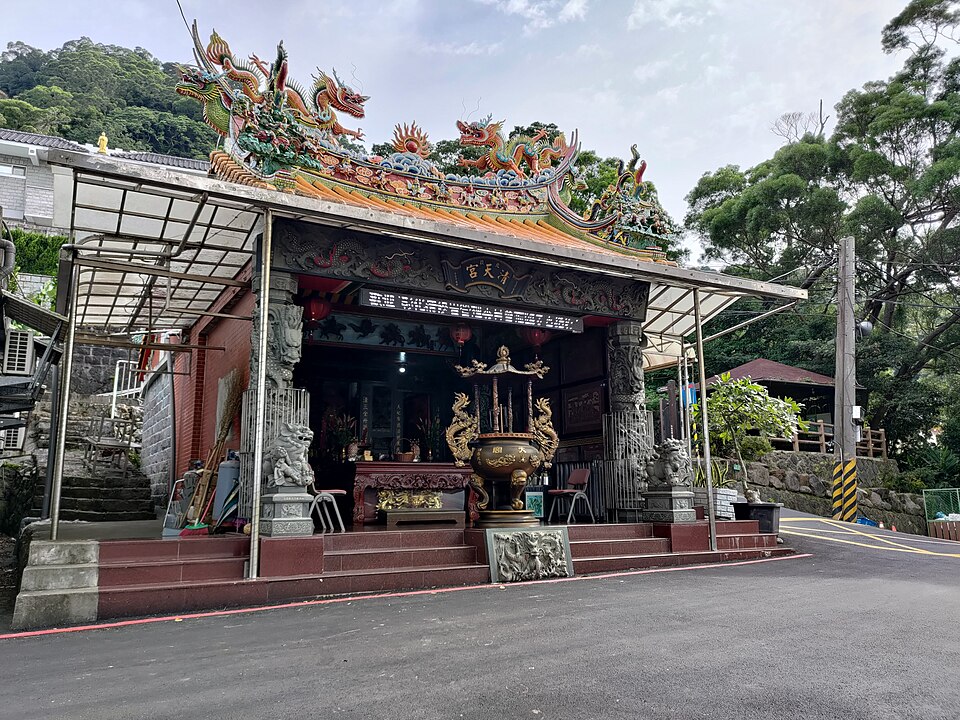
At Qingtian Temple, the route takes on a clearer mountain-village atmosphere. The forecourt offers hikers both a landmark and a transition. Attention shifts from streets to steps, shade and slopes. Homes and junctions you passed remain in memory, while the rhythm of the mountain path becomes apparent. A temple can therefore offer a way to understand the city's edge. Watch tree shadows change across the ground and listen to the surroundings after leaving the road. Remember the space before the temple as a clear point in today's walk. Recalling only the destination can reduce a long journey to numbers; remembering Qingtian Temple divides it into chapters with distinct character. Adjust your backpack here, then settle into a steady pace again.
Notice how this stop relates to the surrounding paths and streets.
Travel reminder: you have come from Guandu MRT Station; Miantianping Pavilion is next. Check signs and open passageways before continuing. On streets and paths, follow the routes indicated on site.
Miantianping Pavilion
At Miantianping, notice how the terrain opens a little. After continuous walking, somewhere to pause has a particular presence. Miantianping preserves stone-house remains, but researchers have proposed different dates and community affiliations; the buildings should not all be assigned to the Datun community as an established fact. With the area's background in mind, level ground in the hills can feel different. You may not be able to connect every stone with a specific story, but remembering the history of settlement keeps this place from becoming merely an empty stretch before the destination. Near the pavilion, look first at the woodland and then the ground. Consider how much people choosing a place to live in the mountains need to understand about water, slopes and paths. Continue towards Erziping. The route still leads onward, but the way you see it has changed: you are walking through both natural scenery and a place where people once lived.
Notice how this stop relates to the surrounding paths and streets.
Travel reminder: you have come from Qingtian Temple; Erziping Visitor Service Station is next. Check signs and open passageways before continuing. On streets and paths, follow the routes indicated on site.
Erziping Visitor Service Station
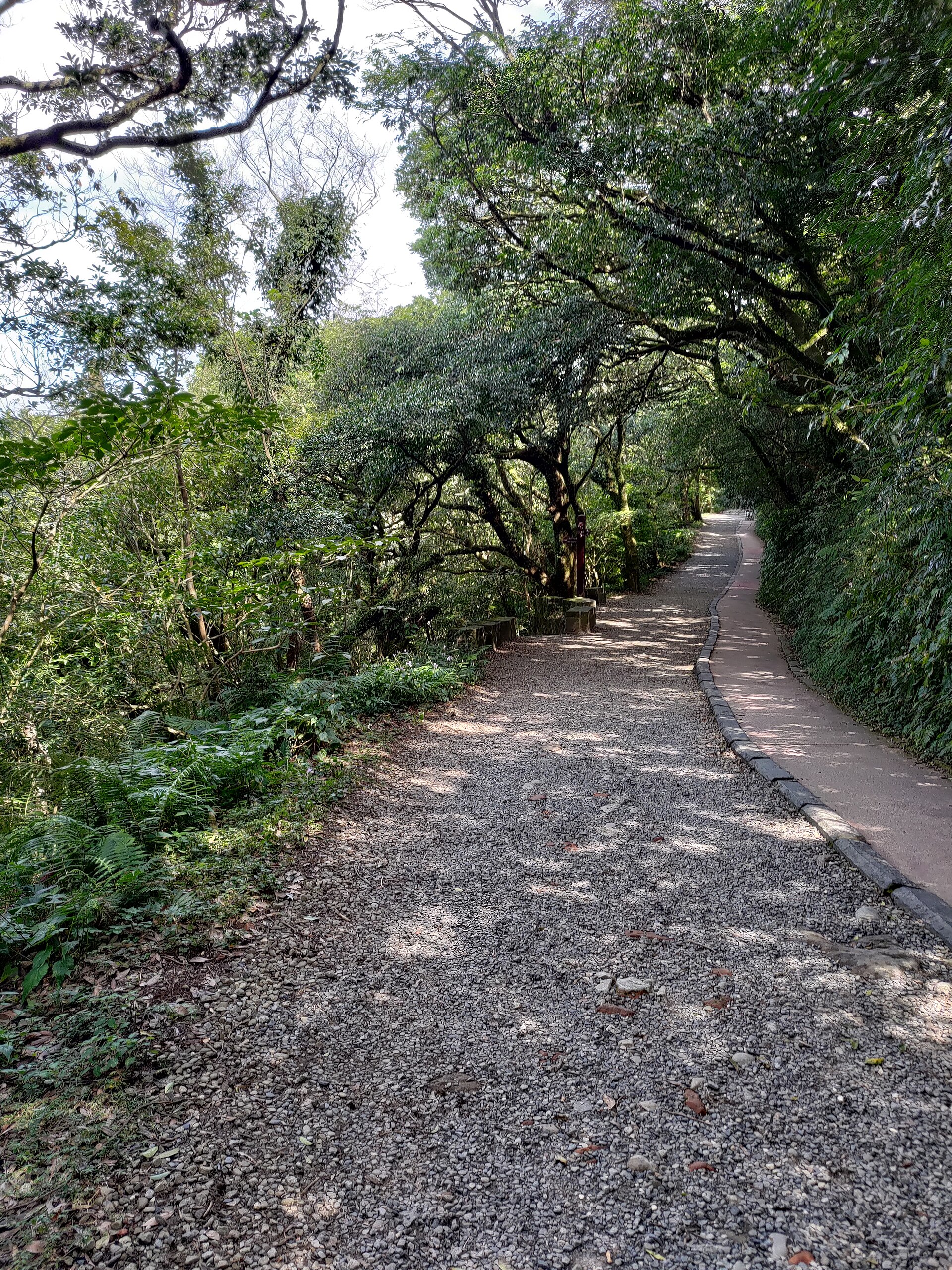
Erziping Visitor Service Station ends this long walk. At Guandu MRT Station, trains and streets surrounded you. Passing the mountain's foot, temples and traces of woodland settlement has brought you to an entrance to the Datun mountains, with Taipei taking several different forms along the way. Set your backpack down steadily and recall which section most made you want to pause. It may have been the first shade around Zhongyi Mountain, the turning at Qingtian Temple or a moment at Miantianping that suggested life in the hills. These memories are more specific than simply reaching a place name, and offer reasons to return. Compare the sky and mountain colours now with the roofs seen outside the station this morning. Together, those views tell the route's clearest story: familiar Taipei can be walked from its streets into the hills.
Notice how this stop relates to the surrounding paths and streets.
Travel reminder: this is the last stop. Use this page's start and return information to head towards Shilin Station. Allow additional time for transfers and waiting.
Getting there and back
Start at Guandu MRT and finish at Erziping Visitor Service Station. Check the Erziping bus connection, transfer and onward journey towards Shilin MRT for your travel date; the return link is a journey search, not a direct-bus promise. Qingtian Temple is an earlier decision point: before continuing uphill, you can check S6 towards Beitou and leave there instead. Confirm the boarding direction and actual service before relying on either exit.
Keep a full day for the existing 13 km route and its 7–10 hour planning allowance, with transport and optional visits additional. The separate Erziping Visitor Service Station–recreation area accessible trail is 1.8 km one way; its short-walk description does not apply to this climb from Guandu. Before leaving Qingtian Temple, compare your remaining daylight, food and water with the mountain section and return transport. Do not treat an evening bus as evidence that the trail is suitable after dark. Check weather and closures, and plan an earlier finish if conditions change.