Four stops connect Atami’s Izusan influence with local life in Beitou.
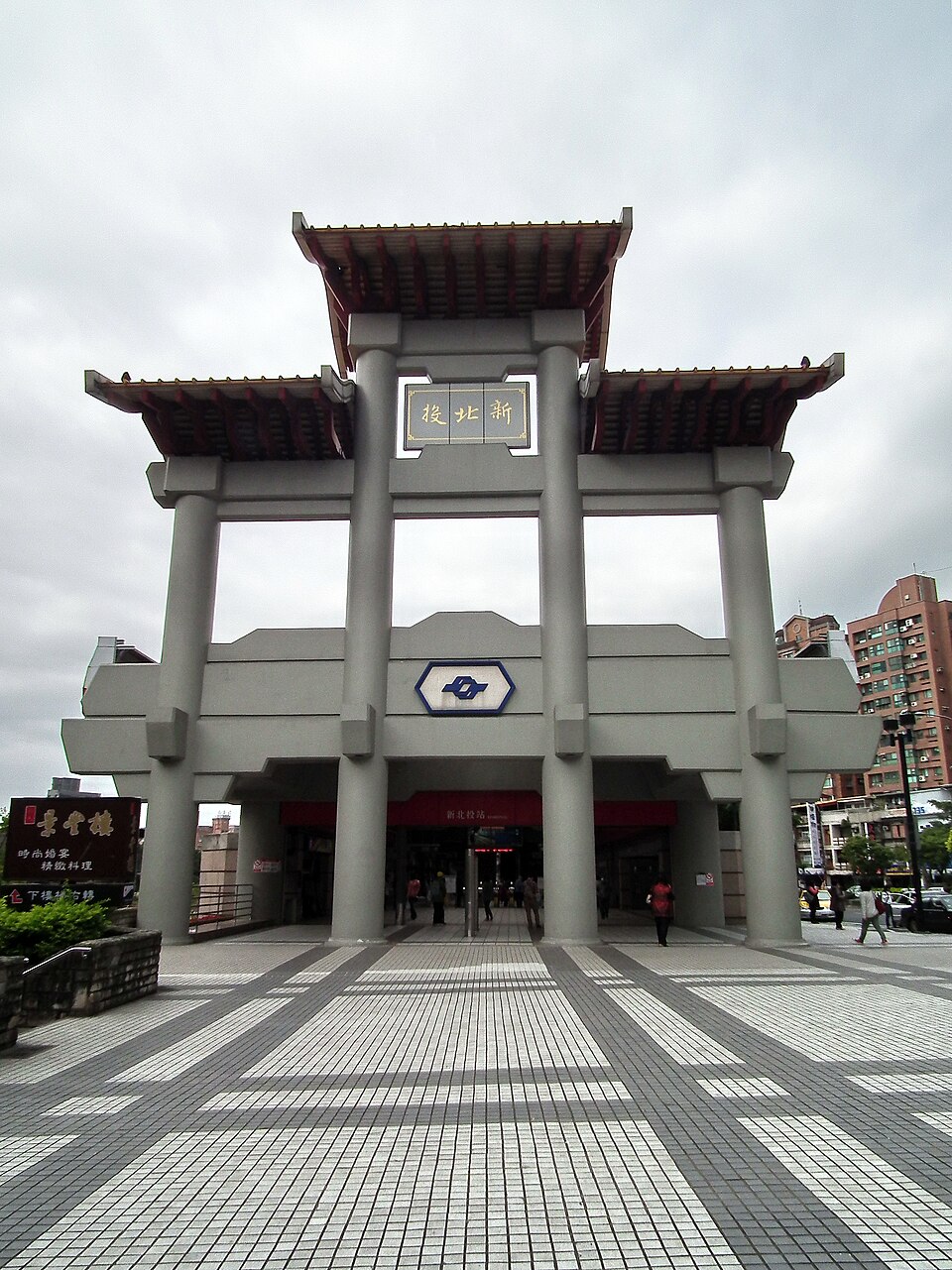
Xinbeitou MRT / park entrance
Outside Xinbeitou MRT, walk towards Beitou Park and notice how the streets meet the stream and shade. The MRT makes this hot-spring neighbourhood accessible for a city walk; the park’s buildings reflect different periods of public life. Water connects the volcanic landscape and hot springs uphill with baths, the park and neighbourhood below. Near the entrance, identify the stream, footpaths and roads, then look back to remember the direction of the MRT. This also prepares you for the return journey. Follow public paths towards the library and notice how trees separate traffic from places to rest. This four-stop itinerary is an urban cultural walk. Allow additional time for any mountain hike or bathing visit.
Find the park entrance and confirm the direction back to Xinbeitou MRT.
Travel reminder: this is the start; Beitou Library is next. Check this page’s transport information before setting out. Allow separate time for travel.
Beitou Library
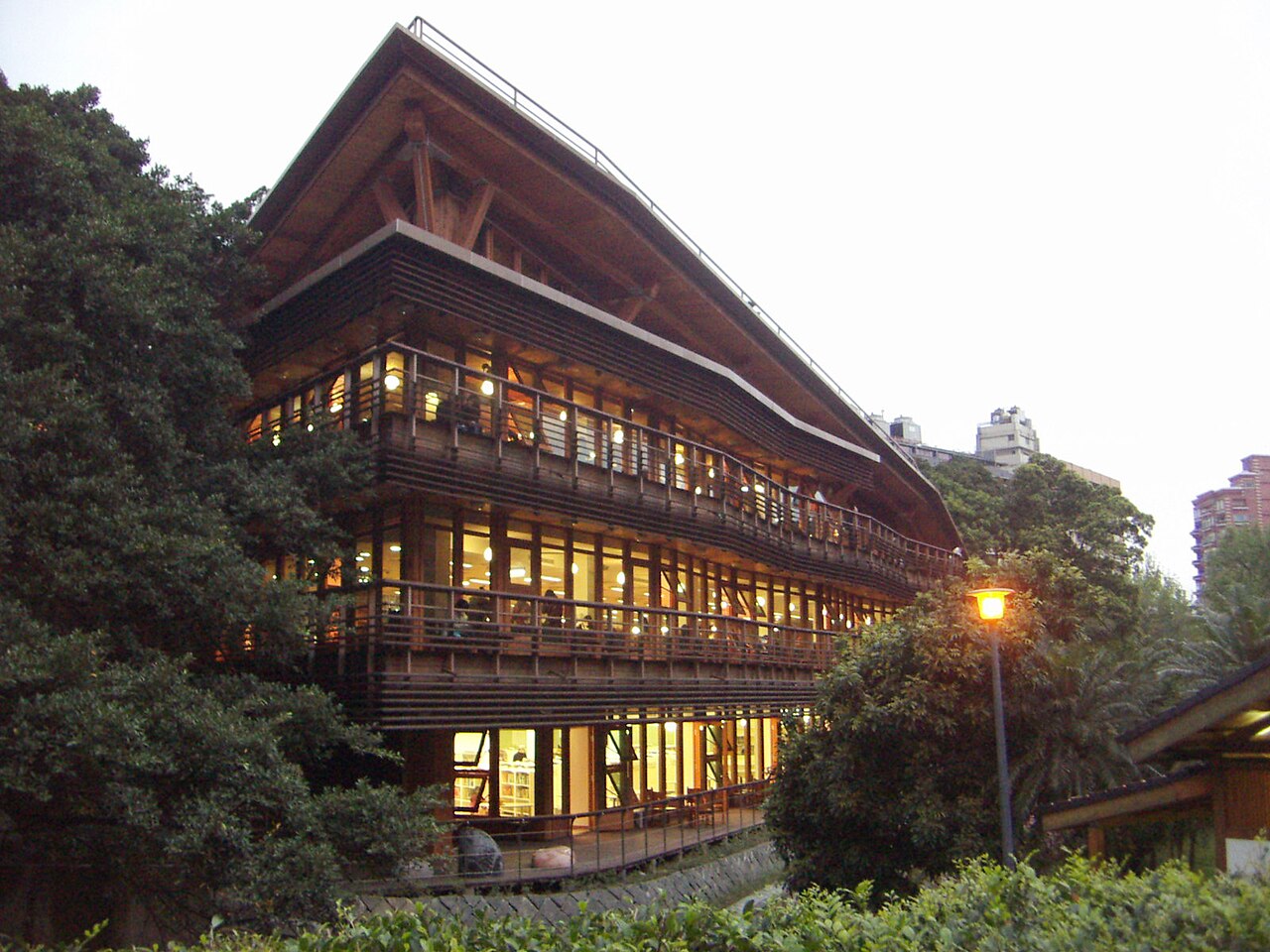
Behind Beitou Library’s timber appearance was a building problem. Its architects record that the former community library required replacement because of salt-contaminated concrete. The new design had to respond to trees and a stream already in the park. A row of large banyans on the eastern side became part of the design rather than simply an obstruction. A tall timber-and-glass wall and a void spanning three levels allowed views towards the trees, whose crowns also shaded the eastern opening. From public paths, compare trees with windows, then notice how deep balconies and timber screens intercept direct sunlight. These are design measures, not a measurement of current energy savings. Compare them with the former bath’s brickwork, arches and rest hall: two public buildings respond to reading and bathing in different ways. Follow current admission notices, keep your voice low and do not photograph people reading. Roofs and service areas are not unrestricted visitor spaces. Continue to the Hot Spring Museum along public park paths without crossing planted or closed areas.
From public paths, compare banyans, windows, timber screens and deep balconies with the former bath’s brick walls and arches. Read the design choices without entering service areas.
Travel reminder: you have come from Xinbeitou MRT and the park entrance; Beitou Hot Spring Museum is next. Check this page’s transport information and allow additional time for travel and waiting.
Beitou Hot Spring Museum
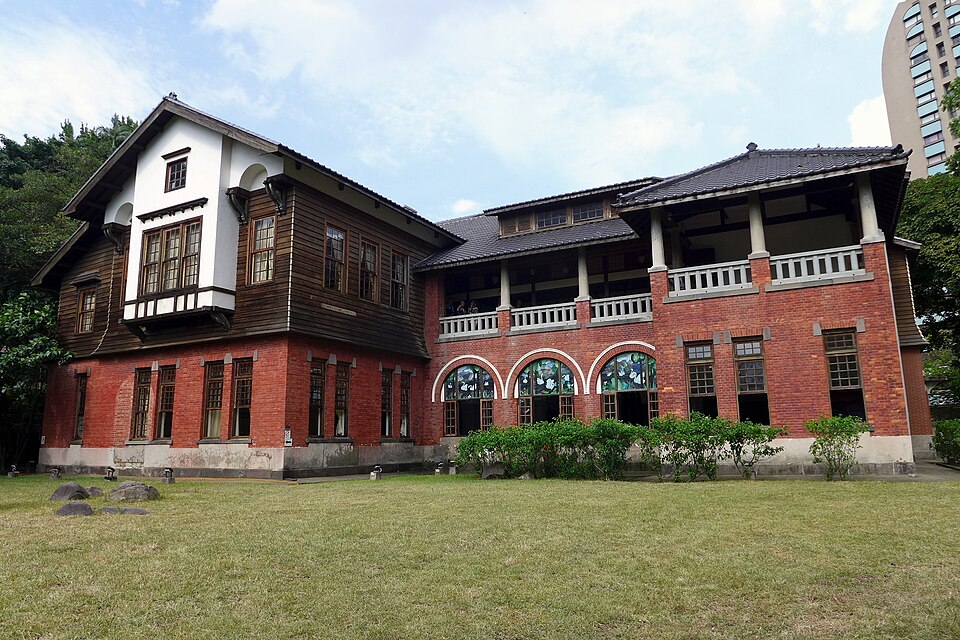
Beitou’s public bath of 1913 brought bathing, resting and gathering into one building. Inside today’s museum, the downstairs pool and upstairs tatami hall still reveal those uses. Look at the arches, coloured glass and walls around the pool, then go upstairs to experience the timber space and daylight. Moving between floors takes you through different settings of former daily life. The bath drew on the experience of Izusan in Atami. Later, preservation efforts by local teachers, students and residents brought it back into public life as a museum. Keeping the building also preserved a way to understand how Beitou used its hot springs. After your visit, follow public roads uphill towards Thermal Valley. Check venue notices and closing times when deciding how long to stay.
Look at the arches and coloured glass, then visit the rest hall.
Travel reminder: you have come from Beitou Library; Thermal Valley is next. Stop somewhere safe when checking the map, and watch your footing.
Thermal Valley
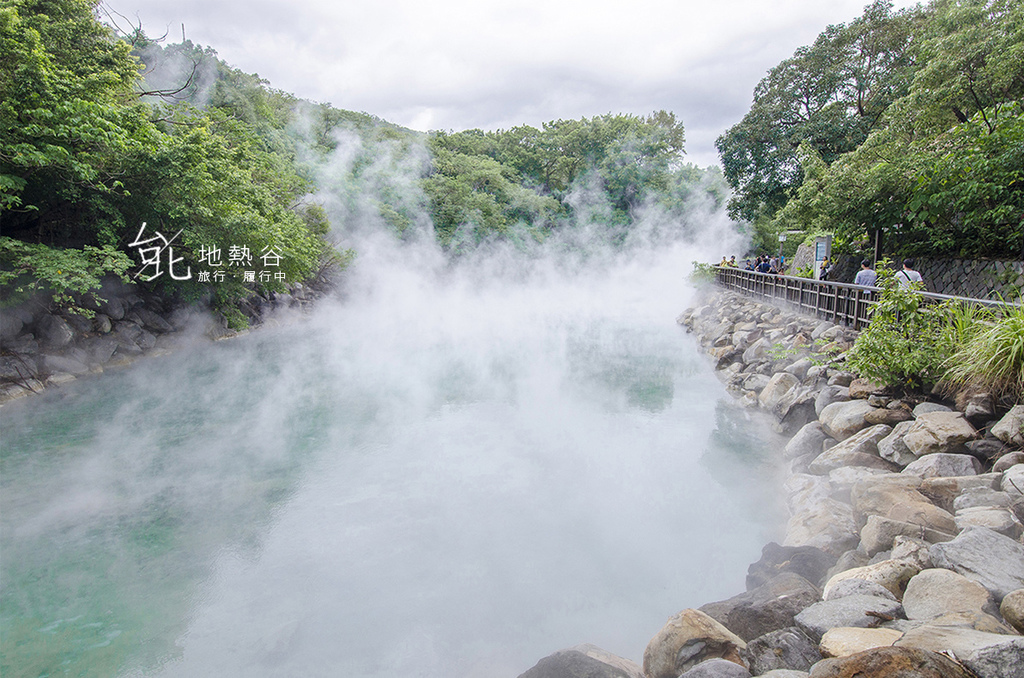
Near Thermal Valley, steam brings the hot-spring story back beneath the ground. The earlier stops show how people used water; here the volcanic landscape provides the heat and water itself. From the viewing path, look at the valley, rock faces and water, and notice how steam changes visibility nearby. Stay on the viewing route: do not enter the water, cross barriers or test its temperature with your hand. The park and bath connect hot springs with local life; the valley shows the natural conditions behind them. This is the final stop of the four-stop cultural walk. Return along public roads towards Xinbeitou MRT. Check your direction first, and follow on-site notices and open routes if rain or temporary restrictions affect access.
Use the viewing path. Thermal Valley is a place to observe geothermal scenery, not to bathe.
Travel reminder: this is the last stop. Use this page’s start and return information to head towards Xinbeitou MRT; allow additional time for transfers and waiting.
Getting there and back
Take the MRT to Beitou and transfer to Xinbeitou. Leave Xinbeitou station towards Beitou Park; the station frontage is the meeting point. Follow public park paths to the library and Hot Spring Museum, then public streets uphill to Thermal Valley. Return to Xinbeitou MRT by public streets. MRT travel and waiting are extra.
Allow 2–3 hours including visits and the walk back. Museum: Tue–Sun 10:00–18:00, last entry 17:45; normally closed Monday. Thermal Valley: 09:00–17:00, extended to 18:00 from May 15 to September 14. It closes on Lunar New Year’s Eve, Lunar New Year’s Day and Mondays, except a Monday that is a government-calendar holiday. Check venue notices for exceptions or works. Bring water and shoes with grip; do not touch the valley water.
The bathhouse a school helped save
In 1994, teachers and pupils from Beitou Elementary School encountered the abandoned public bathhouse during local fieldwork. Teachers, children, parents, community researchers and residents took part in a campaign for its preservation. Restored as a hot-spring museum in 1998, the disused building returned to public life.
A school account published for the museum’s 2018 anniversary returned to the teachers and pupils involved. Teacher Cai Limei reflected on the students’ civic action; Huang Guiguan described the community museum as a starting point for understanding Beitou’s living environment. Saving the bathhouse also gave local children a continuing place to learn about their neighbourhood.
The bathhouse dates to 1913. Its institutional history records a reference to bathing arrangements at Izusan in Atami, Shizuoka. The large men’s pool and separate bathing rooms reveal differentiated use within a public facility. Izusan helps explain one design connection; Beitou’s residents and school community explain how the building survived.
Follow the museum’s current visitor route and compare the pool, resting spaces and exhibition uses. This is no longer a functioning public bathhouse. Bathing, abandonment and community preservation belong to different layers of the same building—a place where a city learned to care for its everyday memory.
Thermal Valley: a viewing park at a hot-spring source
Place
No. 30-10, Zhongshan Road, Beitou District, Taipei, in the depression between Zhongshan Road and Wenquan Road. This is the Thermal Valley landscape park.
Opening and seasonal closing time
Normally Tuesday–Sunday 09:00–17:00. From May 15 to September 14, closing extends to 18:00. In late October, plan around the 17:00 closing time. Admission is free.
Closed days
Closed on Mondays, Lunar New Year’s Eve and Lunar New Year’s Day. If a Monday is a government-calendar holiday, the park remains open. Works or other notices can suspend access.
Arrival and return
The water department gives about fifteen minutes on foot from Xinbeitou MRT via the park’s left side. This station approach is separate from the full four-stop Beitou guide; return to Xinbeitou after the valley.
What the steam shows
Use the viewing path to read one of Beitou’s hot-spring sources. The water department describes hot mineral water and a rebuilt lakeside path; the valley provides a landscape counterpart to the former public bath seen earlier in the guide.
Viewing is separate from bathing
The valley is not a foot-soaking or bathing stop. Stay on the viewing path. The water department also says the water is unsuitable for drinking or cooking eggs; historic egg-cooking accounts are not a present-day activity.
Visiting information checked: 2026-10-28; not a live status report.