
Cultural story · Food and local life
Zhuzihu Calla Lily Season: the work behind a white valley
Follow the flowers from seasonal growth to the choices made by the people who tend them.
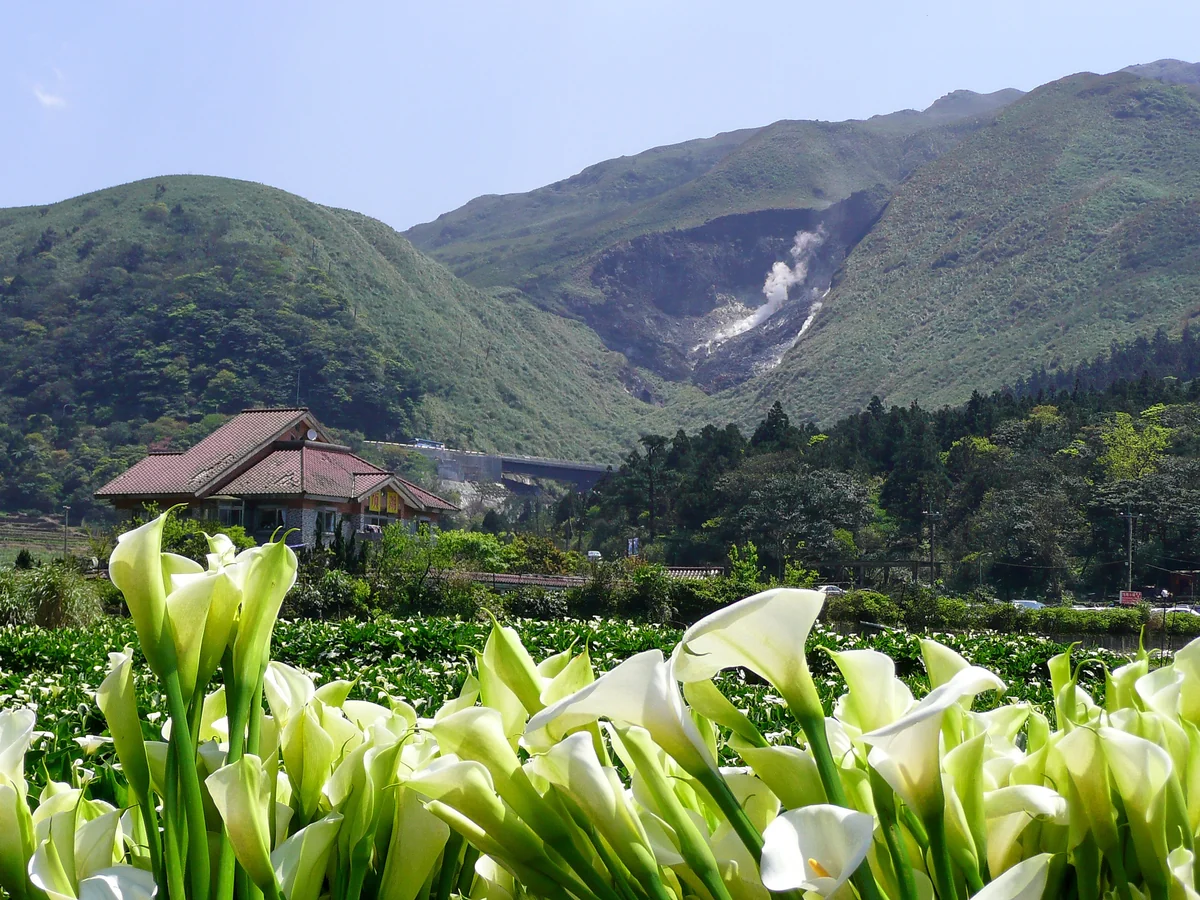
Seasonal rhythm: flowers are most abundant in March and April; event dates are announced annually.
The 2026 programme ran from 13 March to 26 April and has ended.
A closer look at the white flower
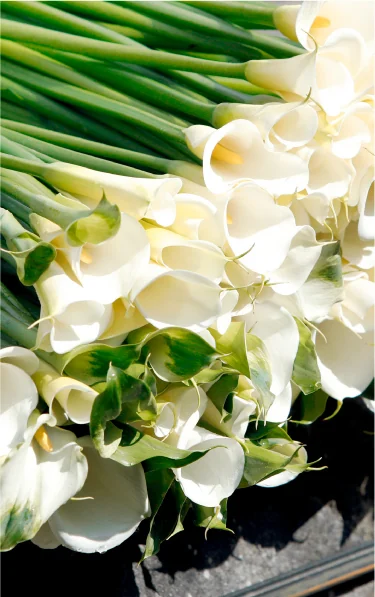
The white shape that first catches the eye in a calla field is a spathe, wrapping around a yellow flower-bearing spike. Looking closely changes the scene: a valley of white becomes a collection of plants at different stages of growth. That difference matters to the grower deciding what to tend, what to pick and what to leave for another day.
Zhuzihu’s calla season follows plant growth. March and April are the main flowering months, and the public programme is scheduled afresh each year. The 2026 season ran from 13 March to 26 April. Choosing a visit therefore begins with both a season and a farm: the calendar brings people uphill, while each field provides the flowers and activities they actually encounter.
The valley has changed its crops before
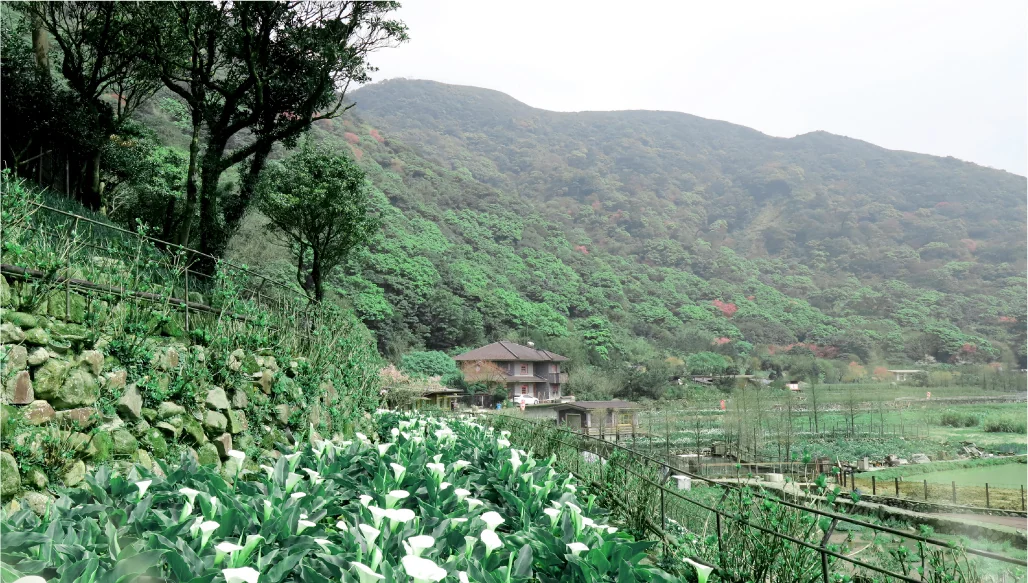
In 1923, Zhuzihu became a seed-rice production site. The seed office completed in 1928 supported the handling and distribution of rice seed. Later, farming shifted towards cool-climate vegetables and flowers. Calla fields belong to this longer history of growers adapting what they produce to the conditions and opportunities around them.
Flower tourism adds another kind of work to cultivation. A field receives visitors as well as producing a crop, so paths, picking arrangements and time spent explaining the plants become part of the visit. Follow the farm’s route through the field and notice how a working plot also makes room for people to stop, look and ask questions.
The park’s cultivation account describes Lu keeping the paddy flooded where farm operations allowed, with water generally above ten centimetres, and managing vegetation less intensively between beds outside the flower season. Water and some cover provide habitat for amphibians and water snakes. The field therefore continues to matter when its display is over. These are practices recorded for this farmer, not a universal water-level prescription or a promise that visitors will encounter particular animals.
A grower’s choice reaches beyond the flower
At Caifu Calla Lily Farm, grower Lu Chih-ming faced a practical concern when changing cultivation methods: visitors came for attractive flowers, and his family’s reputation rested on growing them well. Moving towards wildlife-friendly cultivation meant working through that pressure as well as changing practices in the field. The choice linked the appearance of a flower with the condition of the land supporting it.
A visit can hold both kinds of attention. Enjoy the flowers, then ask the host how that particular plot is cultivated and which flowers can be picked. Look at the channels, paths and planted areas before leaving. What goes home with you may be a small bunch of calla lilies; the field remains a place where the next season is already being prepared.
Golden apple snails made that choice laborious. The account says Lu declined tea-seed meal because of its wider effects on aquatic life, while keeping ducks was considered too demanding. He returned to manual removal and made a long-handled tool by joining a straining ladle to a wooden pole, reducing the need to bend over at the bank. The tool gives ‘friendly farming’ a visible shape: protecting other life could require a different implement and repeated labour.
For a visitor, the useful question is what the farmer is managing now, not whether a field looks perfectly tidy. Ask which edges and water channels are part of the working habitat, then stay on the host’s visitor route. Do not pick plants, remove snails or enter the water as an unsolicited attempt to help; understanding the decision does not give access to carry out the work.
Look closer
Look closely at the white spathe and yellow spike; compare flower stages along the permitted path. Ask the host about cultivation and picking in that field.
Visiting information
- Dates
- 2026: 13 March–26 April, concluded. Next edition: awaiting announcement.
- Participation
- Choose a farm before travelling and confirm admission, picking, footwear and any reservation.
- Transport
- Check the service to your chosen farm and the return stop before travelling. Seasonal shuttle information follows the announced edition.
- Nearby heritage
- Restoration of the Zhuzihu historical cultural park was announced in September 2026; check the park’s access arrangements when planning a combined visit.