
Cultural story
Yingge ceramics: the work inside an everyday bowl
From repeated patterns to moulds and kilns, follow the objects that made a ceramic town.
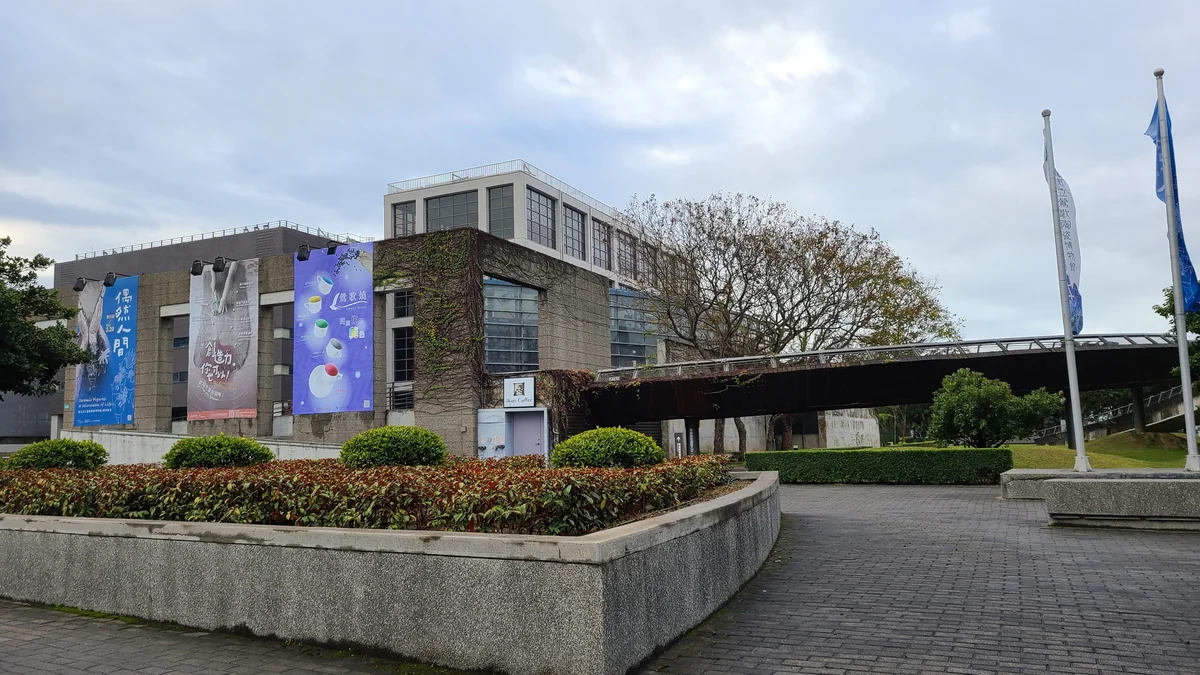
Follow three clues: a pattern, a making tool and a firing structure.
Start with ceramic displays, then compare the objects offered in shops and studios.
A repeated flower begins with a tool
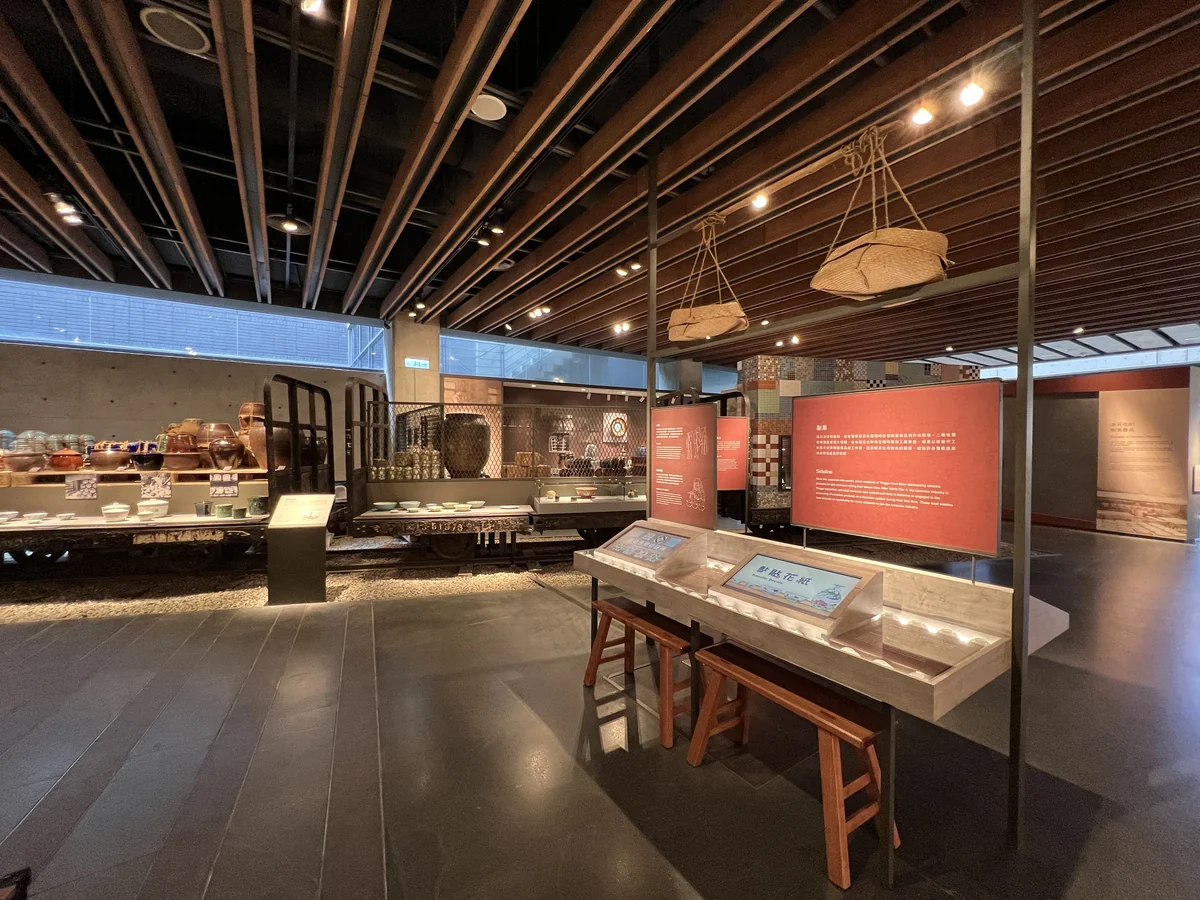
Turn your attention from a bowl’s decoration to the work that produced it. In the record of Yingge Ceramics Museum’s 2016 exhibition 硘味鶯歌城, an aluminium stencil reveals one answer: cut-out shapes guided sprayed glaze onto bowls. A repeated pattern was also a practical workshop problem—how to give many objects a recognisable decoration through a repeatable process.
Seen this way, an everyday bowl links design with production. The finished surface draws the eye, while the tool tells us about repetition and the work of making a series. Paying attention to both lets an ordinary household object carry more of the town’s history than its decoration alone.
Ceramics can help make other things
The same historical exhibition documented ceramic dipping moulds for making gloves and toys. Here, a ceramic object took part in producing another product. That changes the question a visitor brings to a display: alongside “What is it made of?”, ask “What work did it do?” A form that looks unusual may become understandable when its use is explained.
Making methods also coexist in present-day studios. Yingge’s Ruichen studio, for example, describes production through wheel throwing, turning and mould casting, alongside commissions and individual work. These choices suggest different questions for a maker: which part was formed by hand, which required a mould, and how was the surface developed? A conversation about process gives a purchase or studio visit something specific to build on.
Finishing the shape does not finish the object. A ceramics teaching text separates thorough drying, an optional biscuit firing that makes glazing easier, and the later glaze firing; decoration over the fired glaze can require another, lower-temperature firing. These stages explain why a short making class often ends with leaving the piece behind. Before booking, ask which surface treatment is included and how firing and collection will be handled.
Follow the process back into the town
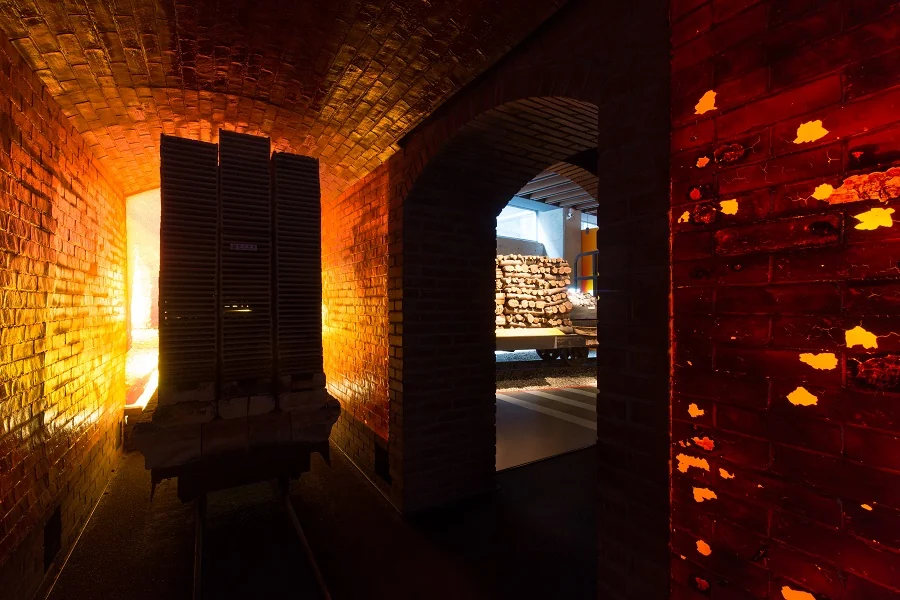
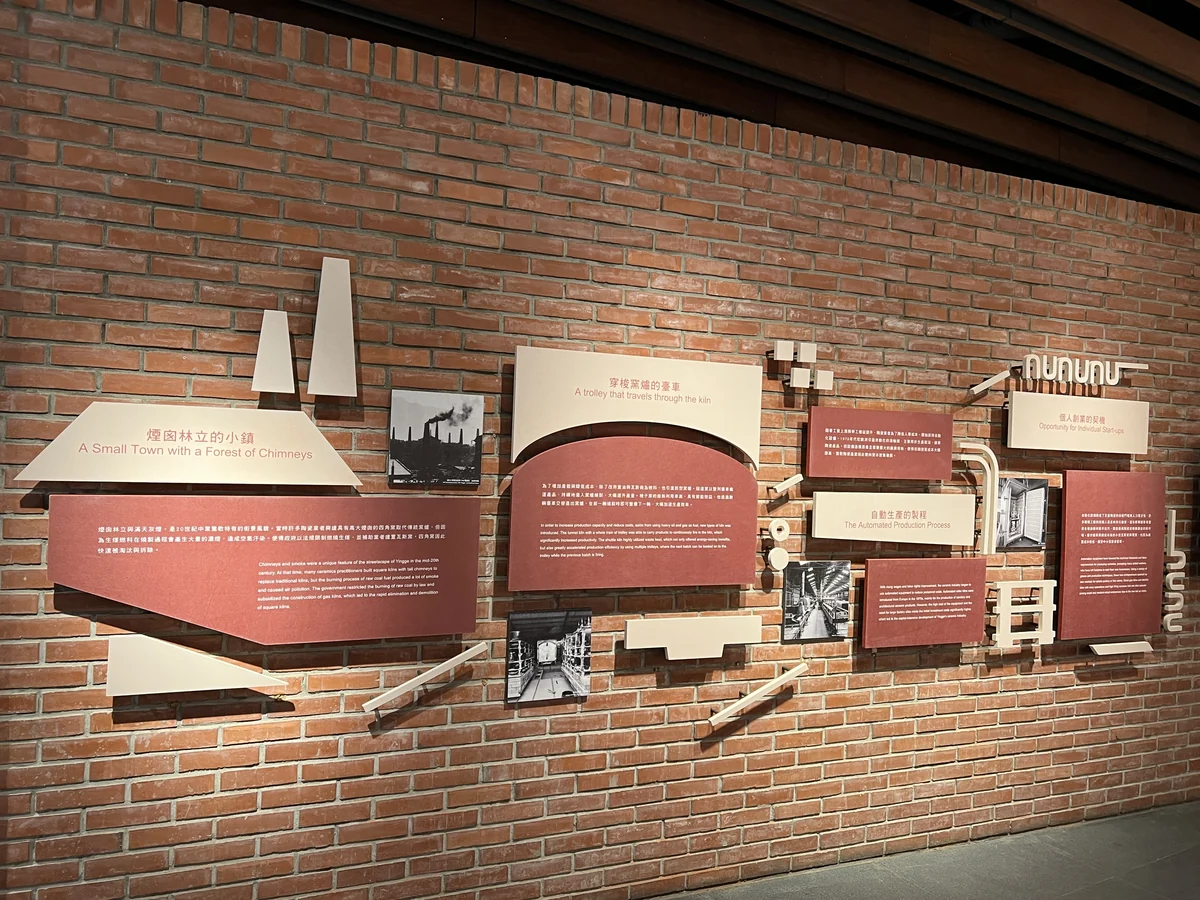
The museum’s permanent displays connect the history of ceramics with Yingge’s development and industrial applications. A useful way through them is to keep one question in mind as you move between objects: what changed between the material, the formed object and its use? Tools and process displays help connect the steps that a finished vessel tends to hide.
Visitors have long moved between the museum and the old street, encountering ceramics as exhibition, merchandise and hands-on activity. Give each encounter its own time. Compare two objects, ask one careful question, and look again at the first bowl that caught your attention. Its shape and decoration now sit within a larger story of people organising work around clay.
The street keeps traces of different firing systems. Jianshanpu Road’s square chimney belongs to the coal-fired square-kiln period. The district office separately describes the snake kiln on Wenhua Road: its long firing chamber has been lost, leaving the chimney. The two remains should not be treated as interchangeable towers or complete working kilns. Looking at what survives, as well as what is missing, gives the industrial history a physical scale.
The older snake-kiln description locates a viewing opening and fuel-feeding opening at the head, with an air opening below and an undivided chamber for the unfired ware behind. That arrangement gives the term kiln more content than a picturesque chimney. Read the old street’s remains alongside museum process displays, while keeping historical construction separate from a claim that the original kiln can still be entered or watched firing today.
Look closer
Compare a vessel’s shape, decoration and base. At displays or open studios, ask about forming, decorating and firing. Follow the explanation back to the finished object.
Visiting information
- Where to begin
- Yingge Ceramics Museum, 200 Wenhua Road, Yingge, New Taipei City; continue to shops or a booked studio visit.
- Visit planning
- Check the museum calendar and ticket information for your date. Reserve making sessions with the studio and ask about the making, firing and collection schedule.
- Looking and photographing
- Follow display and studio photography instructions; ask staff before handling pieces.