
Cultural story · Craft and making
Yingge Ceramic Carnival: the work that continues after the street party
A painted cup, a clay wall plate and a kiln’s timetable lead from a weekend festival into the working life of a pottery town.
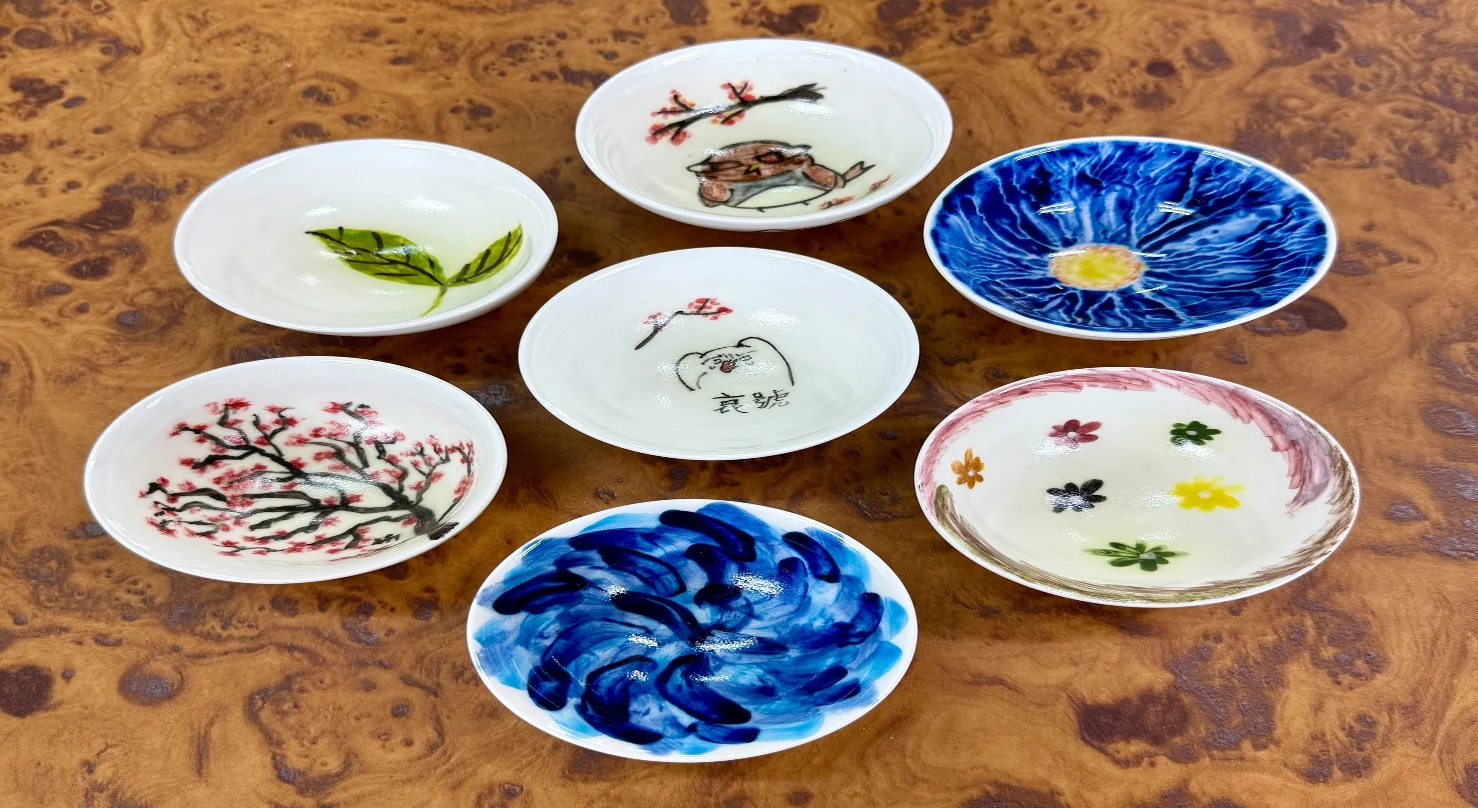
The announced 2026 carnival workshops were scheduled for 17–18 October around Jianshanpu Road and Chongqing Street; those dates are now past.
Painting, hand-building, carving and decals offer different ways to understand pottery; confirm the process and current session with a studio before booking.
Firing and collection take place after the class; the timetable differs by workshop.
When clay becomes something to play with
In 2002, Liu Te-shao designed ceramic play activities for Yingge’s carnival. Their names included a museum adventure, a clay-ball challenge and a marble game. That choice matters: a material usually encountered as a finished bowl or vase became a reason for children to move, try and participate. The festival gave pottery another public language, alongside the shop window and the museum label.
That invitation remains visible in more recent editions. Writing after the 2024 carnival, local ceramic retailer Yinggo described a pottery market, children’s clay creations and a wheel-throwing session led by A-Nan. Its account follows the people making things as well as the things for sale. A weekend visitor can use the same thread: give one workshop enough time, then return to the shops with a better sense of what a hand-shaped object requires.
Shu Shih-kang’s own museum-journal account provides a way to look below the shop floor. He describes four reinforced-glass panels revealing roughly three-metre-deep tanks once used for slurry, water, recycling and settling. The converted family factory did not begin as a visitor classroom. Keeping parts of its production space visible allows a present-day workshop to explain not only how a cup is made, but how a factory handled material before shaping it.
The lesson ends before the pottery is finished

The published 2026 programme presented several different encounters with that work: underglaze cup painting at Shangliu, a wall plate built from flattened clay and joined forms at Feng Pottery, carving on celadon clay at Anda Kiln, and floral or letter decals on tableware at Hsin Wang. Those advertised workshop dates are now past. The programme remains a useful comparison of different stages of ceramic production, rather than four versions of wheel throwing.
The difference continues after participants leave. The announced firing period is about two weeks for painting and decals, two months for the wall plate, and 20–60 working days for the celadon activity. A booking therefore includes a second appointment with the object: collection or delivery. Leaving a name and confirming how the finished work will come home makes the workshop part of an ongoing relationship with a working studio.
The same account describes the family's post-war move into bowls and plates, using jiggering machinery, profile tools and plaster moulds for larger quantities. Glazes produced familiar household wares, including two-tone yinyang bowls. This process differs from the visitor’s one-off wheel-throwing session. Comparing them does not rank one as more authentic; it shows how tool choice and repetition change when a workshop needs many similar objects rather than a single personal piece.
A weekend selected by the town, not a fixed holiday
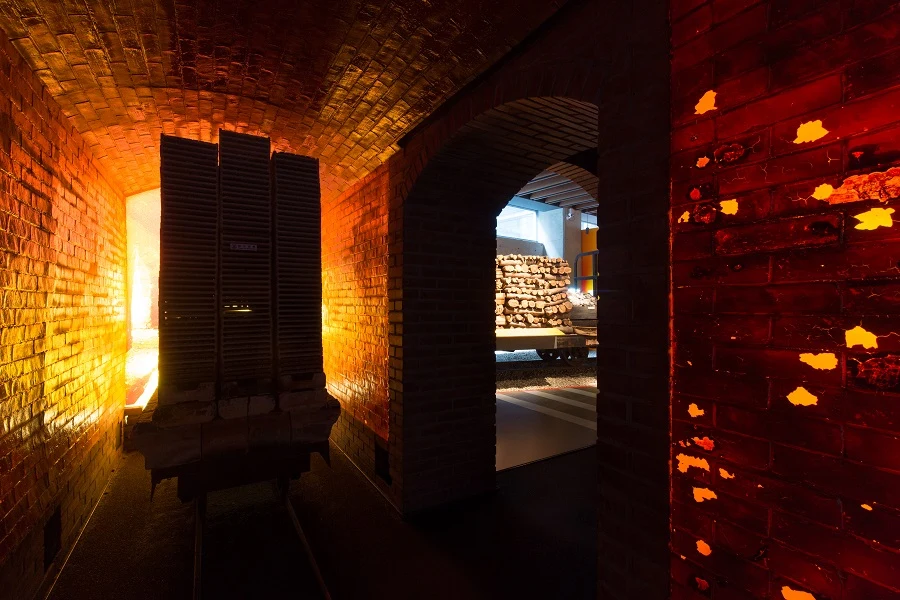
The carnival does not have a fixed lunar date. Municipal records place the 2022 edition in December, followed by October weekends in 2023, 2024 and 2025. In 2024, it also worked with the Taiwan Ceramics Open House programme, connecting the festival with producers opening their workplaces. The annual announcement, rather than an assumed permanent weekend, is the useful starting point for a visit.
The published 2026 programme placed several workshops on Jianshanpu Road and the wall-plate class on the second floor of a studio on Chongqing Street. Those addresses and floors belonged to that programme. For a future studio visit, confirm the teaching place and session first, then allow time for a meal, shops and the walk back to the station. The useful souvenir is both a ceramic object and a clearer understanding of the labour behind an ordinary meal.
Look closer
Compare the shaping process with the decorative process; ask which stage your class begins at.
Look at a cup’s foot and rim after class, then compare them with the work you made.
Visiting information
- 2026 dates
- 17–18 October 2026; these advertised carnival dates are now past. Workshop times and places differed in the programme. A later visit or course requires a separate arrangement with the studio.
- Date rule
- An organiser-selected weekend, usually in autumn in recent editions; not a fixed lunar festival.
- Booking and collection
- The advertised 2026 carnival workshop dates are now past. For a separate studio session, confirm the date, process, firing, collection and delivery arrangements before booking.
- Travel and return
- Use Yingge railway station and walk to the old street; save the booked studio address and the return train you intend to take.