
Cultural place
Yilan Traditional Arts: stop at the workbench
A maker’s choice of material opens a path from attractive objects to the work that sustains a craft.

Workshops and performances place living practitioners at the centre of the visit.
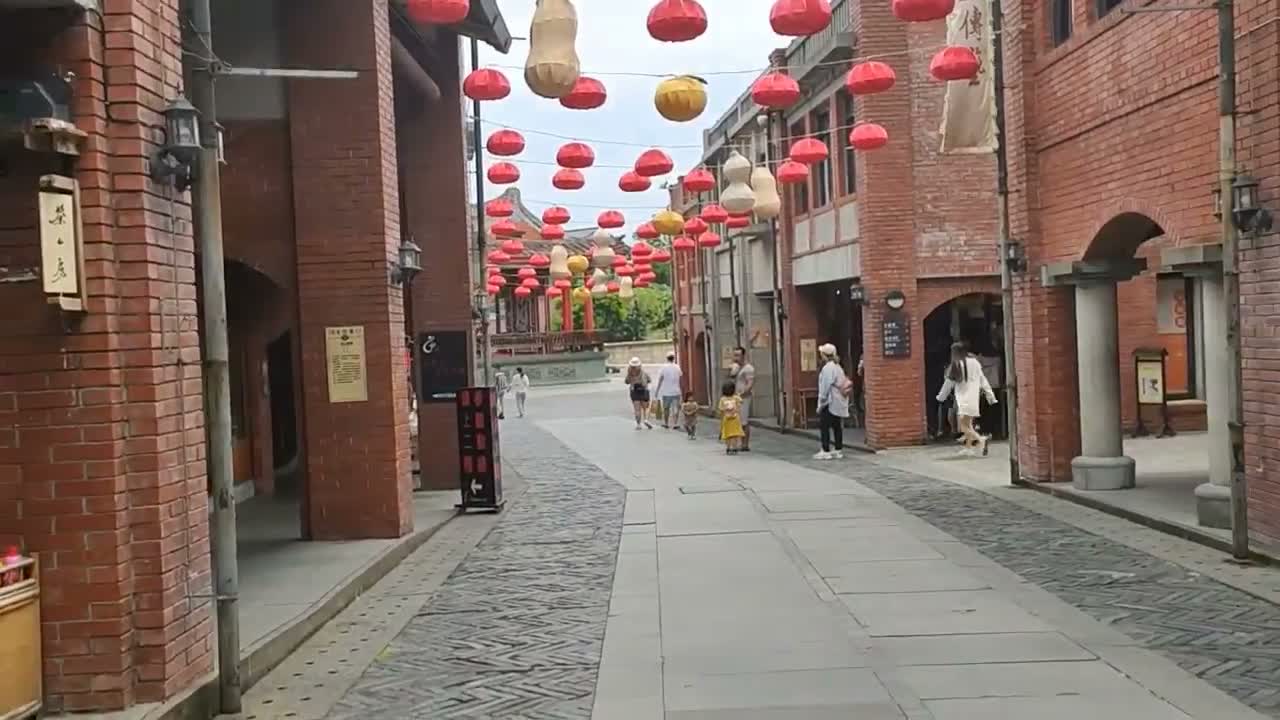
Finished objects become easier to read after seeing tools, materials and the time required to make them.
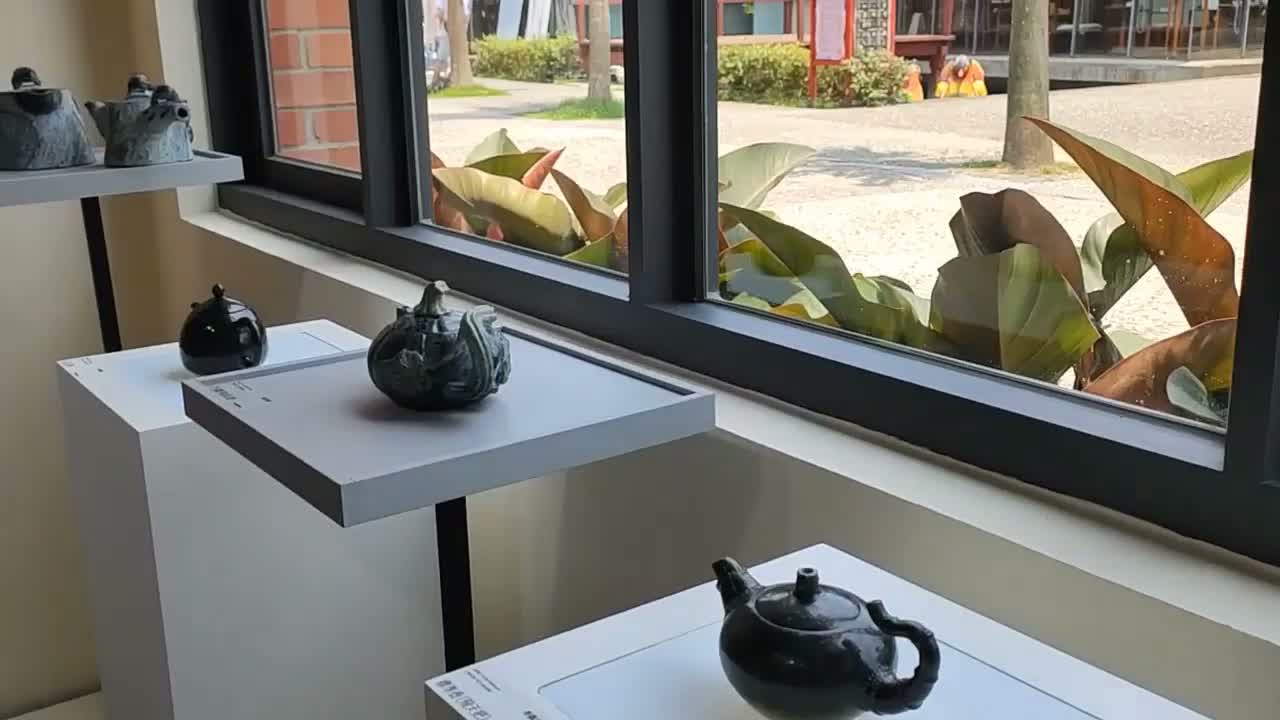
Begin with a question
Huang Nan-Chiang earned a master’s degree in Jewelry Design at Birmingham City University in 2014, later worked in Huang Fu-Shou’s jade-carving studio and completed the successor programme in 2025. The 2026 workshop roster lists him alongside Su Gen-De. This documented learning path offers a way into the workbench: ask how the shape of a piece of jade affects the work, and what must be prepared before the next step.
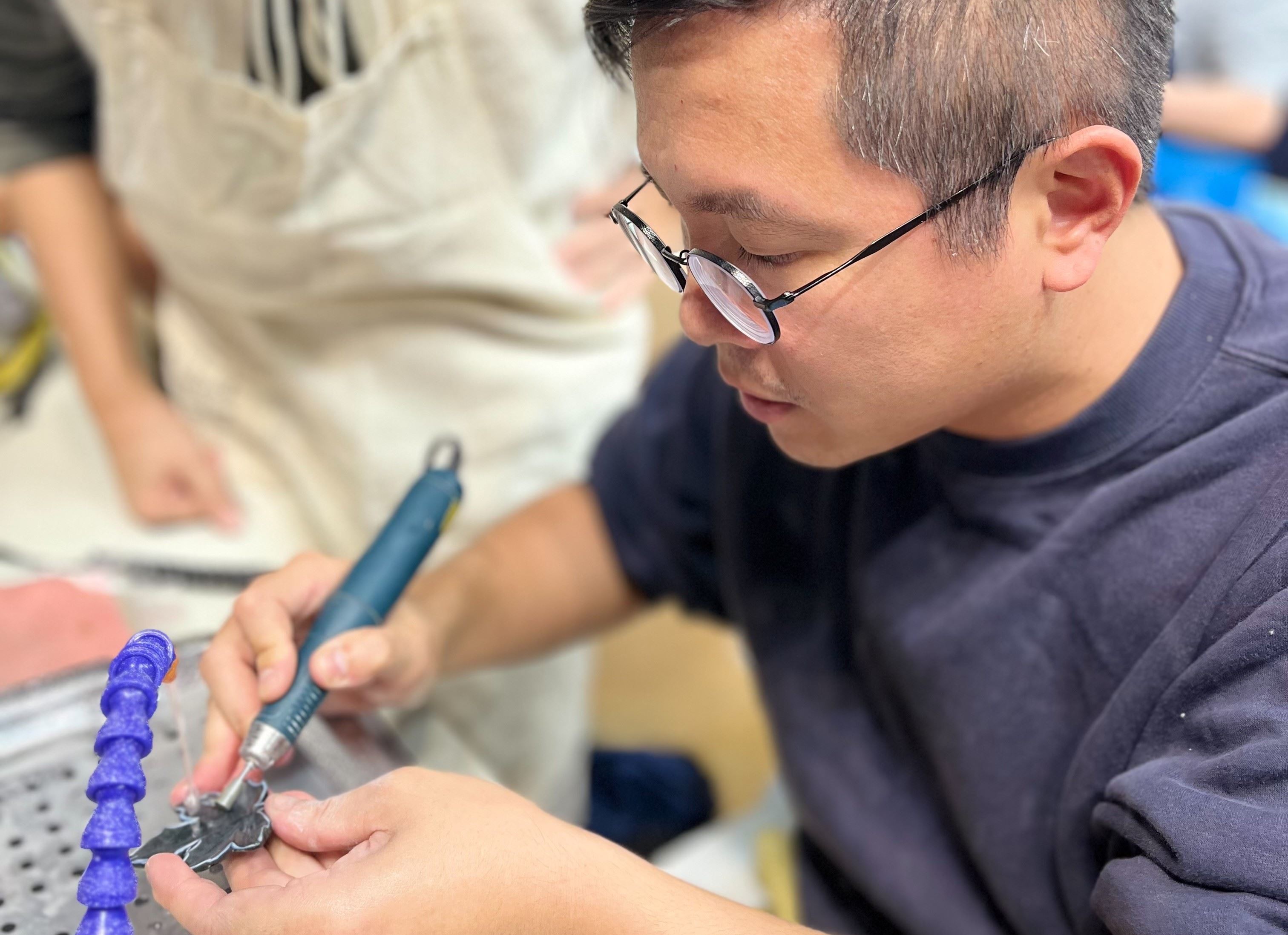
A finished work conceals the sequence of decisions that produced it. At a workbench, tools and materials make parts of that sequence visible. Follow a single step before asking about it: how is the material held, where is force applied, and what must happen before the next movement? An ordinary question can become a way of looking more carefully.
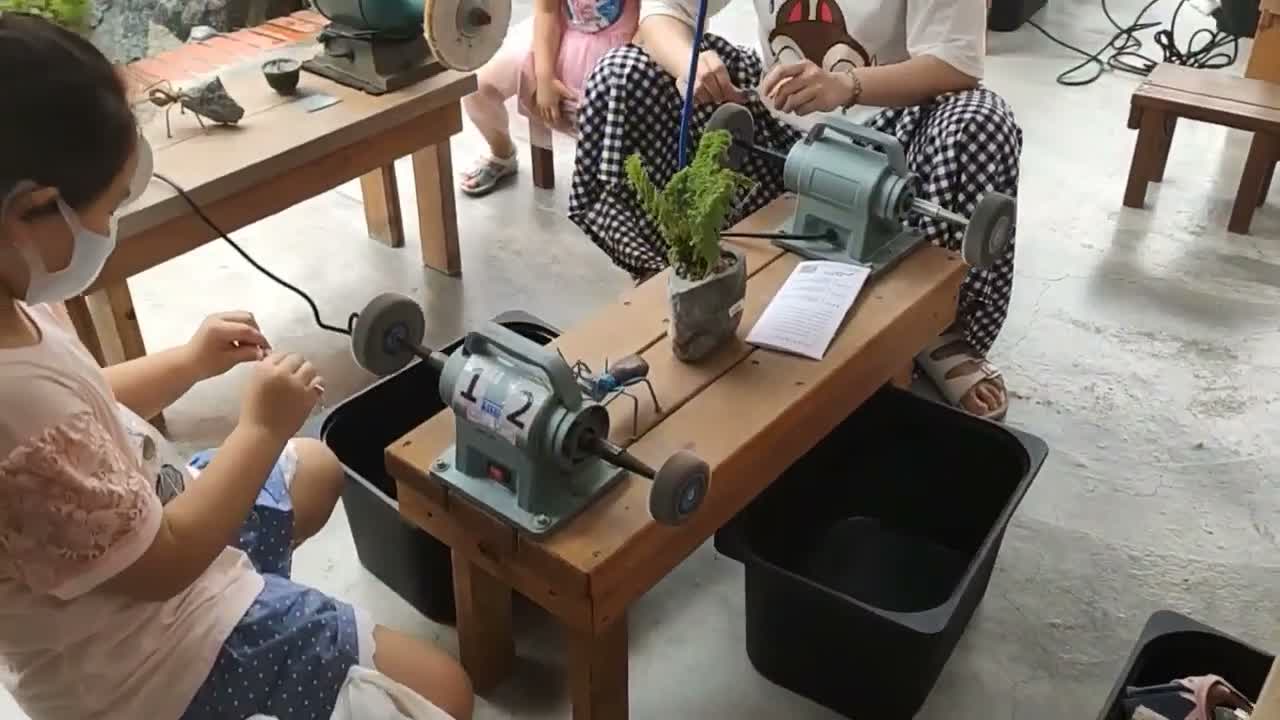
Training continues after graduation
Shih Shu-Ling passed the bamboo-weaving evaluation in 2015, later studied under Li Rong-Lie and completed the bamboo-body lacquer successor programme in 2024. She is also listed for the 2026 residency, where making and sharing continue after formal training. This craft begins with a woven bamboo body, followed by cloth, lacquer putty, sanding and lacquer application. Keeping that sequence in mind makes it easier to see how the woven body and its lacquer layers form one object.
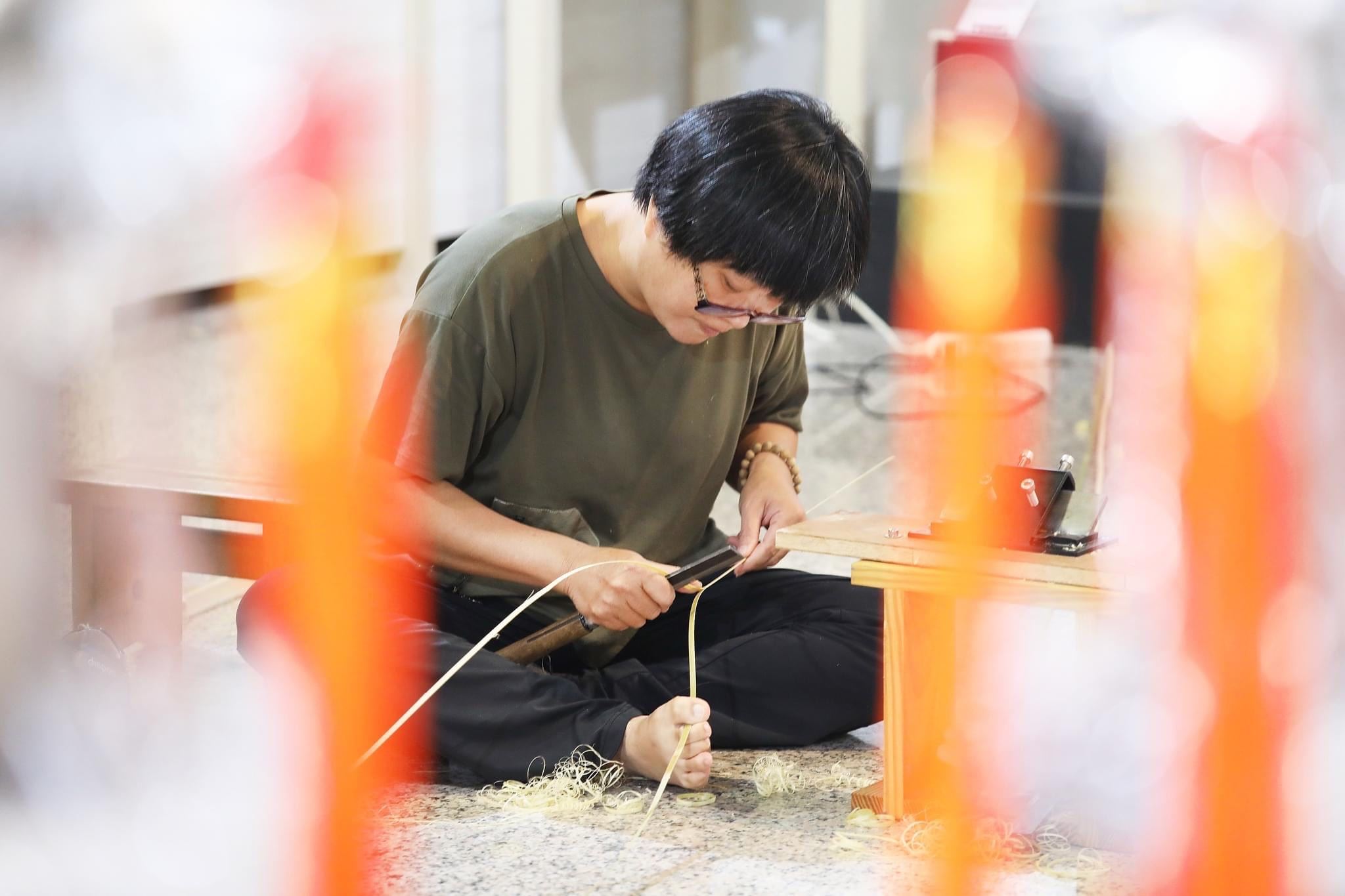
The residency offers a place between formal apprenticeship and independent practice. Work must continue, and its reasons must also become explainable to an audience. The park’s streets, workshops and exhibition rooms allow visitors to move between those stages: seeing an object for sale, watching a process and encountering a work presented for contemplation.
Objects return to everyday life
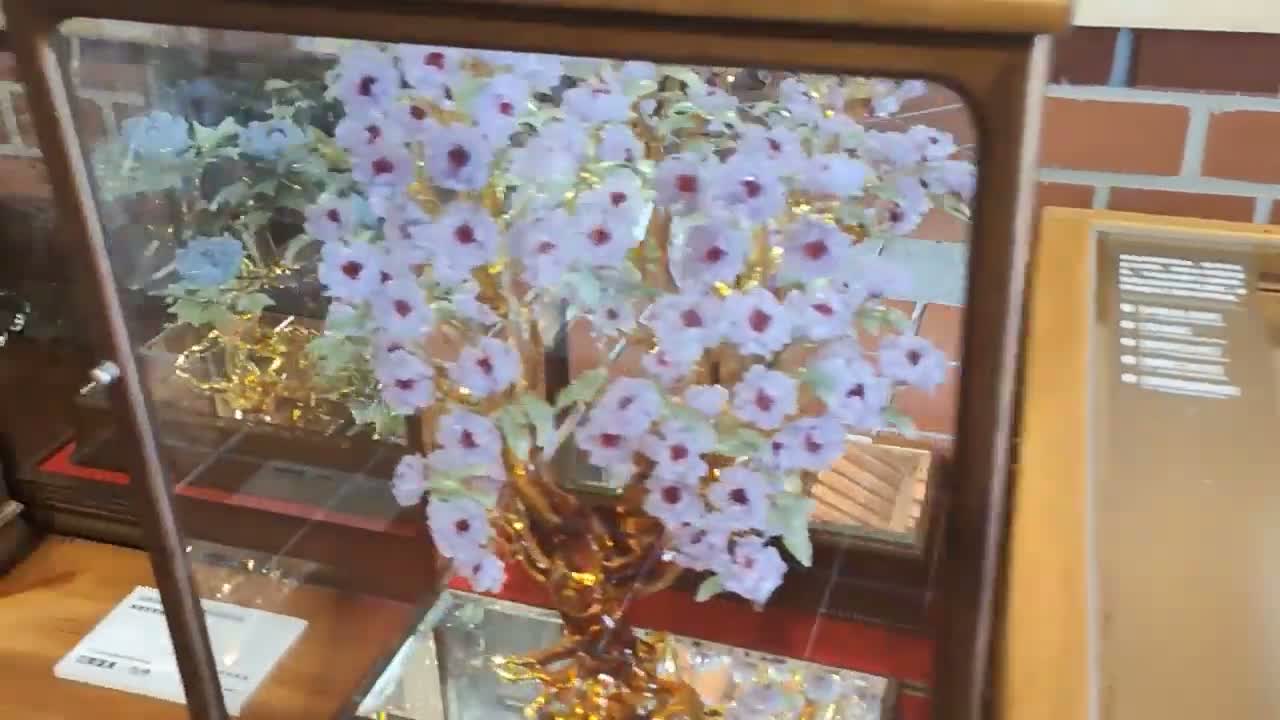
At a demonstration, follow a material through one step and ask why the maker chose that method. The 2026 programme lists rotating artists and activities; consult the day's schedule rather than expecting every craft at once. The rewarding encounter is with a particular person making a particular decision.
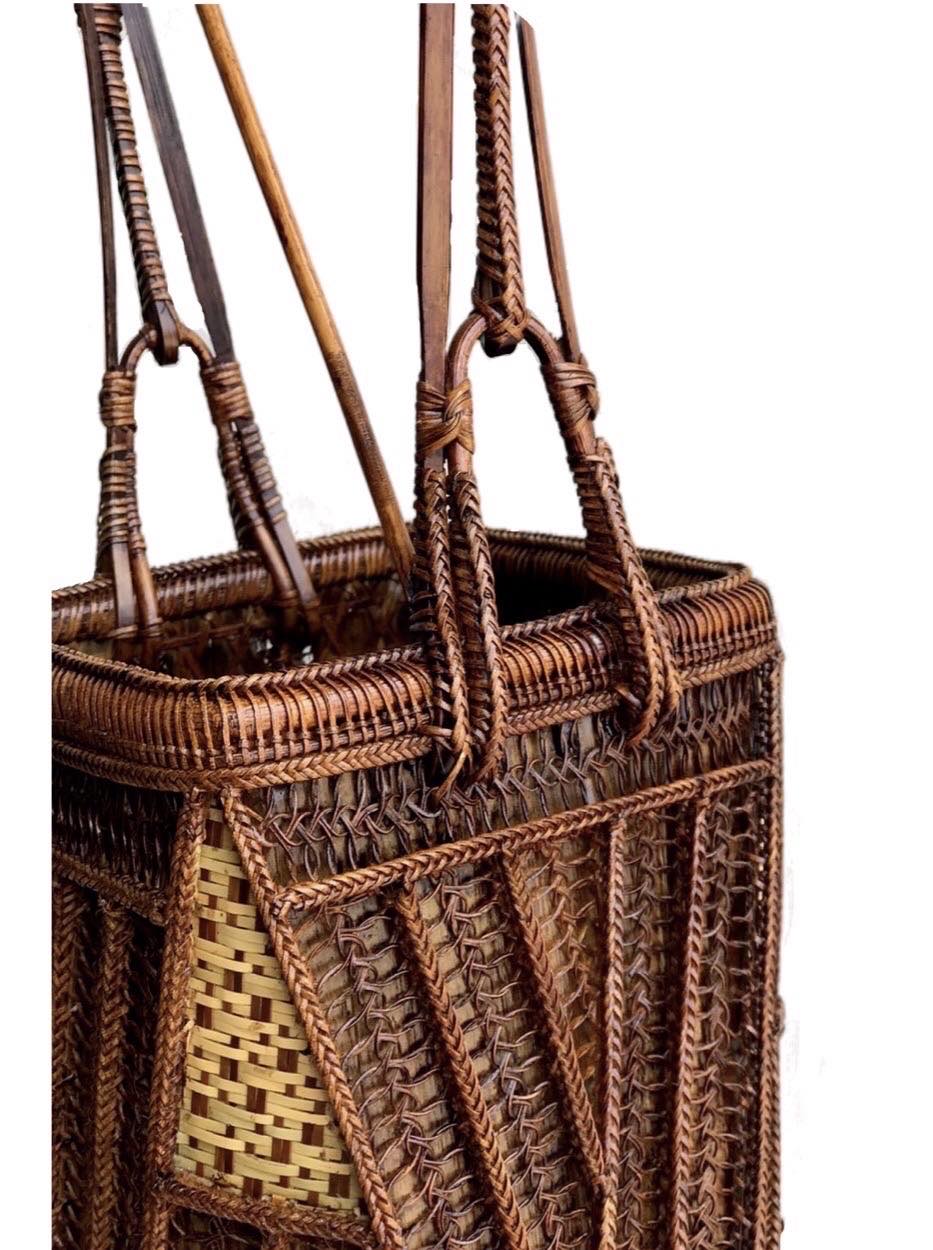
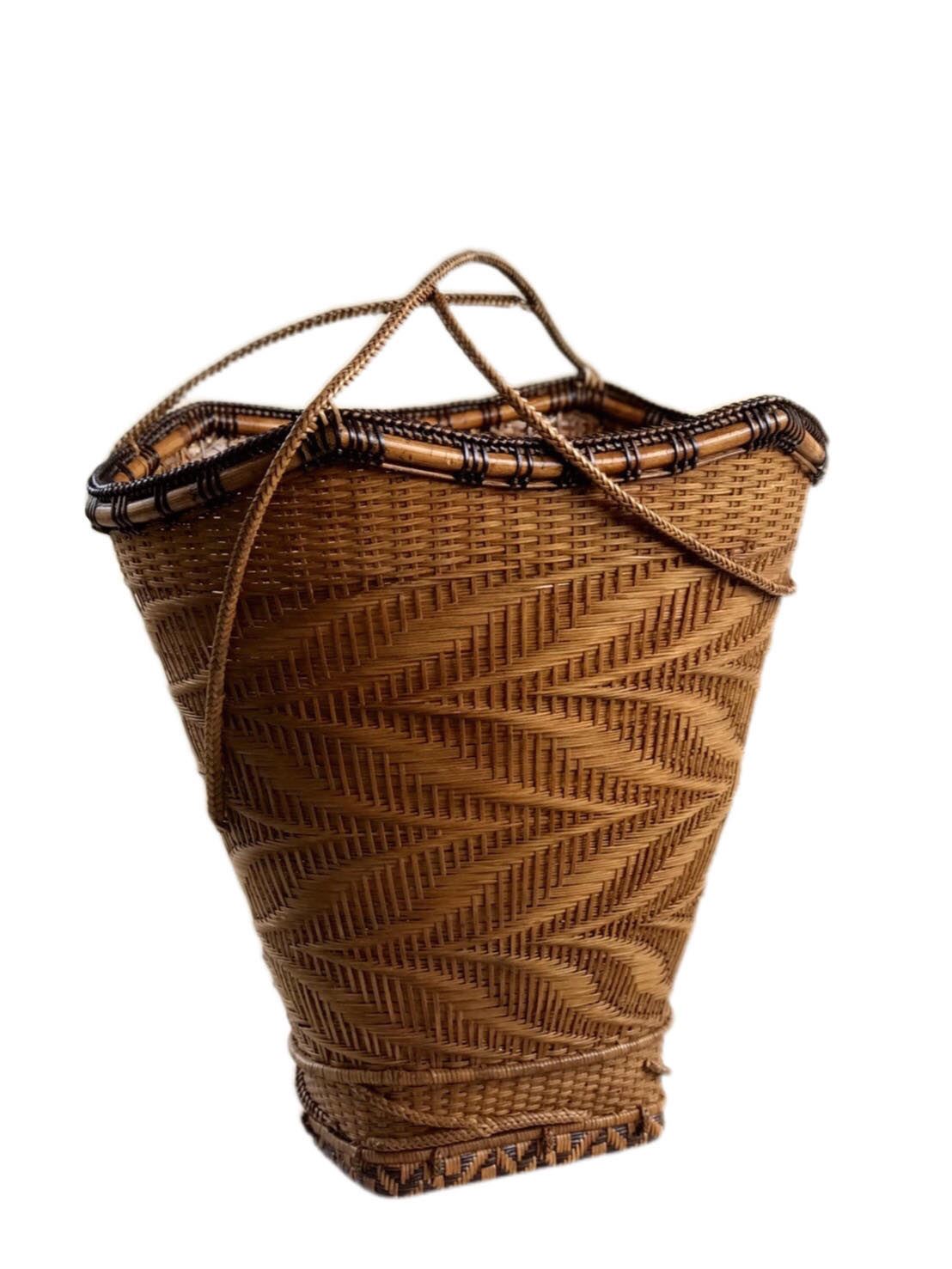
Yang Ya-Syue began studying bamboo and rattan weaving at Huludun Cultural Center in 2017 and joined Chang Hsien-Ping’s successor programme from 2019 to 2022. She continued making and promoting the craft after graduation. Her NCFTA profile names two works: Fold, made with bamboo, rattan, bamboo leaves and natural lacquer; and Autumn Mood, made with bamboo, rattan and natural lacquer. These documented works provide a comparison: follow the materials into the form, then look for rattan bindings and lacquer surfaces. Titles, materials and methods become connected. Check current labels to learn which works are actually on view.
A house saved by moving it
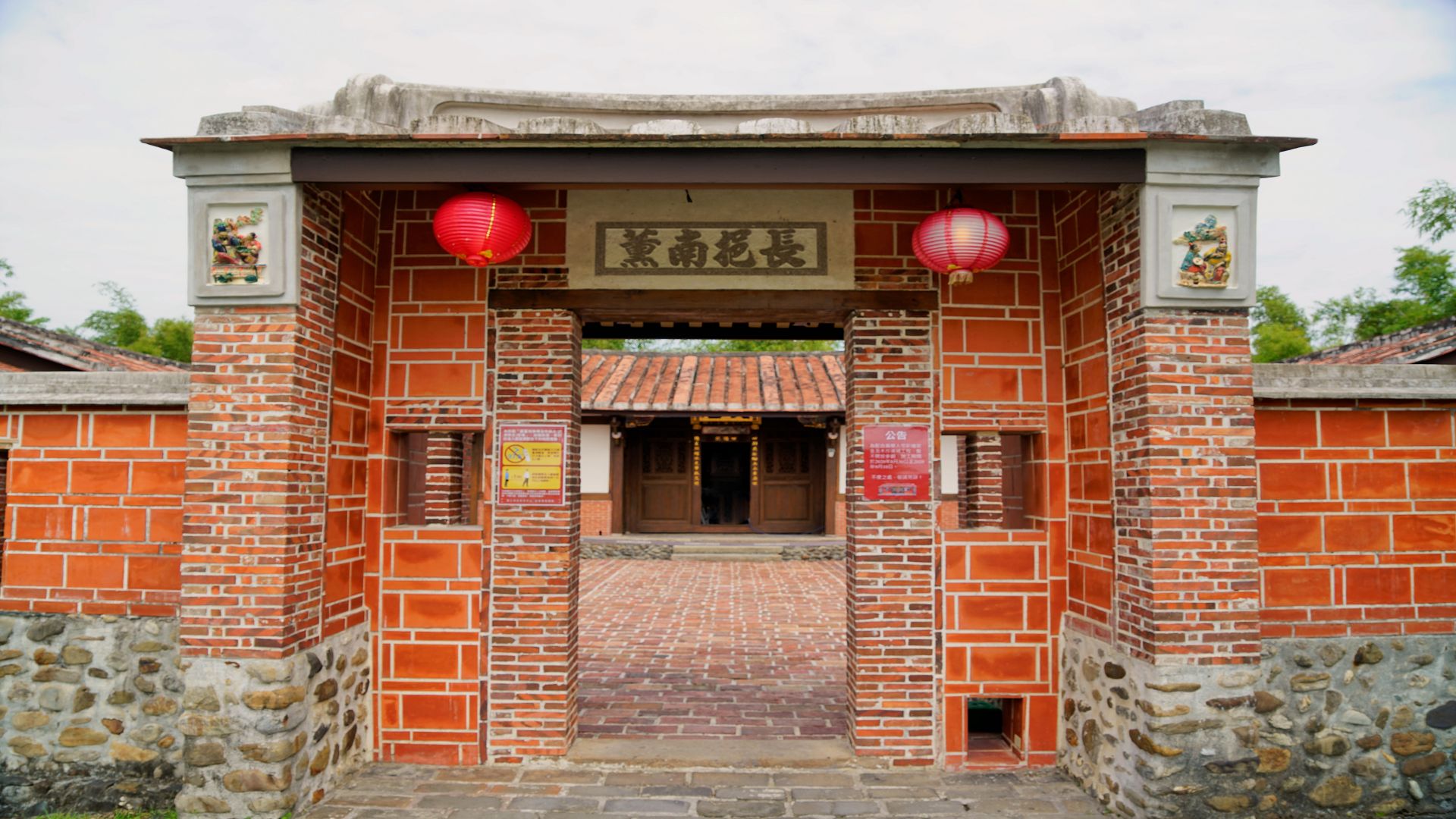
The workshops show skills being practised; Huang Juren’s Residence presents a different act of preservation. Yilan’s cultural bureau records that Huang Zuanxu passed the provincial examination in 1840. His house, built in 1877, originally stood in a lane off Xinmin Road in Yilan City. Facing demolition in 1996, it was eventually dismantled and reassembled at the traditional arts centre. It is a relocated house, not an entire old settlement surviving here in place. The main range and two side wings form a three-sided courtyard. Pebbles support the brick perimeter walls, while the Wen Kui plaque identifies the owner’s examination distinction. Within the permitted viewing area, these details make relocation tangible: what fabric survived, how spaces were reassembled, and how a house explains its origins after leaving its lane. Preservation does not guarantee unrestricted access to every room.
Look closer
Choose one working craftsperson; follow how material changes between two consecutive steps instead of only photographing the finished work.
Compare an object’s join, weave or surface finish with the demonstration, then read the performer and programme names before a show.
Visiting information
- Address
- No. 201, Section 2, Wubin Road, Wujie Township, Yilan County
- Opening and workshops
- The park opens 09:00–18:00. In 2026 the craft residency runs 5 March–16 December, 09:00–12:00 and 13:00–17:30, in the exhibition hall’s first-floor workshops; artist attendance follows the published rota.
- Transport and return
- From Luodong, use Green 21 on the Dongshan River route to Yilan Traditional Arts Park. Check the service variant and the last return to Luodong before choosing a late performance.
- Admission planning
- Use the park’s ticket and map page to choose admission; book a craft workshop separately when its activity page requires a reservation.
Sources & historical context
Archive images and film do not guarantee today’s workshop, artist or performance. Confirm the current programme before travelling.
- NCFTA 2026 craft residency — 2026 residency names, dates and hours; current schedule must still be checked.
- NCFTA: Huang Nan-Chiang — Named maker portrait and jade-carving profile; portrait capture date not stated.
- NCFTA: Shih Shu-Ling — Named maker portrait and bamboo-body lacquer profile; portrait capture date not stated.
- NCFTA: Yang Ya-Syue — Named maker and bamboo/rattan practice; image capture date not stated.
- Yilan County cultural record: Huang residence — Original house history, relocation and image. Image CC BY 3.0 TW; Yilan County Cultural Affairs Bureau.
- Yilan County Tourism: traditional arts park — 24-hectare park and visitor spaces; park streets are purpose-built rather than an intact ancient settlement.
- Park operator — Confirm the current map, shows, admission and workshops before visiting.
- Music: 跨海的一段路 (Cross-Sea Journey), original acoustic folk. Continuous excerpt from73.5–163.5seconds.
- NCFTA: successor programme and current exhibition — Confirms the successor model and labels the displayed outcome exhibition as the 2025 residency, not an assumed 2026 named-work catalogue.
Source visit: Triplebasil, 2020-05-10 (uploaded 2020-05-12); Sam Kao, uploaded 2019-02-22, filming date unstated. Footage is thematic editing, not a continuous current walk. Checked 2026-11-05.
Mother-article images: National Center for Traditional Arts, attribution retained here. Scholar Huang image: Yilan County Cultural Affairs Bureau, CC BY 3.0 TW. Maker portraits: National Center for Traditional Arts. Full independent rights audit pending.