
Wulai Atayal Museum: Follow the Woven Threads
Begin with the museum’s objects and woven patterns, then read how weaving knowledge is found, cared for and passed on.
90 seconds · English captions in the film; optional English and Traditional Chinese CC.
Film sources and complete bilingual captions
Re-edited from the museum’s 2025 introduction, its 2026 weaving trailer and a gallery walk published in 2022. Filming dates were not independently confirmed; displays may change.
00:00:00,400 --> 00:00:06,500
Wulai Atayal Museum
Follow the woven threads
烏來泰雅民族博物館
讓織紋帶路
00:00:07,000 --> 00:00:10,700
Step off the street,
into another scale of life.
從街上走進館內
換一種尺度看生活。
00:00:11,500 --> 00:00:17,000
Start with the things
carried and used every day.
先看每天背著、戴著
與使用的物件。
00:00:18,000 --> 00:00:23,500
Follow a material,
then look for its use.
沿著一種材料
找出它的用途。
00:00:24,400 --> 00:00:29,700
On a loom, separate threads
become a single surface.
在織機上,原本分開的線
連成一整片織面。
00:00:30,400 --> 00:00:35,600
Look closer at the weave,
the border and the colour.
靠近看看經緯
邊飾與色彩。
00:00:36,600 --> 00:00:43,600
Hands keep the pattern moving,
one thread at a time.
手讓紋樣繼續前進
一條線接著一條線。
00:00:44,500 --> 00:00:49,600
The gallery brings
many kinds of making together.
展場把不同的製作方式
放在一起閱讀。
00:00:50,600 --> 00:00:55,000
Care continues
behind the display case.
展示櫃之後
照護仍然繼續。
00:00:55,900 --> 00:00:59,900
Cloth, beads and woven fibres
need different kinds of attention.
布、珠與編織的纖維
需要不同的照料。
00:01:00,400 --> 00:01:04,500
Return to the finished object.
Look at how its parts meet.
回頭看完成的物件
留意各個部分如何接合。
00:01:05,200 --> 00:01:10,300
A house model shows
how the structure comes together.
一座家屋模型
讓結構與材料變得清楚。
00:01:11,200 --> 00:01:16,800
A recreated room puts
objects back into a home.
走入重現的房間
把器物放回家屋裡看。
00:01:17,700 --> 00:01:20,800
Bring questions
back into the gallery.
帶著問題
再回展場看看。
00:01:21,200 --> 00:01:23,200
Back to the street,
with new eyes.
帶著新的目光
走回街上。
00:01:23,700 --> 00:01:26,700
Leave time to look again
at the mountain town.
留一點時間
再看一次山城。
00:01:27,000 --> 00:01:29,700
Wulai Atayal Museum
Taiwan, Layer by Layer
烏來泰雅民族博物館
島嶼年輪
Cultural place
Wulai Atayal Museum: following a thread back into daily life
Tools, textiles and the work of learning again connect a museum visit with contemporary Wulai.
Start with the landscape, then compare tools, textiles and present-day weaving.
Allow time for the permanent displays and a guided explanation.
Before the pattern, look at the place
Wulai is often approached through its hot springs and busy shopping street. At the museum, the scale changes: a river system, a farming tool or a household object asks how people organised life in this mountain landscape. Start with those relationships. A tool becomes easier to understand when it is placed beside the food, terrain and work it served.
The permanent displays connect migration and ecology with farming, hunting, household implements and textile making. Rather than treating each cabinet as a separate subject, follow one material or task between them. Wood can become a building component or a tool; a finished garment leads back to the equipment and knowledge needed to weave it. This way of looking gives the visit a continuous thread.
A textile can carry a return
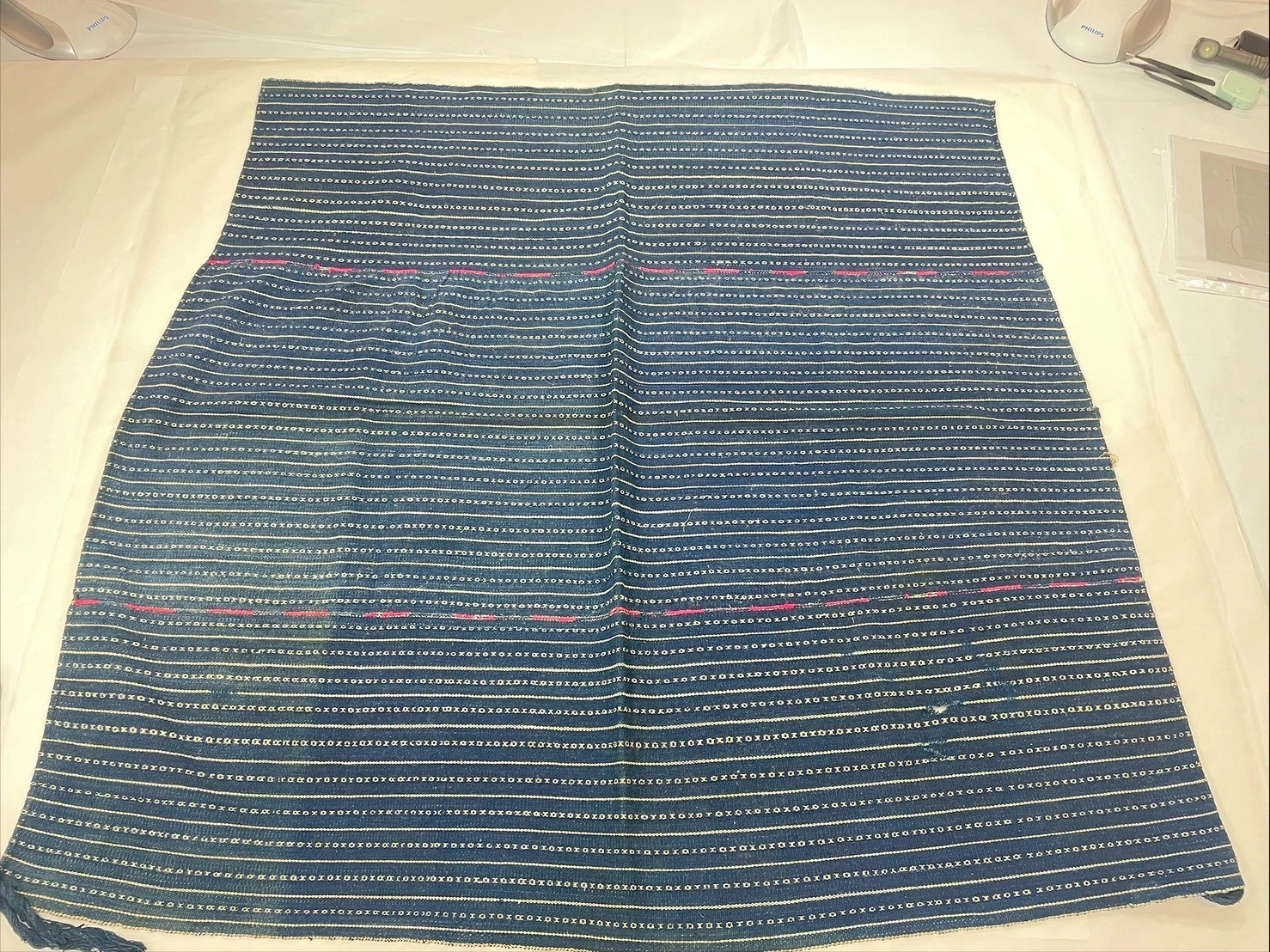
A blue ground crossed by white X and O forms offers a more specific story. Around 2000, Wulai weavers visited museum collections to study textiles from their home area. Some recorded a shawl by drawing its pattern. The encounter shows a museum collection doing another kind of work: helping people recover a technique and a visual language they wanted to use again.
The recovery of weaving has also involved interviews, pattern analysis and remaking garments. Research in 2024 combined those methods to study the clothing of Wulai’s Quchi Atayal communities. An old textile is therefore more than a finished example to admire. Its structure can be examined, discussed and worked through again by people deciding how to continue a practice.
Bring a precise question to the display
Look first at the scale of the pattern, then at the edge, joins and relationship between coloured threads. Ask a guide which details identify a technique, a locality or a particular object. Similar shapes need not tell identical stories. The useful question is how this textile was made and used, and what its recorded history allows us to know.
On leaving the museum, Wulai’s shops and streets can be read with greater attention to makers and materials. If a workshop welcomes visitors, ask about the work behind a textile and the time its production takes. The connection between exhibition and daily life becomes concrete through those conversations, while the museum gives them a starting point.
A storage box made for a garment at home
The continuity of a textile can begin with a storage box. A January 2026 report reviewing the previous year records museum worker Lofa Yuming researching Atayal beaded coats in an elder’s home. Encountering treasured beaded and bell-decorated garments, the worker helped make acid-free boxes to improve their storage. The setting was a home, rather than the transfer of every old garment into a display case. This adds another kind of work to the earlier account of return: alongside pattern research and remaking skills, people maintain conditions for objects to survive while respecting their holders. Overseas investigation and high-resolution imaging were also under way; ongoing work does not mean every image is already public. Read making, keeping, conservation and reproduction separately. A garment retained at home can remain part of cultural practice without entering a museum.
Look closer
Compare one tool with the task it performs, and one textile with its edge and weave. Ask how an object’s place of origin was recorded.
Visiting information
- Address
- 12 Wulai Street, Wulai, New Taipei City.
- Hours and admission
- Free admission. Monday–Friday 09:30–17:00; Saturday–Sunday 09:30–18:00. Closed on the first Monday of each month, Lunar New Year’s Eve and Day, election days and announced closure days.
- Travel and return
- From MRT Xindian, take bus 849 to Wulai terminus, then walk towards the old street for about five minutes. Return to the terminus for the bus to Xindian.
- Inside the museum
- No video recording or flash photography. Keep food outside and leave objects untouched. For guided visits call +886 2 2661 8162.
1. Find the museum beside the river
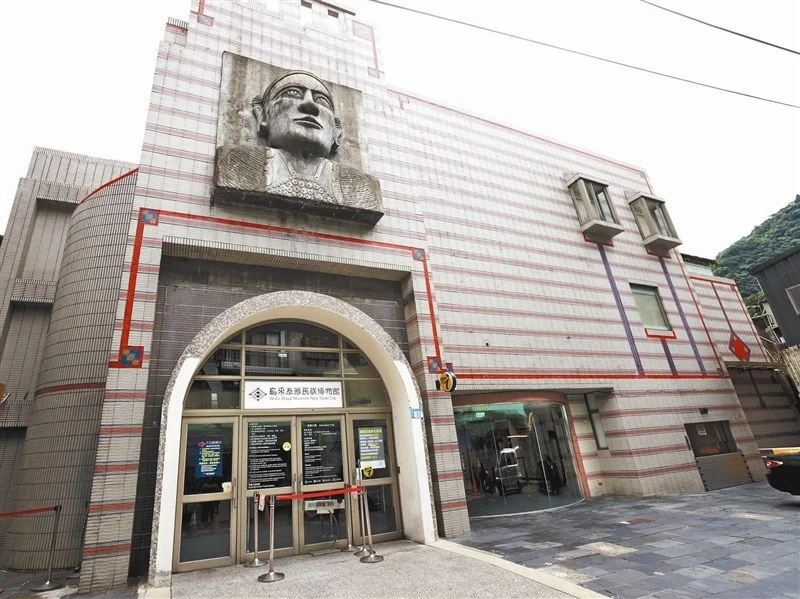
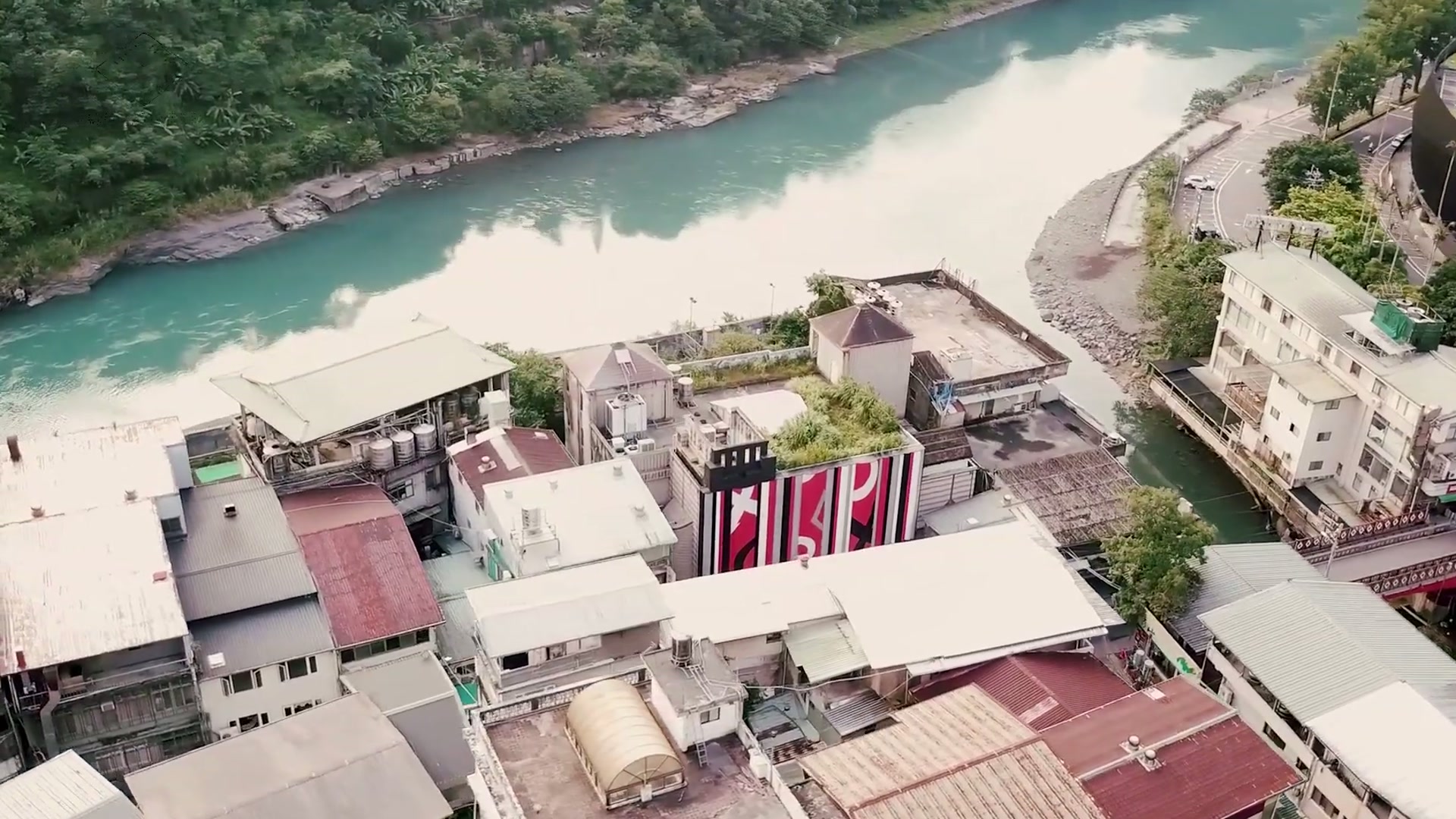
Wulai’s streets follow a river between wooded hills. From above, the museum sits among the roofs; closer views reveal its red-striped facade and name. At 12 Wulai Street, it offers a change of scale within a visit to the old street.
Begin with the arrangement of the galleries, then choose a few objects to study. Asking what something is made from, how it was used and how it was documented opens a more useful conversation than assigning one meaning to every pattern.
2. Let a material lead the way
Baskets, bags, hats and a loom bring different ways of making into the same visit. See the whole object before following an edge or a joint: how a basket carries weight, or separate threads become a usable surface.
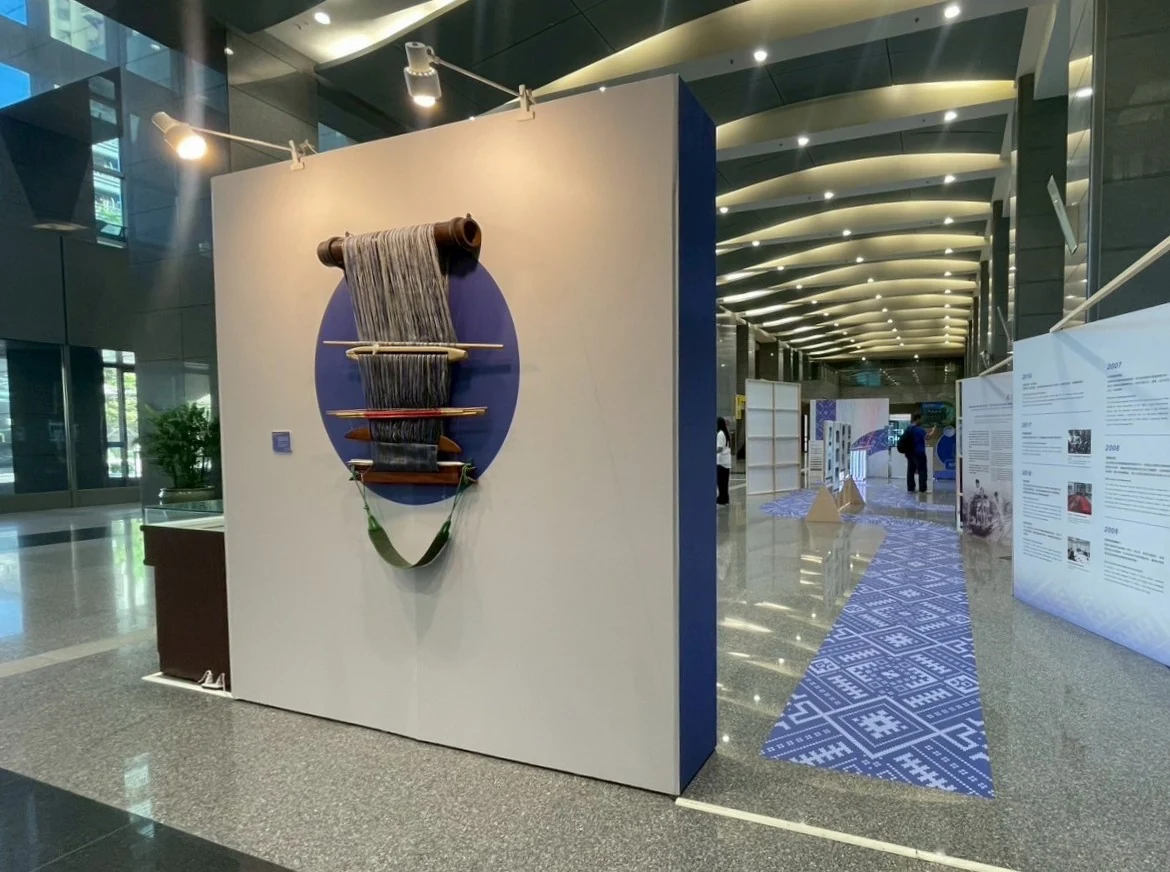
A complete loom connects the tools with the emerging cloth. The positions of its wooden parts and threads make those relationships visible. These are recorded gallery views, not an invitation to operate or touch the exhibits; follow current signs and staff guidance.
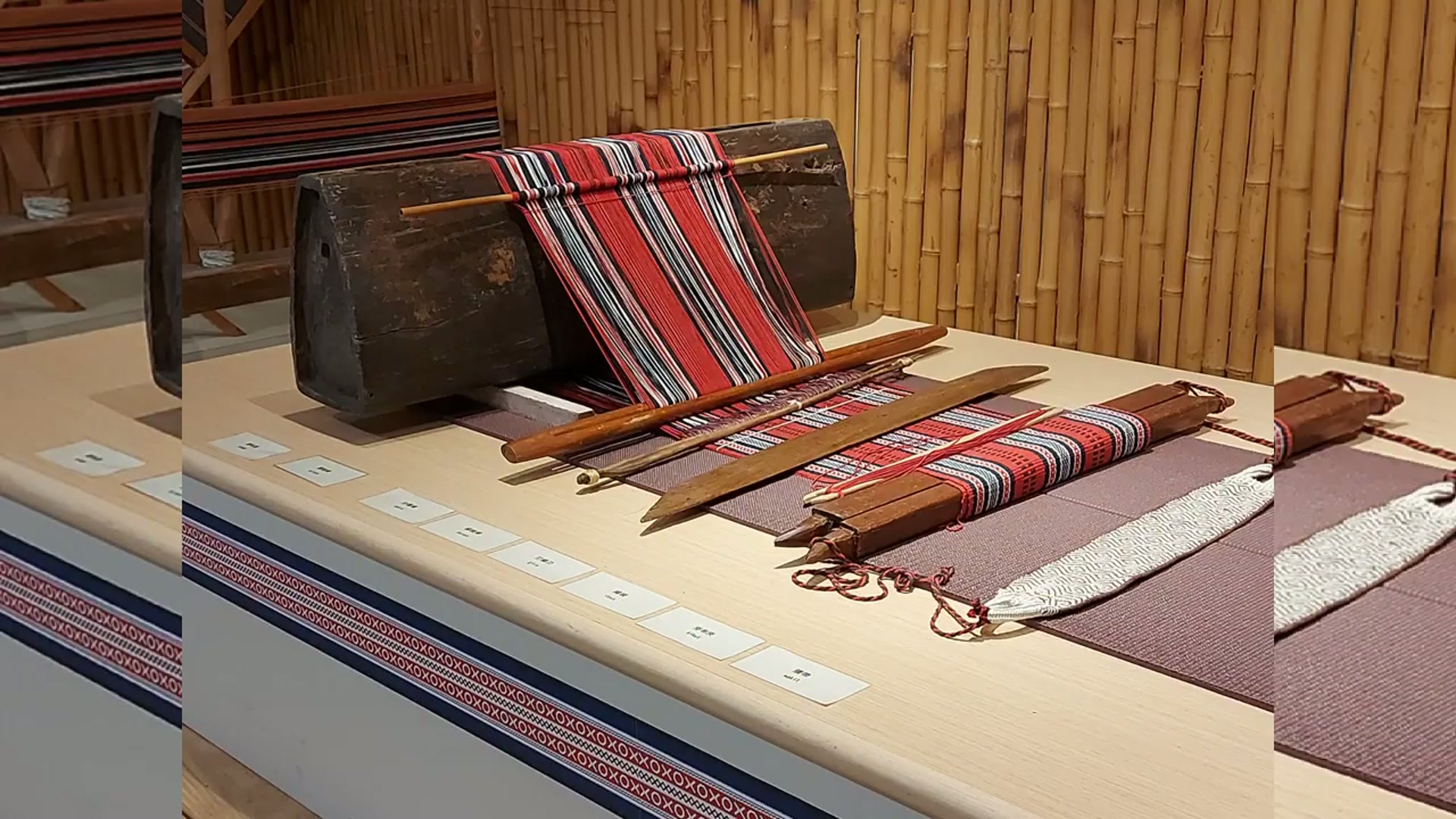
3. Follow a pattern to the hands making it
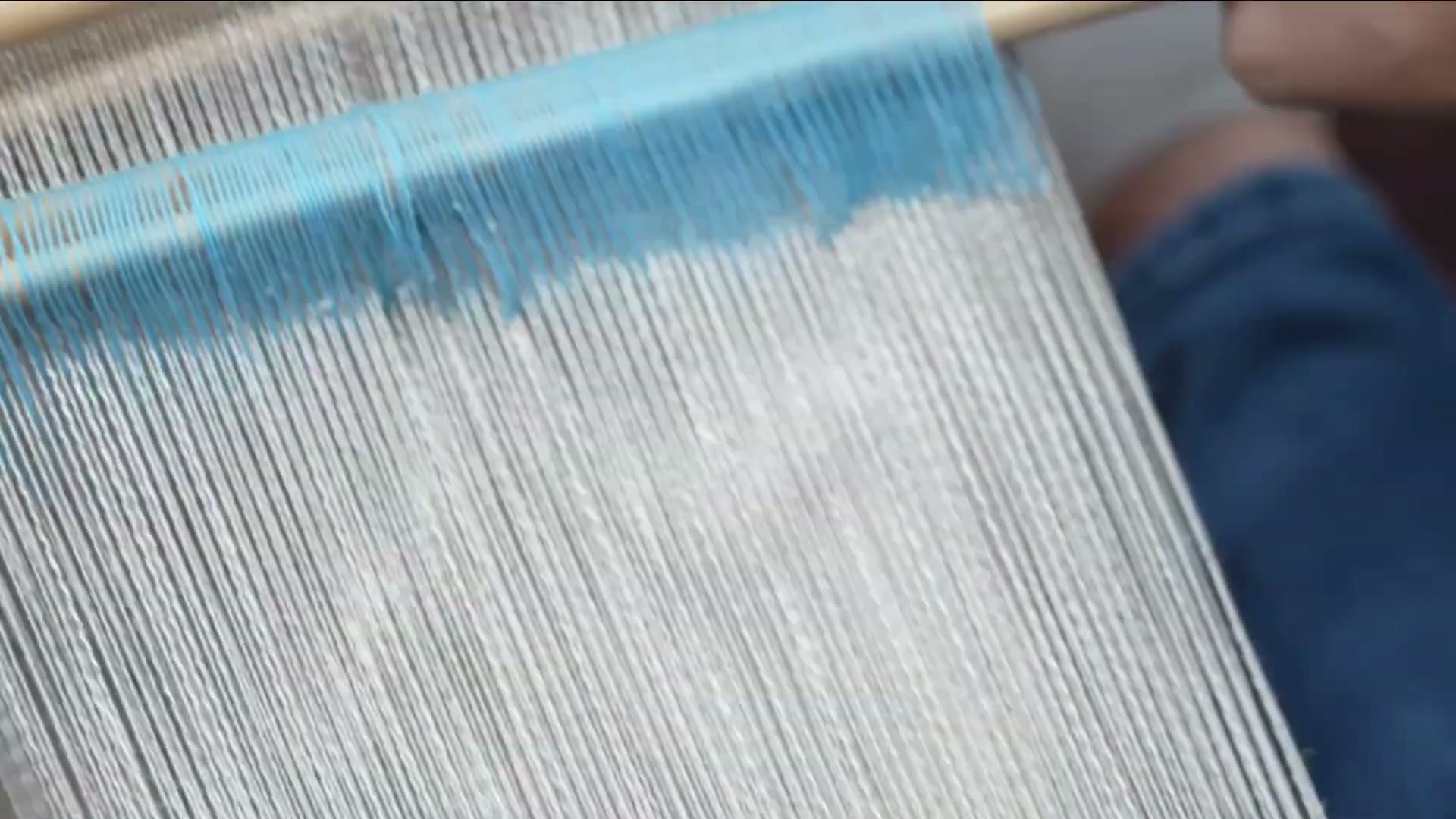
After the displayed red textiles, come closer to the weave and its borders. The museum’s 2026 “hmgiru tnunan” trailer moves beside a loom, connecting tensioned threads, working hands and the surface taking shape. A pattern is also a continuing task.
A guide can help identify the origin, documentation and making of a particular object. Pieces from different periods and places can have different histories. Ask how the threads cross, how an edge is finished, or how the pattern was recorded.
4. Care continues behind the display
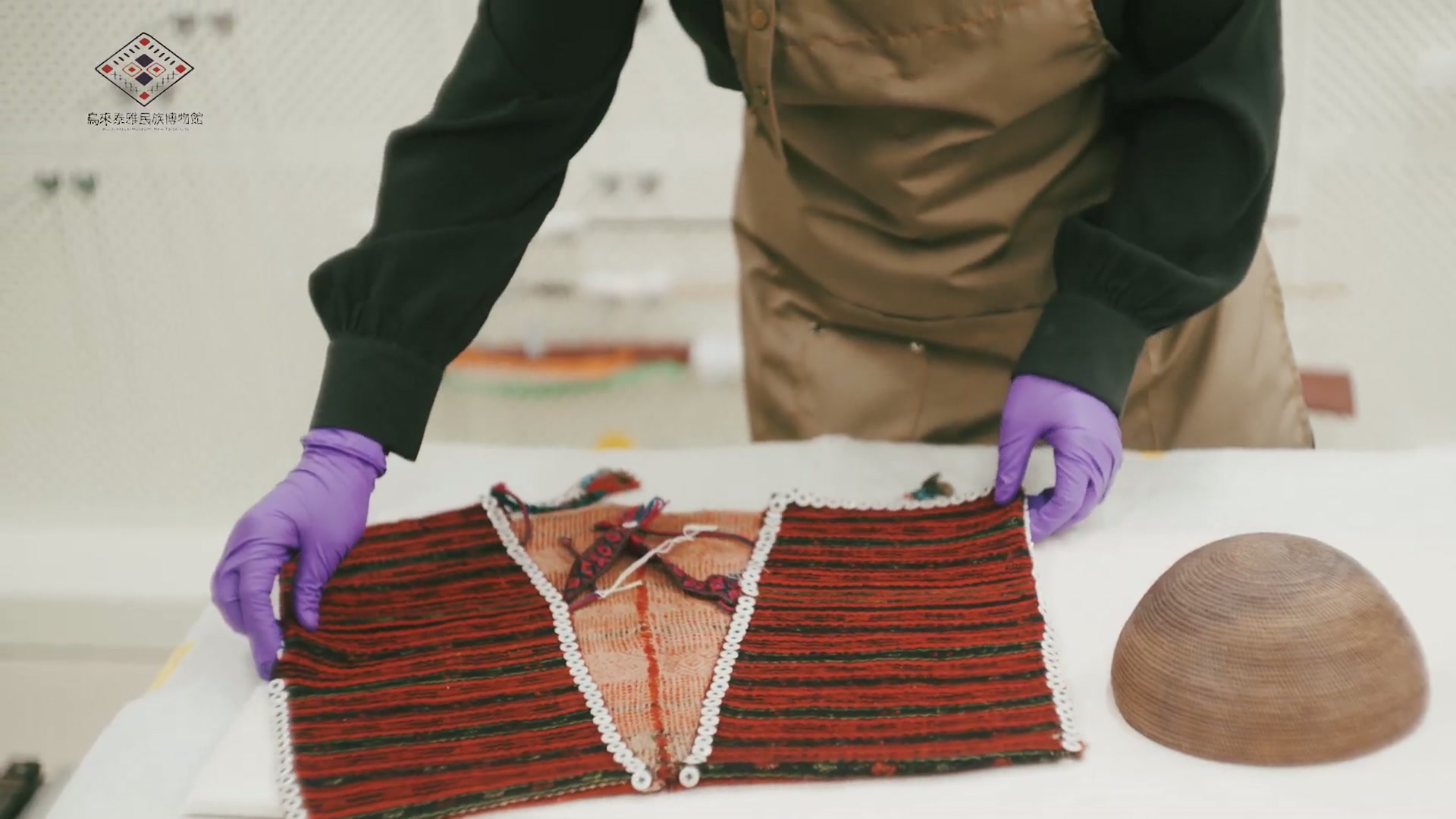
Textiles rest on support materials while gloved hands lift protective tissue; another view comes close to the surface of a woven hat. Examination, handling and care continue beyond what is visible in a display case.
The museum’s published conservation account describes treatment plans suited to different materials and conditions. Keeping objects available to future viewers requires both skill and continuing records. Read the material and date on a label, while leaving handling and conservation to trained staff.
5. Put the objects back into a living setting
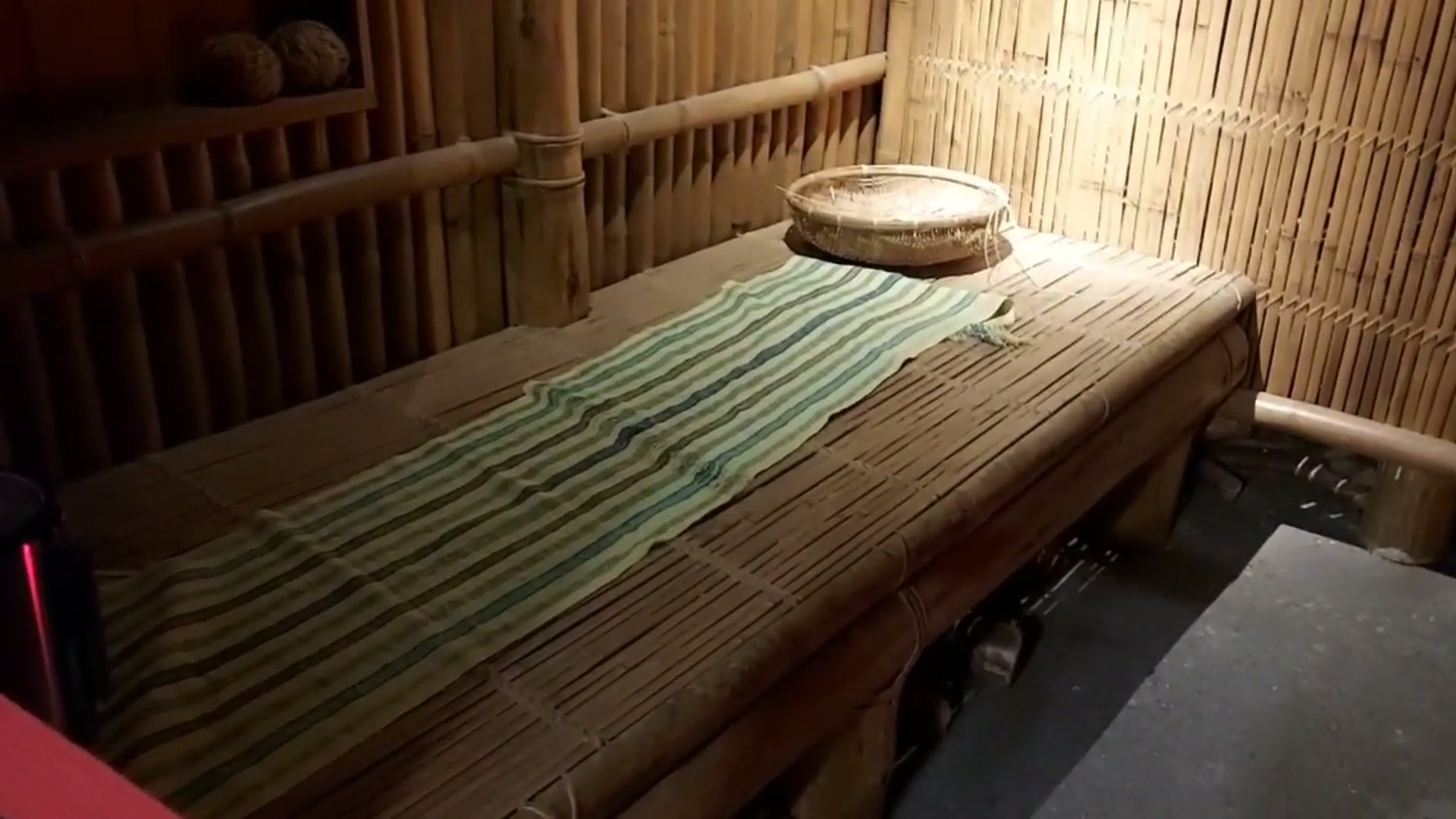
A house model brings roof, posts and walls into one view. A recreated interior then gives the bed, bamboo walls and objects a usable setting. Follow a structural joint, then notice where the objects sit beside the wall and bed: architecture and everyday things begin to belong together.
Returning to the street and river offers a chance to look at the town with new questions. Check current opening, displays and tours before travelling. Follow current notices for photography, video and flash, and leave exhibits untouched. Confirm any special programme directly with the museum.
Article, image and music sources
Re-edited from the museum’s 2025 introduction, its 2026 weaving trailer and a gallery walk published in 2022. Filming dates were not independently confirmed; displays may change.
- 烏來泰雅民族博物館:官方首頁與當前展覽
- 烏來泰雅民族博物館:定時導覽
- 新北市政府:烏來泰雅民族博物館的展示與器物
- 館方:老文物獲新生命,館藏文物修復過程
- 烏來泰雅民族博物館:新北市烏來泰雅民族博物館 館舍介紹影片
- 烏來泰雅民族博物館:115年度【織旅hmgiru tnunan:泰雅織品跨越百年的流轉與重逢】特展 前導影片
- 體驗簡單的生活:#烏來#泰雅#民族#博物館#泰雅#建築#竹子#木頭#為主#蓋在#半山腰#分散#聚落#華美#精緻#編織#藝術#泰雅#是#台灣#最#擅長#織布#民族
Music: 轉角微光 · AI-generated instrumental.