
Cultural story
Sanyi and Lukang: two ways a piece of wood becomes a livelihood
Root forms, export workshops and temple beams reveal different relationships between carving, customers and the town around them.
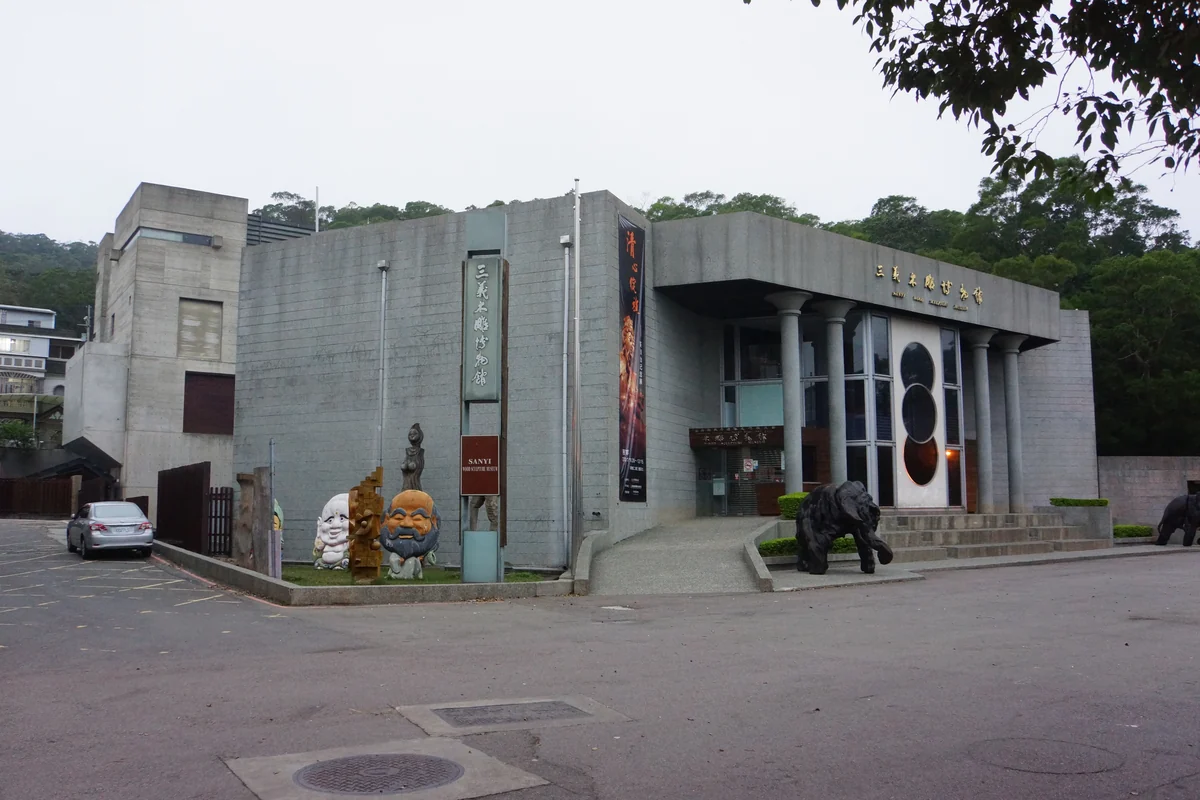
Sanyi grew through root carving, workshops and changing export markets.
Lukang carving remains closely connected to buildings, ritual and restoration.
Museum objects and temple components answer different practical demands.
The roots left behind by another industry
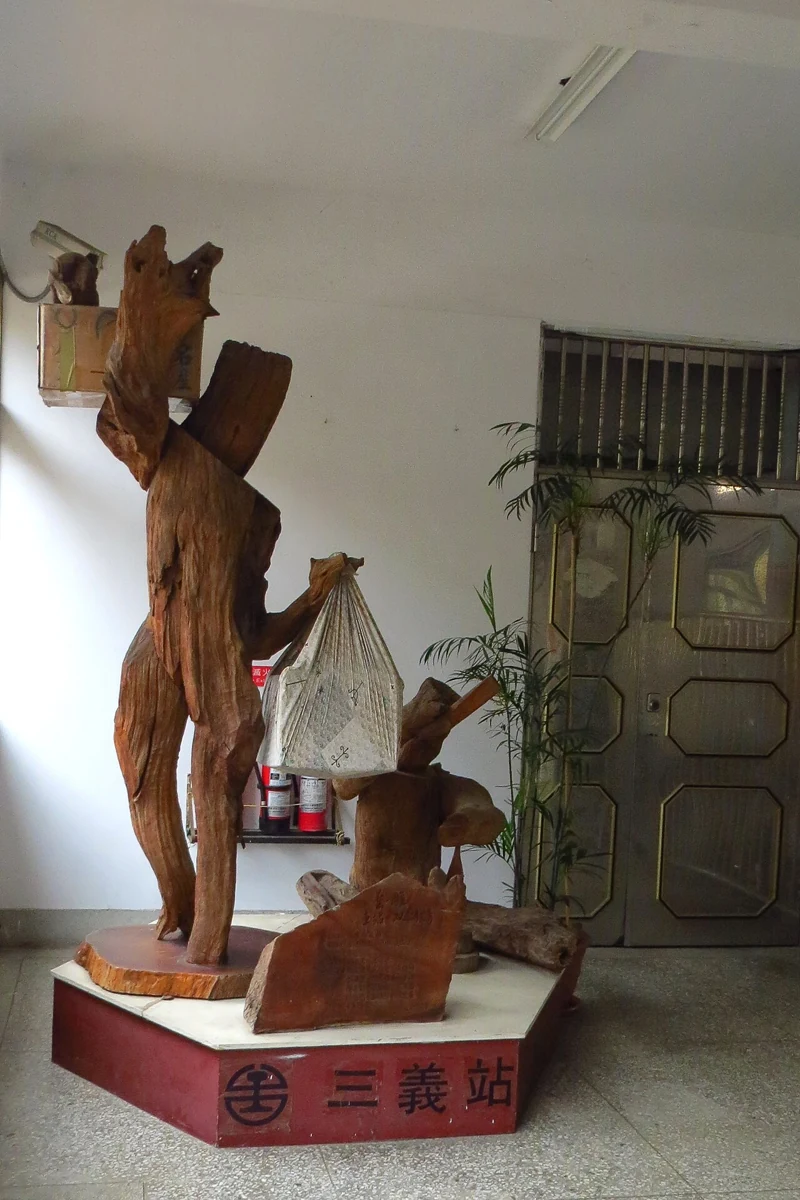
Sanyi’s early carving grew from a landscape already altered by logging and camphor production. Roots and stumps remaining after land clearance offered irregular forms that could be cleaned, shaped and sold. Accounts of Wu Jin-bao’s early work link these found forms to the emergence of qiaodiao: the maker responds to what the wood already suggests, instead of starting with a standard rectangular block.
As workshops and overseas orders expanded, the town had to do more than recognise an interesting root. Figures, animals and ornaments required training, repeatable skills and trading connections. The official history records both Japanese and American markets, followed by a shift towards domestic buyers and individual studios. Changes in customers helped reshape what a workshop made and where a visitor encountered it.
In Lukang, the carving has a place to fit
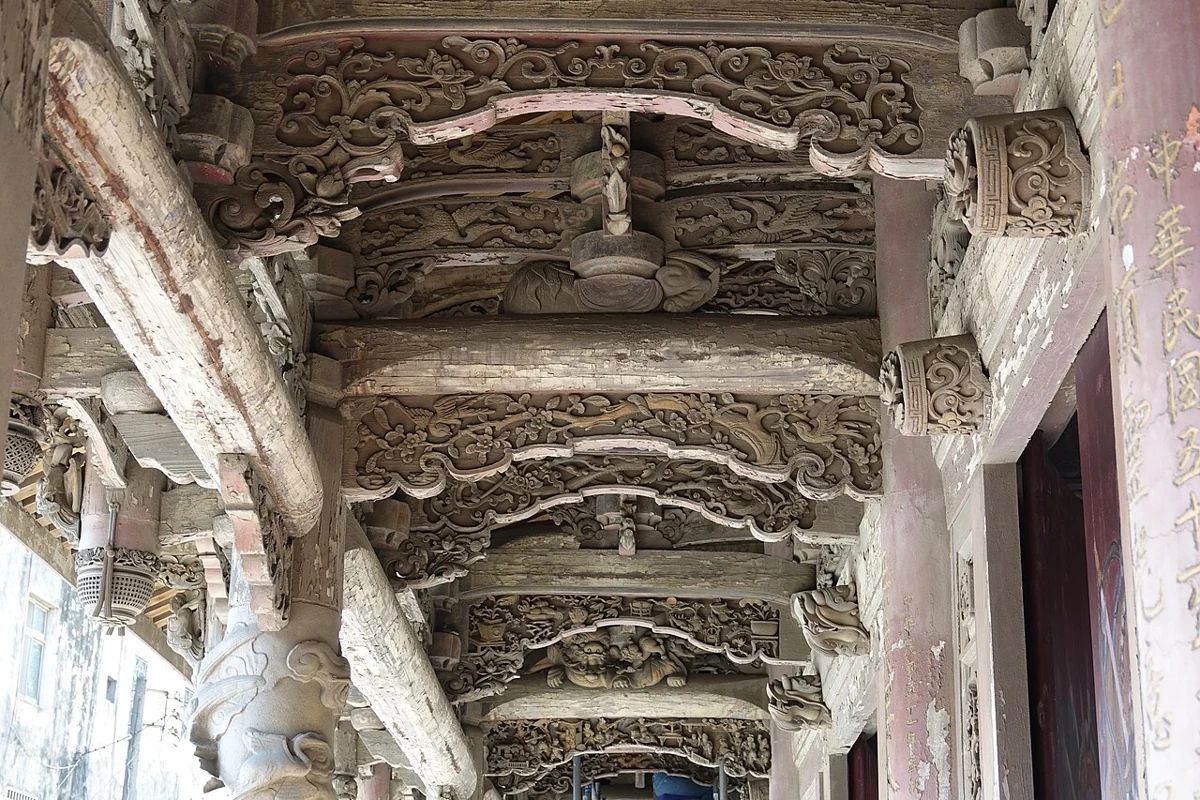
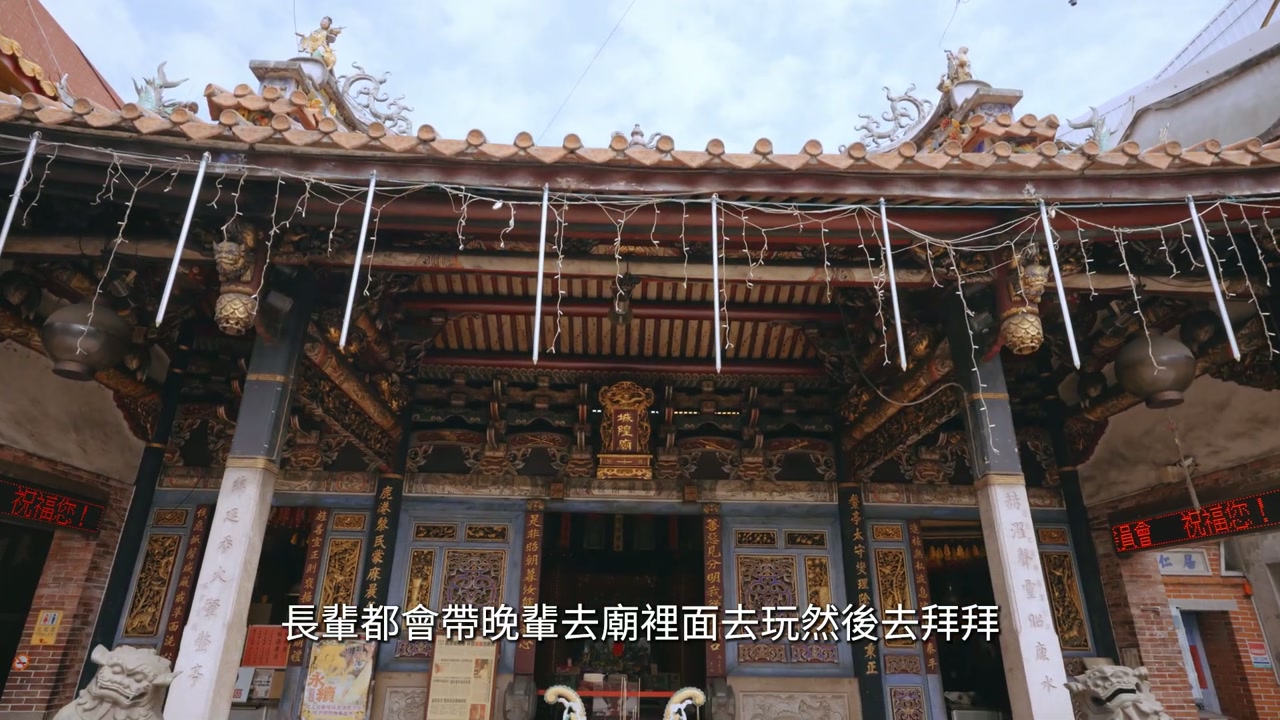
A carved beam or shrine has to belong to a building. At Lukang’s Longshan Temple, the carvings along the front hall can be read against the depth of the covered walkway and the direction of daylight. A visitor views them from below and in motion. Their design therefore works with distance, shadow and neighbouring components, not only the close view of a single figure.
Lukang carver Shih Chen-yang has described the importance of controlling both workmanship and material, while Li Bing-gui’s restoration work begins with understanding an older object’s methods and style. These are related but different responsibilities. New carving gives a maker room to decide; repairing an inherited object asks that maker to judge which decisions should remain visible as someone else’s work.
Shih Chen-yang's training moved between family and public teaching. The folk-object dictionary records him learning from his father Shih Kun-yu from age ten, later establishing Huatai Carving and beginning heritage teaching at forty. Classes at the Changhua cultural centre and universities brought workshop knowledge into another setting. The shift helps explain transmission as organised teaching as well as apprentices staying beside a family bench.
A museum brings the two routes into conversation
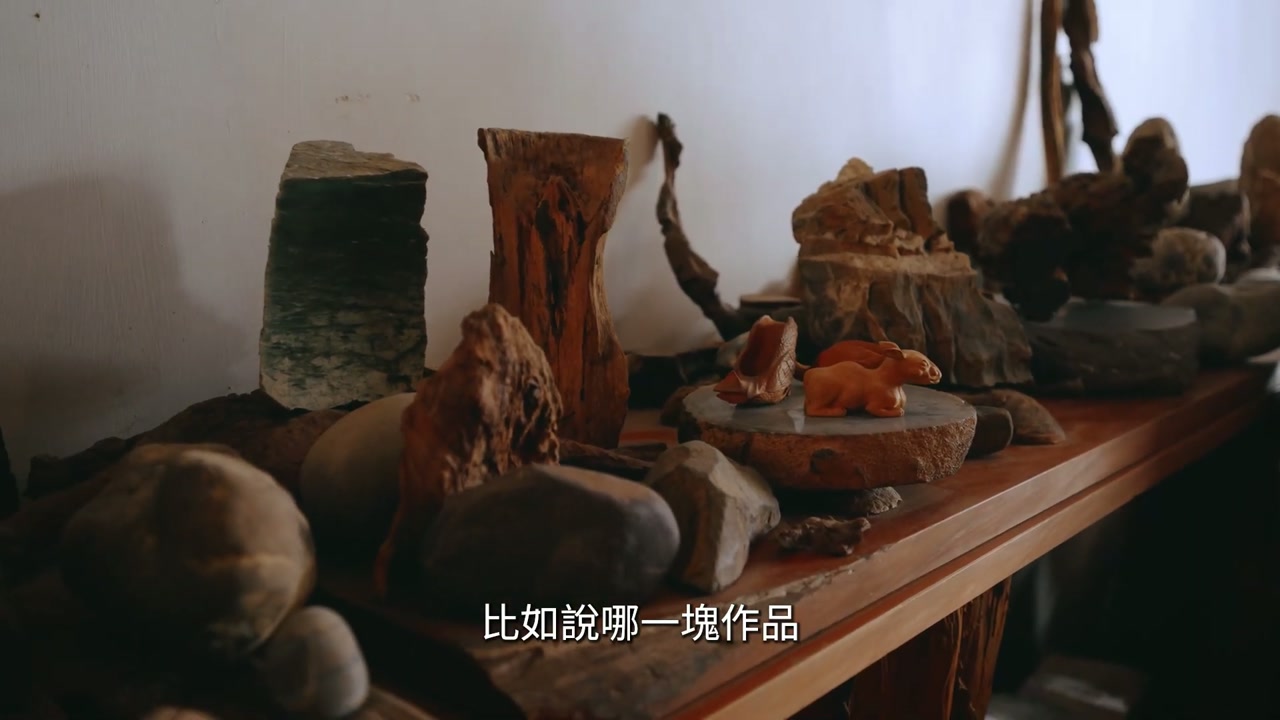
Sanyi Wood Sculpture Museum opened in 1995 and provides a place to compare architectural carving, religious subjects and contemporary work. The useful comparison is not simply old versus new. A deeply undercut detail, a retained knot or an almost unworked surface may each solve a different problem. Reading the material and intended setting makes those decisions more legible.
A museum tour can move between traditional objects and competition works before a visitor continues to nearby shops. Keeping the two settings distinct makes a visit richer. The museum supplies comparisons and histories, while a working shop reveals questions of purchase, material supply and time. Together they show why transmission needs both skilled hands and somewhere for those hands to work.
A later task paired him with his student Li Jung-tsung in planning a Taiwan Historica collection exhibition and its 2014 catalogue. Its introduction distinguishes imagery appropriate to a temple's shared religious space from wishes represented in household objects. Interpreting what a carving was for became work to transmit alongside carving itself. The publication records that collaboration; it does not mean the past exhibition or the pictured objects are currently on view in Sanyi or Lukang.
A second Lukang doorway: the City God Temple
Lukang’s City God Temple offers another specific place to read architectural woodcarving. Changhua’s heritage and tourism records identify the wooden door screens and window panels of its Sanchuan Hall as work by Shih Chen-yang. Approach the entrance as a visitor, then compare a whole panel with the small openings between its carved branches and figures. The relief belongs to the doorway, where its depth changes with the angle of light.
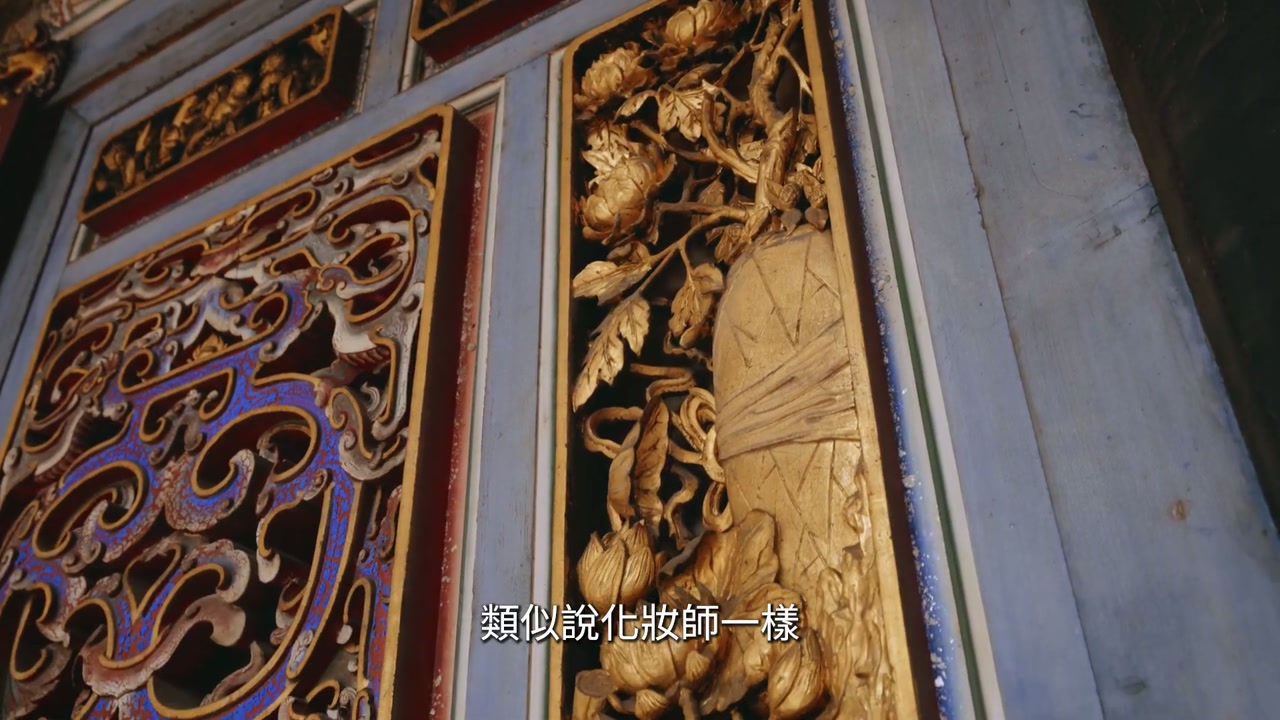
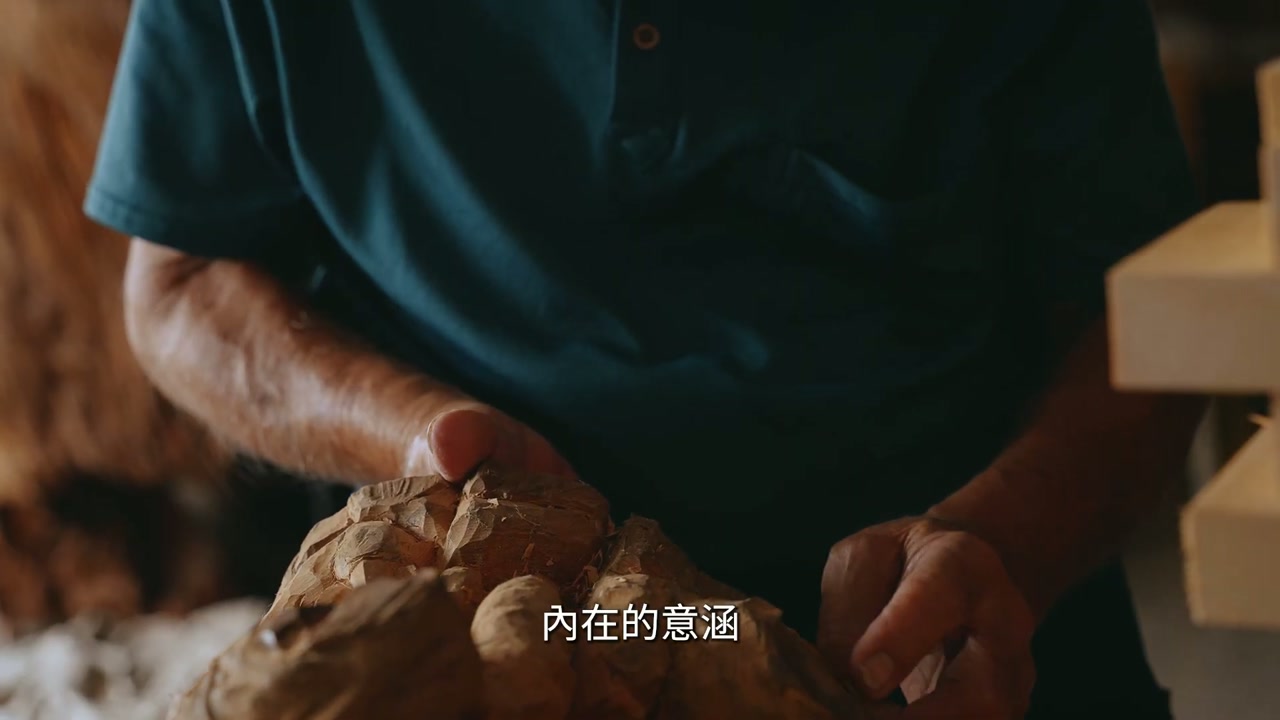
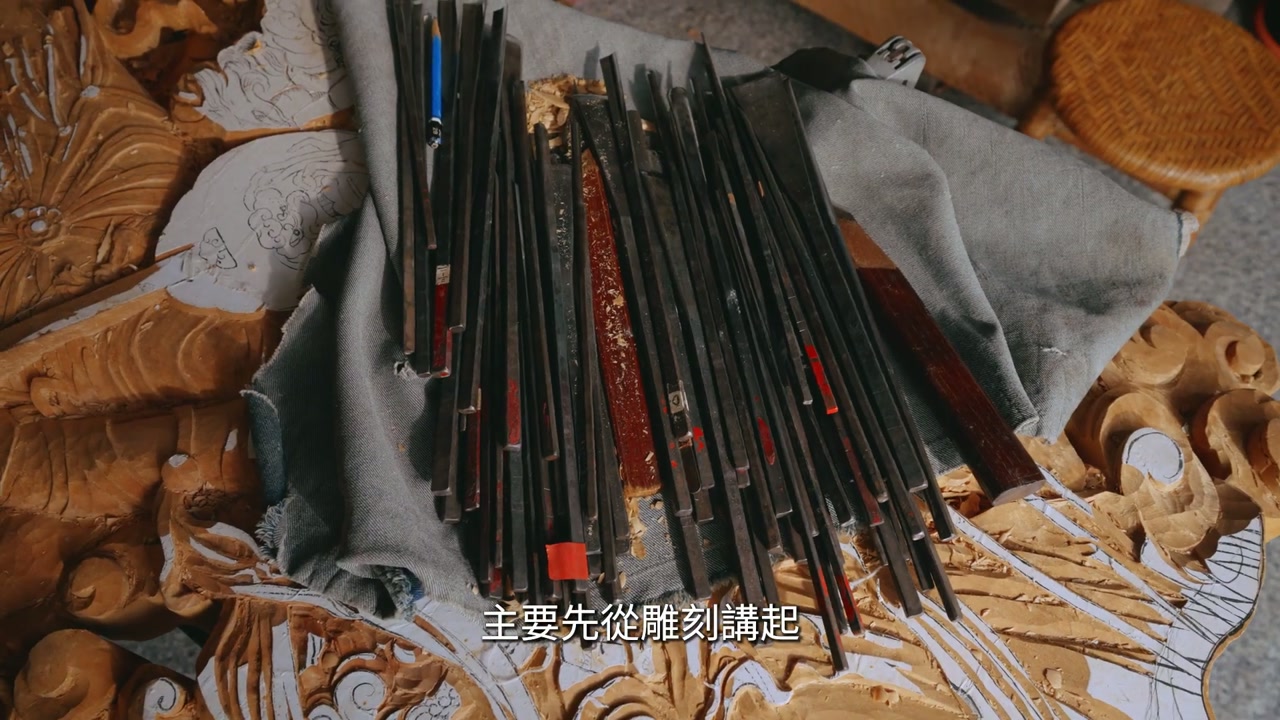
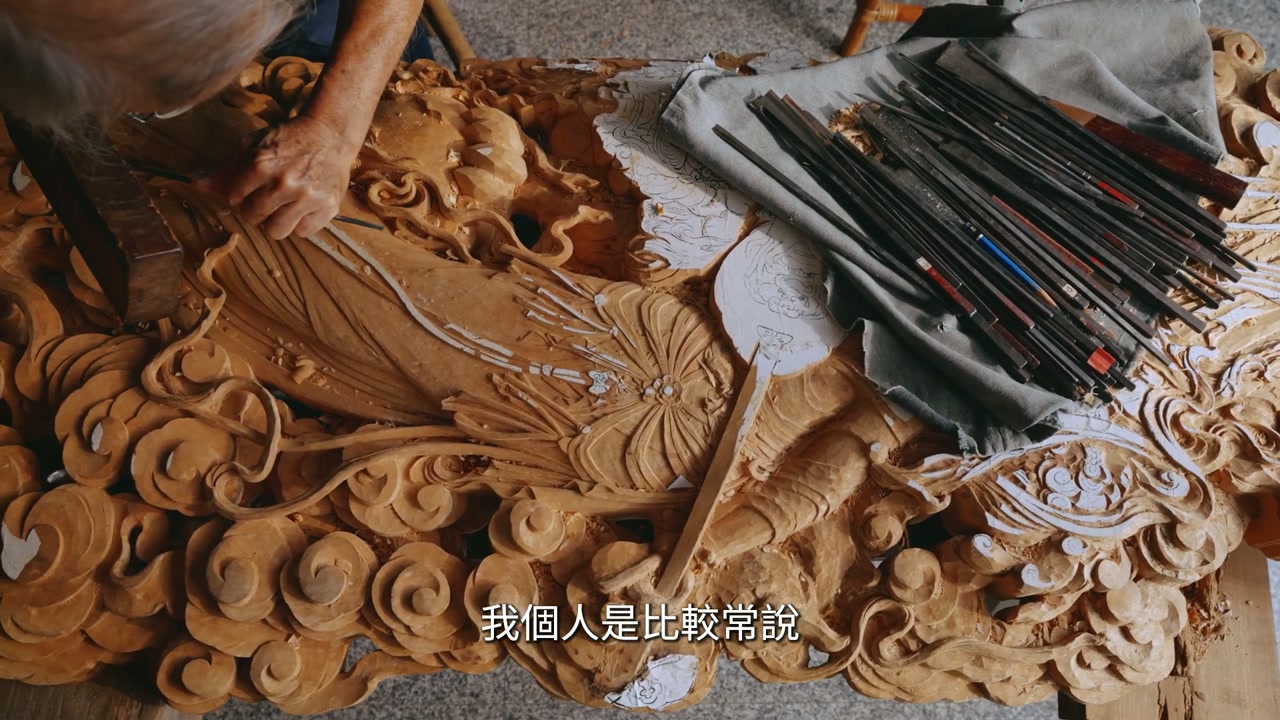
On the workbench, chisels, curls of cut wood and the emerging relief make the gradual removal of material visible. At the temple entrance, step back to see a whole panel, then look from the side at overlapping branches and the gaps behind them. Light reaching through the openwork gives a different reading from the workbench close-up. Leave room for people entering to worship.
Look closer
At a temple, observe the carvings from the distance and angle of an ordinary visitor before looking for small details.
Compare retained grain, knots and tool marks across different objects.
Visiting information
- Museum
- Sanyi Wood Sculpture Museum, No. 88, Guangsheng Xincheng, Sanyi, Miaoli.
- Lukang stop
- Longshan Temple, No. 81, Jinmen Lane, Lukang, Changhua. Read its carvings within the temple’s visitor spaces.
- Lukang film location
- Lukang City God Temple, No. 366, Zhongshan Road, Lukang, Changhua. The county tourism listing gives 06:00–21:00; confirm the day’s worship and opening arrangements before travelling.
- Visiting
- The museum offers exhibitions; private workshops need their own appointments. The two towns form separate visits.
- Getting there and back
- For Sanyi, take the train to Sanyi station and use a taxi to and from the museum. For Lukang, use the town’s bus terminal as the arrival and return point, continuing through the town to Longshan Temple.
Sources & historical context
The film follows work in Lukang and the City God Temple. Sanyi and Longshan Temple are separate visits, not the same temple or a single walking route.