
Cultural story
Wanggong oyster art: what remains after the oysters are eaten?
Follow a shell from the working harbour to figures and useful objects, then arrange a separate visit to the makers.
The 2026 festival took place on 8–9 August at Wanggong Fishing Port.
Music, oyster grilling and worship at Fuhai Temple connect the event with its town.
A separate visit to the oyster-art association continues the story beyond festival dates.
The harbour is also a working place
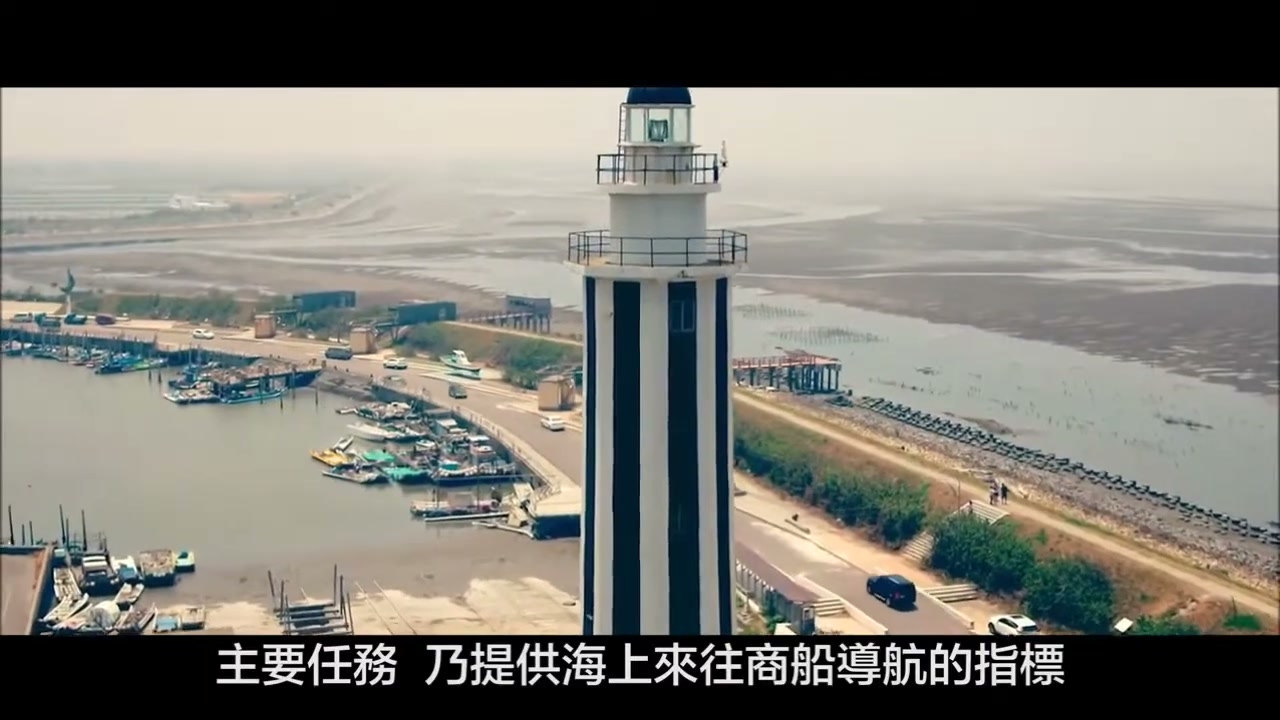
Wanggong’s festival brings visitors to a harbour whose identity is closely tied to oysters. The 2026 programme on 8–9 August combined a marine music concert, a large oyster-grilling activity and prayers at Fuhai Temple. These activities move through different parts of local life: food, public entertainment and a place of worship that remains important after the temporary stage is removed.
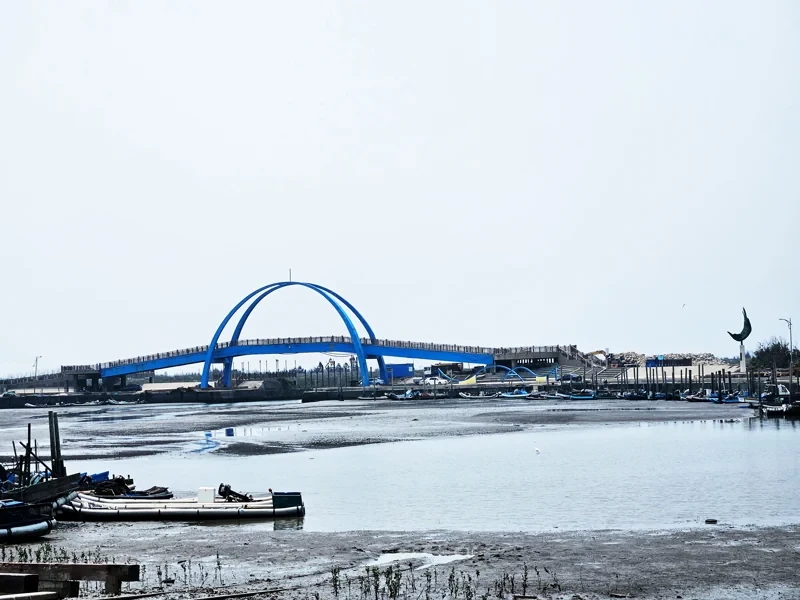
An oyster meal also leaves a very tangible remainder: its shell. At Wanggong, that uneven, weathered surface became material for another kind of work. Following the shell beyond the grill gives a festival visit a second direction, from consuming a local speciality to understanding how residents experimented with what their industry left behind.
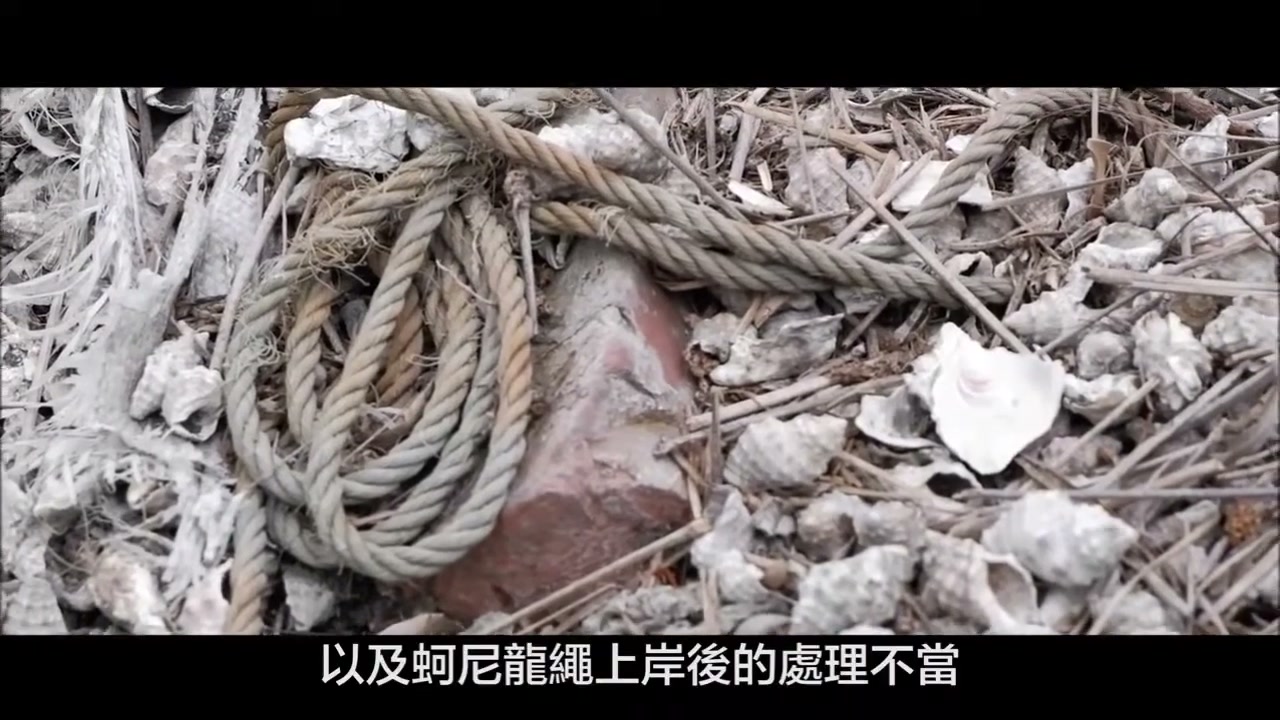
A suggestion becomes a workshop
The oyster-art association’s history begins with an idea from Liang Feng-jung and the experiments of her husband Yu Chi. Shells were washed and deodorised, then combined with modelling material to make birds, figures and scenes of local life. The irregular outline was not simply hidden: it could suggest a body, a wing or the posture of a person.
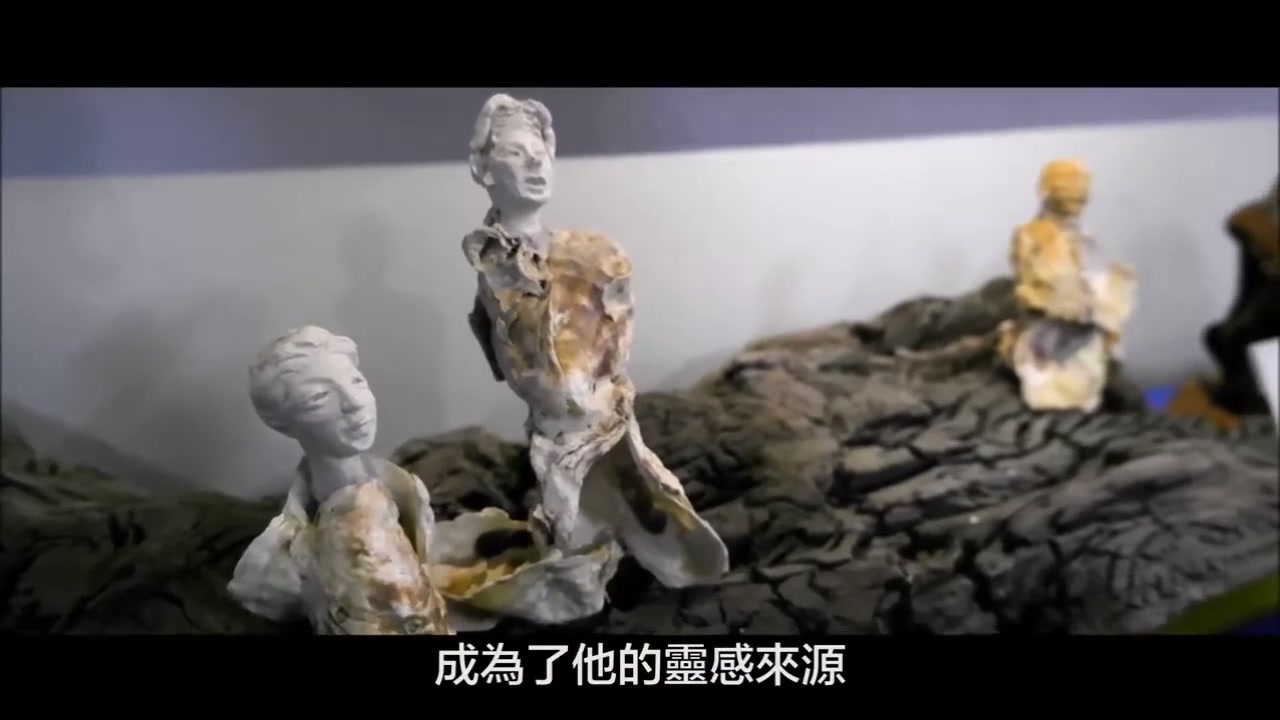
The association received official approval in 2004. An old family grocery shop provided space for making and displaying objects, while teaching extended through schools and community activities. Later employment-development programmes drew more local residents into the work. Collecting and preparing shells, teaching and selling gradually formed a network of work around the craft.
When the association began its employment-development programme in 2005, residents also brought shells to the makers. Material collection itself became one point of community contact. The work extended into display and teaching spaces as the number of participants grew, linking a household experiment with a more public organisation that could receive visitors and school groups.
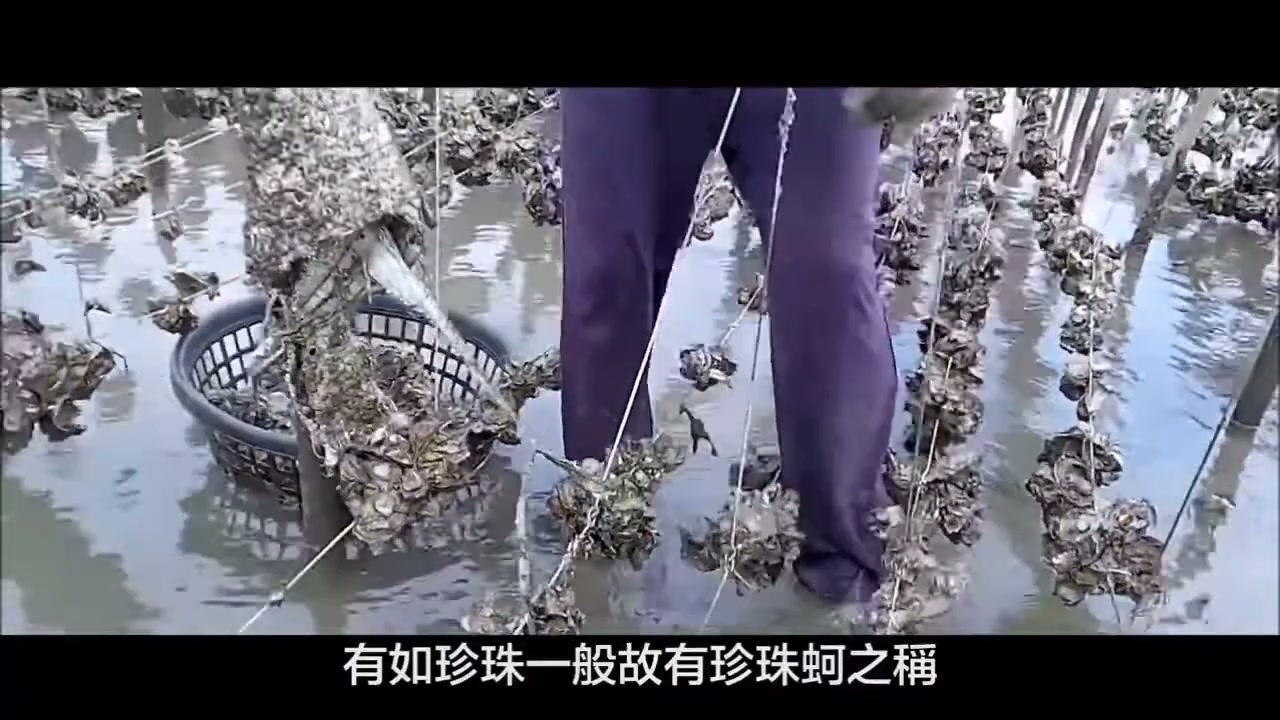
The workshop's audience also changed. Changhua's local-museum account records oyster art entering local teaching materials in 2004 and serving as a marine-culture study destination in 2007 and 2008. A discarded shell consequently became more than a saleable miniature: teachers could use it to connect a craft exercise with the coast where pupils lived. Those dates describe the educational development, not workshops that remain bookable under the same timetable.
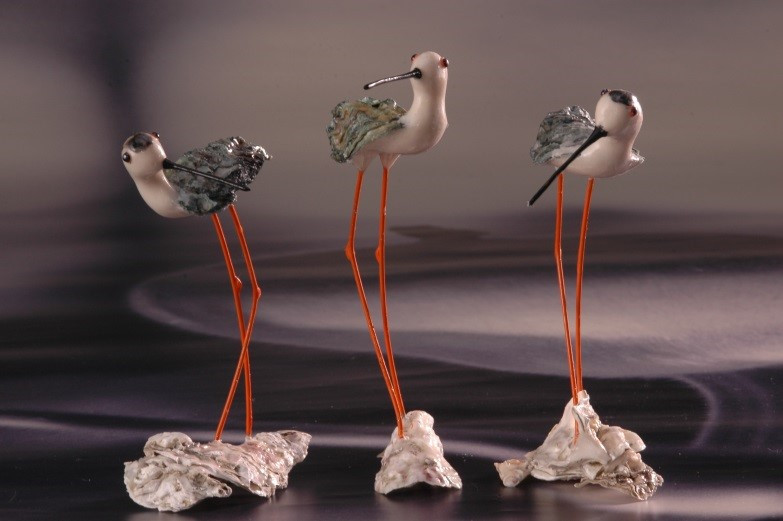
A shell can become a bird—and a reason to stay
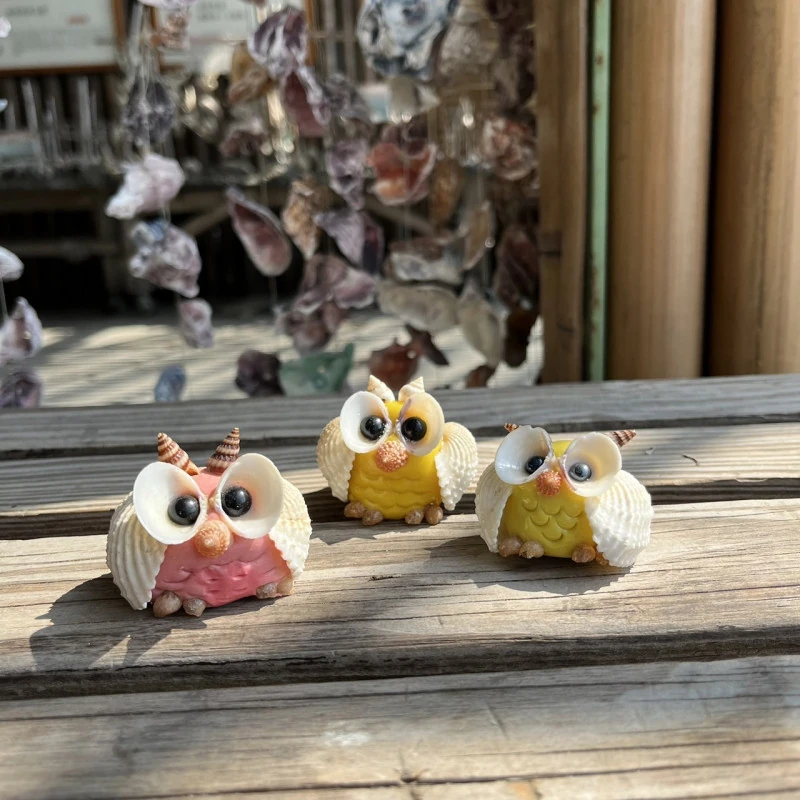
Current association products include bird-shaped card holders made by combining shells with a modelling body that contains ground shell powder. Owl figures use related material with additional shell elements. These small objects carry recognisable pieces of the original shell while adapting them to a desk, shelf or gift box: the craft has found uses beyond displaying a fishing village as a miniature scene.
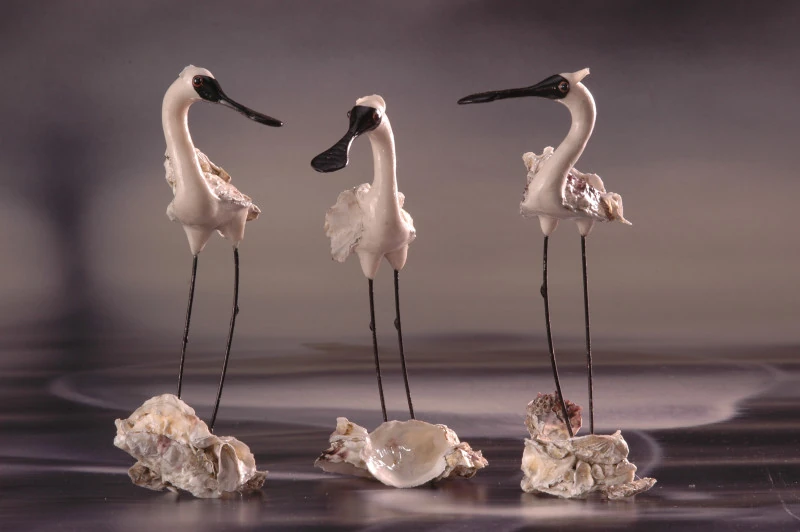
A visit can connect these two scales without rushing between them. Spend time at the harbour and temple during the festival, then arrange an oyster-art visit as its own stop. Asking how a shell becomes part of a figure opens a conversation about preparation and local work; buying or making an object becomes a more informed encounter with the place that produced it.
The collection includes an oyster farmer alongside birds and other figures. It brings the people of the coast into the same material world as its wildlife. In a bird-shaped card holder, a shell can remain legible as shell; in a person, a rough fold can become part of the figure’s presence. Following that transformation is one way to read the maker’s decisions without losing sight of the original material.
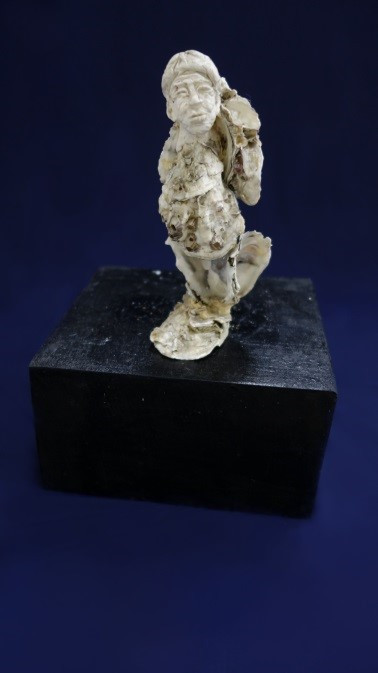
The museum also records government-supported training for local middle-aged and older residents and immigrant women. The material's new value depended on people learning a skill, not simply on replacing a purchased ingredient with waste. When booking, ask whether the session concerns making objects or marine-environment interpretation, and confirm which premises will receive the group. The current listing gives both 840 and 900 Yugang Road, so a single map pin is not a substitute for the host's confirmation.
Look closer
Look for the original shell edge within a finished bird or figure.
Compare whole-shell elements with areas modelled from shell-based material.
Visiting information
- Latest edition
- 8–9 August 2026, Wanggong Fishing Port; the edition has ended.
- Annual timing
- Usually a summer festival, in the summer months, with dates set by the organiser.
- Oyster-art visit
- Book with Wanggong Oyster Art Culture Association on 04-8936657 and confirm which premises and meeting point will be used. The county museum listing gives 840 and 900 Yugang Road; do not assume they are one entrance.
- Transport and return
- Bus 6708 links Lukang and Wanggong. Check the current timetable before choosing a return time; arrange evening festival transport separately from a daytime museum visit.
- Activity choices
- Oyster grilling, craft workshops and ecological tours are separate bookings.
Sources & historical context
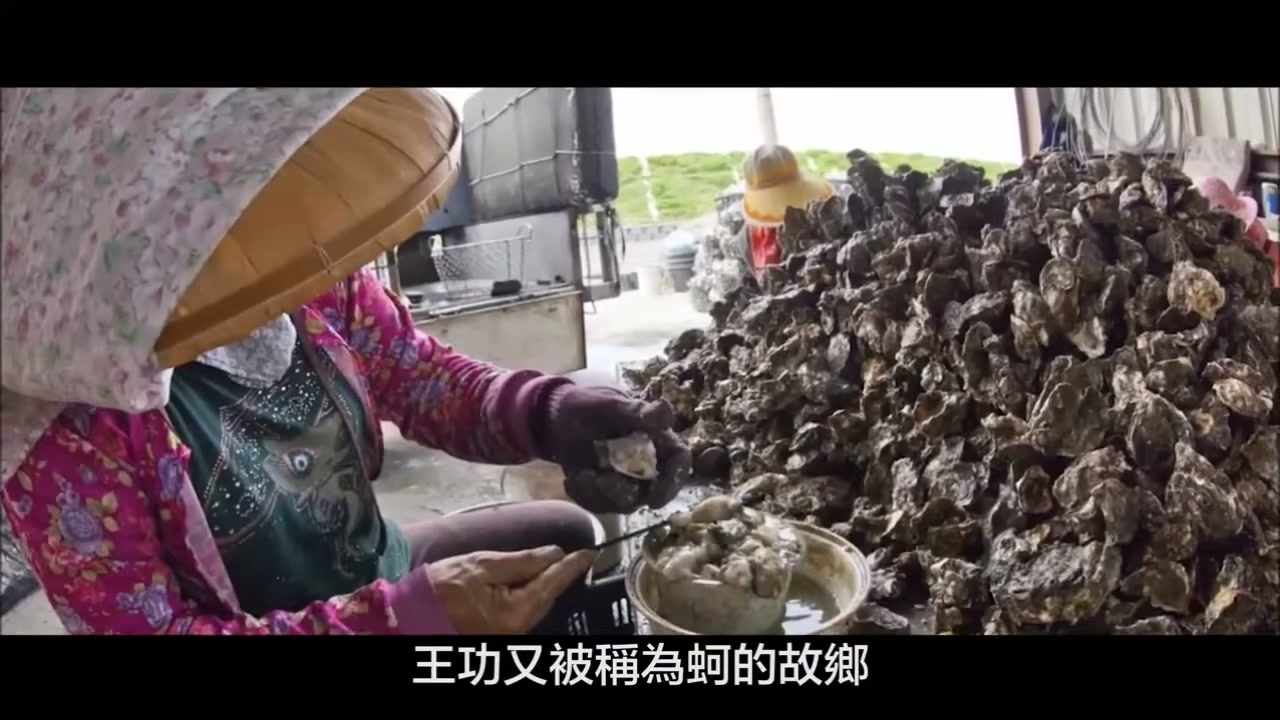
The harbour photograph dates to April 2024; the association documentary was published in 2022 and is not footage of the 2026 festival. The 2026 event has ended. Two historical accounts distinguish organizing in 2003 from official approval in 2004. Ask the association to confirm the meeting premises before visiting. Original image credits and licence information are retained by the existing site credit system.