
Cultural story · Food and local life
Tucheng Tung Blossom Festival: a spring shared by the city and its hills
Follow the celebration from an MRT plaza to a wooded park, where performances, local groups and falling blossoms give spring different rhythms.

The festival is scheduled for the spring blossom season, rather than one fixed calendar date.
The city venue and the hillside park offer different experiences; choose the destination before setting out.
A festival at the station exit
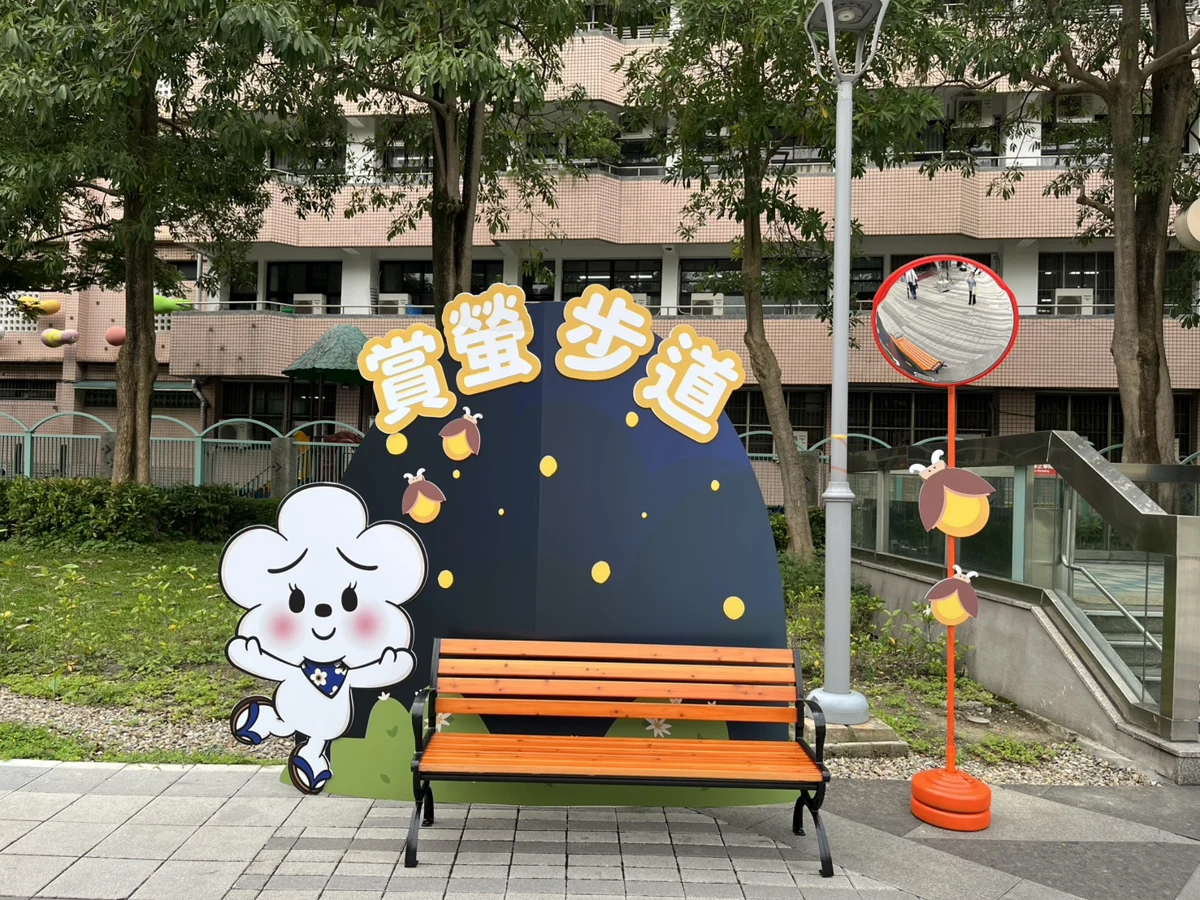
On 18 April 2026, the main festival moved to the plaza at Haishan MRT Station. The choice changed the first encounter: visitors could meet Hakka music and activities beside their everyday transport, before deciding whether to continue into the hills. A blossom festival could now begin with a station exit rather than a trailhead.
That edition brought popular musicians, local Hakka and Indigenous groups, and school performers into the programme. These were different ways of taking part in a shared public occasion. Listen for the change between a community performance and a guest musician: the stage can introduce local relationships as well as entertain a passing audience.
Tucheng’s district office traced the local festival back to the 1997 National Culture and Arts Season in its 2015 report. The event was then called the Tucheng Pilgrimage and Tung Blossom Festival. This is a documented modern cultural programme, rather than proof of an ancient flower rite. The shift from a mountain outing to later city venues can be read as successive decisions about how local culture reaches people, without treating any one year’s stage as permanent.
An image points back towards the hills
The 2026 programme used a transit-station theme. An installation labelled “firefly trail” placed woodland imagery beside the station, turning a familiar urban corner into an invitation to look beyond it. Its value lies in the connection it proposes: the sign is in the city, while the stream, trees and changing season remain on the hillside.
The district office also worked with the Tucheng Natural Landscape Conservation Association on ecological outings, alongside tung-flower painting and lei-cha experiences. A walk and a hands-on activity require different kinds of attention: one follows what grows nearby, the other follows a process performed together. Taken slowly, both can give a visitor more to remember than a photograph of white blossoms.
The same report explains why the tree once mattered beyond its flowers. Oil pressed from tung seeds served industrial uses such as paint and waterproofing; the timber could become furniture, clogs, toothpicks or matches. It also connects tung oil with Meinong’s oil-paper umbrellas. These are historical material uses, not an inventory of factories still operating in Tucheng. They give a visitor a second question to carry into the landscape: what did this plant supply before it became a seasonal image?
Read the blossom season at walking speed
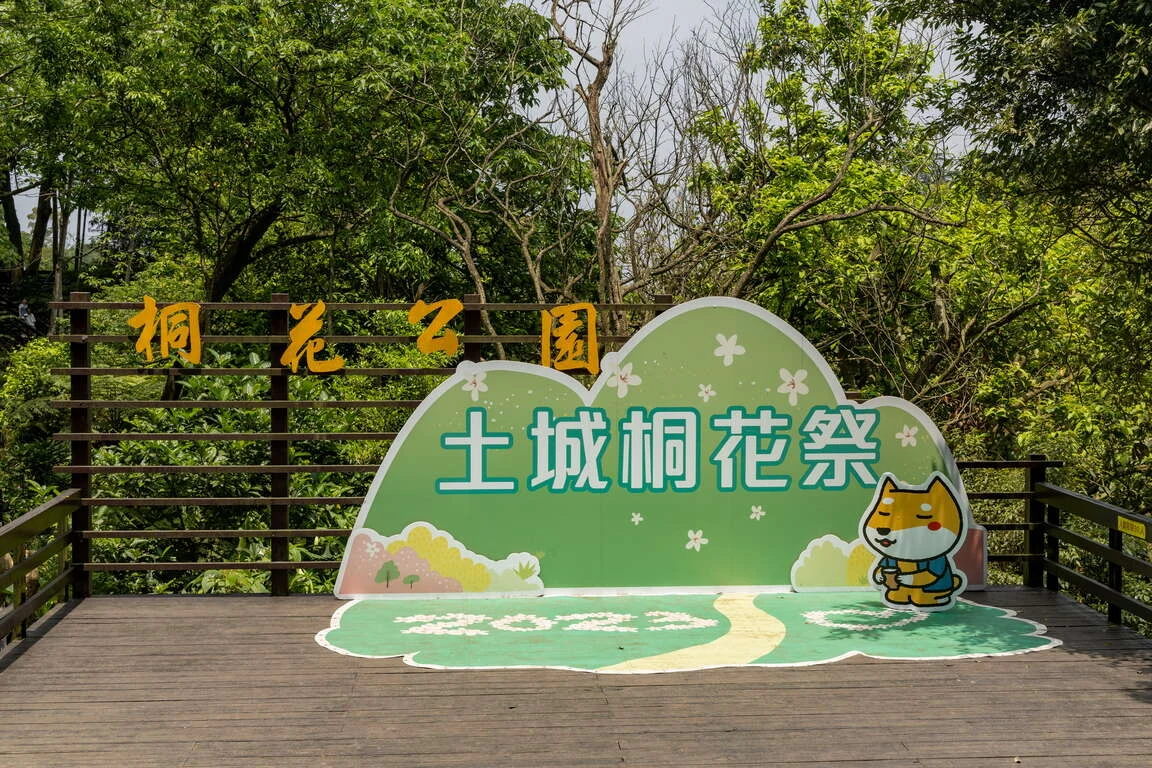
Tung Blossom Park opened in 2004 on the slopes of Tianshang Mountain. Its wooded paths, resting spaces and suspension bridge make the hillside accessible in several ways. In a visit photographed on 27 April 2025, travel writer Carrie Wu recorded fallen flowers along the steps and a walk continuing towards Tianshang Mountain. The account is useful for its close view of the ground: the season can be read in what has fallen, not only in what remains on the branches.
A park visit can remain a short, unhurried outing. Look from the path towards the canopy, pause at a resting place and notice how the wooded slope differs from the festival plaza. A longer mountain walk is a separate choice with its own return time. Keeping that distinction makes room for both experiences: a public celebration that gathers people and a landscape whose pace is set by weather and growth.
A park visit and an event visit use different evidence. The district’s park introduction identifies the hillside setting and paths, but a description of habitat restoration is not a promise that fireflies or blossoms will be visible on a chosen day. Outside a festival date, the useful observations are the tree canopy, fallen material and the layout of the slope. Flowering and wildlife remain seasonal; a trail continuation requires its own route and weather check.
Look closer
Compare the festival’s woodland imagery with the real park: a printed blossom, a flower on the ground and a tree overhead tell different parts of the same season.
Visiting information
- Date pattern
- Scheduled in the April–May blossom season; the programme date is announced separately each year.
- Most recent edition
- 18 April 2026, 09:30–17:00, at Haishan MRT Station plaza. This edition has ended.
- Festival travel
- For the 2026 main venue, take the Bannan Line to Haishan Station and use the plaza by exits 1 and 2. Return by the same MRT station.
- A separate park visit
- Tung Blossom Park is at No. 90-1, Chengtian Road, Tucheng. Plan the hillside visit in daylight and arrange its own return transport; the MRT plaza and park are separate destinations.