
Cultural story
Mgay Bari: a place to gather, even away from home
A park in Hualien can become a place for Truku people to remember home. The gathering joins people, textiles, language and the obligations carried from one place to another.
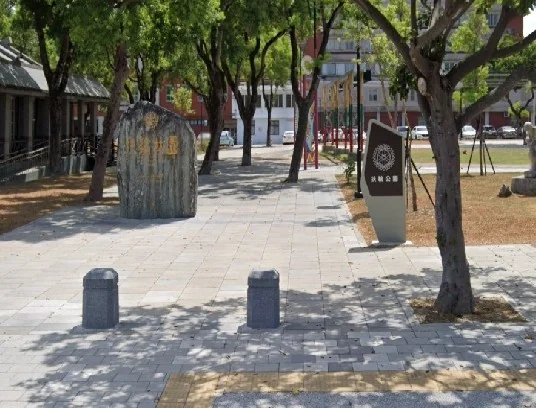
The Hualien City gathering gives dispersed residents a shared place.
Accounts of Mgay Bari connect gratitude with land and harvest.
Weaving and music are also part of how the gathering is sustained.
A city park can hold the memory of home
On 27 August 2022, Truku people gathered at Rotary Park in Hualien City. Tapung Huwi, also named Chen Tzu-hsuan, explained that residents who had left their home communities could still practise their culture together here. Tai Wen-hao valued the chance for people living apart to meet again. The park’s importance was therefore social as well as spatial.
Textile work appeared alongside the communal dancing that day. A woven object could show the patient work undertaken between annual gatherings, while the gathering brought its makers and viewers together. Moving to the city did not remove cultural work; it created a need for places where that work and the people carrying it could meet.
Gratitude has a relationship with land

Historical accounts connect Mgay Bari with the period after millet harvest, when elders agreed on a time to give thanks. Contemporary public gatherings also follow local arrangements: Hualien City’s summer event and Xiulin’s autumn programmes need not occupy the same date. Their calendars show different communities organising a shared cultural concern within present-day life.
Elder Hsu Tung-yi links the language of gratitude with cultivation and care for land. Wind, too, has a place in sowing and separating grain from husks. Read at this scale, gratitude includes the conditions that allow people to work and eat, alongside commitments taught through family and elders.
The wood itself helps explain the sound. An Indigenous television programme describes Truku xylophones made from prickly ash, Rhus javanica and tung wood: light materials that give a clear note, with tung producing a fuller sound. This is a repertoire of choices, not evidence that every instrument at the 2025 gathering used the same species.
The programme also tells a story of making
Xiulin’s 2025 Mgay Bari programme brought together traditional rites, a large wooden-xylophone performance, craft presentation and food activities. These parts required different skills. Making a musical sound, weaving clothing and preparing a shared meal all placed knowledge in bodies and materials, beyond the words printed on a programme.
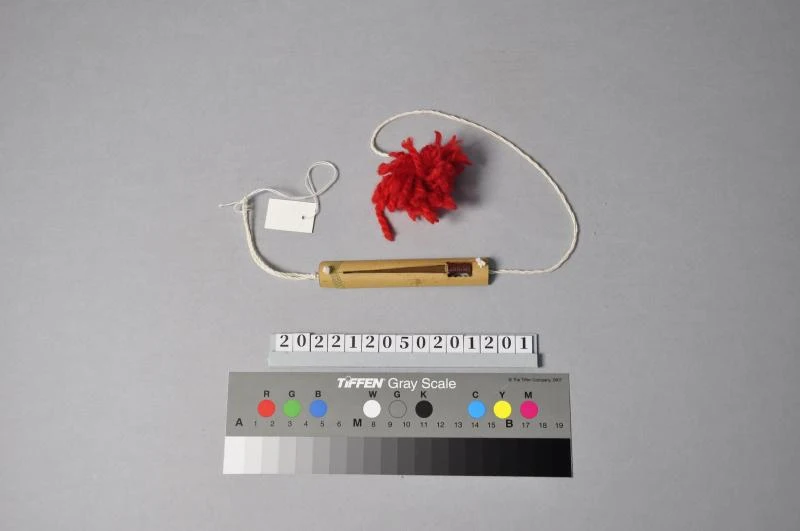
Another instrument brings sound closer to the body. A Truku mouth harp held by the Changhua Indigenous Cultural Hall uses a cord to set the instrument vibrating, while the player’s mouth acts as a resonating chamber. The small object makes an important point visible: musical knowledge includes the coordination of hand, breath and the changing shape of the mouth.
For a visit outside festival time, Hualien County’s Indigenous cultural centre provides a public introduction to the county’s six peoples through objects and exhibitions. It is a useful place to distinguish names, materials and local histories before encountering a gathering. The city park and the museum serve different purposes: one helps people meet, while the other makes room for slower reading and questions.
The programme describes three to six months of shade drying, followed by sawing and grinding bars of different lengths and thicknesses to tune them. Such instruments have accompanied dancing and also conveyed messages in daily life. Behind a short public performance lies a much longer preparation of wood and trained judgement; the demonstration does not grant permission to cut trees or enter a rite.
Look closer
Look for the work behind a textile or instrument, not only the performance.
Keep the host community’s name with its account of the gathering.
Visiting information
- Public museum
- Hualien County Indigenous Cultural Center, No. 460, Beixing Road, Hualien City.
- Opening hours
- Tuesday–Sunday 08:30–17:00; closed Mondays.
- Interpretation
- Use the exhibitions and reading area; ask about group interpretation at 03-8222312.
- Travel and return
- Take a taxi from Hualien railway station to the cultural centre and arrange a pickup for the return to the station.