
Cultural story
A basket, a child and the work of welcoming a new year
At Ita Thao, Shih Yu-hsien begins with a task he can carry out: preparing an ancestral basket. Around him, families and women ritual specialists sustain responsibilities that continue well beyond the festival.
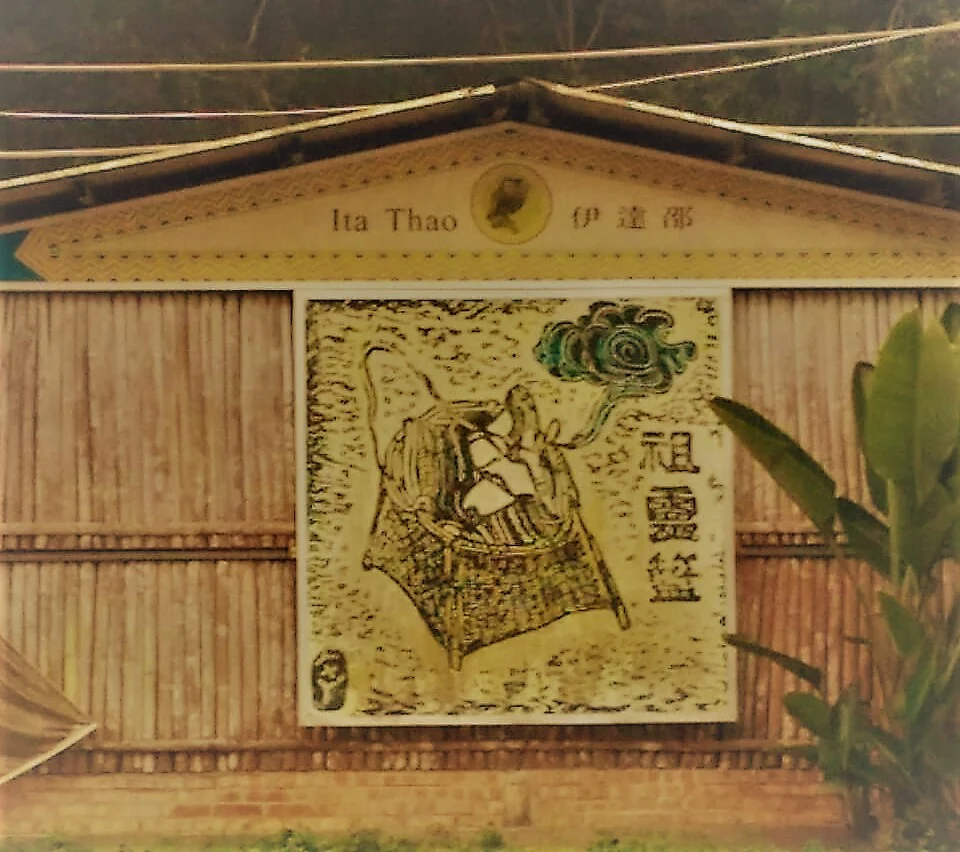
Children helped prepare ancestral baskets in September 2026.
The scale of the annual rite depends on who takes the presiding role.
Shinshii serve families through the agricultural and life calendar.
Learning begins with something to do
On the morning of 11 September 2026, families brought ancestral baskets to the ceremonial ground in Ita Thao. Shih Yu-hsien described helping arrange the basket and carrying it there. His explanation was practical: this was a part of the ceremony he knew how to assist with, and a way to continue learning within it.
That year’s observance ran for five days, in the smaller form used when no one assumed the presiding role for a major year. The important work still continued, including purification and welcoming the new year. Cultural worker Chien Shih-lang pointed to the women ritual specialists, or shinshii, whose continuing responsibilities help sustain the ceremonial system.
The calendar is also a set of relationships
The ancestral observance begins around the first day of the eighth lunar month. A major year may extend through much of the month, while a smaller year is shorter. These forms are connected with people accepting specific responsibilities. Calendar dates alone cannot show the preparation, household participation and ritual knowledge that make either form possible.
Shinshii also assist at marriages, funerals, healing prayers and the beginning of a house’s construction or occupation. Their work follows sowing and other agricultural observances through the seasons. The community’s account of this role places the women within everyday needs as well as the annual gathering, connecting households with their ancestors at several turning points in life.
The work includes caring for clothes, not only leading a ceremony. Thau cultural worker Shantiaz, Chen Ming-yeh, describes the shinshii unfolding and refolding ancestral garments before addressing the ancestors. Clothing inside an ulalaluan is not a sample collection for visitors to browse. Its handling connects a particular household with the people whose garments remain there.
Listen to the lake through its people
The sound of pestles also carries Thao memory. In the 1920s, writer Satō Haruo heard it across Sun Moon Lake; much later, language workers brought elders, adults and children into shared performance and learning. The musical encounter depended on people teaching words and patterns, with different generations carrying parts of the same work.
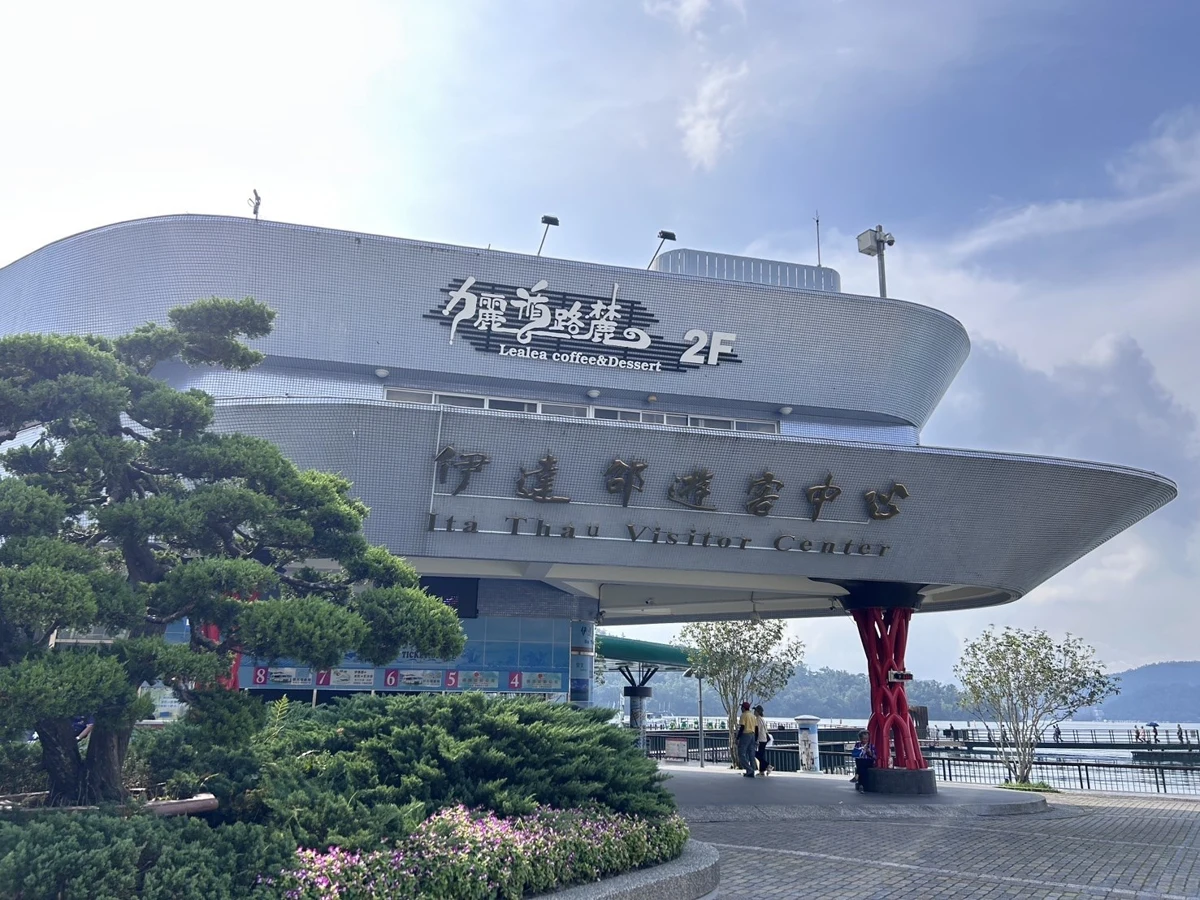
Ita Thao Visitor Center introduces the lakeside setting through its boat-shaped building and interpretation of Thao culture. Start there, then walk through the public waterfront and streets with the names of the community’s people and practices in mind. A visitor service and a family’s ritual ground serve different purposes; hosts guide any participation in ceremonial space.
Her 2022 account follows Dalum Lhkatanamarutaw, Wang Li-fen, through the Pashiraq initiation that April. Wang and her husband had served as principal hosts in 2000, after the earthquake. Initiation opened another stage of learning: the unpaid office is lifelong and not inherited automatically. The story shows why replacing an elder is more demanding than simply appointing someone to fill a vacant place.
Look closer
In the September 2026 account, notice the different responsibilities carried by households, children and shinshii.
Connect the sounds and place names encountered around the lake with Thao life.
Visiting information
- Public visitor centre
- Ita Thao Visitor Center, 2F, No. 127, Wenhua Street, Riyue Village, Yuchi Township, Nantou County.
- Opening hours
- Daily 09:00–17:00.
- Visitor enquiries
- Visitor information and local interpretation: 049-2850660.
- Travel and return
- From Taichung, take a Sun Moon Lake service to Shuishe, then continue to Ita Thao by lake bus or boat. Plan the return connection to Shuishe before leaving the waterfront.