
Tafalong: From Ancestral House to Living Memory
Begin with the ancestral house, continue to the museum, and learn through the people who care for local knowledge. Arrange visits through the community.
90 seconds · English captions in the film; optional English and Traditional Chinese CC.
Film sources and complete bilingual captions
The source was published by PTS on 2025-11-03; exact field-recording dates are not independently established. Historical photographs, ritual sequences and earlier rebuilding inserts are excluded.
00:00:00,000 --> 00:00:04,000
Tafalong
A house and living memory
太巴塱
祖屋裡的生活記憶
00:00:04,000 --> 00:00:10,000
Begin with the people who care for the house.
先認識照顧這座家屋的人。
00:00:10,000 --> 00:00:14,000
Step through the carved entrance.
走過雕刻的入口。
00:00:14,000 --> 00:00:17,000
Light falls across bamboo and wood.
光,落在竹與木之間。
00:00:17,000 --> 00:00:22,000
Carved figures invite a closer look.
靠近一些,看看雕刻裡的人物。
00:00:22,000 --> 00:00:30,000
Everyday objects have stories, too.
日常器物,也有自己的故事。
00:00:30,000 --> 00:00:35,000
Underfoot, bamboo forms the floor.
腳下,是竹編成的地面。
00:00:35,000 --> 00:00:40,000
Knowledge lives in how things are used.
知識,也留在器物的使用方式裡。
00:00:40,000 --> 00:00:45,000
Let the family explain what the images mean.
圖像的意義,交由家族的人來講述。
00:00:45,000 --> 00:00:49,000
Continue at Tafalong Cultural Museum.
再走進太巴塱文物館。
00:00:49,000 --> 00:00:55,000
Take time to look, and time to listen.
留時間看,也留時間聽。
00:00:55,000 --> 00:01:00,000
A garment carries traces of making and repair.
一件衣服,留下製作與修補的痕跡。
00:01:00,000 --> 00:01:05,000
Look at the forms of working tools.
看看工作器具的形狀。
00:01:05,000 --> 00:01:10,000
See the tools used in weaving.
看看用於織作的工具。
00:01:10,000 --> 00:01:15,000
Headdress details reward a closer look.
靠近一些,看看頭飾的細節。
00:01:15,000 --> 00:01:20,000
Objects belong to people and relationships.
器物,也連著人與關係。
00:01:20,000 --> 00:01:26,000
A visit becomes richer through local voices.
聽見在地的聲音,參訪才更有層次。
00:01:26,000 --> 00:01:28,000
Read the story. Then meet the place.
讀過故事,再走進現場。
00:01:28,000 --> 00:01:30,000
Taiwan, Layer by Layer
島嶼年輪
Community and living memory
Tafalong: bringing an ancestral house back into community life
Carved posts travelled to Taipei; rebuilding brought families, young people and a museum into a long conversation about home.
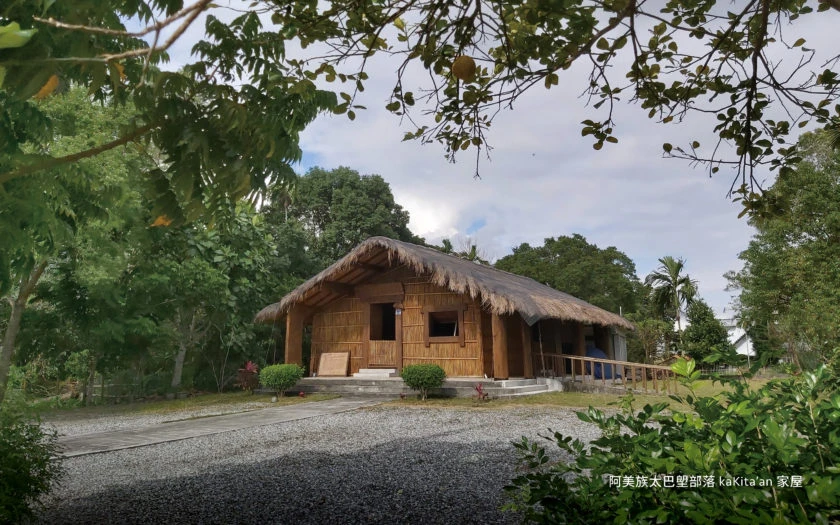
Begin at Tafalong Museum, then arrange a community-led visit.
Read the carved figures with the house and family history, rather than as isolated patterns.
A house that could not be replaced by a display case
In 1958, Typhoon Winnie destroyed the Kakita’an ancestral house in Tafalong. The carved wooden posts were later taken to Taipei through the efforts of ethnologist Liu Pin-hsiung and entered the museum of Academia Sinica’s Institute of Ethnology. The move protected fragile objects, but the building that had held them no longer stood in the community. A preserved post and a house in use answered different needs.
In August 2003, young representatives visited the institute to ask for the posts’ return. Rebuilding required conversations among the family, ritual specialists, other residents and museum staff. The ancestral spirits were eventually welcomed back and the house rebuilt. Hu Tai-li followed this process with a camera from 2003 to 2010, recording not simply construction but the relationships that made a house possible again.
The figures belong to a genealogy
The Kakita’an family traces its ancestry to survivors of a great flood. In this family tradition, figures carved into the house recount ancestors and origins; their arrangement follows inherited rules. Looking only for an attractive motif misses the role of the person who can explain who a figure represents, where it belongs and why a particular family keeps that account.
The 2020 account of the reconstruction distinguishes the rebuilt house and posts from the original objects retained at Academia Sinica. That distinction gives a visit depth. A new structure can restore meetings and ritual work without becoming the old timber itself. In the same year’s National Treasures in Light exhibition, illuminated posts and recorded voices offered yet another form of access: visitors listened to stories that an object’s outline alone could not tell.
In an interview at the rebuilt house, ina Tipos pointed to a differently tied section of the takakel platform: it marked her own participation in the communal weaving. Rattan forms the platform, supported above ground by bamboo so air can circulate and worn strips can be replaced. Rattan lashings also join timber beams. Reconstruction becomes legible in small connections, including a maker's imperfect but remembered knot.
A public doorway into the community
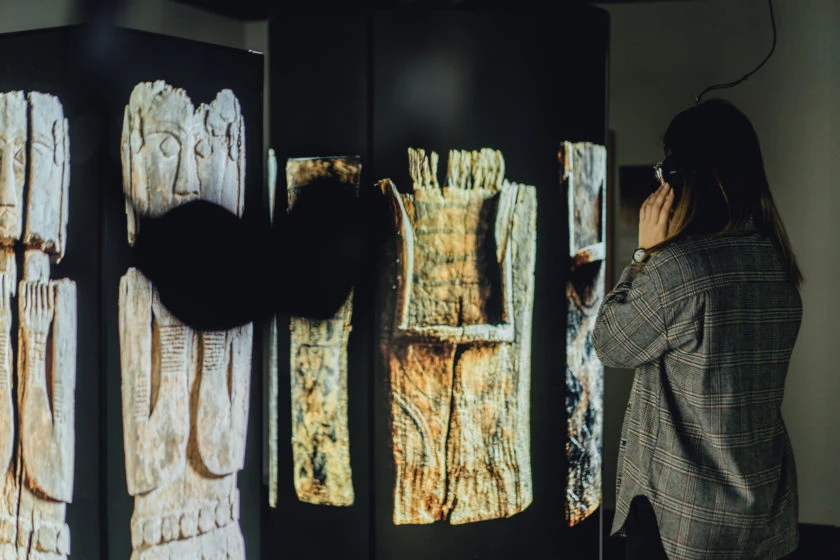
Tafalong Museum opened beside the ceremonial square in 2023. Its first exhibition brought household objects, weapons, drinking vessels and oral traditions into a shared public setting. Local artist Tafong and community age groups also participated in discussions and work around the new cultural space. The museum gives visitors a place to learn names and relationships before walking into a neighbourhood where people continue to live.
Allow time for both an object and its explanation. The difference between an original post, a reconstructed house and an exhibition image becomes easier to see when their dates and purposes are kept together. From the museum, a community-led walk can connect these accounts with the square and streets. The most useful question is often small and specific: who looks after this place, and what work keeps it part of life today?
Kaka Mayaw described bringing a little building or weaving material home after mountain work, accumulating it before repairs were needed. The account records a roof rethatched in August 2021 and temporarily held by netting while the new grass was still loose. The house therefore needs preparation between major rebuilds. Its hosts also asked visitors not to touch the carved posts: an invitation to listen does not remove the household's rules.
Look closer
Compare dates and functions of original objects, reconstructed buildings and exhibition interpretations.
Listen for family names and the relationships behind carved figures.
Visiting information
- Start here
- Tafalong Museum, 86 Guangfeng Road, Guangfu Township, Hualien; 03-8700018. Contact the museum to arrange opening and guided-visit details.
- Time to allow
- Allow about 60–90 minutes for the museum; book additional time with a community guide for the square and neighbourhood.
- Current stop change
- The Red Glutinous Rice Centre reopened in late March 2026 as the “米粒如福” restaurant in the Guangfu Sugar Factory grounds, separate from the museum. Confirm its location and booking with the operator before arranging a meal.
- Arrival and return
- Arrive at Guangfu railway station and arrange the onward ride to the museum with your guide or a taxi. Agree the return pickup before the walk.
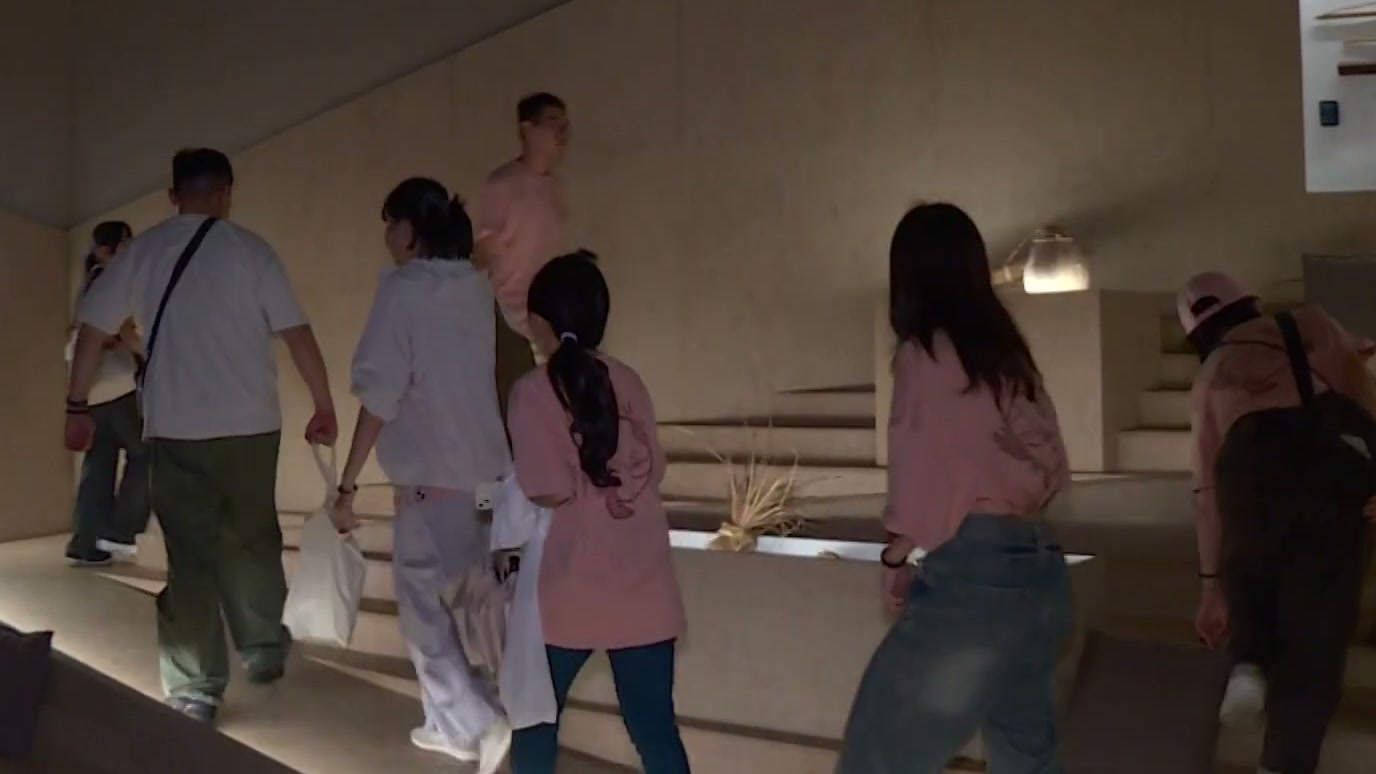
1. Begin with the people who care for the house
At the Kakita’an ancestral house in Tafalong, a family carries and explains its own memories. Begin with its people before looking at the posts, roof and floor.
The ancestral house has its own rules, and visitors should not enter independently. Arrange a visit through the museum or community, with someone familiar with the house to guide the encounter.
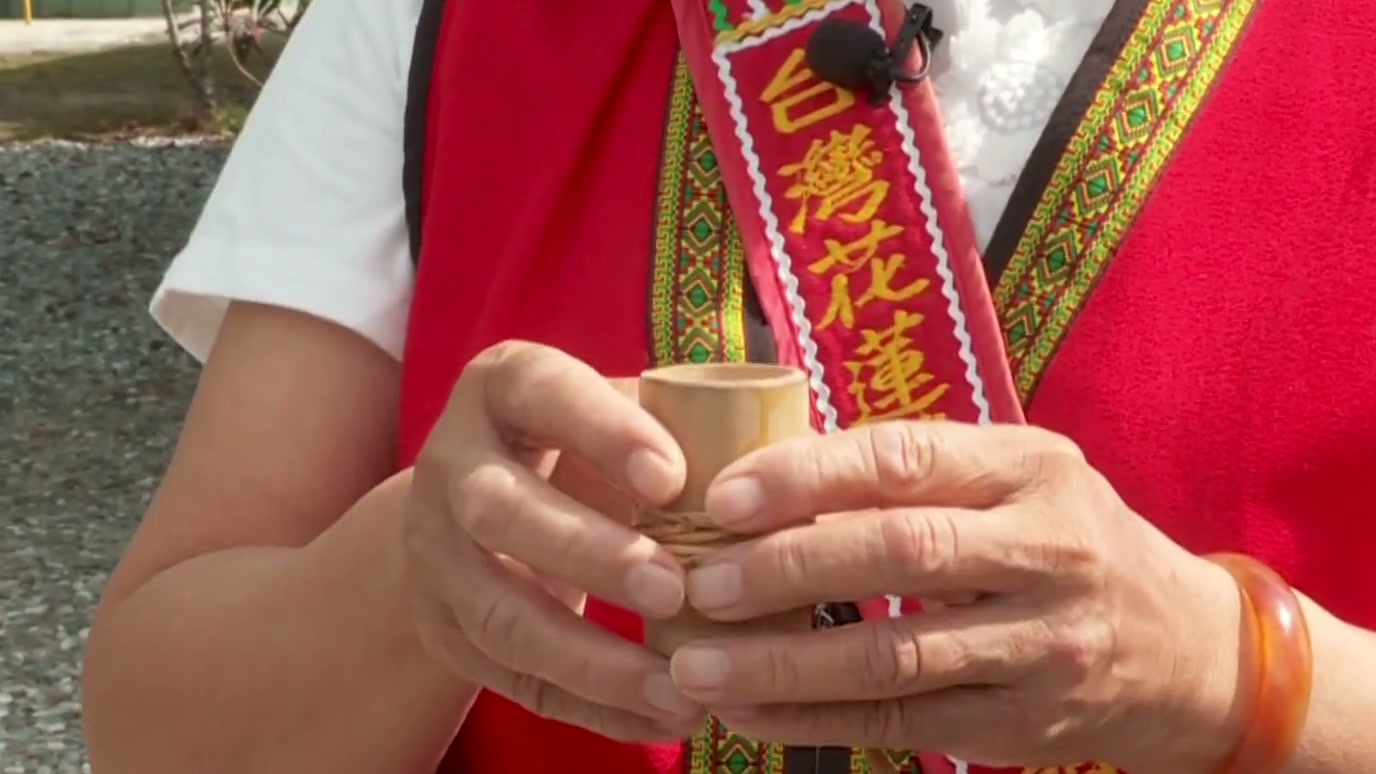
2. Carving, bamboo and objects in use
Inside the bamboo-and-wood space, carved figures appear with posts and walls. They are not isolated decoration: their names, relationships and placement need the explanations of the people who keep them.
Distinguish original pieces in Academia Sinica’s collection, the rebuilt community house and exhibition interpretations. Look at who cares for an object and how it is used, connecting its form with human relationships.
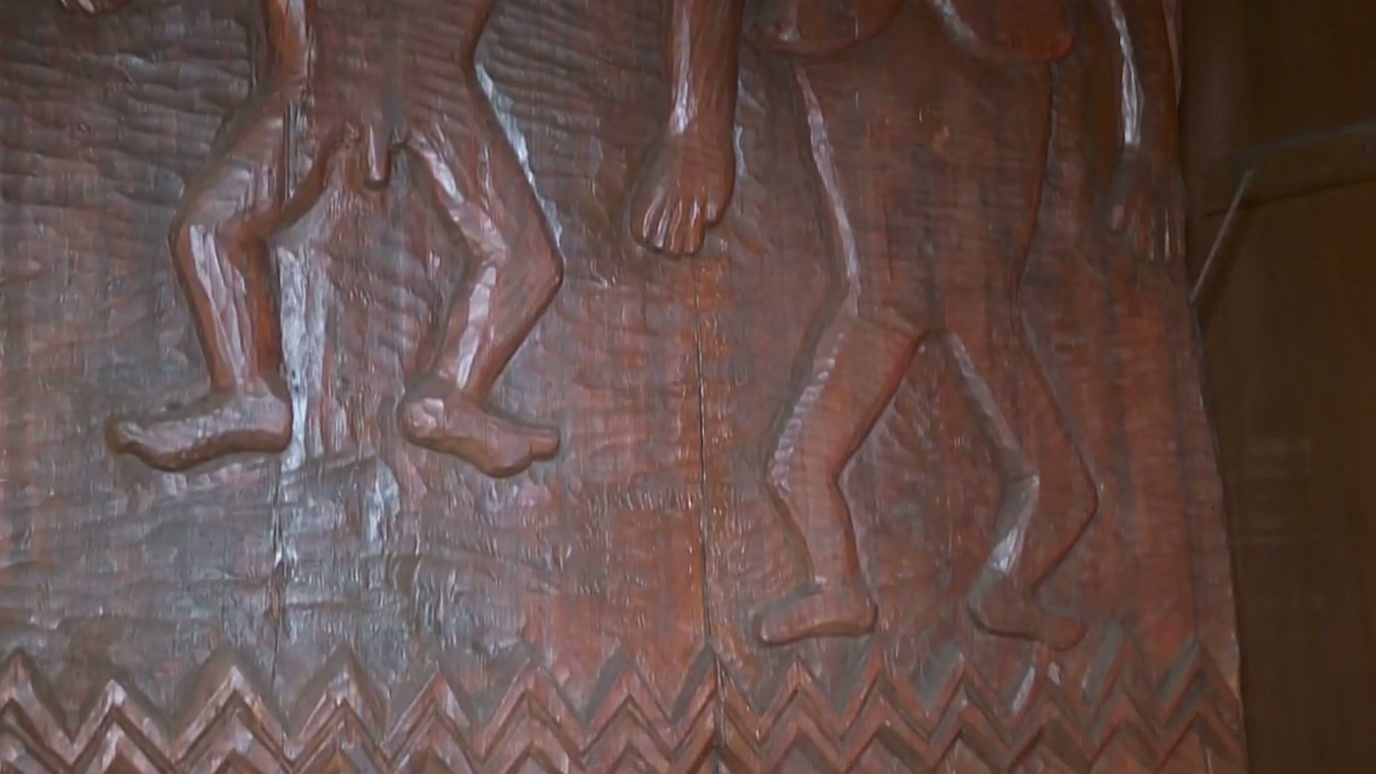
3. Continue from the house to the museum
Established in 2023, Tafalong Cultural Museum brings oral stories and everyday objects into a shared exhibition space. Learning names here can prepare visitors to understand the community beyond the galleries.
Plan the ancestral house and museum as two complementary encounters: one retains family care and use, while the other provides displays and interpretation. Confirm current exhibitions, guided visits and reception times with the museum before travelling.
4. Notice the details of objects and adornment
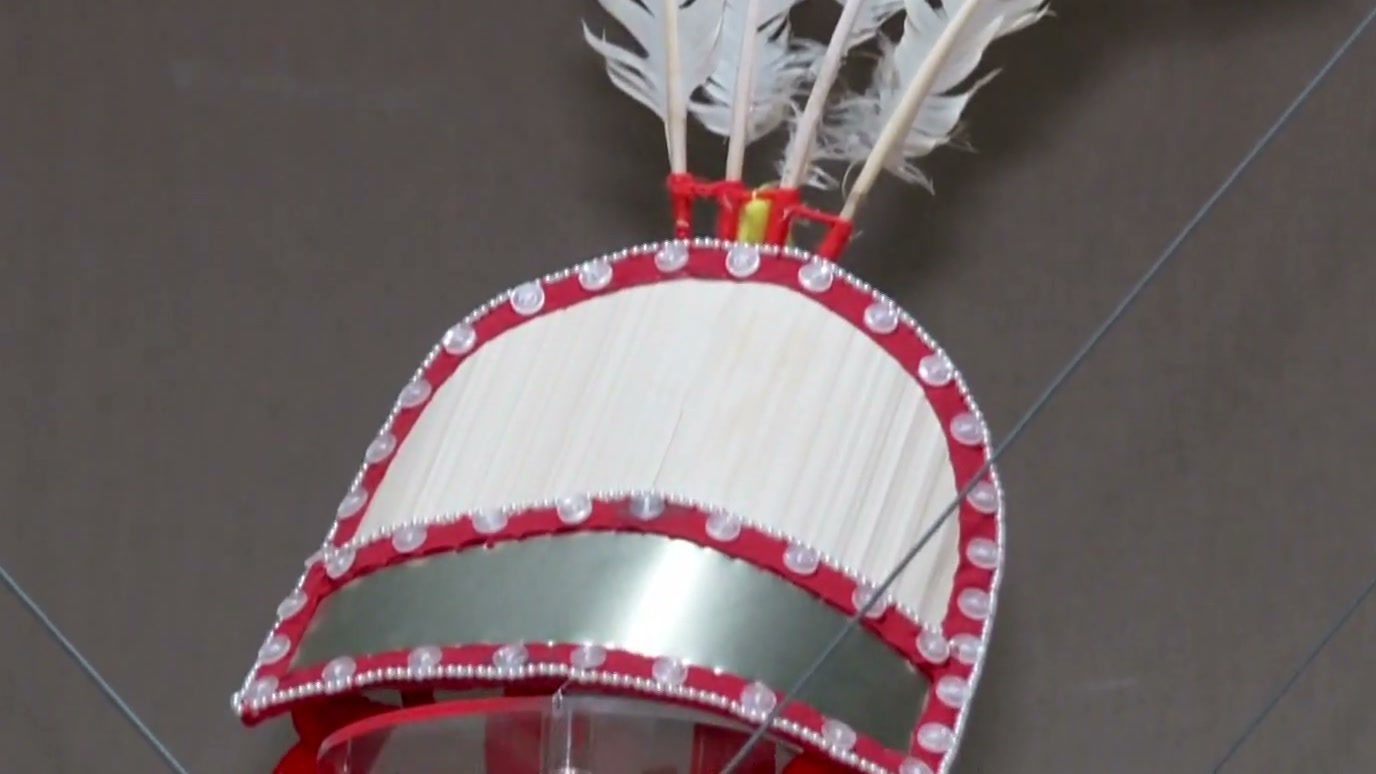
Bark cloth, working tools, weaving components and a headdress occupy different parts of the gallery. A closer look at forms, lines and construction helps each object retain its own context.
Wearing rights, ritual functions and material origins require local knowledge and should not be inferred from a close-up alone. Leave time to learn from the guide, connecting the beauty of objects with the people who use them.
5. Arrange a guided visit after the story
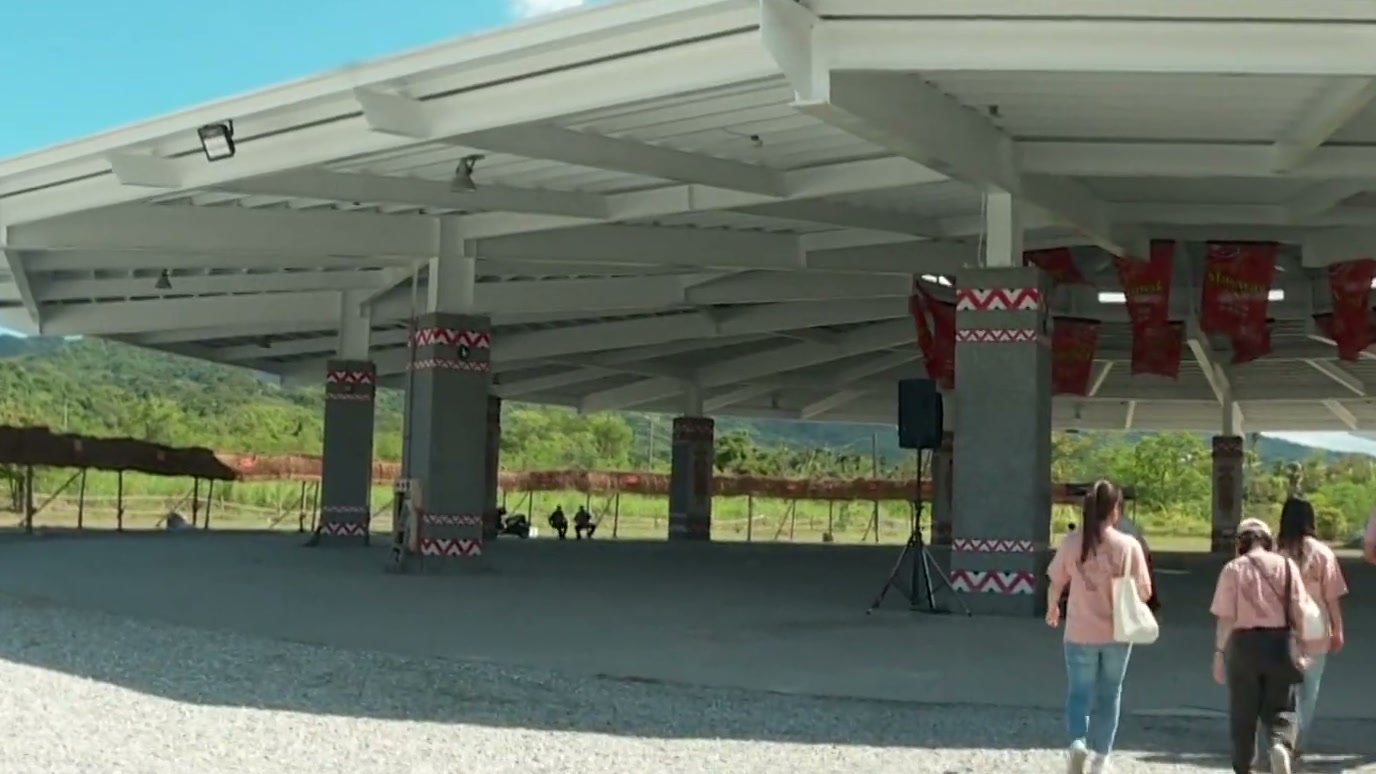
Outdoors, visitors follow the guide toward a gathering space. House, objects and the people who explain them reconnect different ways of looking, returning the visit to the community’s own hospitality and interpretation.
Tafalong Cultural Museum is at 86 Guangfeng Road, Guangfu Township, Hualien County. Confirm opening hours, guided visits and return transport. Respect house, ritual and photography rules; access depends on current local arrangements.
Article, image and music sources
The source was published by PTS on 2025-11-03; exact field-recording dates are not independently established. Historical photographs, ritual sequences and earlier rebuilding inserts are excluded.
- PTS: Tafalong local-travel programme
- Hualien County: Tafalong Cultural Museum
- Council of Indigenous Peoples: Kakita’an ancestral-house rebuilding
- PTS original public video recording
Music: 把時間留下 · AI-generated instrumental.