
Cultural story
A boat carries more than a catch
A boat-maker’s explanation in Keelung opens a route back to Lanyu: fishing, preparing food and delivering it to relatives are connected parts of a maritime life.
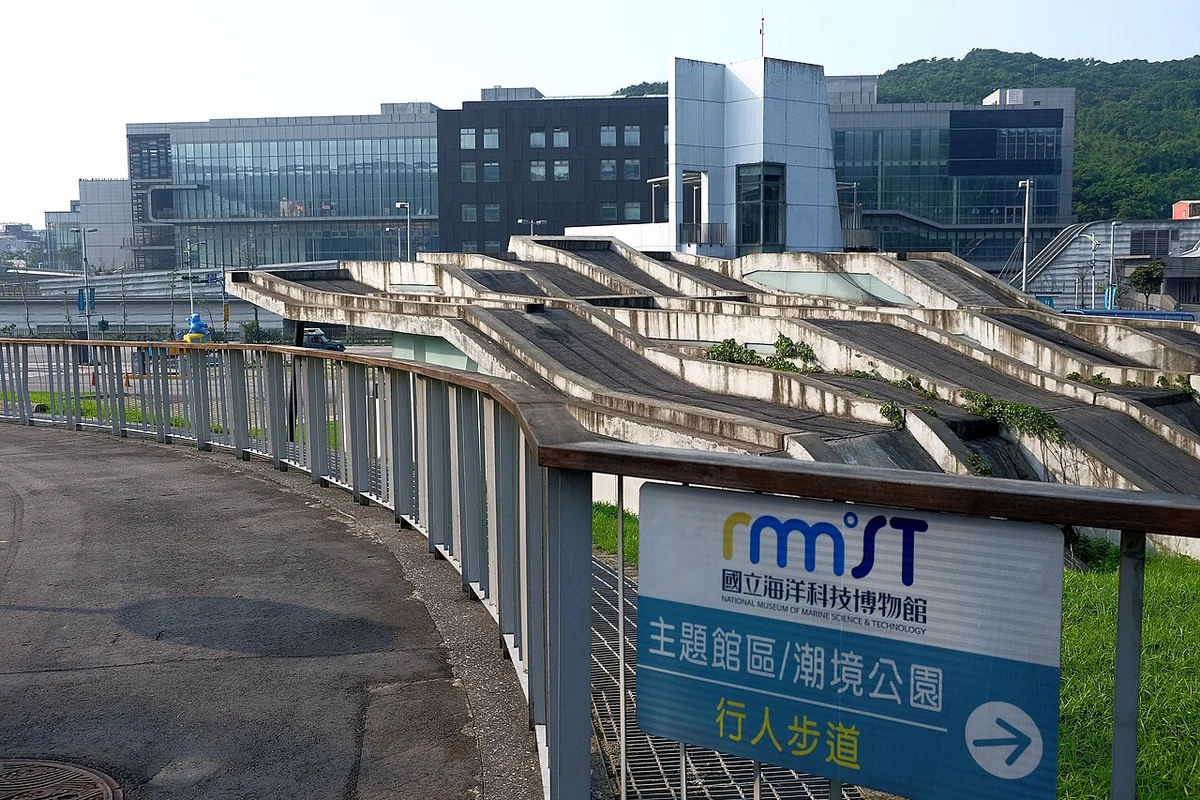
Tao elders interpreted a museum boat in Keelung in October 2026.
Fishing seasons also organise work and food sharing ashore.
A food delivery teaches children who their relatives are.
The maker stands beside the boat
On 4 October 2026, Tao elders visited the National Museum of Marine Science and Technology in Keelung. Standing beside a collection boat, one of its makers explained why plank boats continued to matter in Tao life. Schoolchildren remembered a practical detail: cotton could be carried to plug a leak. An object behind a museum label became a vessel whose construction and use could be discussed with people who knew it.
For Tao young people living in northern Taiwan, the meeting also connected learning about their own culture with explaining it to friends. A planned paddling activity followed the discussion. The boat brought together makers, returning listeners and new learners; the knowledge did not travel through the object alone.
The fishing season changes the work on land
Around late winter and spring, communities on Lanyu begin their flying-fish season according to local decisions and sea conditions. The ceremonial sequence distinguishes the work of large fishing crews from later small-boat fishing. Nets, boats and the handling of the catch belong to an ordered set of relationships, with practices varying among the island’s communities.
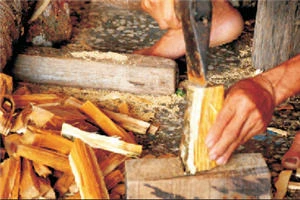
When the large crews’ work reaches a pause, food offers thanks for the effort at sea. Women prepare taro cake and land-crab meat for the occasion often translated as the consolation feast. The ingredients require work of their own: harvesting, cooking and carefully removing crab meat. The fisherman’s return is met by another set of skills, learned and practised ashore.
A boat's timber is chosen by job. The National Museum of Prehistory describes hard, wear-resistant wood such as Lanyu longan for the keel, while lighter, broad buttress wood such as breadfruit suits side planks. The hull brings different plant properties together. Looking from the base up the sides makes this division easier to follow than treating every painted board as the same material.
A child carries food, and learns a relationship
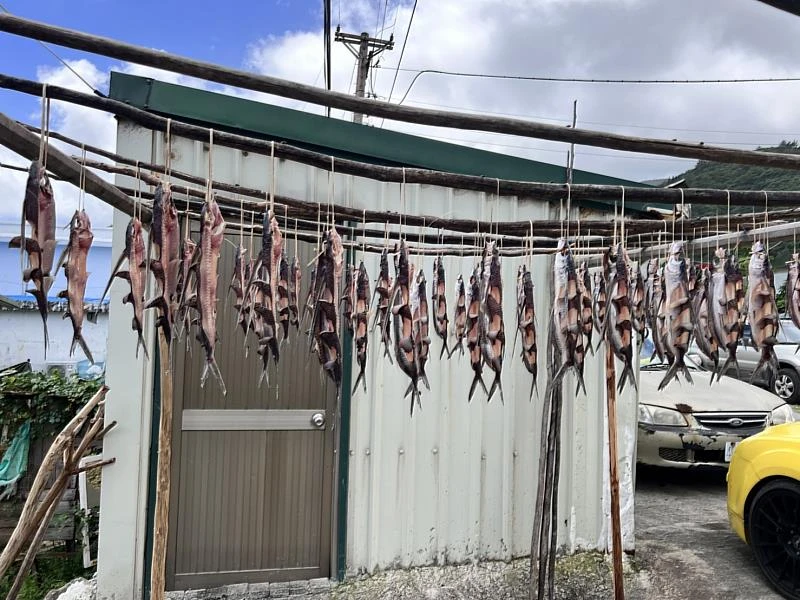
Around the harvest period, often near June, households exchange crops and food from the sea. Elders ask children to take portions to relatives, turning a delivery into a lesson in family relationships. A child learns the route, the household and the person receiving the gift. Sharing is repeated through such ordinary journeys, not only spoken about during a ceremony.
Drying fish extends the catch beyond the day it comes ashore. Refrigeration has changed how long households can keep it, and decisions about eating after the traditional end-of-fish period now vary. The calendar remains a way of negotiating food, family and the sea. In a museum or on a community-led visit, those relationships give a boat or a row of drying fish a history beyond its appearance.
Small-leaved mulberry heartwood supplies joining pegs; white fibres from the roots of Lanyu prickly ash fill seams in the traditional method described by the museum. That plant-based packing should be distinguished from the cotton repair mentioned in the 2026 demonstration. Both direct attention to the joints, where boards must stay together and resist leaks. Neither account permits touching a working boat or testing it without its owner's agreement.
Look closer
When a plank boat is on display, examine its joints; read the maker’s maintenance explanation in the account of the 4 October 2026 meeting.
Follow the work between a catch, a preserved fish and a shared meal.
Visiting information
- Public starting point
- National Museum of Marine Science and Technology, No. 367 Beining Road, Zhongzheng District, Keelung.
- Hours and tickets
- Main exhibition building: weekdays 09:00–17:00, weekends and holidays to 18:00. Closed Mondays and Lunar New Year’s Eve; open Mondays during summer, national holidays and consecutive holiday periods. Adult admission NT$200. Enquiries: 02-24696000.
- Travel and return
- Take the train to Ruifang and transfer to the Shen’ao Line for Haikeguan station. Plan the return transfer at Ruifang before leaving the museum.
- Visiting Lanyu
- Lan En Cultural Museum, No. 147 Yuren, Lanyu Township, Taitung; enquiries: 089-732073. Tuesday–Sunday 08:30–12:00 and 13:30–17:00, closed Mondays. Admission NT$100; concession NT$50.
- Objects and local interpretation
- Guided tours at 10:00 and 15:00 take about 40–50 minutes; no guided tours on Tuesdays. Group tour reservations require at least 15 people; enquire with the museum. Arrange local transport from the airport or Kaiyuan Harbour and leave time for the return journey.