
Cultural story
Taike Rock: when an uncomfortable label became a stage
The 2006–2007 Taichung carnival placed rock bands, electronic floats and local street culture within the same field.
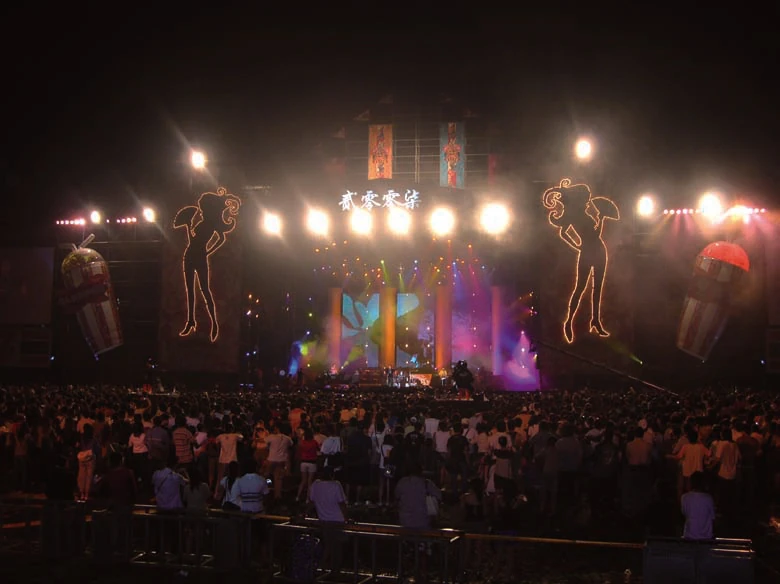
This is the story of the 2006–2007 carnival, rather than a current ticketed event.
The 2006 event took place on 1–2 April at the planned concert-hall site in Taichung.
Read the stage design alongside the changing meaning of the word taike.
Who gets to decide what looks local?
Before it appeared on festival posters, taike could be a dismissive judgement about somebody’s clothes, accent or manners. By the mid-2000s, musicians and audiences were also using it as a statement of local character. The change did not happen by replacing a dictionary definition; it unfolded through songs, clothing and public performances that made the label usable in a new way.
The 2005 indoor concert in Taipei was followed by an outdoor carnival in Taichung on 1–2 April 2006. Wu Bai, Bobby Chen, MC HotDog and other performers shared the billing with newer acts. Bringing rock, rap and different generations of singers together gave the word a broad, sometimes unruly musical setting instead of a single approved sound.
The 2006 event also sold a Taichung special-edition compilation and drew corporate sponsorship. Local identity was becoming something that could circulate on records and advertising as well as on stage. That commercial dimension helps explain the carnival’s reach: a once dismissive word was now printed on a product that listeners could choose to buy and carry home.
The record label’s catalogue makes the commercial object precise. Its Taichung commemorative edition has three CDs, advertised as twenty-eight original recordings and fourteen remixes. A set called ‘rock’ therefore places different kinds of tracks under one cultural name. The selection and sequencing are themselves decisions about what listeners will recognise as Taike, rather than evidence that all the musicians used one genre or held an identical view of the term.
The street enters the festival grounds
Organiser Ni Chung-hua’s 2006 plan included seven stages, with electronic floats, market-style selling and puppetry among the settings. Food and record stalls added places to stop between performances. Elements familiar from fairs, neighbourhood entertainment and night markets were deliberately placed beside a large music stage, turning ordinary visual languages into part of the programme.
Contemporary audience diaries retain the smaller reasons people attended. One visitor’s April 2006 account simply centres on wanting to hear Bobby Chen, then lists duets involving Wu Bai, Cyndi Wang and Cheer Chen. That modest motive matters: a cultural label can organise an enormous event, while an individual listener still enters through one familiar singer and discovers the rest from there.
The smaller acts were scheduled from afternoon into early evening, followed by the principal evening performers. This structure gave an arriving audience time to move between unfamiliar music and familiar names. The carnival format made discovery part of the day’s organisation, even for somebody whose original reason for travelling was a single headliner.
An open field becomes part of a city’s memory
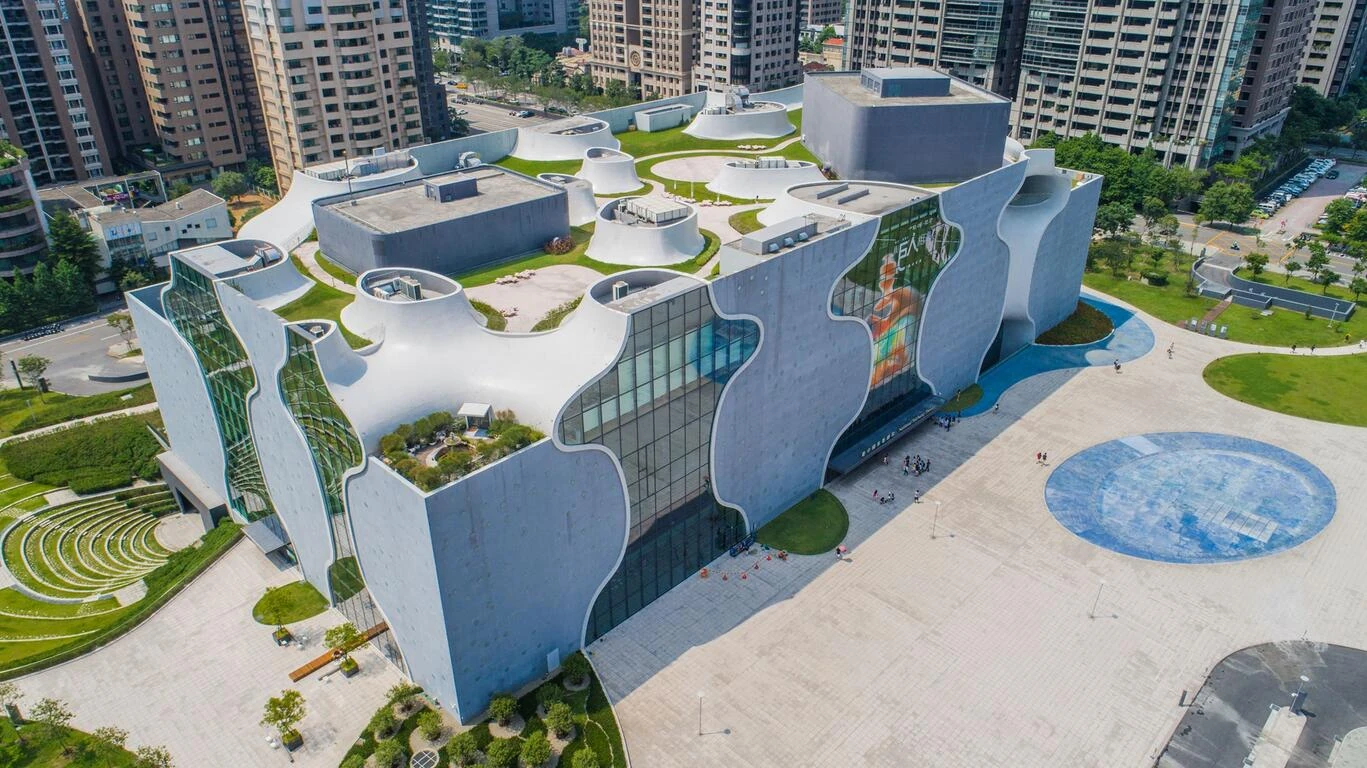
The carnival returned to Taichung in May 2007. City cultural records describe established stars and emerging bands appearing in the same event, while accounts of the smaller stages record further mixtures of styles and audiences. The festival’s significance lies partly in that temporary coexistence: local identity was performed through arrangements, collaborations and choices about who could occupy a stage.
Today, the National Taichung Theater and the surrounding streets give this history a physical reference point. The present building belongs to a later phase of the district. Comparing its established theatres with photographs of temporary outdoor stages reveals how differently a city can make room for music—and how a vanished event can remain readable through the place around it.
The track list offers a concrete comparison: the first discs group recordings by artists including Wu Bai, Chen Sheng and Lim Giong, while the third is presented as a remix selection. Comparing an original recording with its reworked dance-oriented context can reveal a different framing of a familiar voice. These are catalogue recordings, not a list proving who sang each song on the 2006 stage. The historical concert and the album remain related but distinct records.
Look closer
Compare the historic stage signage with the later theatre district.
Notice how the programme placed different styles together.
Visiting information
- Historical period
- Documented Taichung carnival editions in 2006 and 2007. Visit the surrounding district today through the National Taichung Theater.
- Present-day visit
- National Taichung Theater: 101 Huilai Road Section 2, Xitun, Taichung. Tuesday–Sunday and national holidays 11:30–21:00; closed Monday.
- Arrival and return
- From City Hall MRT exit 1, walk via City Hall Park for about 10–15 minutes. Bus 161 from HSR Taichung stops at the theater; from TRA Taichung, buses 5 or 33 reach Shin Kong Mitsukoshi, about 8 minutes on foot away. Return by the same station connection.
- Theater visit
- Public areas and paid performances are separate. Choose a performance and book its ticket if you want to enter an auditorium.