
Cultural story · Food and local life
Su’ao cold-spring season: from soda bottles to a town’s summer streets
Follow the changing uses of spring water through drinks production, public bathing and July street celebrations.
Usually around July; the 2026 concert moved to 18 July and the splashing festival to 19 July. Both 2026 events have ended.
Events centre on the streets outside Su’ao Station and the Suxi community; bathing facilities have separate operating arrangements.
A local industry inside a soda bottle
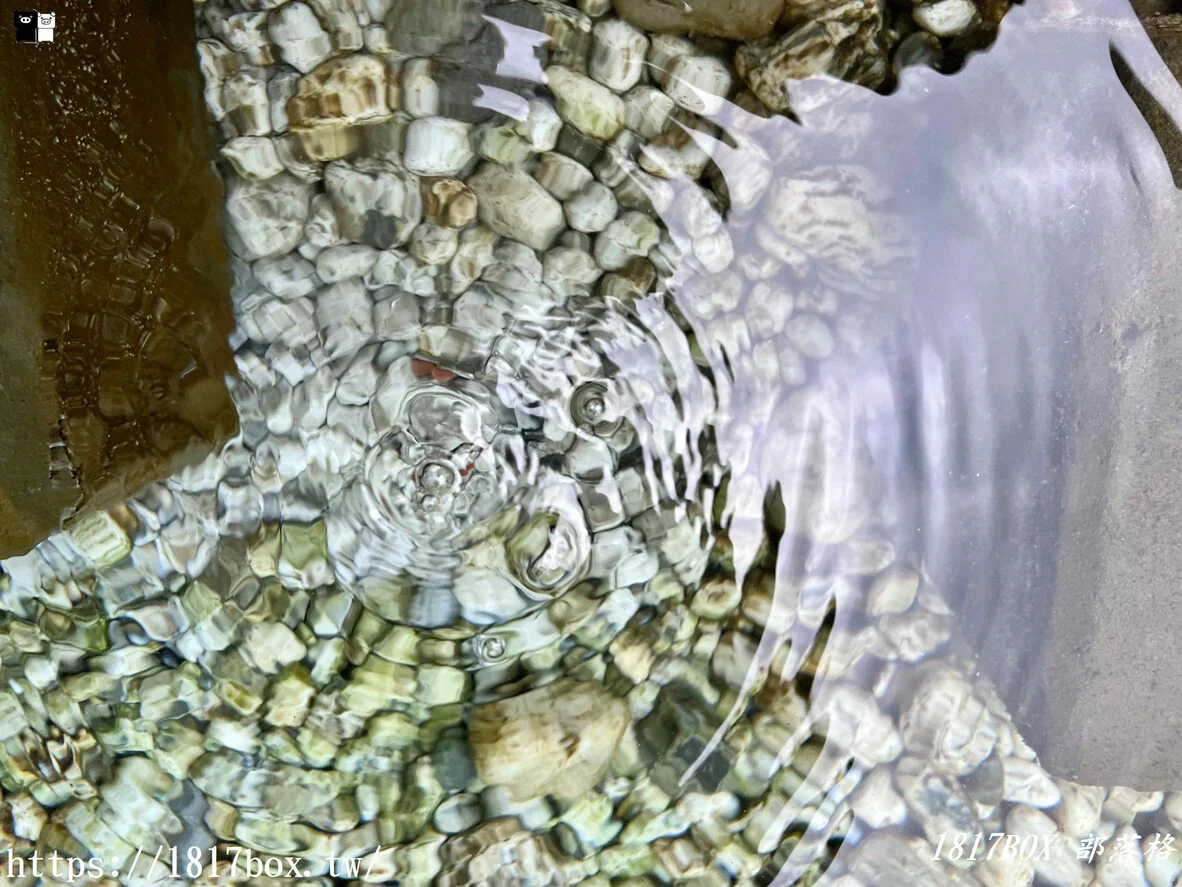
The fine bubbles in Su’ao’s cold springs once supported more than bathing. After leaving military service, Takenaka Nobukage settled here, investigated the water and made soft drinks. Production below Qixing Mountain turned a local resource into something that could travel. A glass marble sealed the bottle; pushing it inward and catching it in the neck became an everyday gesture associated with that industry.
Lu Wang continued the soda business after the war until it became a refrigeration plant in 1958. The factory changed purpose, while confections such as yokan kept the association between Su’ao and spring water alive. Today’s shops carry that connection through changing products and packaging: the water gave the town a distinctive identity, and food made it portable.
Geologist Chiang Hsieh-tang's explanation adds something the bottle cannot show. Rainwater enters fractures around Su'ao, circulates underground and returns towards lower river valleys. As pressure falls near the surface, dissolved carbon dioxide escapes as bubbles. His account uses drill-hole measurements to explain this movement. The visible fizz is therefore the surface expression of an underground water system, not a feature added for bathers or drink makers.
A bathing place and a place to talk
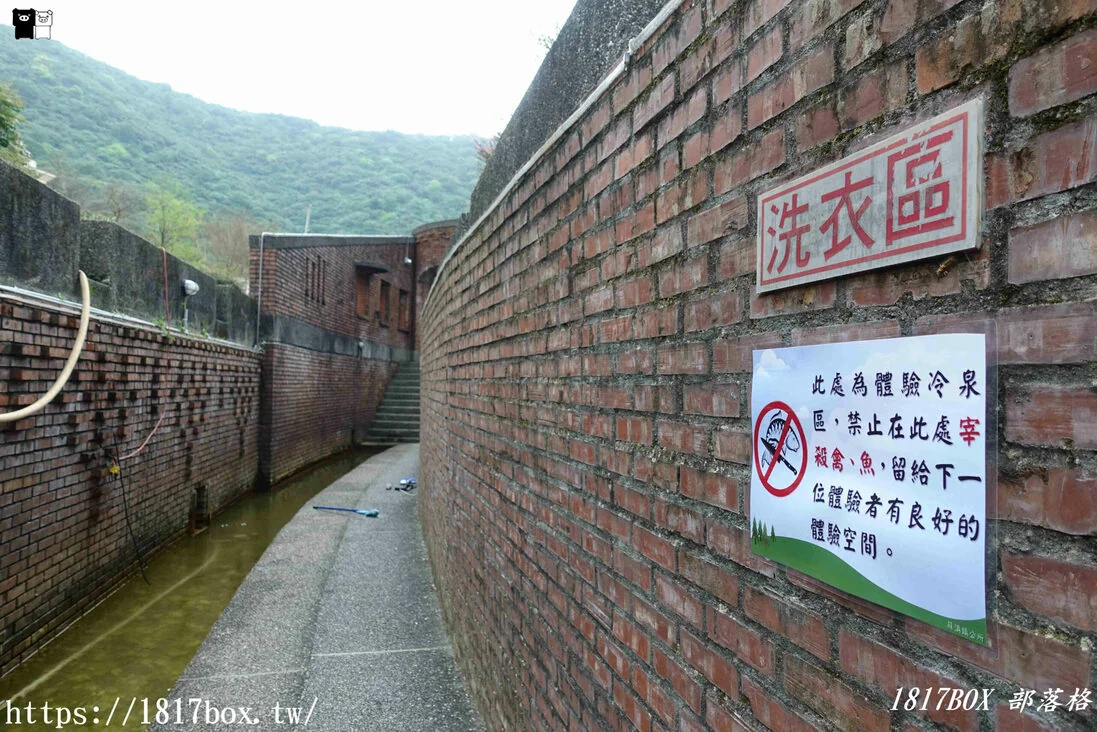
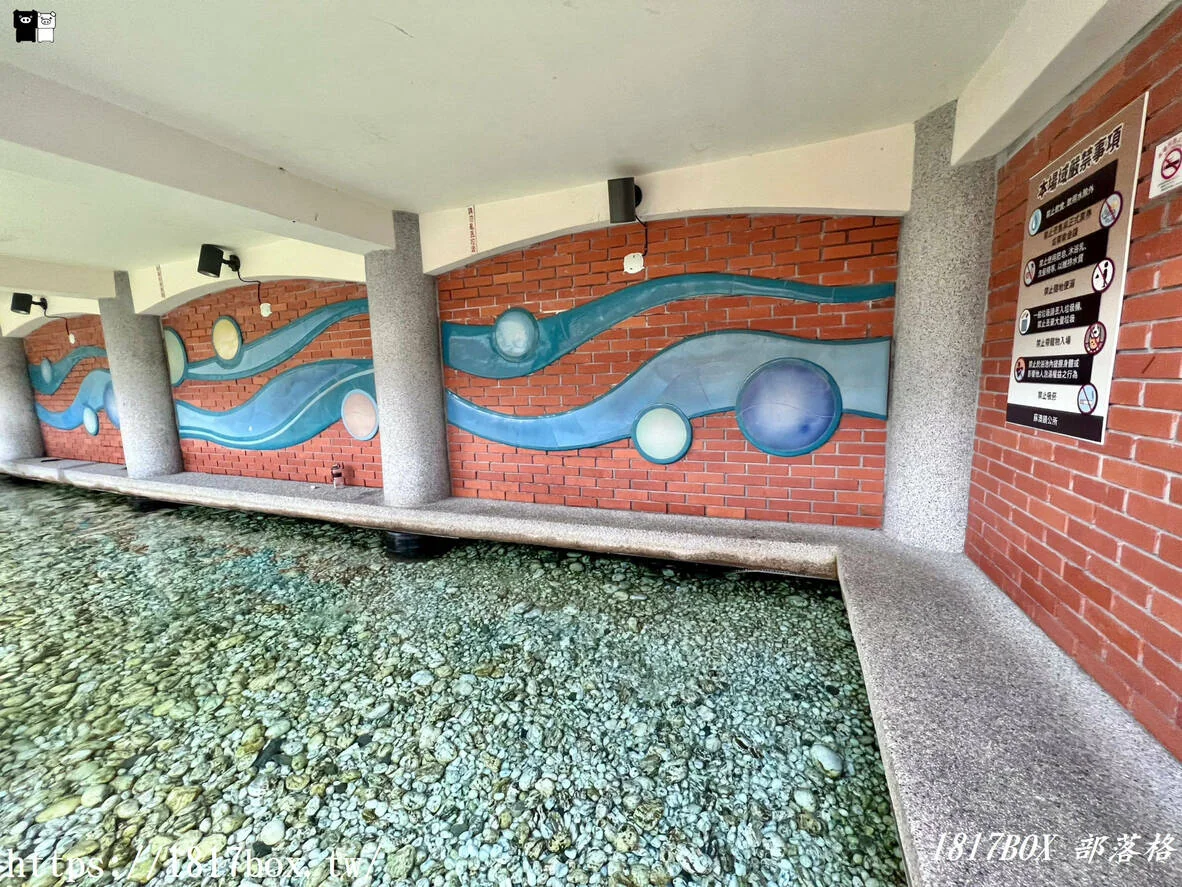
The Alishi stream once supported washing clothes and bathing; improvements in the 1980s created public bathrooms and a foot-soaking area. Water connected household work, bodily comfort and neighbourhood contact. In her 2020 account, travel writer Margaret described women of different ages chatting beside the pool. Returning seven years after her first visit, she recorded an everyday practice rather than simply a tourist facility.
Such shared spaces require continuing work. The 2022 Alishi refurbishment improved walls, drainage, lighting and ventilation and added carbon-dioxide detectors. Familiar pools depend on water and building management. Flood damage from Typhoon Fung-wong in 2025 again affected both the main park and Alishi, showing how the same landscape that sustains daily life can also require its reconstruction.
Chiang also compared the spring's roughly 22-degree water with shallow groundwater elsewhere on the Lanyang Plain, often around 22–25 degrees. In that comparison, abundant carbon dioxide is more distinctive than exceptional cold. This helps connect the drink factory with the need to manage gas around bathing facilities. The historical geological account is not a current water-quality certificate, an invitation to drink untreated water or evidence that a particular pool is open.
In July, water moves into the streets
The summer carnival began in 2000, turning the station forecourt and Zhongshan Road into a setting for water-splashing processions. Streets normally used for arrivals and commuting take on a different role. Weather moved the 2026 splashing event to 19 July at 15:00 around Taiping and Zhongshan roads; the concert took place the previous evening beside Suxi Community Activity Centre.
These two settings suggest a walk with a clear arrival and return: enter from the station, explore the relationship between springs and confectionery, then join the day’s programme. Street festivities and bathing facilities operate separately. Together they reveal both the town’s celebratory summer and the longer work of maintaining a shared water resource.
Look closer
From the public exterior, distinguish the stream, washing area and bathing-room entrances.
Look at shop packaging and older signs for the ways spring water became a marker of Su’ao.
Visiting information
- Dates
- Around July annually. Revised 2026 sessions: concert on 18 July at 18:00; splashing festival on 19 July at 15:00. Both events have ended.
- Locations
- Splashing: Taiping and Zhongshan roads outside Su’ao Station, Yilan. Concert: lawn beside Suxi Community Activity Centre. Alishi bath address: 6-4 Lengquan Road.
- Bathing arrangements
- The township still carries a post-Fung-wong closure notice. The 2026 street events have ended; an ordinary visit can focus on the streets; call 03-9960645 for the pools available on your day.
- Arrival and return
- Take TRA to Su’ao Station; if your train stops at Su’aoxin, transfer to a local train for Su’ao. Return to the same station, allowing time to change after splashing.