
Cultural story
Spring Scream: when original songs found an audience on the grass
From a band gathering in 1995 to changing venues in Kenting and Cijin, Spring Scream tells a story about making space for original music.
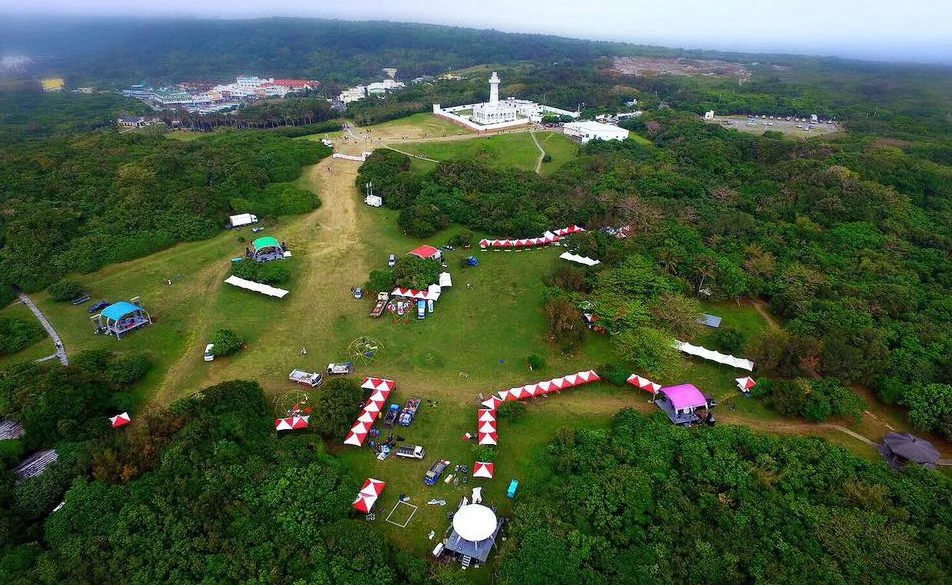
Founded in 1995, with original bands and live exchange at its heart.
Held at Little Kenting in 2018 and Cijin in 2019; this is a historical story.
Compare present-day Eluanbi with historical photographs.
Bring a song of your own
On the first weekend of April 1995, musicians brought a gathering to Kenting. Jimi Moe, Wade Davis and recording-studio friends found a venue and invited bands. Sounds usually scattered among small urban venues met on the peninsula. The event that became Spring Scream began close to a shared performance among friends.
A 2001 interview recalled several first-year bands playing Nirvana songs. Wade wanted more space for original work, so the event would become more than another setting for familiar covers. For a young band, the opportunity was not simply to stand on stage, but to have strangers listen to its own material.
Bands, record and T-shirt stalls, film screenings and drum circles helped a small community form around the performances. Listeners moved between sets and could stop because a sound caught their attention. Discovery did not depend entirely on recognising a name: unfamiliar music became a reason to stay.
Jimi's 2016 interview adds a less romantic part of the origin story. He said both founders still held regular jobs and that maintaining the gathering was difficult financially. Keeping entry affordable was tied, in his explanation, to listeners' travel and accommodation costs. This was his account of a historical operating choice, not proof that performers' expenses were met or a model that every festival could reproduce.
How musicians remembered the event
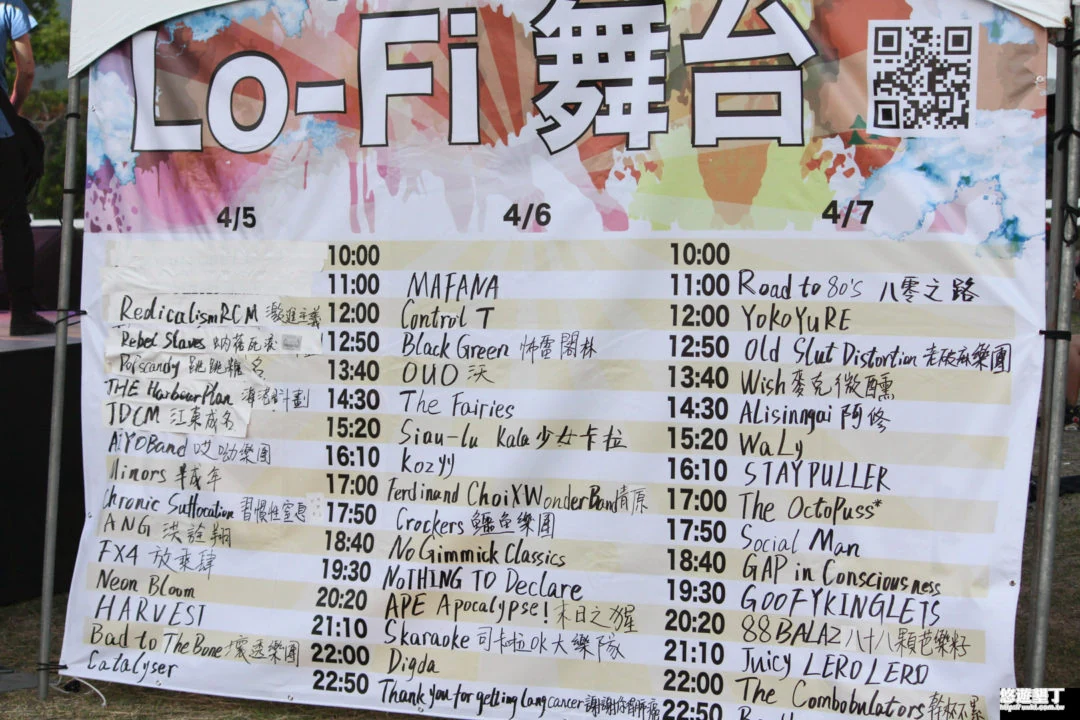
In a 2008 performance diary, 831 objected to media reports treating the end of other Kenting events as the end of the whole music season. The band was still at Spring Scream. Its account captures a lasting confusion: one holiday and one peninsula could host several organisers and distinct audiences.
The diary also remembers a folk set near sunset and a singer getting listeners to dance. Attendance totals do not define that memory; songs, fellow musicians and moving with a rhythm do. A festival can be experienced on the scale of the few minutes before a song ends.
The festival used sites including Eluanbi, moved to Little Kenting Resort in 2018 and reached Kaohsiung’s Cijin in 2019. A change of venue changes transport, distances between stages and how people spend their time. Following those moves makes clear that a musical culture cannot be fixed permanently to one scenic image.
He also described equipment suppliers and technical workers with whom he had worked for more than twenty years. In that account, continuity depended on repeatedly cooperating with people who knew the event, as well as on bands returning. A stage photograph hides much of this work: power, sound and timing must still be made to function before an original song reaches its audience. The interview preserves that historical relationship; it does not advertise a current edition or establish that the old site contains a permanent stage.
Revisiting the coast and its musical history
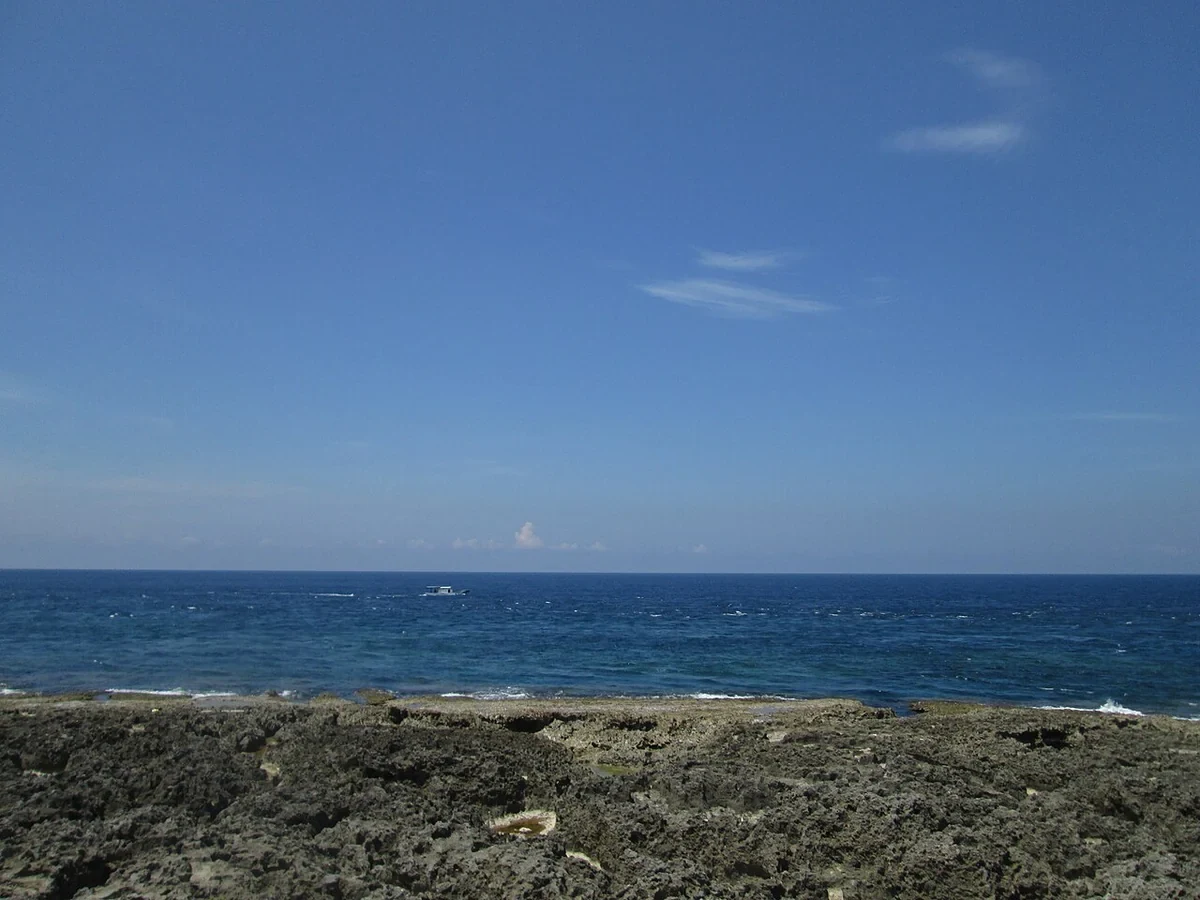
Eluanbi today can first be experienced as a park, with a lighthouse, lawns and coral-rock coastline. Comparing it with historical aerial views then reveals how stages, tents and audiences temporarily entered that landscape and changed the use of its open ground.
Spring Scream contributed more than an image of a spring holiday. It made opportunities for original bands to be heard and for musicians, crews and audiences to bring an event into being together. Revisiting the landscape does not require another set of speakers: it invites reflection on how an unfamiliar song once persuaded people to stay.
Look closer
Compare archive photographs with today’s lawns to see how temporary stages changed the space.
Read musicians’ performance diaries to distinguish their experience from other Kenting events.
Visiting information
- Present-day extension
- Eluanbi Park, 301 Dengta Road, Hengchun, Pingtung.
- Hours and duration
- 07:00–17:30 in January–March and October–December; 06:30–18:30 in April–September. Allow one to two hours for the lighthouse and coastal paths.
- Transport and return
- Take route 9188 from Zili Station in Kaohsiung to Eluanbi, then walk into the park. Return towards Zili Station and transfer to your railway or HSR station in Kaohsiung, allowing time for the city transfer and onward connection.
- Visit scope
- The park and coastal paths are present-day destinations; stages in historical festival photographs were temporary.