
Cultural story
Smratuc: the young people who bring the gathering home
Holding a ceremony takes more than remembering its name. Seediq young people reconnect organisers and elders, while schoolchildren learn the words, tools and crops through which the year unfolds.
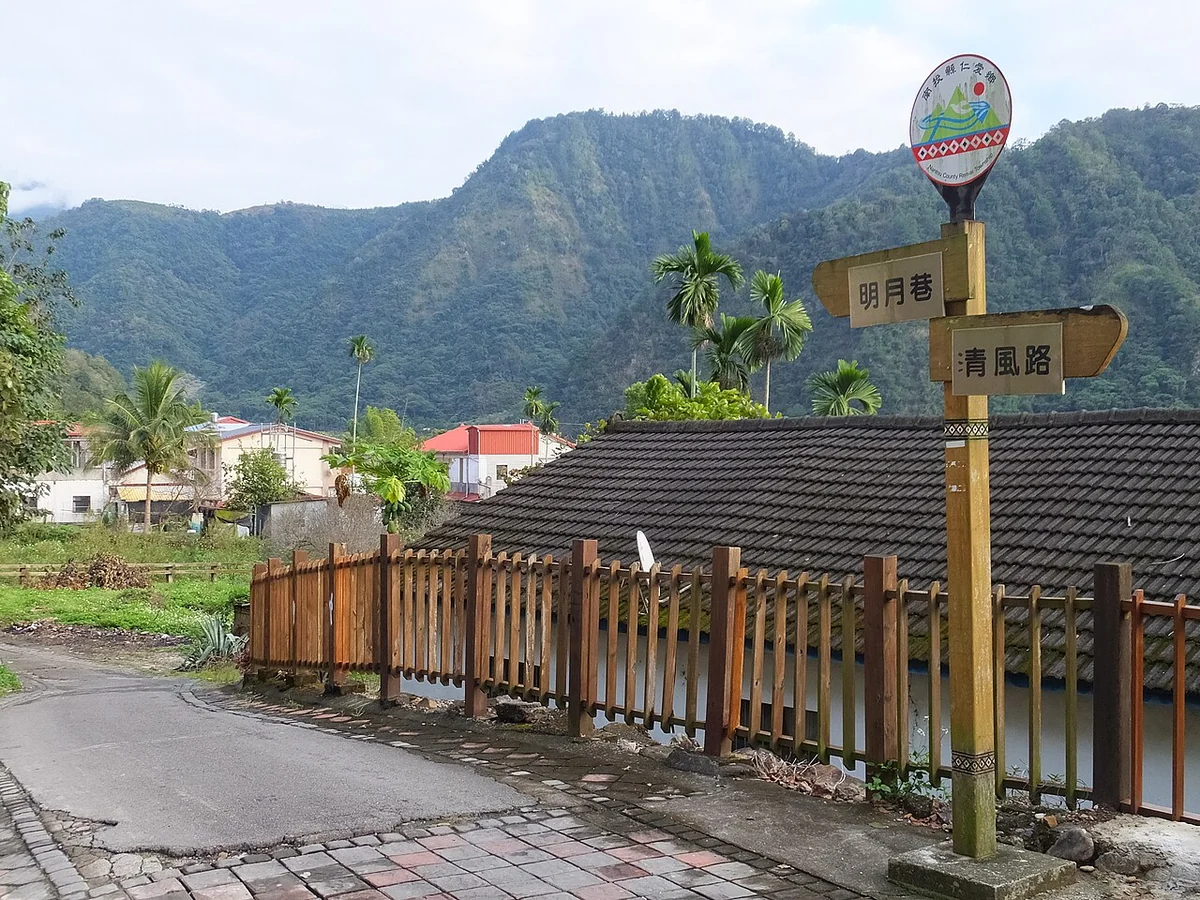
Youth networks help communities organise Smratuc again.
Meixi’s 2025 gathering joined twenty elders and adult organisers.
At Duda Elementary, sowing links language with farming knowledge.
First, someone has to make the calls
Dakis Tanah, chair of the Seediq youth association, noticed that annual ceremonies were held in some years and absent in others. In a January 2025 interview, he described asking which communities needed help. The effort began in 2024, linking young people from Delugu, Duda, Meixi, Zhongyuan and Qingliu in Ren’ai Township. Organisation itself had become part of cultural work.
Walis Perin described elders helping the younger organisers prepare. The youth association’s own account of returning for the 2021 year-end gathering also traces rehearsals, fieldwork, classes and community performances. Taken together, these accounts show a process of learning with people, then accepting tasks, rather than arriving only for the day of the ceremony.
Meixi restarts an interrupted cycle
On the first day of 2025, Meixi held Smratuc again after fourteen years. Young people from Nanshanxi and the Meixi Catholic church formed an organising group and worked with twenty elders and adult community members. The programme brought together making new fire, tree-cutting, Cmucut blessing, Tmukuy Macu sowing and a blood-offering rite. Each part belonged to the community’s own sequence of preparation and prayer.
This was not simply the return of an unchanged event. People had to assemble the knowledge, time and labour that made it possible again. The presence of church youth alongside elders also makes the contemporary setting visible: people with different experiences within community life were working together on inherited ceremonial knowledge.
Seasons can also be read through raus, the oak. A 2024 Indigenous television programme follows Seediq knowledge of its fruit: flying squirrels feed before it falls; fallen fruit draws larger animals. The sequence links the tree's changes to animal behaviour. It offers a way to understand ecological time alongside a calendar date, without making the oak a documented material of the Meixi rite.
The lesson continues in a field
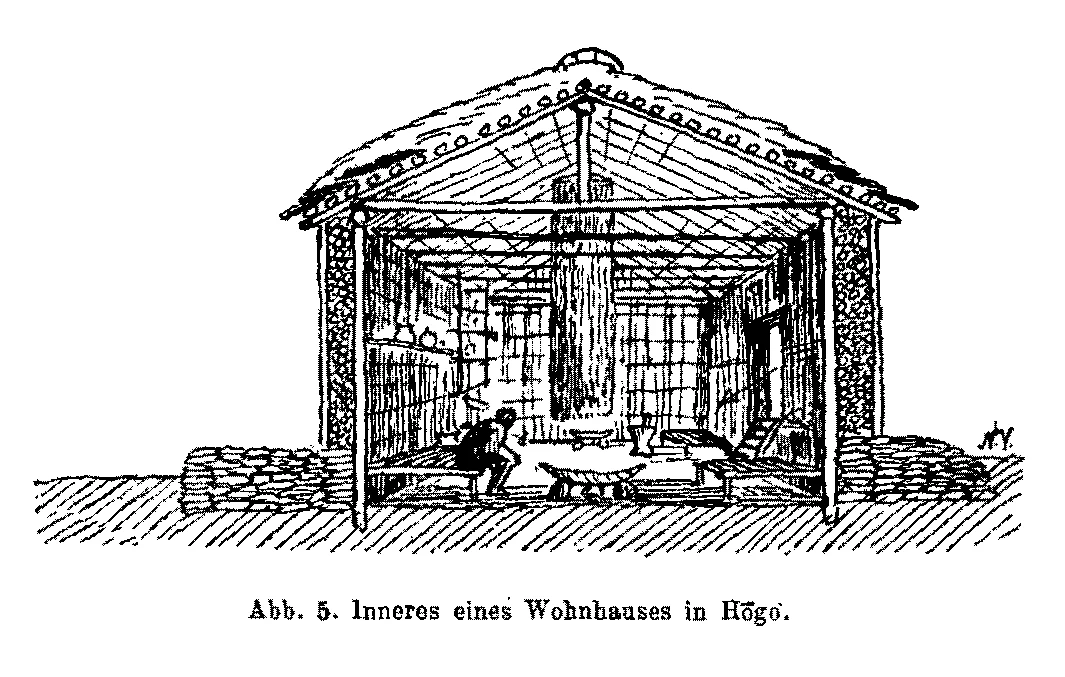
At Duda Elementary in March 2023, elders first conducted fire divination in a traditional house, then led pupils to the planting area. Children explained the materials they had seen: arrow bamboo associated with tall growth, flint with brightness, and resinous pine with a lustrous crop. Learning the names and uses of these things connected Seediq language with an action in the soil.
Principal Yu Hsiu-ying explained that many pupils’ families farmed highland vegetables, so the lesson included those crops as well as millet. The school planned learning across sowing, weeding and harvest. A ceremonial calendar thus became something children could follow through growth and work, while also recognising the labour already taking place in their homes.
For the programme's participant Pawan Neyung, ecological and hunting knowledge also sustains a connection with his father. Learning concerns whom one learned from and how observations fit together, as well as naming a plant. Visitors can ask a community guide about such seasonal relationships; the account is no instruction or permission to hunt, gather materials or follow people into restricted mountain areas.
Look closer
Follow how a task moves between elders, organisers and younger learners.
Connect the name of a material with its use in farming or teaching.
Visiting information
- Community introduction
- Alang Gluban, Qingliu community, Huzhu Village, Ren’ai Township, Nantou County. Book the community’s history walk and memorial-hall introduction through its own visitor service.
- Booking
- Booking enquiries: 049-2941396. Confirm whether visits are currently accepted, along with the meeting point and tour time.
- Travel and return
- Arrange a car transfer from Puli to Qingliu and book the return pickup after the guided visit.