
Cultural story · Food and local life
Sanxing’s Scallion Festival: a bunch of scallions across seasons and tables
From seedlings and washing to home-style cooking, the Scallion and Pussy Willow Festival turns agricultural work into a winter gathering.
A winter programme around December–January, continued as the Scallion and Pussy Willow Festival.
The main 2026 event took place on 24–25 January. This edition has ended.
Outside festival dates, begin with the culture museum and local scallion dishes.
A local identity grown in the fields
Sanxing’s Scallion and Garlic Festival began in 1996 through cooperation among the farmers’ association, township office, schools and temples. Produce reached people not only through sales but through a shared event. Its later Scallion and Pussy Willow Festival form brings together two colours of the winter agricultural landscape.
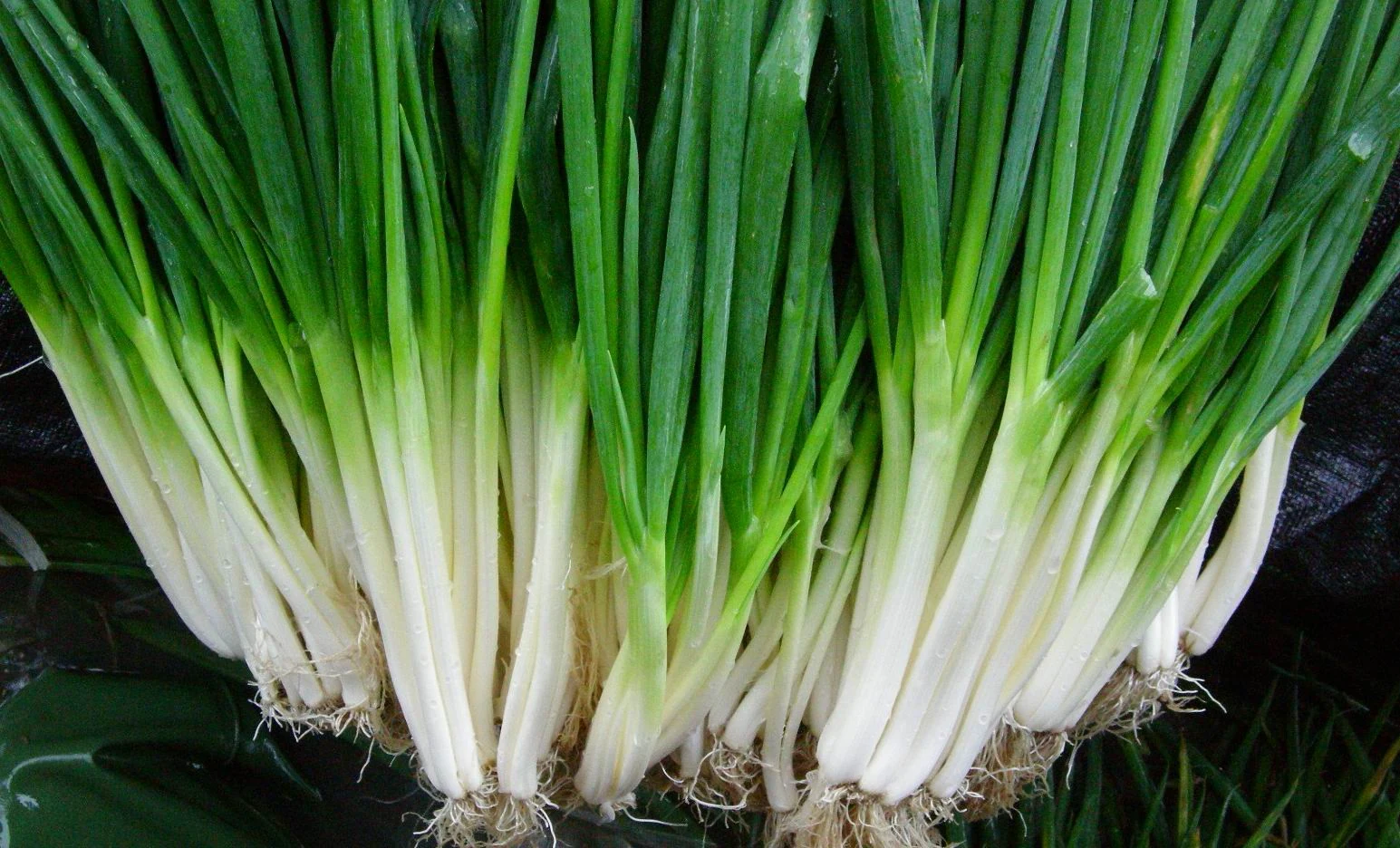
A cleaned bunch presents neat white stems and green leaves, but behind it lie propagation, cultivation, harvesting and preparation. Each stage asks for the grower’s hands and time before the crop is ready for sale. Following that work gives a familiar ingredient a fuller place in the festival, from the field to the food stall.
Recent heat has also made seedling supply a local concern. The county’s announcement for the 2026 festival describes three years of arranging seedlings to help restore cultivation. Seen this way, “Sanxing scallion” is more than a place name on packaging: it depends on continued coordination among growers, their association and changing growing conditions.
The post-harvest guide makes the washing work more exact. Soil and old or injured leaves are removed; the cleaned onions are graded by intact leaves, the absence of yellow tips and the form expected of the variety. Packaging then has two jobs: reducing abrasion and pressure damage, and carrying the place-name on the box. The neat bunch is therefore the result of selection and handling as well as cultivation.
Pussy willows and cooking bring winter into the event
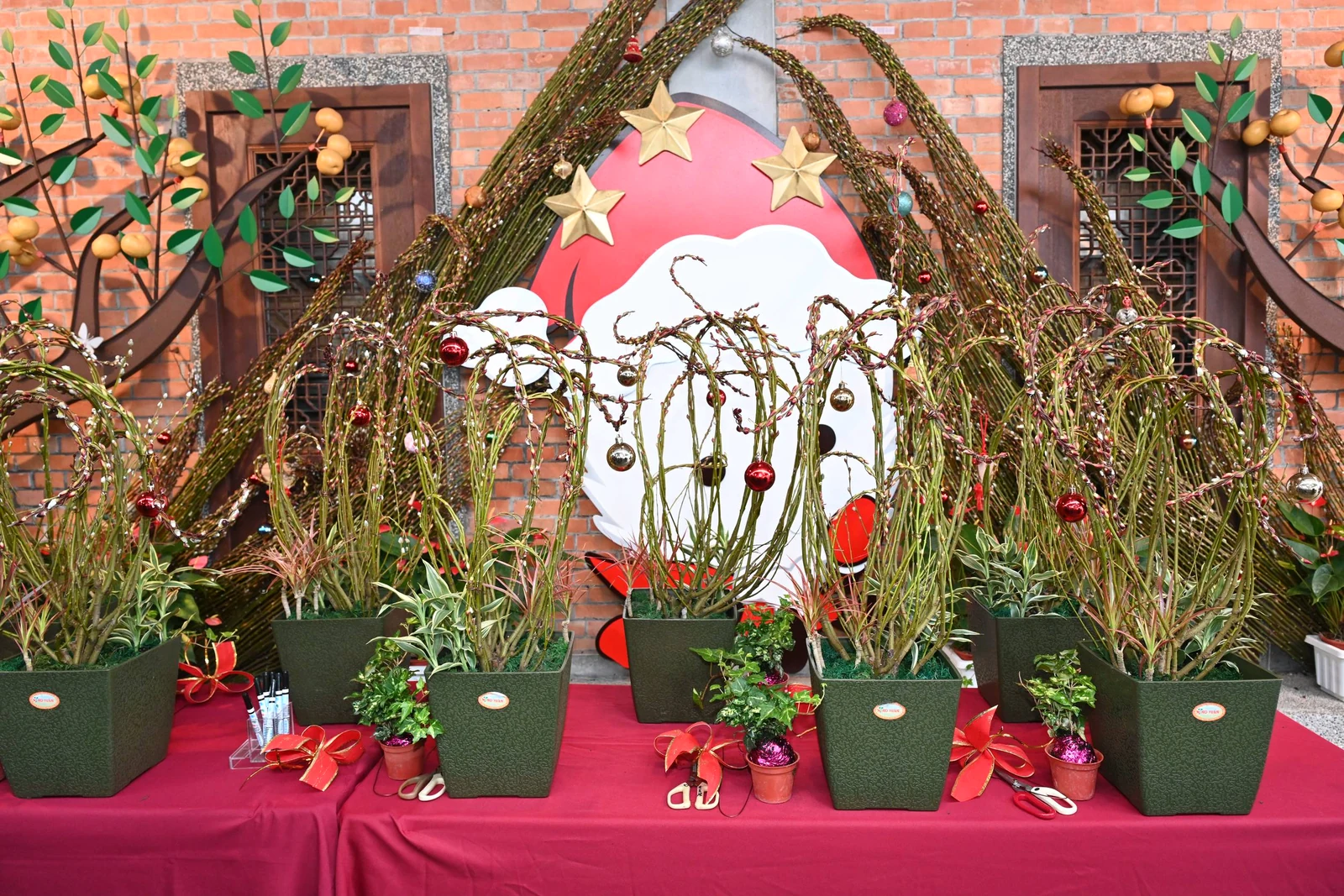
The 2026 Scallion and Pussy Willow Festival took place on 24–25 January. Willow-harvesting experiences connected with contract growers, while home-economics groups and Tian Mama cooks contributed food. Scallion dumplings, willow arrangements and puffed rice translated an agricultural event into things to make, smell and take home.
The activities invite participants to understand different kinds of work. Filling a dumpling means containing ingredients within a wrapper; arranging branches involves length and direction. Hands turn plants and ingredients into food or an object for the home. Local character becomes something remembered through making, rather than only viewed.
Home-economics groups bring agricultural knowledge into cooking, growers provide access to cultivation, and the association connects the two. A bowl of scallion braised rice can therefore be read as a product of cooperation: it needs the crop, kitchen experience and someone willing to explain their relationship to visitors.
An old granary holds a changing rural economy
Outside the festival, visitors can enter the Sanxing Scallion Culture Museum. In 2002, the farmers’ association converted a former granary into exhibition space. A building once used to store crops began to explain agricultural knowledge, while nearby sales and food services kept that knowledge close to everyday consumption.
Reading the museum’s account of scallions and local production before trying a dish reveals more than a souvenir stop. The festival lasts only a few days, while propagation, harvesting and preparation continue through the seasons. Bringing that longer span of time to the table gives a bunch of scallions a role beyond a final garnish.
Cooling is another stage rather than a final switch on a refrigerated truck. The guide explains that pre-cooling removes field heat, while the truck primarily maintains an already low temperature. Poor air circulation lets respiratory heat accumulate and encourages water loss and yellowing. This explains why the route from field to kitchen needs coordinated timing. It is an account of handling principles, not a guarantee that every local shipment follows one process or that a particular bunch will keep for a stated number of days.
Look closer
Compare a cleaned bunch with field-grown plants and consider the preparation involved.
Notice how exhibition, sales and food uses connect around the former granary.
Visiting information
- Location
- Sanxing Scallion Culture Museum: 41 Zhongshan Road Section 2, Sanxing, Yilan.
- Museum hours
- Weekdays 08:30–17:00; weekends/holidays 09:00–18:00. The annual winter festival is a separate programme.
- Transport and return
- From Luodong Bus Station take route 1792 toward Tiansongpi via Sanxing, alight at Sanxing 1 and walk about three to four minutes. Return on a Luodong-bound service.
- Participation
- Combine a museum visit with a local meal. Field harvesting and festival workshops use separate activity bookings.