
Cultural story
Millet comes home to Kinulane
Seeds collected in 1972 returned from Japan in 2023. For Kinulane, sowing them again joined plant conservation with the people and ceremonies that give millet a place in Rukai life.
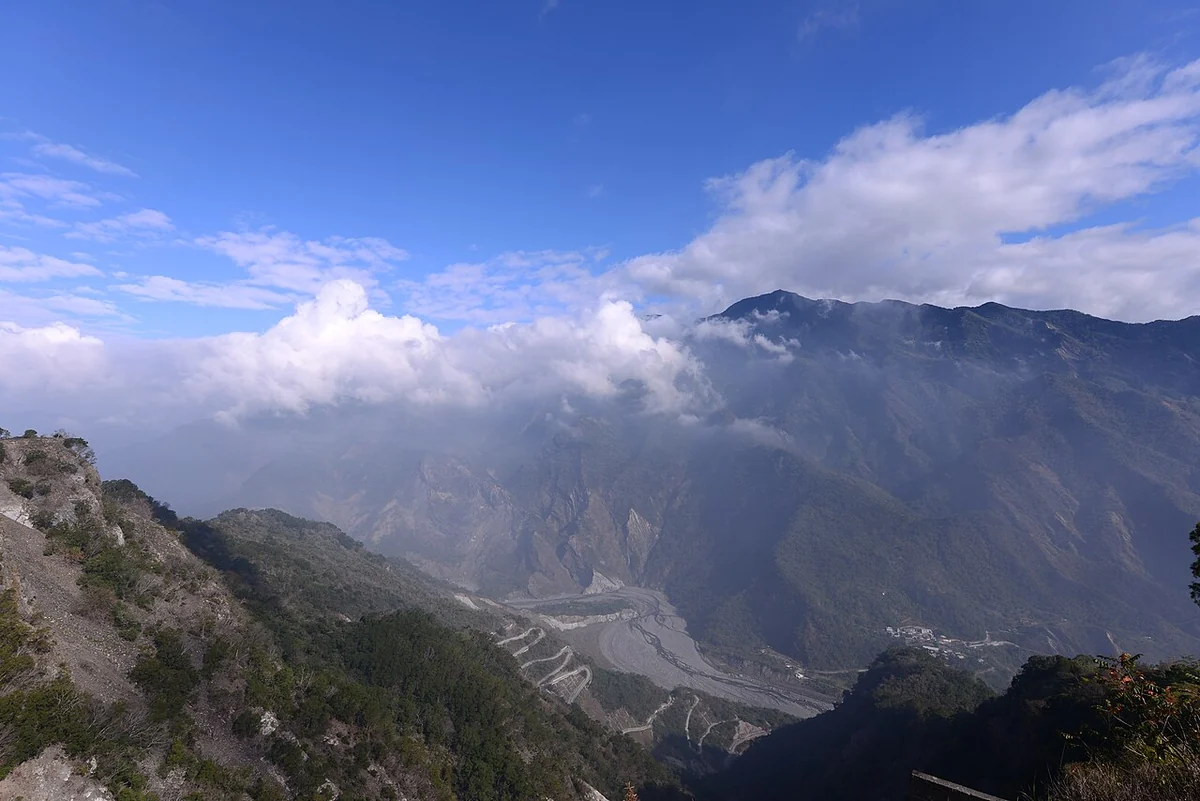
Eight millet accessions returned through a half-century conservation chain.
Luo Yu-mei joined the community in welcoming the seeds into the soil.
The Wutai museum provides a public introduction to Rukai material life.
A letter follows the path of a seed
After Typhoon Morakot damaged farmland in 2009, millet varieties once cultivated around Wutai became difficult to recover locally. While investigating agricultural history, Wang Hong-zen and Pa Ching-hsiung’s university team found that researchers had collected seeds in Kinulane, or Jilu, in 1972. That record provided a trail to follow.
The earlier researchers—Sasaki Kōmei, Fukano Yasuhisa and Matsuyama Toshio—had sent material to Kyoto University’s Sakamoto Sadao for cultivation and conservation. Seeds later kept by Japan’s NARO became the subject of a new inquiry in May 2023. By late July, eight accessions had reached Taiwan, carrying a history of care across institutions and generations.
The return is completed by sowing
On 14 August 2023, community members and students took part in a sowing ceremony. Kinulane traditional leader Luo Yu-mei explained millet’s place within Rukai culture and her hope that younger generations would continue the meaning of the rite. Returning a seed to a collection was one step; putting it into local soil made another kind of relationship possible.
After eight seed accessions returned to Taiwan, four were sown at the ceremony. Seed conservation continues through planting, observing growth and keeping a new harvest for the next cycle. The ceremony marked the start of that work, while the plants still needed people to care for them afterwards.
Returning a packet does not settle the seed's identity. In a separate account of millet brought back from a United States collection from 2011 onward, Rukai researcher Pa Ching-hsiung describes interviewing communities to find willing growers. Seed was divided between a genebank and community planting. This was a different return from the eight Japanese accessions received in 2023, though both required people able to care for the next crop.
Millet connects a field with a community
Rukai accounts of millet ceremonies place food within relationships between households and traditional leaders. Offerings and the sharing of food acknowledge a harvest and the people who depend on it. Local practice differs among communities; Kinulane’s 2023 sowing event is one specific story of restoration within that larger agricultural world.
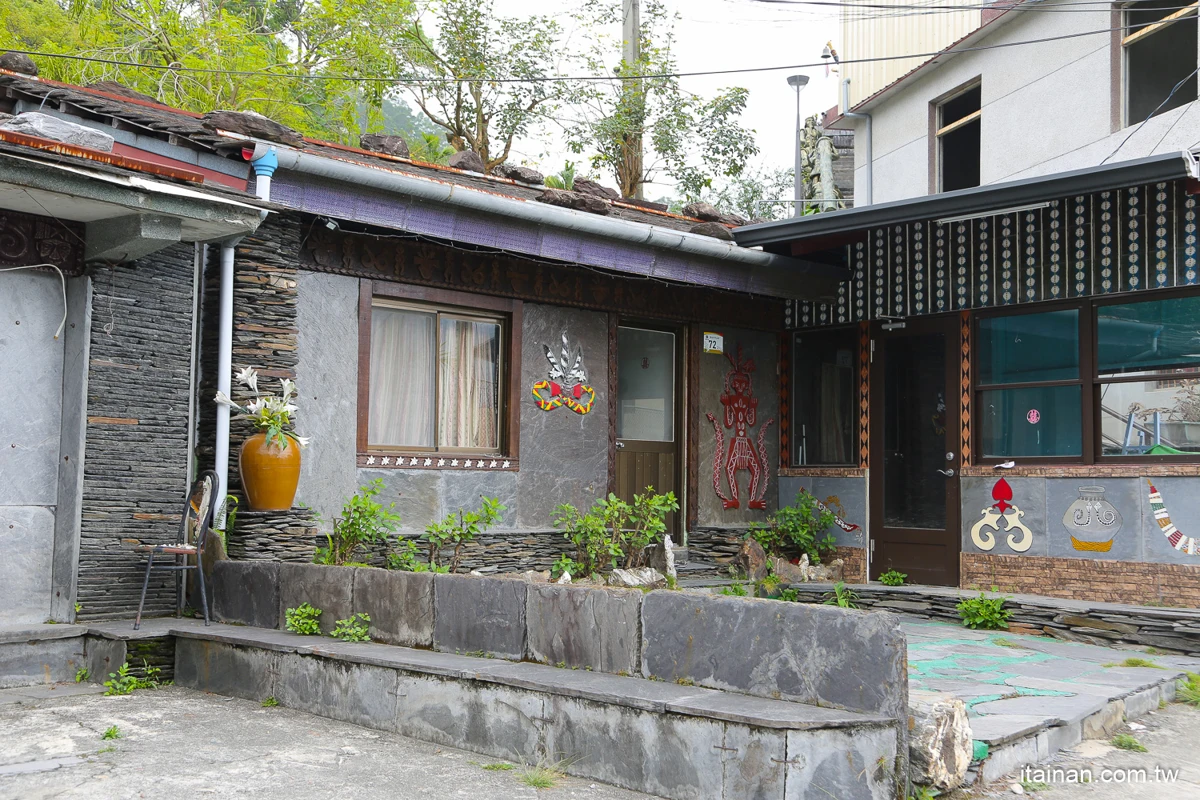
At Wutai’s Rukai museum, objects and the surrounding stone-built settlement offer a public way into this material history. A visitor’s walk through the village describes how the museum and lanes can be read together. Starting with the museum keeps attention on named places and the uses of objects, before extending the visit into the village with a local guide.
Pa explains that Rukai millet names distinguish qualities including glutinousness, panicle form and colour, linked to uses such as cooking and brewing. Appearance alone can mislead: the same millet can look different in another environment, while exchanged seed can arrive under a place name that conceals its journey. Asking a local speaker about a name and use therefore reveals more than simply counting differently coloured ears.
Look closer
In the 2023 conservation account, distinguish the eight returned accessions from the four kinds sown at the ceremony.
Ask how food moves between a household, a field and a shared gathering.
Visiting information
- Public museum
- Wutai Rukai Museum, No. 59, Zhongshan Lane, Wutai Township, Pingtung County.
- Hours and admission
- General admission NT$20. Confirm opening days and your visit time with the museum at 08-7902297.
- Guided visit
- Contact the museum at 08-7902297 for exhibition interpretation and local guided visits.
- Travel and return
- Arrange a car transfer from Pingtung railway station to Wutai, including the return trip. Allow for the mountain-road journey when setting the museum visit time.