
Annual event
Pingxi Sky Lantern Festival: the work behind a shared wish
Follow the lantern from a maker’s hands to the night sky, then look back at the railway town that keeps the celebration going.
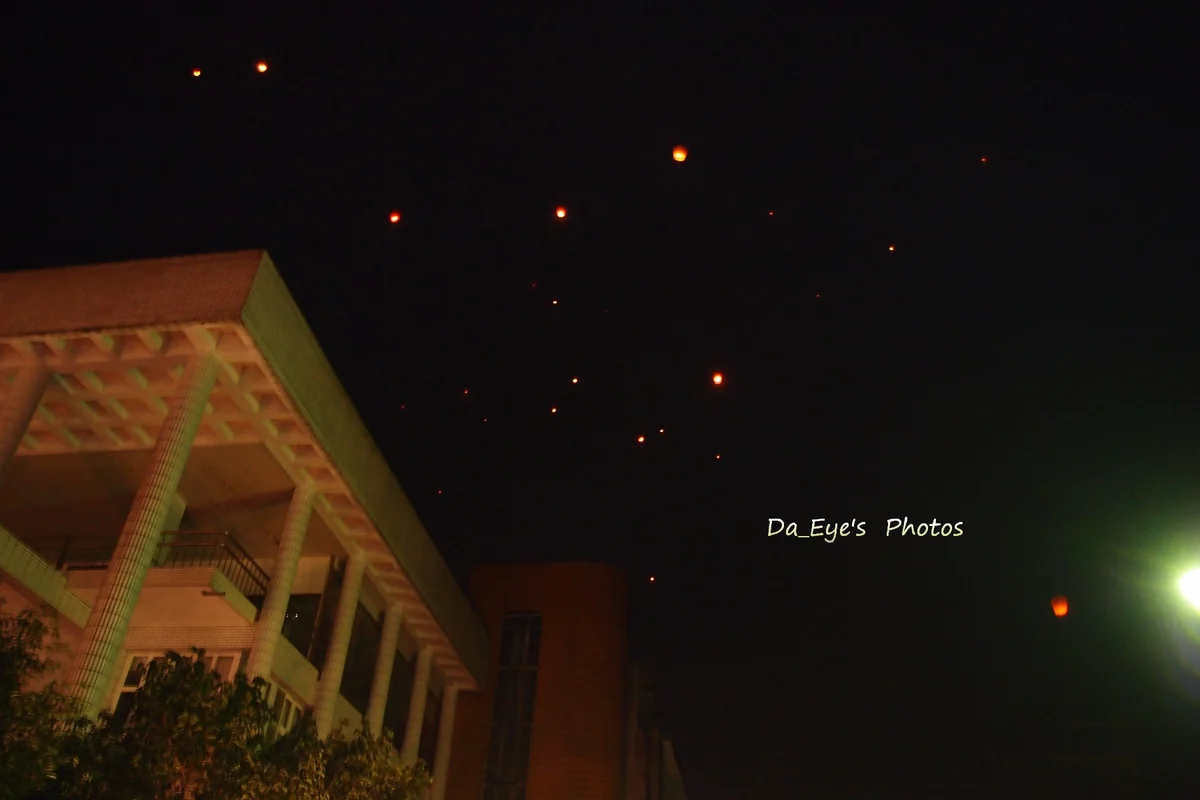
The festival follows the Lantern Festival season; venues and session dates are announced for each edition.
Read the making, writing and coordinated release as parts of the same event.
Before the sky fills with light
A lantern begins as something people have to handle together. Before a release, the group writes on the paper, follows the stewards into position and waits for the appointed moment. Those minutes are part of the experience: a private wish becomes a shared task. Looking only at the lanterns overhead misses the cooperation that makes the scene possible.
The form itself can tell a story. For the 2024 edition, lantern maker Hu Min-shu designed four large lanterns representing Taiwan, the world, a dragon and a tiger. The figures carried that year’s blessing into a shape visible from across the venue. Traditional making and a contemporary festival programme met in the same object: the lantern had to be recognisable as well as capable of rising.
The district office’s making guide begins with a light bamboo ring and wire arranged to keep the base balanced. The paper body uses four cut panels joined at their edges, with a smaller opening below and a broader upper body. Its familiar silhouette is therefore a construction decision, not simply a picture printed on a ready-made bag. The frame, joined paper and distribution of weight all belong to the object before anyone writes a wish.
The guide specifies rice paper attached to the frame. That offers something practical to notice in a permitted shop or organised demonstration: where the panels meet, how the light frame supports them, and how writing shares the surface with those joins. A craft explanation is separate from permission to release one. Visitors should use designated arrangements and follow staff instructions rather than turn a roadside or railway track into a launch area.
A railway street changes with its visitors
A photograph of Shifen’s railway street taken in 1991 was preserved with a recollection by Hu Yu-mei. She remembered a time when relatively few people knew how to make lanterns and releases were associated mainly with the Lantern Festival. Her account then follows the growth of lantern shops as local promotion and successive festivals brought visitors. It is one resident’s memory of change, giving the brightly lit present a quieter point of comparison.
The connection continues in the town’s recent public spaces. A 2025 shopping-district improvement project used railway, river and lantern imagery; the entrance at Shidi Bridge adopted prayer lanterns as part of its design. At Meiyu Lantern Workshop, the making process offers another point of contact with the craft. An afternoon walk can therefore look beyond buying a lantern: notice how production, shopfronts and the town’s self-image have come to surround the annual event.
After the lantern comes down
The lantern’s journey does not end at the edge of the photograph. On 8 March 2026, after that year’s festival, New Taipei’s tourism department and the New Taipei Mountaineering Association organised a cleanup with local shopping-district groups and experienced guides. Participants collected lantern remains alongside other litter on mountain paths and roads. The city reported more than 890 kilograms of rubbish in total; it did not identify that entire weight as lantern debris.
The work took place in both Pingxi and Shifen, including paths through former mining landscapes. Bringing the cleanup into the story changes who is visible: alongside the person writing a wish are guides, residents and volunteers handling what remains. Remembering their work makes the celebrated moment part of a longer relationship with the mountain, rather than a light that simply disappears.
The waiting is part of the festival
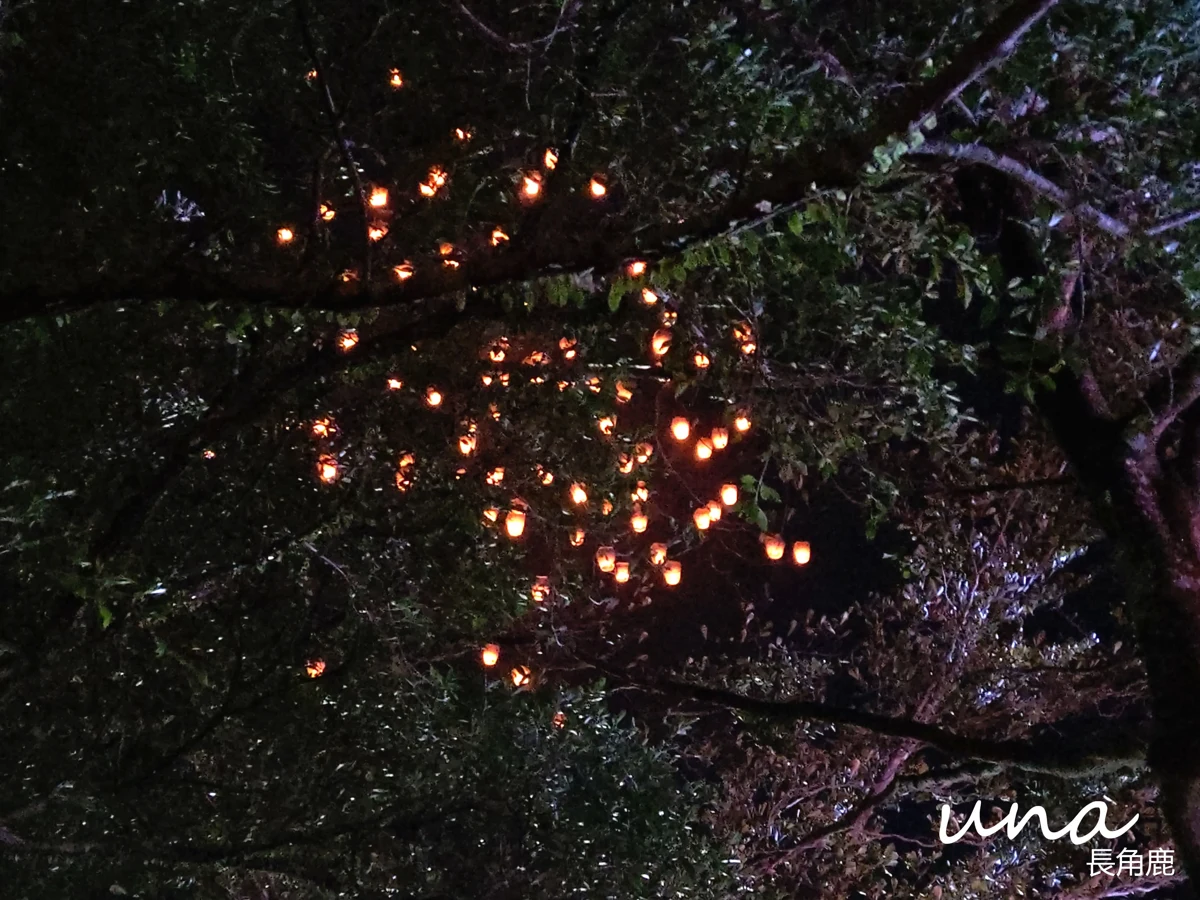
A collective release has a different rhythm from stopping at a shop. There is a place to report, a time to gather and a release wave to join. First-person visitor accounts describe fitting an old-street walk and a meal between collecting a ticket and returning to the venue. Treat that interval as usable time nearby, rather than a chance to squeeze in a distant itinerary. The evening becomes easier to enjoy when the next meeting point is already clear.
After the lights recede, the task changes from looking upwards to finding the way home. Choose the return transport before entering the crowd and keep the boarding location with the session details. The celebration is held in a working mountain town; roads, shops and the railway still have their own movement. A good visit leaves time for both the exceptional moment in the sky and the ordinary journey that follows it.
The published 2027 travel-agency participation plan names two distinct venues: Shifen Square on 20 February and Pingxi Junior High School on 27 February. This is already useful for choosing which part of the valley to reach, but agency applications are not individual admission tickets. The public participation instructions and transport plan still need to be checked for the chosen session; neither the interval between the dates nor ordinary shop sales means an official group release is available every day.
Look closer
Compare the outline of a large lantern with a small one, watch the teamwork before release, and look for railway and lantern motifs on the daytime walk.
Visiting information
- Date pattern
- Held around the Lantern Festival, the fifteenth day of the first lunar month; additional sessions are scheduled separately.
- 2027 announced venues
- 20 February: Shifen Square. 27 February: Pingxi Junior High School. These dates appear in the organiser’s travel-agency participation plan.
- Joining a release
- Check the public participation programme for ticket collection and assembly details. Travel-agency allocations are separate from individual visitor arrangements.
- Travel and return
- Choose the venue first, then its event-day shuttle or rail arrangements. Keep the return boarding point and last departure with your session information; previous editions’ shuttle times do not carry forward automatically.