
Cultural story
Who may sing, and when? Jiaxing’s wedding songs
A wedding song carries more than congratulations. In Jiaxing’s Taljiyalep family, its words and timing express relationships between families—and learning it means understanding those relationships.
Seated and standing songs belong to different ceremonial moments.
Training combines oral teaching with the practice of a complete occasion.
The 2025 Paris visit began with an explanation before singing.
A voice placed within a relationship
At Puljetji, Jiaxing, the Taljiyalep family’s wedding repertoire includes seated and standing forms. Choosing a song requires knowing the occasion and the participants’ positions within the family system. The paired phrases also echo the paired gifts brought in marriage. Melody, language and social order are heard together.
The songs survived interruption through people returning to one another. After restrictions on traditional weddings, renewed ceremonies and recordings helped elders recall lines and pass them on. A recording could retain a voice; gathering again allowed singers to discuss the words, restore memories and place the song back into use.
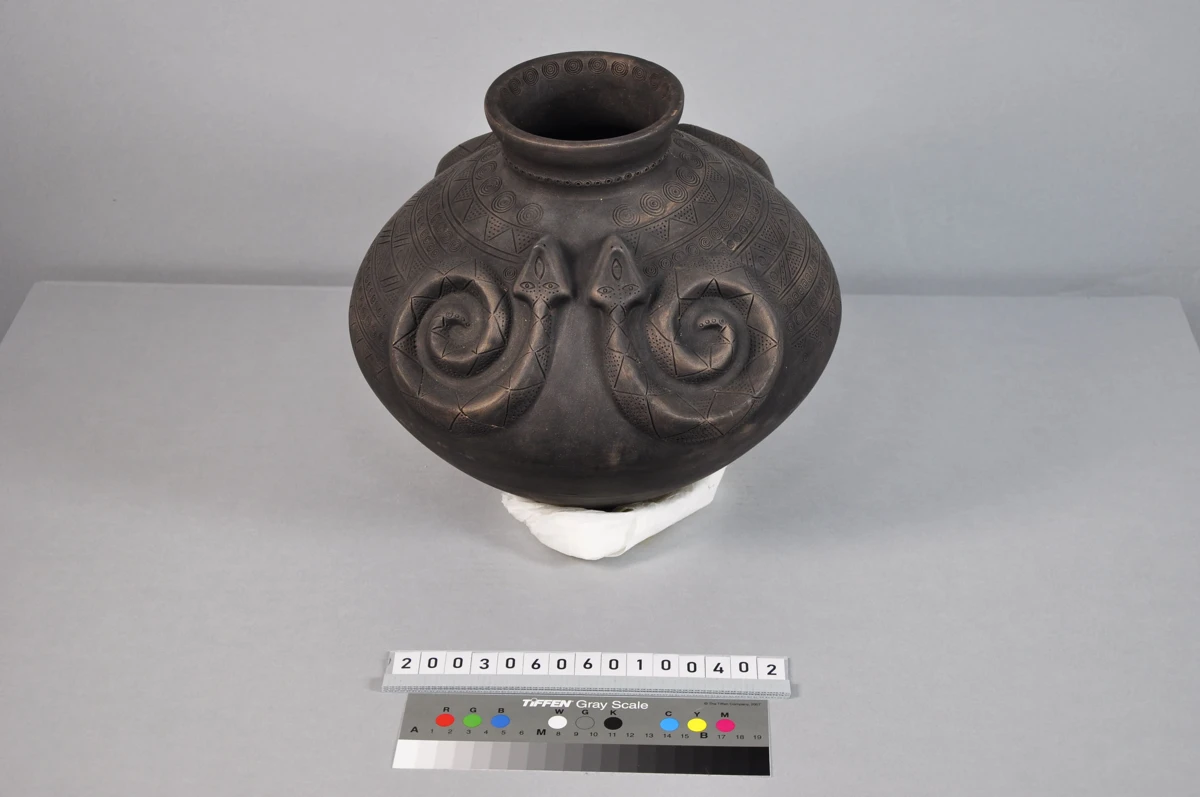
Ceremonial exchange also involves objects with different histories. A male-type Paiwan pottery jar held by the Changhua Indigenous Cultural Museum carries snake designs; such jars have traditionally belonged to chiefly or noble houses and appeared at important ceremonies and weddings. The object helps explain why a gift cannot be understood only through its price.
Learning a ceremony as well as a tune
On 10 October 2023, the Taljiyalep family’s marriage negotiations became an occasion for the Jiaxing singing group to practise in context. The Puljetji cultural-heritage association’s second training phase ran from October into January 2024, combining oral tuition, wedding-ritual teaching, group rehearsal and practical performance. Twenty-three learners took part across the classes.
The work involved established cultural custodians and family members. A learner had to connect what was sung with who was being addressed and why the moment called for that song. Keeping a repertoire alive therefore required people able to guide an occasion, not just performers able to reproduce its sound.
Puljea, the seated song of life praise, requires a particular kind of coordination. Its meaningful words, vukai, are inherited within the family; a participant prompts a line before the group sings in two parts, with bansu vocal syllables linking the phrases. Learning entails remembering a family's words and how voices enter together, rather than freely inventing a flattering verse.
An explanation before the song travels abroad
At a Paris symposium in September 2025, nine women representing the association first appeared in everyday clothes. They explained their work before changing for the singing. idis Sadjiljapan, Chiu Hsiao-feng, described years of following elders to learn one phrase at a time wherever they were willing to teach. The act of changing clothes gave listeners time to recognise a transition into another setting.
The selected wedding songs followed a woman’s life and the family ties that would continue after marriage. Their journey abroad made the same question audible to new listeners: how can a song carry affection, responsibility and a promise of support together? Returning to Jiaxing, those meanings remain connected to families rather than to a concert programme alone.
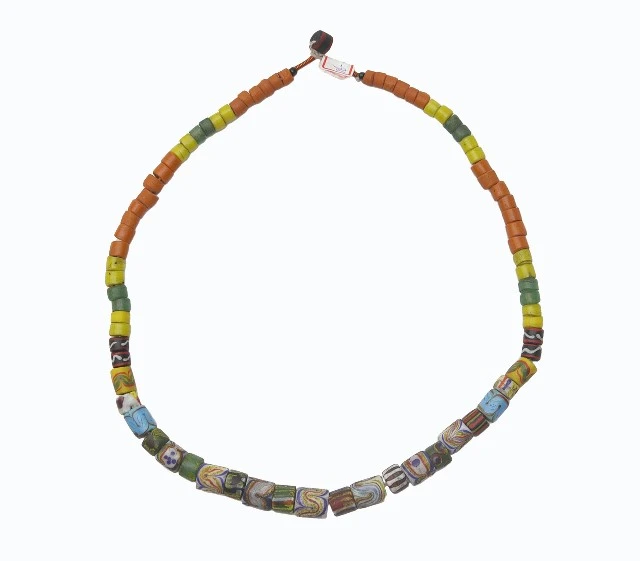
A single-strand multicoloured glass-bead necklace preserved by Taiwan Historica offers another way to look closely: plain beads alternate with larger patterned ones. Bead ornaments carry their own rules and inherited meanings. Reading a collection object alongside wedding songs reveals several forms of family memory—spoken, sung and worn.
Luljemai, the celebratory standing song, works differently: its meaningful text can be improvised through a call-and-response sequence, so the exchange can continue without a fixed total length. Hearing both forms reveals why 'wedding song' is not one interchangeable tune. A public demonstration can explain the structure; the family's words, occasion and invitation still determine who sings what at an actual marriage.
Look closer
Listen for the relation between paired phrases and the occasion being described.
In public programmes, read the named community and family before treating songs as a general repertoire.
Visiting information
- Community and public programmes
- Jiaxing, Taiwu Township, Pingtung. Follow public programmes of the Puljetji cultural-heritage association; family marriage ceremonies require an invitation.
- Museum starting point
- Taiwan Indigenous Culture Park, No. 104 Fengjing, Beiye Village, Majia Township, Pingtung. Enquiries: 08-7991219 ext. 238. Opens Tuesday–Sunday at 08:30; confirm that day’s closing time with the park. Closed Mondays except national holidays, and closed on 27 October 2026. Standard adult admission NT$150.
- Travel and return
- Arrange a vehicle from Pingtung railway station to the culture park or a confirmed public programme in Jiaxing. These are separate destinations; agree the return pickup with the driver.