
Cultural story
Before the ball rises: the responsibilities of Maljeveq
The tall poles of Maljeveq are striking, but the work begins with people chosen to carry particular obligations. Pailjus and Tjuabar offer two local accounts of preparation, position and continuity.
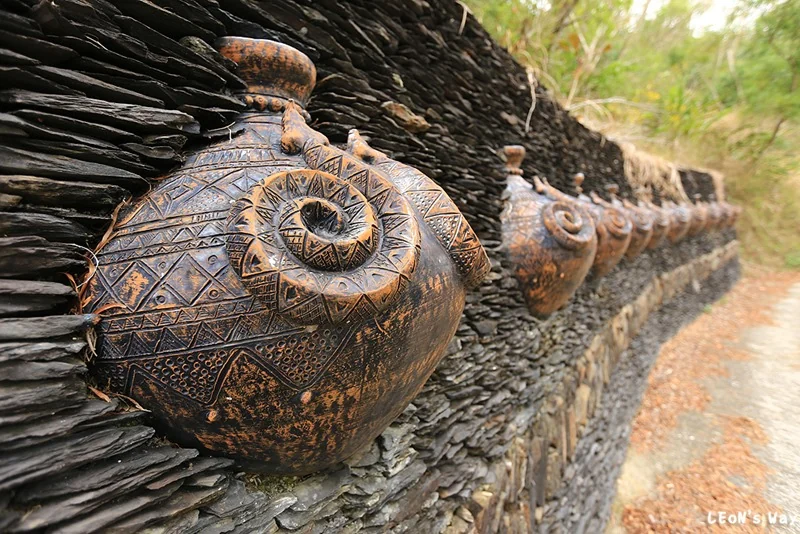
Pailjus chose a new ritual officer in January 2024.
Tjuabar’s sequence extends across preparation, ceremony and completion.
A pole requires material knowledge as well as a place in the ritual.
A role is passed to another person
On 10 January 2024, Pailjus in Laiyi Township held the ive'eve' preliminary rite, including selection of a new paragaljay after the previous priest had died. The pulingaw used a gourd and sacred bead in divination. Interviewed in the report, Paiwan national council speaker Tjivuluwan Paracasaw explained why a successor was needed; he was not identified as the newly chosen priest.
The council speaker described the priesthood as a lifelong responsibility, working with the spirit medium in the rites. Maljeveq thus depends on succession between people: when someone can no longer serve, the community must establish who will take up the work through its own procedures.
The visible moment rests on days of work
Tjuabar, or Tuban, in Taitung offers another documented account of Maljeveq. Its ceremonial sequence includes preparations, the main rite and concluding work, stretching over several days. Ritual specialists determine the timing, and young people help build the structure used at the ceremonial ground. The moment when a ball is thrown is part of a much longer process.
Positions around the ceremonial structure also carry relationships between houses and lineages. A visit to Gulou and Danlin recorded in a local travel blog finds Maljeveq represented in public village imagery. Those images can begin a conversation about the rite, while the actual arrangement of a ceremonial ground belongs to its host community and its own inherited order.
The Pailjus report explains the gourd and bead more precisely: when the bead remains on the gourd, this signifies ancestral acceptance of the candidate recommended by the pulingaw. Recommendation, ancestral assent and the enduring office are distinct parts of the process. The report does not identify the successful candidate by name.
The pole is both a tool and a responsibility
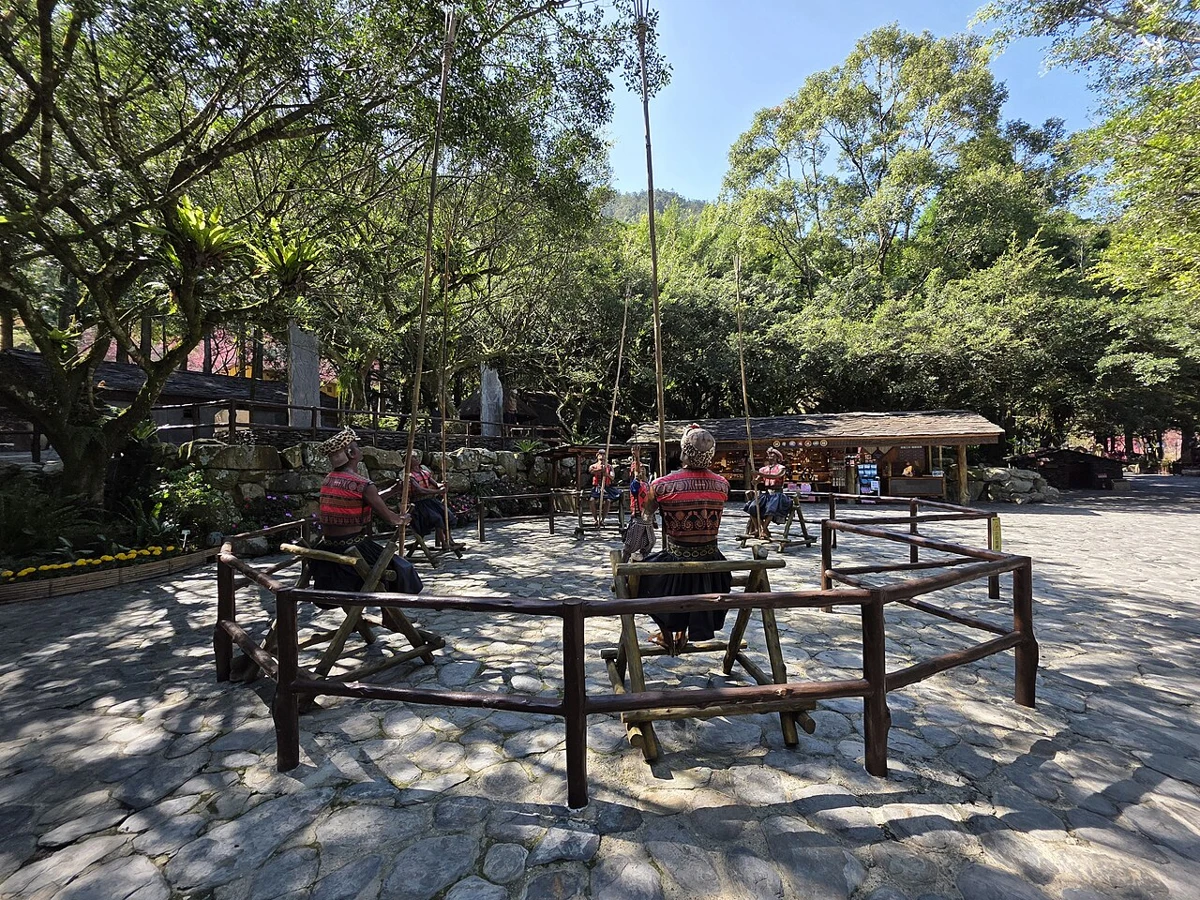
A long pole changes how force travels from the hand to its tip. Controlling the poles requires a feel for leverage and balance. The height seen above the crowd depends on choosing and handling material, not simply lifting the longest possible stick. A photograph of the poles can therefore lead to questions about making, training and coordinated movement.
The Shizi Township museum offers a public introduction to Paiwan objects and local history. Its displays provide a place to examine materials and ask about the people connected with them outside a ceremonial occasion. Pailjus, Tjuabar and Shizi remain distinct places; connecting them through a reading journey adds context without merging their practices into one universal script.
The same account places the spirit medium's setting of boundaries around the ritual ground before the main rite. Traditional leaders, priests, spirit mediums and ball-spearing participants then enter a preparation period. The tall poles belong within that distribution of responsibility. Seeing an object in a public museum does not entitle a visitor to cross a community's ritual boundary or approach its participants at will.
Look closer
Read a ceremonial object together with the person entrusted to use it.
Distinguish a public representation from the arrangement of a living ceremony.
Visiting information
- Public museum
- Shizi Township Cultural Relics Museum, No. 28-1, Lane 2, Fenglin Village, Shizi Township, Pingtung County.
- Opening and booking
- Monday–Friday 08:30–16:30; Saturday by reservation. Free admission. Contact 08-8771129 extension 86.
- Travel and return
- Transfer by taxi or prearranged car from Fangliao railway station to Fenglin Village. Arrange the return pickup to the station when booking the outward trip.