
Cultural story · Food and local life
Tung blossom season: the working life behind the white flowers
Oil, timber and spring trails reveal successive ways of making a living with tung trees.
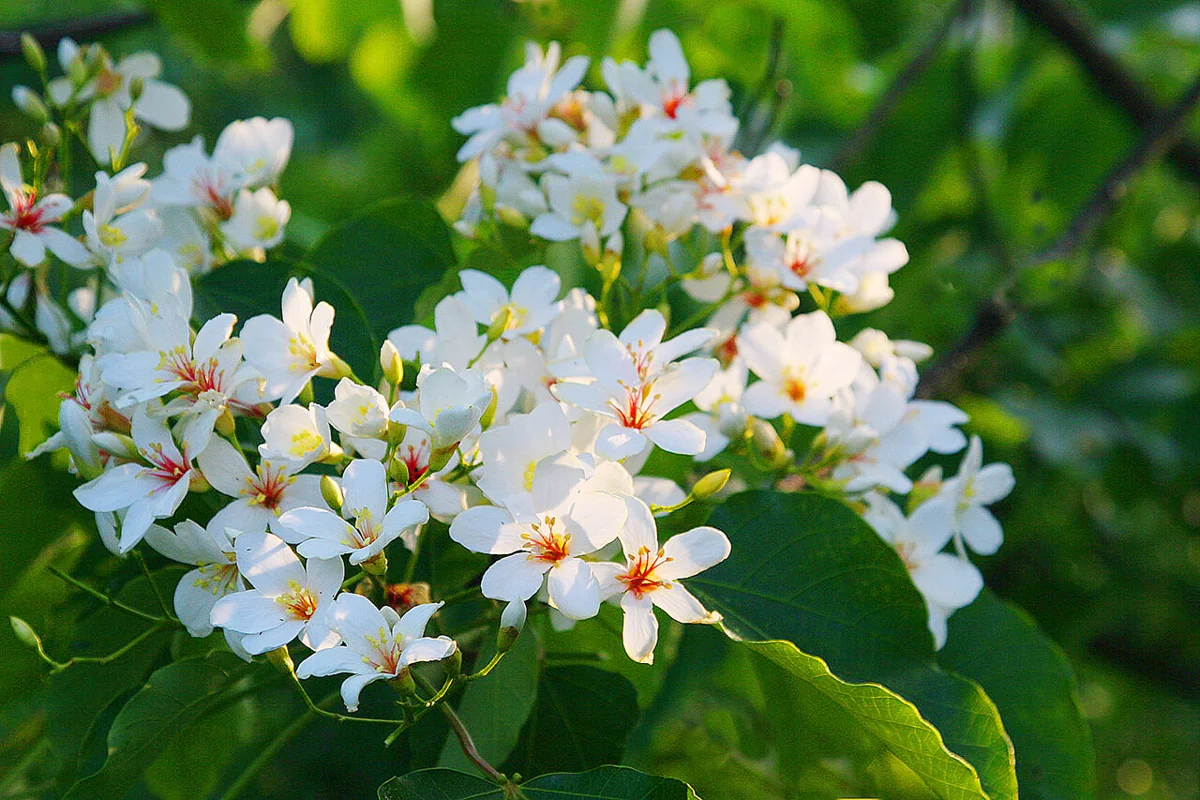
Generally April–May, with flowering varying by elevation and weather; local programmes have separate dates.
This story centres on Sanyi’s industries and blossom trails, with a wider view of northern Taiwan’s spring landscapes.
Trees planted for a harvest
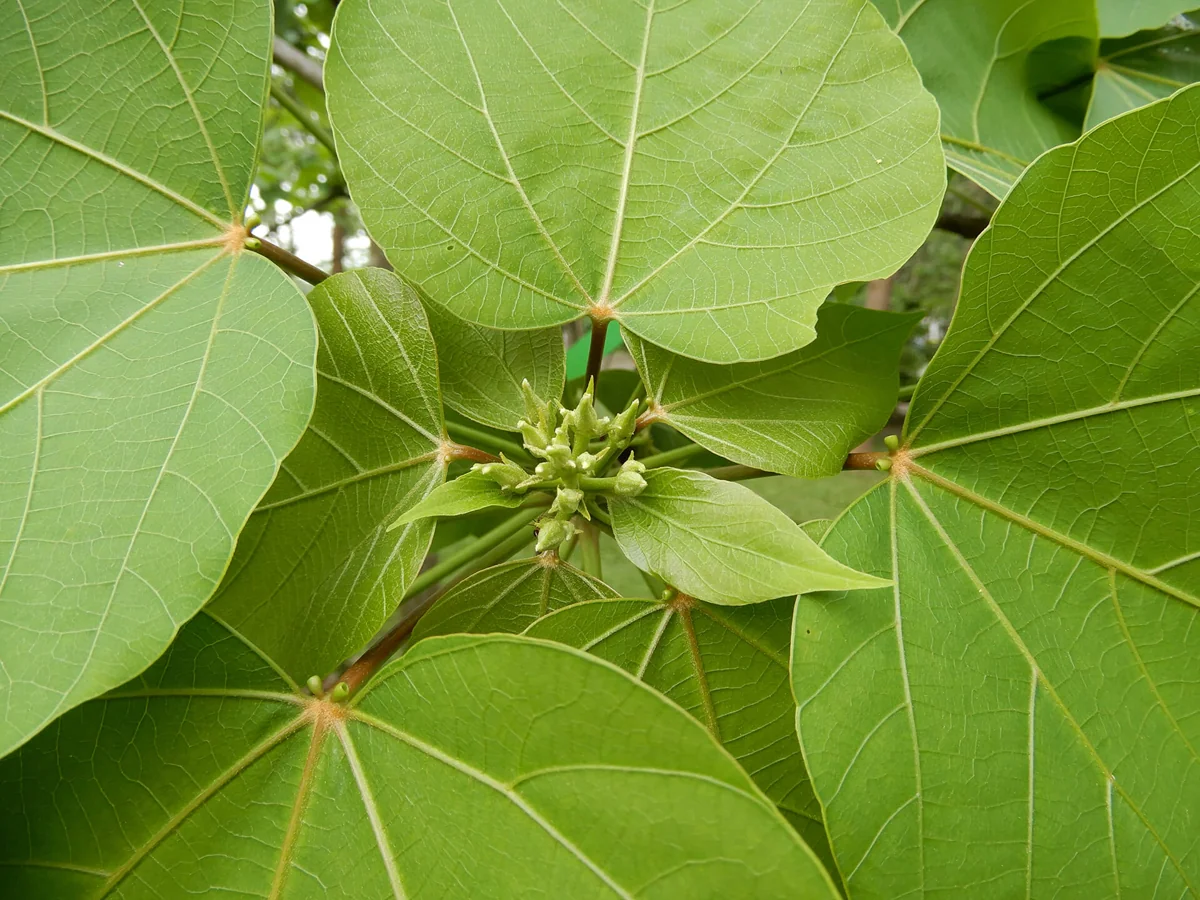
When tung trees bloom, hillsides acquire a sudden brightness. Behind that spectacle lies the history of an economic crop expanded during Japanese rule. Seeds supplied oil for waterproof coatings, while the light, soft timber could be made into clogs and furniture. Visitors now look upward for flowers; growers once considered fruit, harvests and markets for their material.
Around Sanyi, the mountain railway and timber trades connected the tree to local work. Clogs, rice containers and wooden goods exported to Japan required material to move from forest through workshops and transport networks. Later uses included woodchips for mushroom cultivation. Neither the tree’s value nor the labour surrounding it remained fixed.
The name tung also hides a botanical distinction. In Chen Yun-tsao's account, the three-year tung has smooth fruit and stalkless glands near the leaf base; the thousand-year tung has wrinkled fruit and stalked, cup-shaped glands. Those names refer to different trees, not the age of a specimen beside the path. Comparing fallen leaves or fruit already visible from the trail offers a more precise observation than judging only the white canopy.
A newer festival introduces an older landscape
Launched in 2002, the Hakka Tung Blossom Festival connected flower viewing with journeys into Hakka settlements. Blossoms gave people unfamiliar with local industries a reason to encounter villages, food and crafts. This is a contemporary cultural programme built around an existing landscape; its significance does not depend on being an ancient ritual.
In 2026 the programme became more decentralised. The Hakka Affairs Council did not organise one central festival site; trails and communities across 13 counties and cities formed the programme. Miaoli’s activities began on 18 April across Sanyi, Dahu, Zaoqiao and Miaoli City. Some locations emphasised woodland walking, others markets and performances within settlements, so choosing a place came before planning the day.
The trail outlasts the flowers
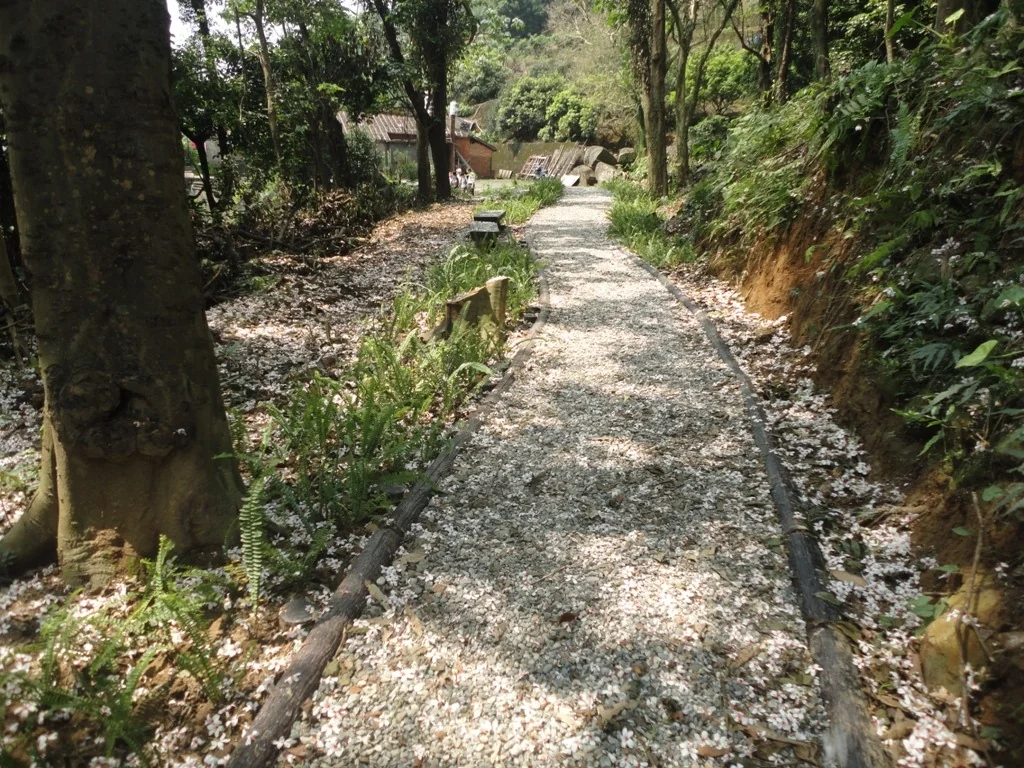
The April Snow Trail beside Sanyi Wood Sculpture Museum passes through mixed woodland containing tung, acacia and camphor trees. It links blossoms with the woodcarving settlement: the slope provides an environment where material grows, while the streets below show how wood becomes carved, displayed and traded. A spring visit can begin with flowers and continue into the life of the material.
For a traveller returning from Yunlin in 2011, Sanyi was a repeated stop rather than a once-a-year blossom destination. Woodcarving streets and nearby paths drew him back outside the flowering weeks. Such return journeys reveal another rhythm: flowers occupy only a short part of the year, while shops, woodland and everyday movement keep the place in use afterward.
Chen's survey of native plants also raised a different concern: expanding tung populations could press on neighbouring native vegetation. His published warning is a researcher's observation, not a finding that every flowering slope has the same condition. It does explain why a larger flower display is not the sole measure of a healthy woodland. Leave planting and vegetation management to land managers, and notice the mixed trees around the tung as part of the landscape too.
Look closer
Notice flowers on branches and fallen petals, and how flowering changes with the aspect of the slope.
Visit the woodcarving streets and woodland on the same day to connect material with finished objects.
Visiting information
- Timing
- Around April–May. Miaoli’s 2026 programme ran from 18 April into early May; flowering and organised events need not coincide. The listed 2026 programme has ended.
- A place to visit
- The April Snow Trail begins beside Sanyi Wood Sculpture Museum, 88 Guangsheng Xincheng, Guangsheng Village, Sanyi, Miaoli. This is the practical walking entrance discussed here; other counties have separate venues.
- Stay and admission
- Allow roughly half a day for the trail and surrounding streets. The museum is a separate venue with its own admission and opening arrangements.
- Arrival and return
- Take a TRA train to Sanyi, then local transport to the Wood Sculpture Museum. Return to Sanyi Station for the onward train. Complete the woodland walk in daylight and allow time for the streets below.