
Taiwan Hakka Museum: who will come through the door next?
From young people in Surabaya to an exhibition in Tongluo, cultural inheritance becomes a question of participation.
A younger generation answers
What did young Hakka people in Surabaya think about their community association, Hwie Tiauw Ka? A study published in 2014 by Chandra and Elisa Christiana, also known as Li Xiuzhen, drew on interviews with eight participants aged 21–35. Their experiences included language classes, charitable work and gatherings; some saw a generational distance and wanted activities closer to young people’s interests.
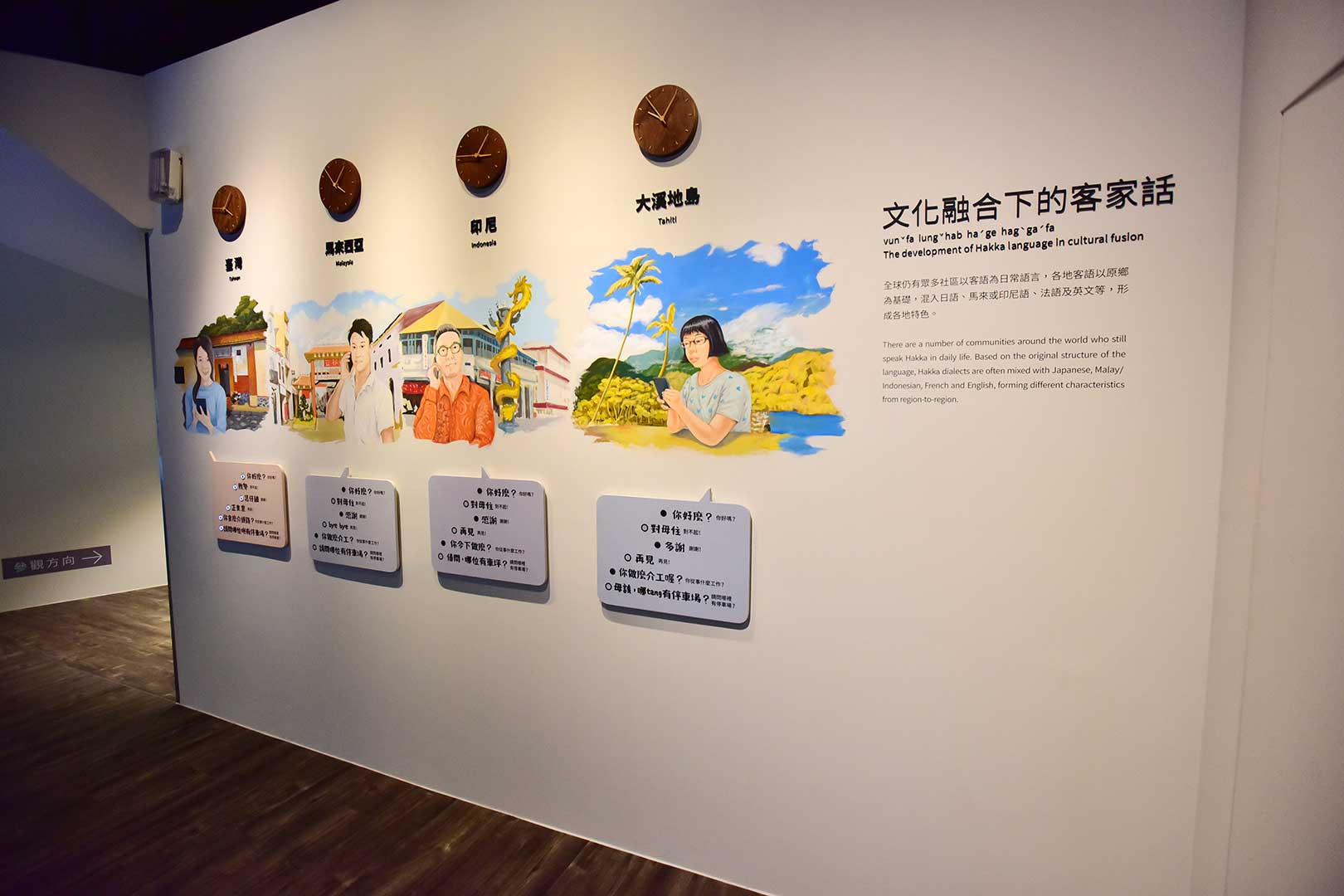
An association can preserve a name and a meeting place while its members’ expectations change. A language class, a volunteer activity and a social gathering ask different things of a young person. Seen this way, continuity depends on what people choose to do together, as well as what an institution keeps in its collection.
Migration continues in conversation
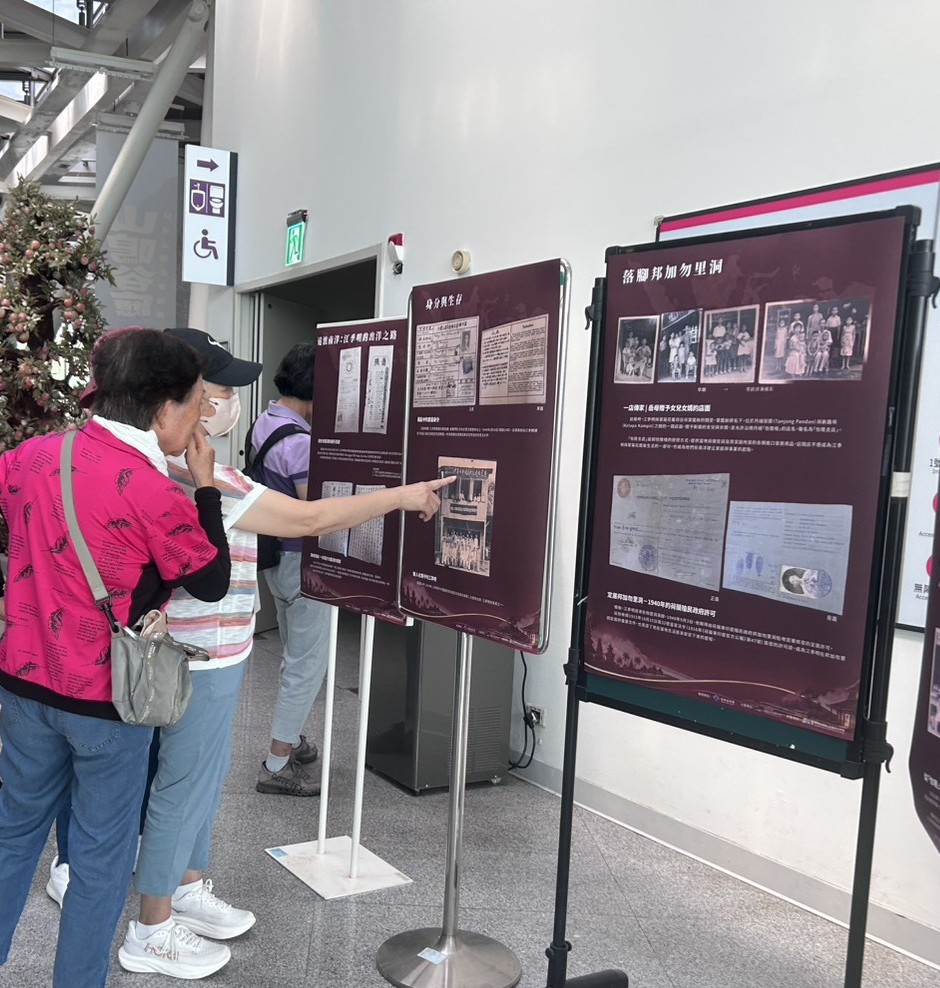
On 2 October 2026, Li Xiuzhen joined an Indonesian Hakka forum at the Taiwan Hakka Museum in Tongluo, Miaoli. The organiser’s account records discussions involving researcher Li Wei-han and historical photographs left by families who migrated to Indonesia. The museum became a meeting place for people studying how communities change after migration.
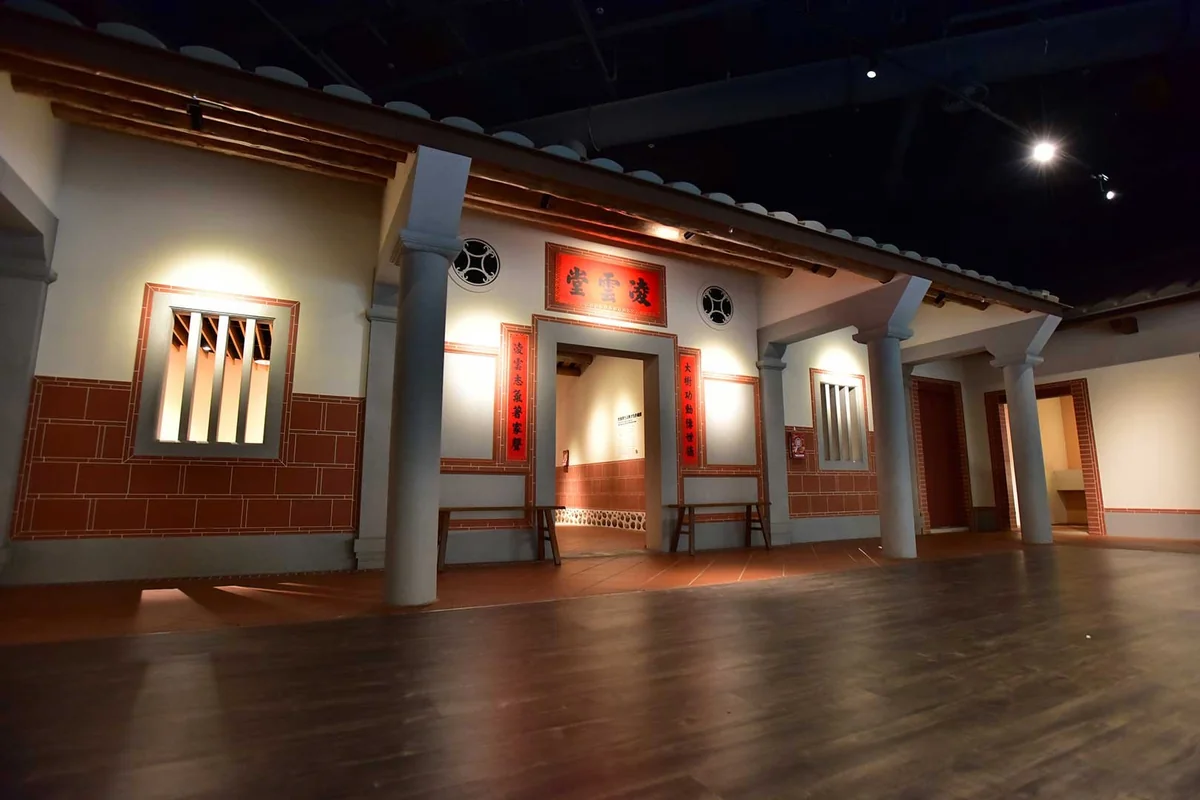
The permanent exhibition, Thank You Hakka, follows history, migration and everyday life through different settings. A world map and the reconstructed spaces of domestic life operate at different scales. Compare them: a broad migration story becomes more specific when it reaches a household, a language choice or an object someone decided to keep.
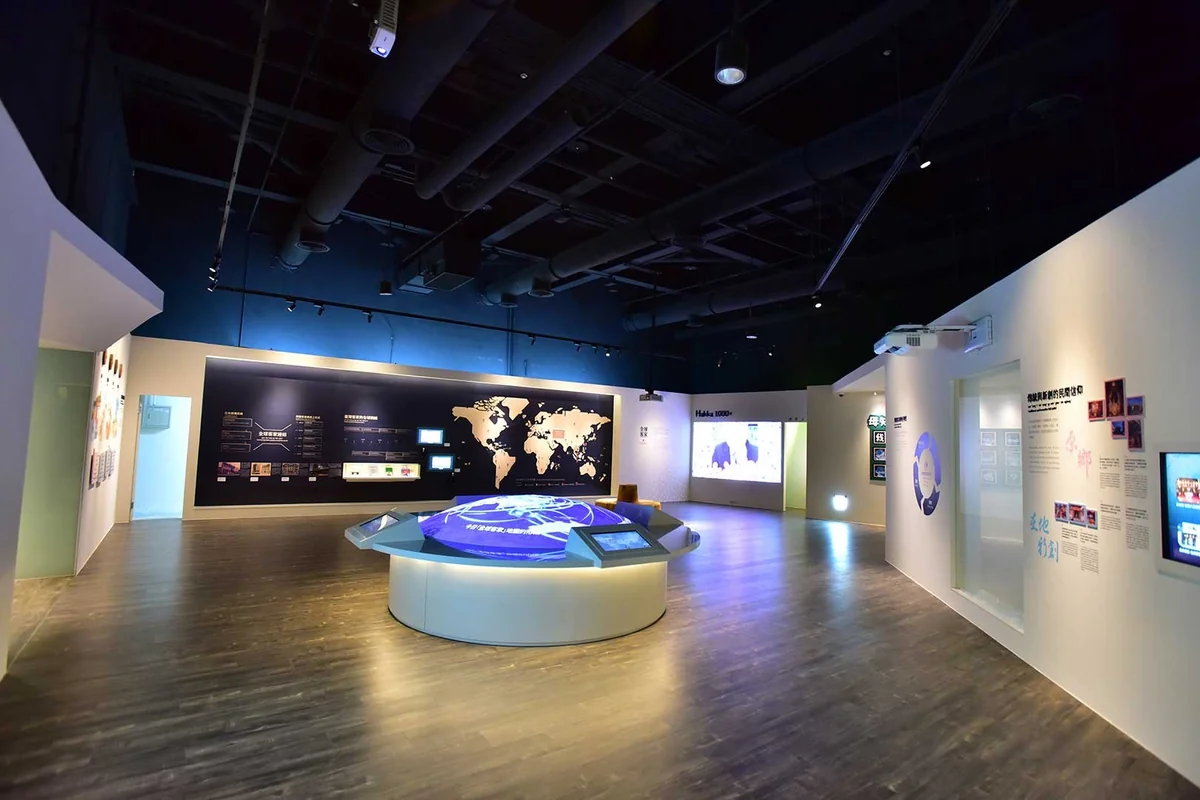
Look for differences within a name
At the museum, ask how an exhibit presents migration, language or family relationships: who kept an object, and how might younger people approach it? Start with the people and objects identified in the displays to explore specific lives beyond the broad idea of a worldwide Hakka community. The forum was a dated encounter, and its displays are not necessarily permanent; follow the current exhibitions when visiting.
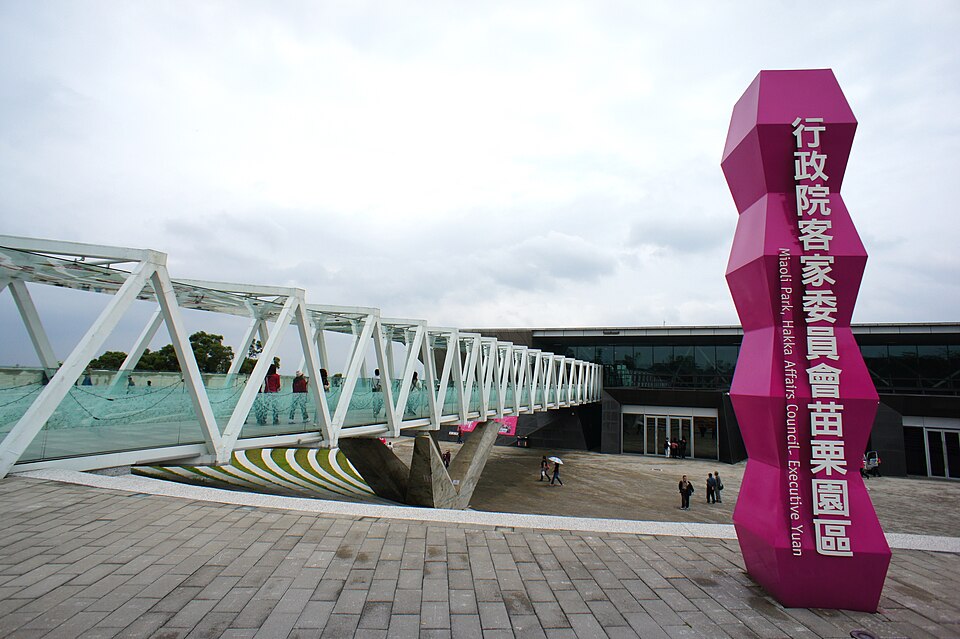
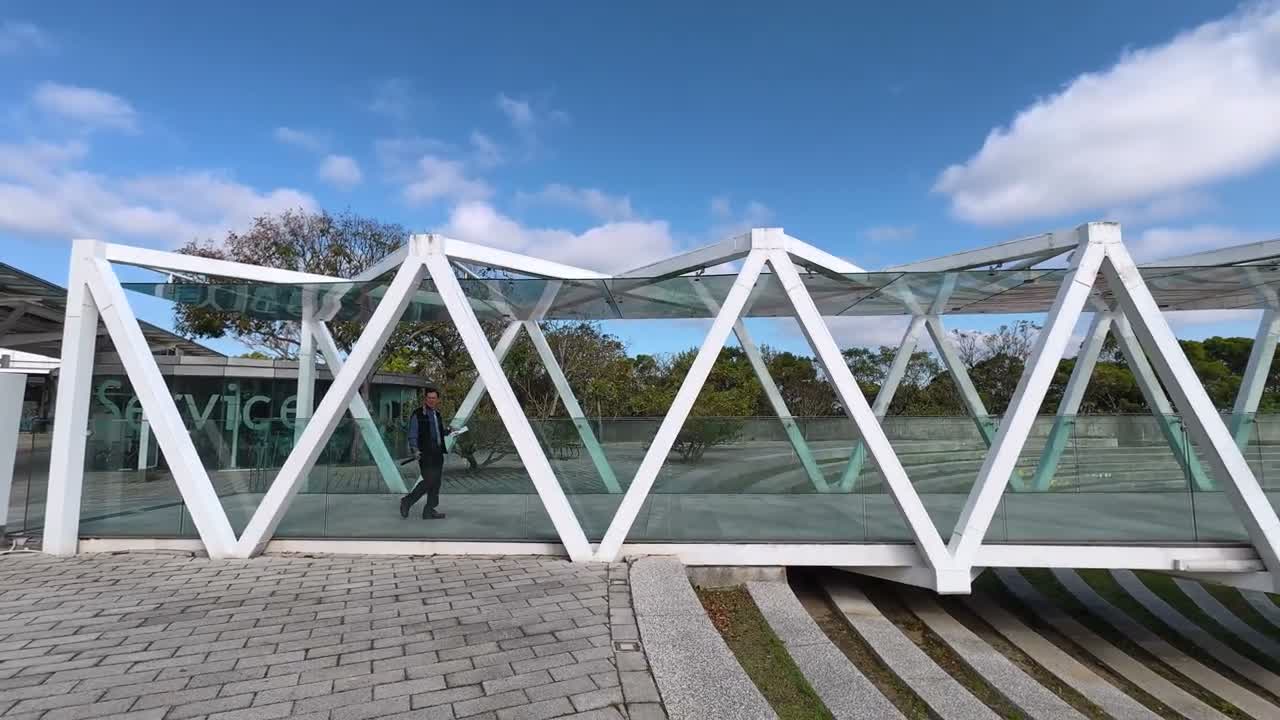
The museum’s hillside architecture offers another change of scale. Cross the entrance bridge, then spend time with one display rather than trying to absorb the whole subject at once. An exhibition can connect distant communities, but the most useful question is often close at hand: whose experience does this particular object make visible?
Three objects, three routes into a collection
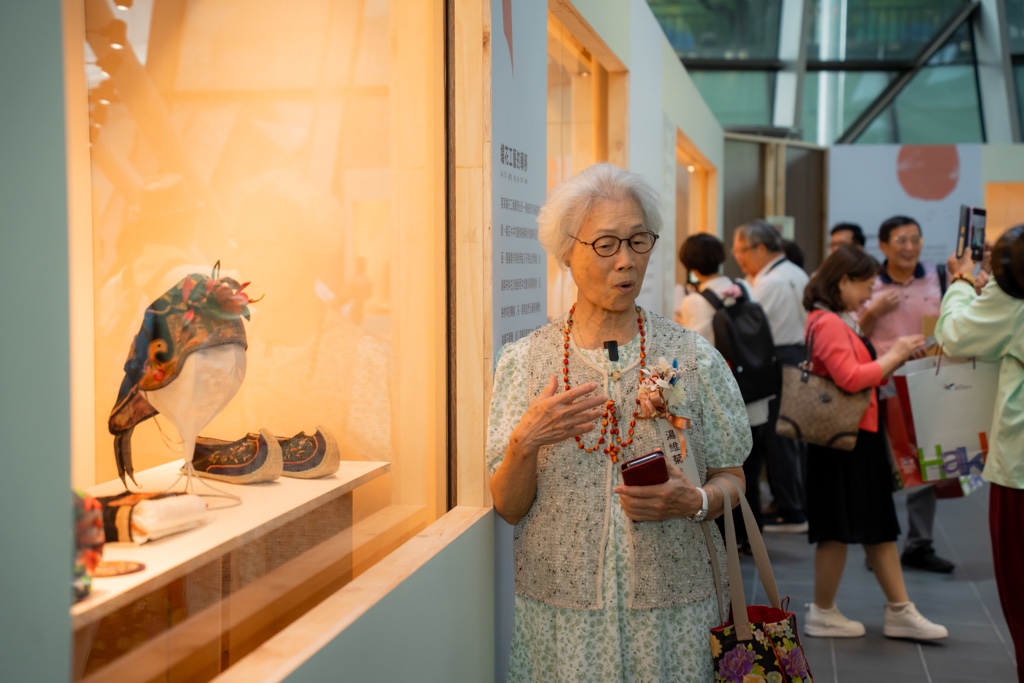
Everyday life enters collections through traceable examples. Reporting in July 2026 on donations from the previous year, the centre named Yu Yung-fa’s suitcase, Liu Cheng-tien’s millstone and Chiang Ho Hsi-chiu’s infant wrapping cloth. Travel, food processing and care appear at different scales. These are not a matched set from one household and should not be combined into a single imagined life.
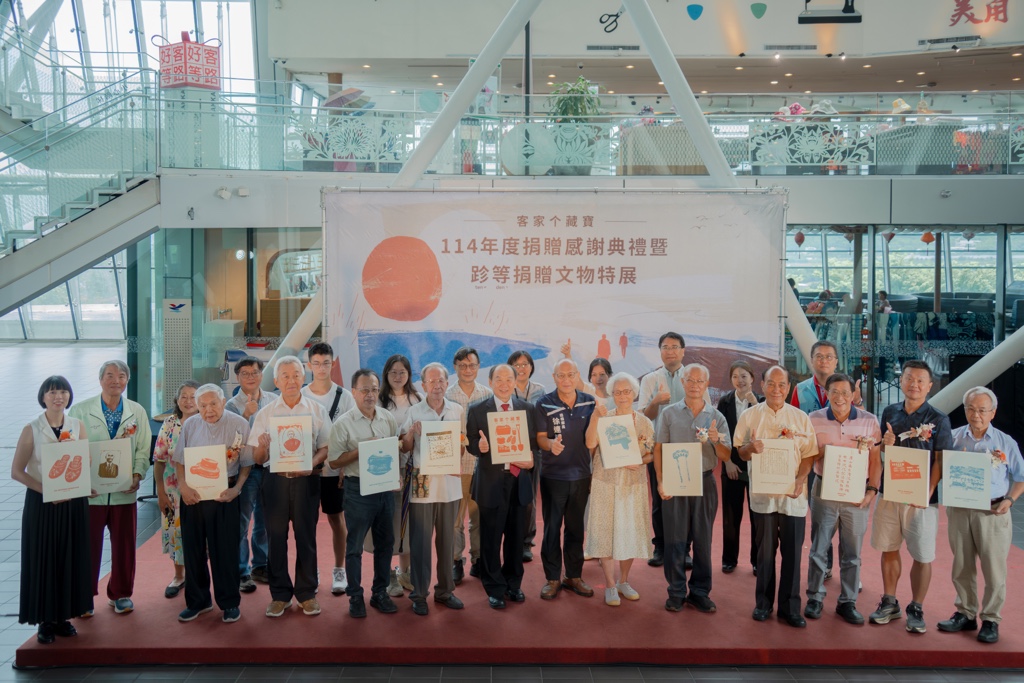
Named donations make provenance research possible while leaving limits. A suitcase raises questions of movement without supplying an undocumented destination; a millstone suggests processing work without identifying its user by shape alone. Such cases bring global migration back to objects and people that can be investigated. Collection records and current displays remain different, and these items are not promised on exhibition today.
What to look for
- Choose one object and read its place, maker or user before comparing a similar object nearby.
- Listen to the language material and connect it with the maps and everyday situations in the exhibition.
Plan your visit
- Address
- 6 Tongke South Road, Tongluo Township, Miaoli
- Opening and admission
- Wednesday–Monday 09:00–17:00; closed Tuesday except public holidays. Museum admission is free.
- Transport and return
- From HSR Miaoli / TRA Fengfu, ask 55688 about the listed shared-taxi service and reserve at least one day ahead. For weekends or public holidays, contact the operator on a weekday to confirm availability. Alternatively arrange a taxi from TRA Tongluo. Plan the return too; the museum is not beside a railway station.
- Before leaving
- The museum’s transport page, updated 28 April 2026, lists limited Monday/Wednesday/Friday morning community buses, excluding public holidays. Do not assume a late-afternoon bus is available for the return. Check the current timetable before setting out. Outdoor paths can close for works; follow on-site notices.
Sources & historical context
- Museum overview and exhibition spaces
- Thank You Hakka permanent exhibition and reference images
- Indonesian Hakka Forum, 2 October 2026
- Donation appreciation ceremony, 29 July 2026
- Opening, admission, and visitor rules
- Transport and return planning, updated 28 April 2026
- Chandra & Elisa Christiana, 2014, Jurnal Century
- Original museum walk-through, uploaded 16 January 2026
- Original cover photo: Mk2010, CC BY-SA 3.0, 13 April 2013

Museum reference photographs are published by the Hakka Culture Development Center; the original author’s walk-through supplies the entrance-bridge still. Source pages record publication dates, which do not always identify capture dates. Photographs and items mentioned here do not guarantee the same display is available on the day of your visit.