
Cultural story
A mooncake and a pomelo keep different calendars
The festival follows the moon, while fruit growers work with weather, ripening and the days after harvest.
Separate the cultivar name Madou Wentan from the place where a fruit was grown.
The lunar holiday and the harvest do not fall at a fixed distance each year.
The pattern appears before the first bite
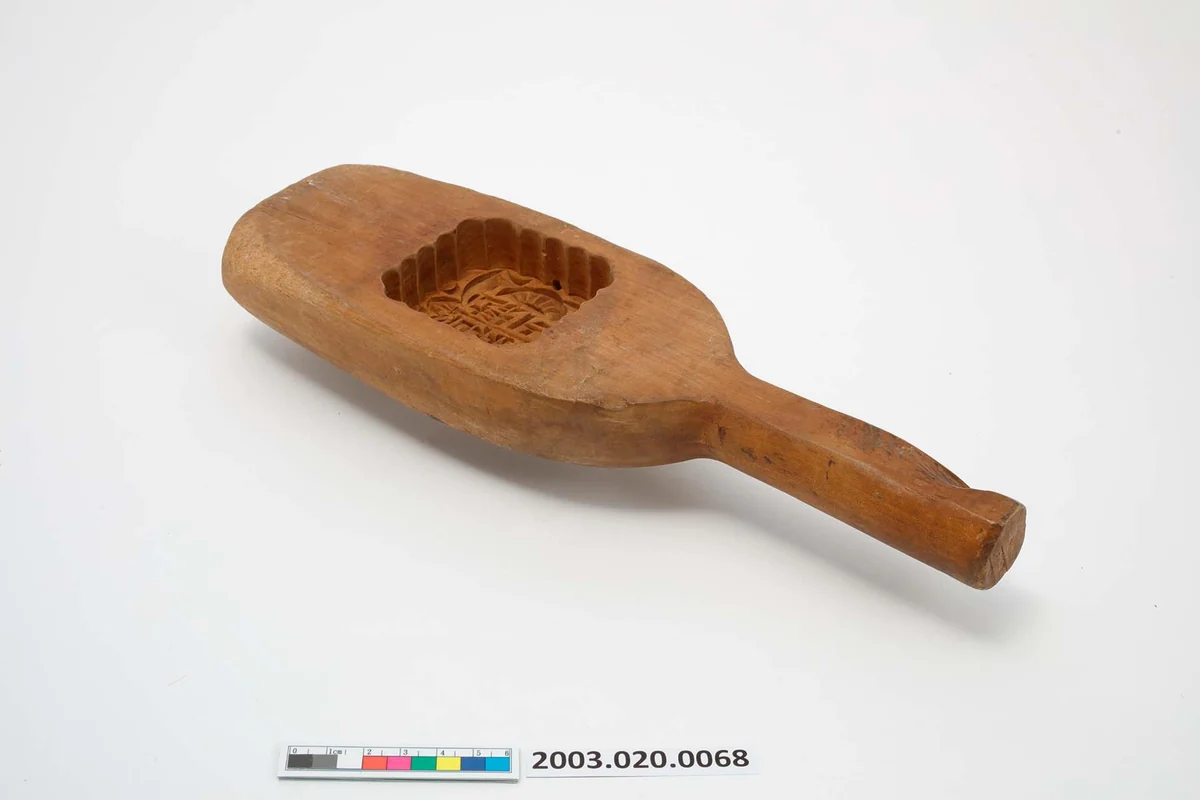
A mould presses a motif into dough so that a cake can carry a readable surface. Repeated impressions let a baker produce a set with a shared appearance; the finished cakes can then be divided, packed and given away. On the Mid-Autumn table, the cake moves between food and gift, and its wrapping helps it travel beyond the household that bought it.
The process is visible in a mould’s recessed design: the maker cuts an inverse that becomes a raised or impressed mark on the cake. Comparing tool and food makes decoration into a sequence of actions. A familiar festival object then reveals the practical work required to make many similar pieces without making each one separately by hand.
Madou is a place—and part of a cultivar name
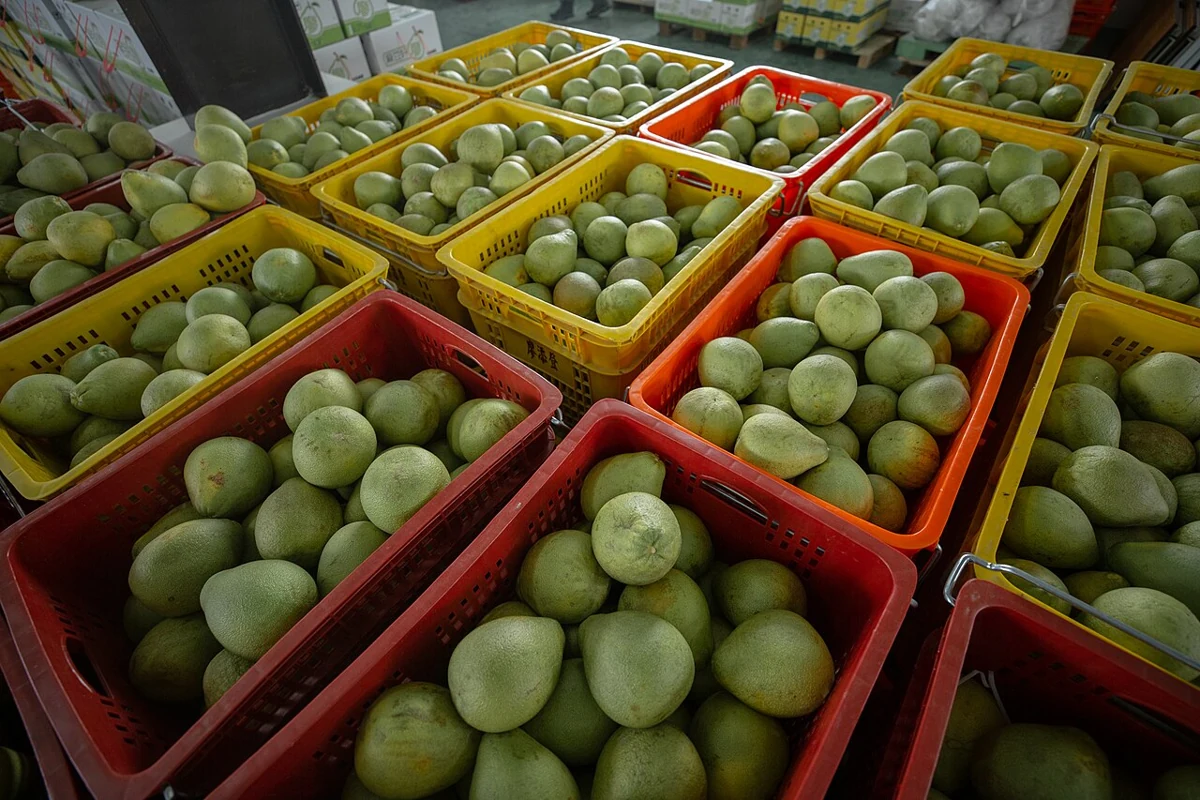
The Ministry of Agriculture’s food-education material explains that Madou Wentan is a cultivar name. Its association with Madou does not mean every fruit sold under that name was grown in the district. The variety spread to other producing regions, so the origin on a box and the cultivar on its label answer two different questions.
At a sales counter, that distinction opens a conversation about cultivar, orchard and picking date. Wentan is one member of a larger pomelo family; Xishi pomelo, for example, has its own name and appearance. A regional product becomes more precise when its label follows a particular batch of fruit rather than relying on a familiar place name alone.
The cultivation manual explains why the interval before the festival can trouble a grower. An early Mid-Autumn Festival may encourage harvest before sufficient growth; a late one can encourage delaying harvest to avoid long storage, with risks of yellowing skin and softer flesh. The manual describes balancing those pressures with the fruit's development and the year's conditions. A gift-giving deadline and biological readiness are two clocks that do not always agree.
The waiting after harvest
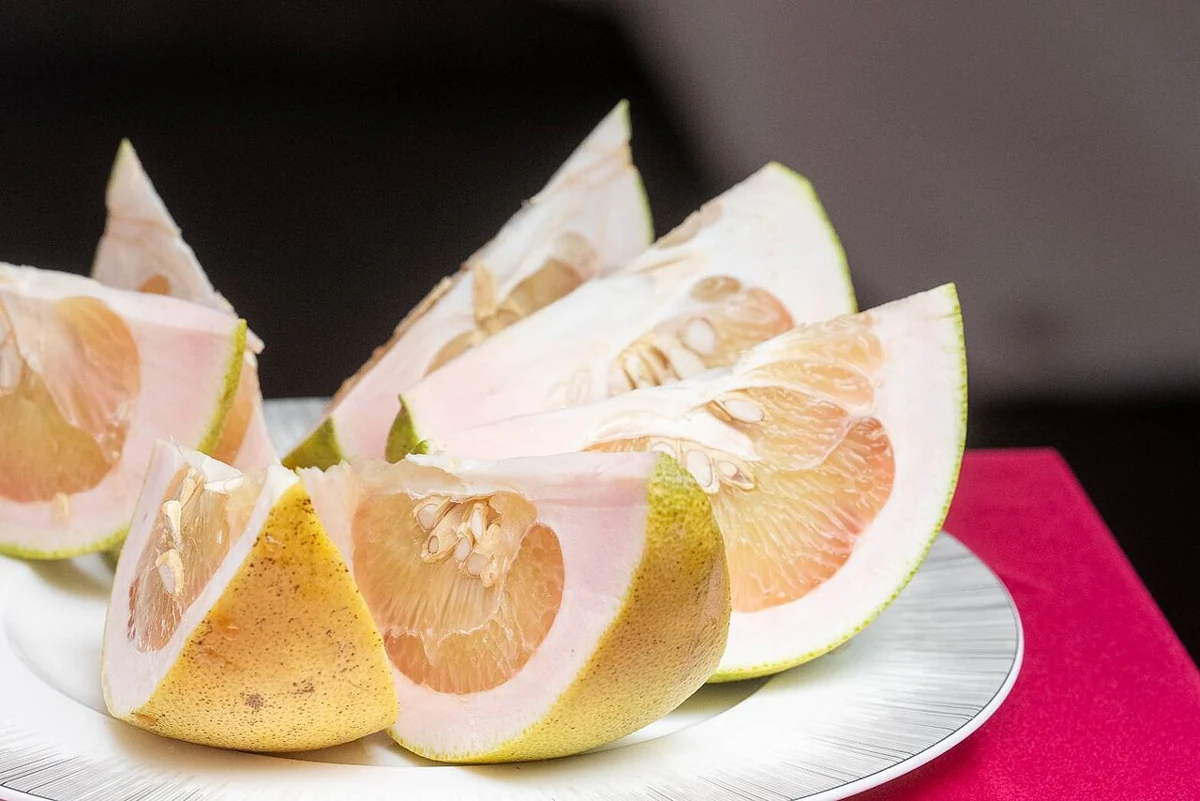
Wentan is associated with late-summer harvests, while Mid-Autumn falls on the fifteenth day of the eighth lunar month. Their distance changes from year to year. Growers must therefore manage the demands of a gift-giving deadline alongside the fruit’s maturity and the weather; the festival date cannot simply tell an orchard when every fruit is ready.
Growers and sellers describe a post-harvest resting period called cishui. A farm account from Madou also records waiting through heavy rain before harvesting and shipping. These details place the gift box inside a working season. Asking when fruit was picked and how it has rested gives the shared meal a connection to labour and weather, not only to the moon above it.
Its post-harvest pages describe fresh pomelos as having more water, thicker skin and firmer flesh. Resting them in a ventilated indoor place for about seven to ten days changes the skin and flesh before grading and packing. That is a handling stage, not simply leaving a forgotten gift box untouched. The period comes from a cultivation guide and is not a guarantee for every fruit: condition, storage and the producer's advice still matter.
Look closer
At the sales setting, read both cultivar and origin on a fruit box; in the collection photograph, examine the mooncake mould’s recessed pattern.
Visiting information
- Place
- Madou Farmers’ Association, 127 Xingzhong Road, Madou District, Tainan; ask the association about its seasonal pomelo sales arrangements.
- Visit
- Use the public sales setting to ask about cultivar, origin and harvest. Orchard visits require a separate arrangement with the grower.
- Transport and return
- Use Madou Bus Station as the regional transfer point, then take a taxi to 127 Xingzhong Road. Arrange the ride back to the transfer station before your onward coach departure.