
Cultural story
Miaoli pottery: the kiln that kept making room for change
At Zhunan Snake Kiln, flowerpots, fire chambers and experimental ceramics tell the story of a working craft that changed its purpose without abandoning its knowledge.
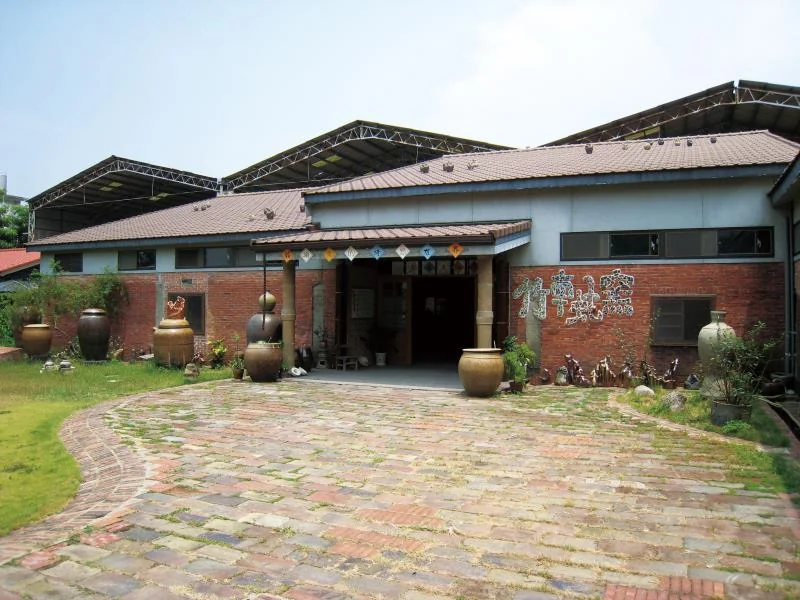
Begin with the kiln chamber, then look at the vessels it made.
Lin Tien-fu founded Hengfa Pottery in 1972; later generations added research, teaching and artist exchanges.
Weekday visits and hands-on courses have different booking arrangements.
A flowerpot comes before a museum label
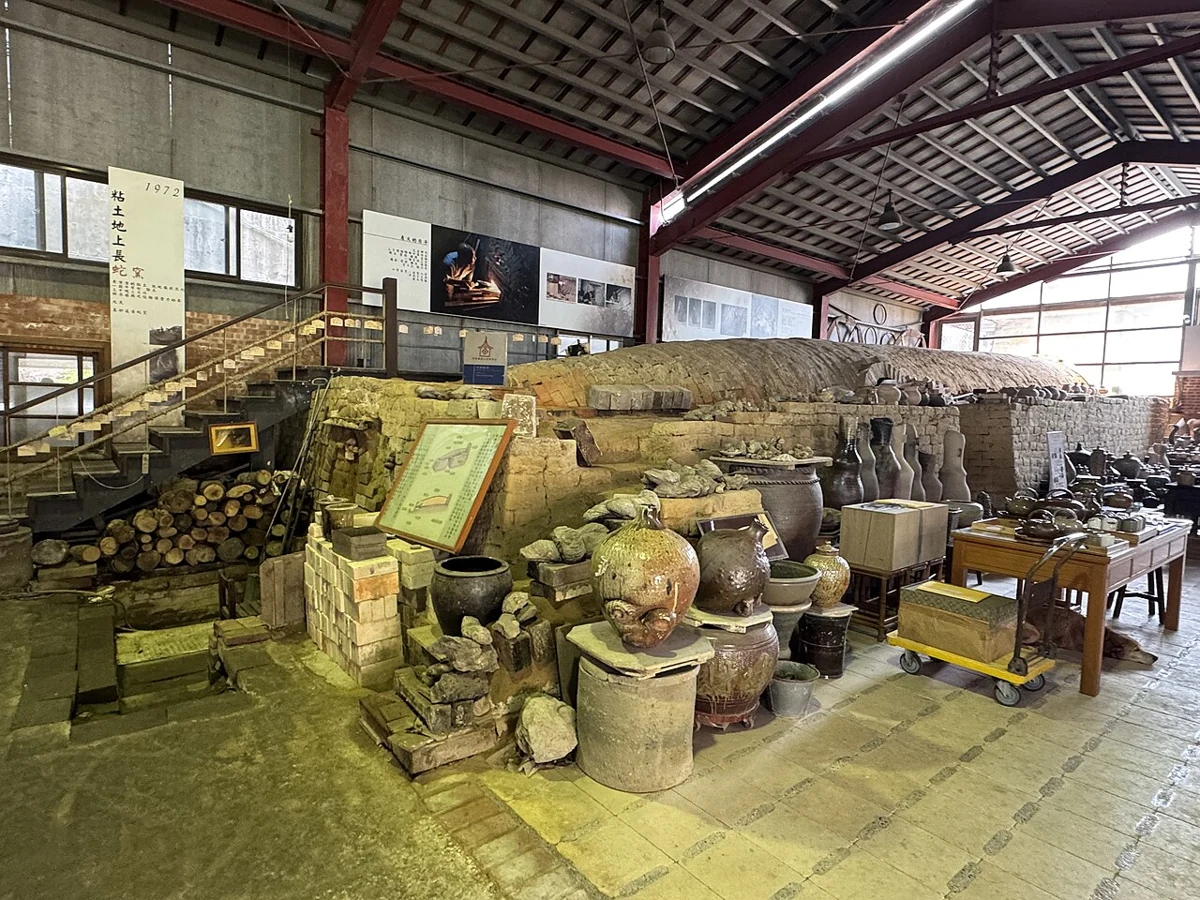
A flowerpot has to hold soil, survive water and be made in enough numbers to sell. These ordinary demands were part of the work at Hengfa Pottery, established by Lin Tien-fu in Zhunan in 1972. The long earthen-brick kiln now known as Zhunan Snake Kiln belonged to that production system. Its chamber, work area and surviving vessels make more sense together than as separate antiques.
Lin learned pottery as a boy and developed skills across several stages: preparing clay, throwing, making moulds, building kilns and firing. A potter with that range could alter both the object and the means of producing it. When the kiln moved towards folk-art ceramics in the 1980s, the change was therefore more substantial than replacing one product on a shelf. It drew on knowledge accumulated through daily manufacture.
The kiln's own history gives brickmaking a place beside potting. It describes Lin Tien-fu making moulds for roughly three thousand earthen bricks and building the original kiln with nine craftspeople and an ox. Its recorded original length is 25 metres, later shortened to 20. These are the site's own figures; accounts elsewhere differ. What the story firmly brings into view is that a production kiln first required its makers to manufacture the building material too.
Fire has a route through the building
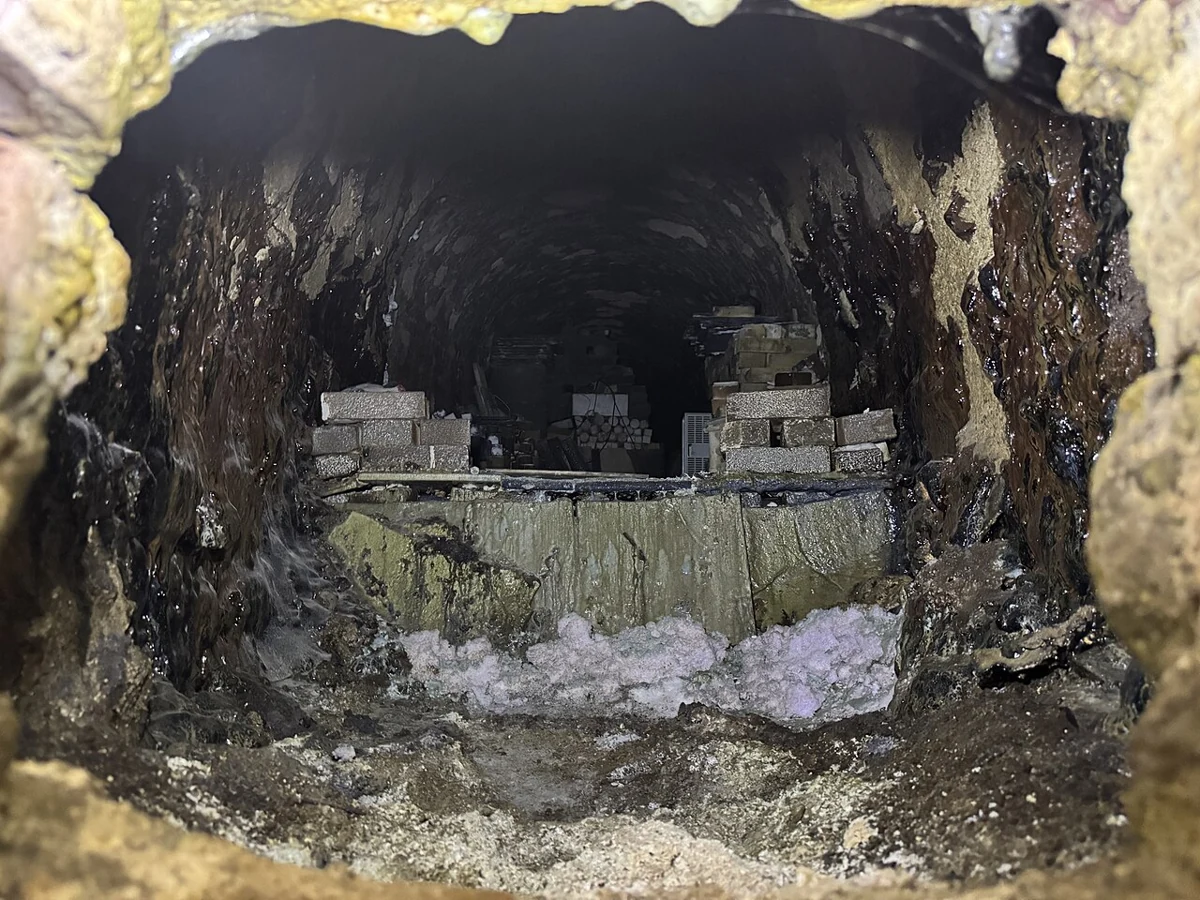
Despite its name, a snake kiln is not a winding tunnel. It is a long chamber built along a slope. Looking from its lower firebox towards the higher end brings the building into focus: heat, flame and air have to move through a space filled with ware. Placement is part of firing, not simply a way of storing pots until the fire is lit.
The second-generation kiln owner, Lin Jui-hua, pursued high-temperature wood firing. In 2016 his kiln reached a recorded 1,563°C. The number attracts attention, but his experiments ask another question: how can clay minerals, ash and fire produce a surface without an applied glaze? Seen beside the old production kiln, those experiments show continuity through investigation rather than exact repetition.
Lin Jui-hwa's experiments did not all take place in that surviving long kiln. The site dates his smaller Huashi wood-fired kiln to 1997, providing another place to test fire and ash. Distinguishing the structures prevents the old building's entire history from becoming a single temperature record. On a hosted visit, ask which kiln served flowerpot production and which supported later experiments; a guided explanation does not imply that any kiln is firing or can be approached during a burn.
Keeping a kiln means keeping work around it
The site was registered as a Miaoli historic building in 2002. Its subsequent life includes ceramic research, courses and visiting artists; Teng Shu-hui has linked her ceramic practice with investigation of Taiwan’s kiln history. Heritage here includes the difficult-to-display parts of making: recording how a kiln worked, explaining a firing decision and finding ways for another maker to test it.
A visit can follow that sequence. First read the scale and openings of the kiln, then examine a vessel’s foot, wall and surface, and finally compare finished work with the tools used to shape it. The site includes several kilns with different purposes. That distinction is useful: the historic kiln and later experimental kilns belong to one place, but they do not all perform the same job.
Look closer
Compare an unglazed surface with the vessel’s sheltered foot; ask how placement and firing affected each area.
Trace the kiln’s slope, chamber and openings before focusing on its name.
Visiting information
- Venue
- Zhunan Snake Kiln, No. 7, Dapuding, Neighborhood 7, Gongguan Village, Zhunan, Miaoli.
- Visiting
- Weekends and public holidays accept walk-in visits. Book weekday visits three days ahead; pottery courses require a separate booking.
- Getting there and back
- Use Zhunan railway station’s east exit and take a taxi to the kiln. Arrange the return pickup to the same station before entering the site; the official directions also offer a walk from Tanwen or Zaoqiao stations.