
Cultural place
Meinong Hakka Museum: a basket and the work it carries
Follow household objects back to their makers, uses and the choices involved in keeping a skill alive.
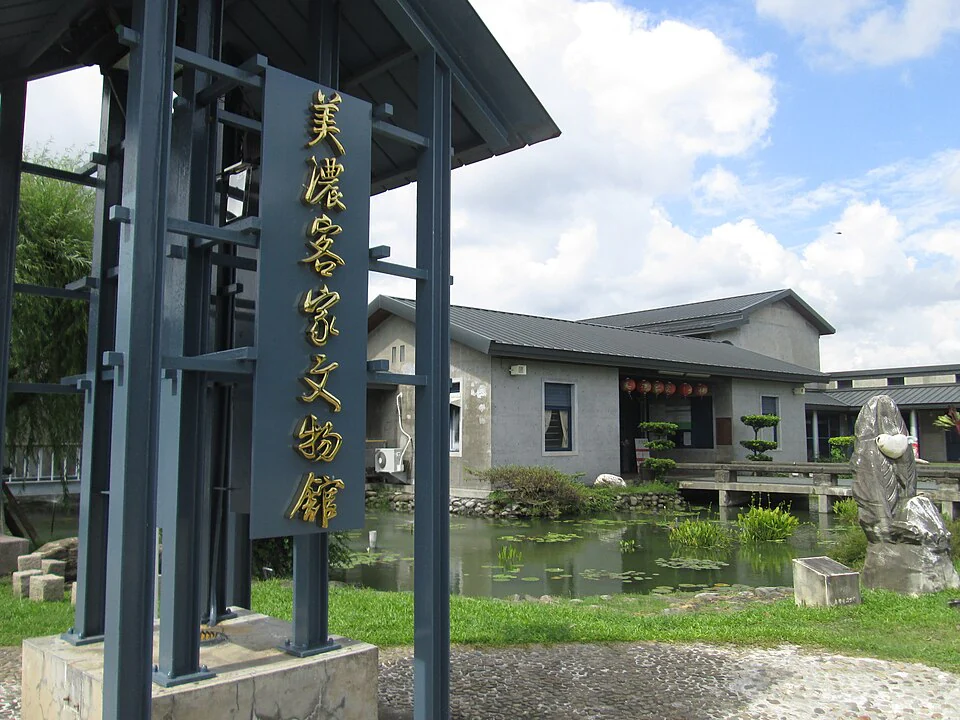
Look at ordinary objects through material, use and the work of their makers.
Connect the museum’s domestic displays with farming and craft in Meinong.
An everyday object deserves a closer look
A basket can disappear into the routine of shopping, washing and carrying things. In a museum, it asks for a different pace. Look at the handle, the container and the points where weight must be supported. These parts answer practical questions before they become signs of a cultural identity: what had to fit inside, and how would a person carry it?
Meinong’s iron baskets were used in household tasks, wedding preparations and ritual offerings. One object could move between an ordinary day and an important family occasion. Reading it only as decoration would lose that range of work. Its meaning becomes clearer when placed beside the food, clothing and furnishings that organised a household.
Durability and a maker’s livelihood
In a 2016 account of local craft workers, Fu Shan-chu described starting to make iron baskets at the age of 25. His careful work produced objects used for years, but demand had declined. He still wanted to pass the skill on. The tension is worth noticing: an object may remain useful in a home while the livelihood supporting its maker becomes harder to sustain.
The museum arranged demonstrations of his work that year. A 2020 exhibition brought baskets, bamboo curtains, rattan chairs and other crafts into a shared account of local labour. A demonstration preserves something a finished object cannot show on its own: sequence, hand movements and decisions made during the work. An archive and an object therefore answer different parts of the same question.
The museum opens back onto the town
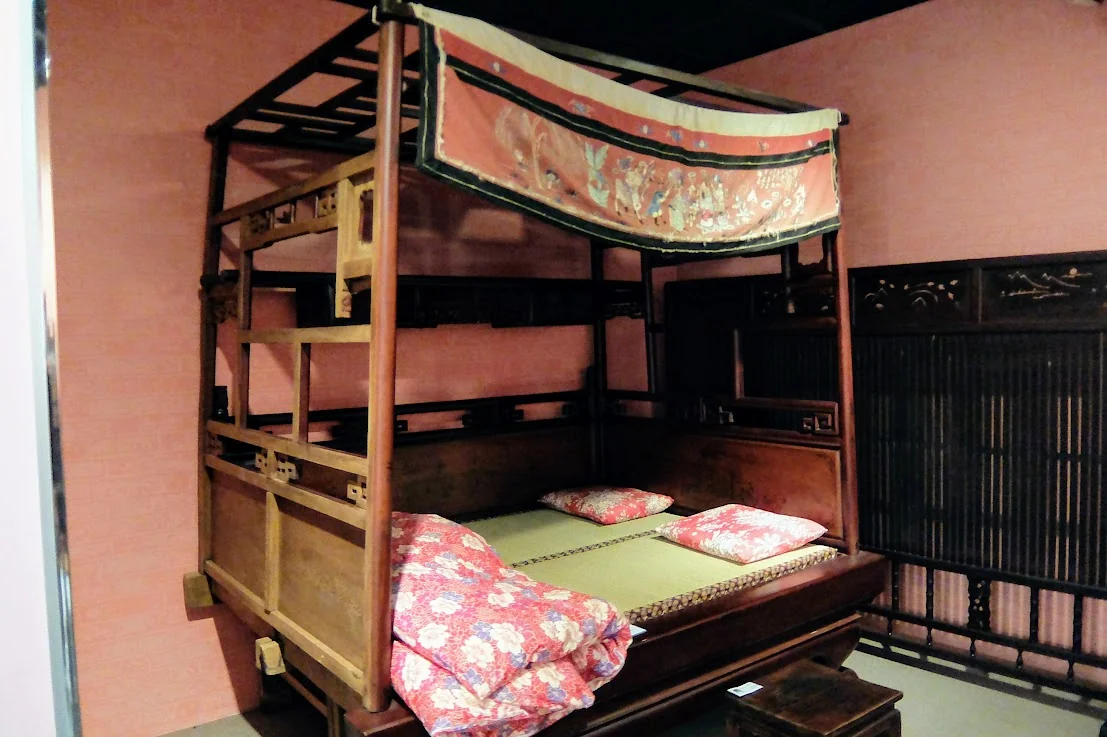
The museum opened in 2001 in a community where the movement against a proposed reservoir had strengthened local attachment. Its displays approach Meinong through stories of place and daily life. A model of a domestic setting or an agricultural tool can be a starting point for asking how family, work and the surrounding landscape fit together.
Choose one object and stay with it long enough to read its purpose. Then compare it with another made for a different task. That small comparison is more revealing than searching only for a recognisable Hakka symbol. Outside the museum, a workshop, market or field may give the same questions a present-day setting. The visit becomes a way to notice work that is easy to overlook.
A curing barn after its first job ended
Alongside the iron basket, a tobacco-curing barn offers another example of a working space changed by technology. As curing became computer controlled, older barns withdrew from production and faced abandonment or preservation. Kaohsiung’s Hakka authority records two reconstructed “model barns” as demonstrations of industrial heritage, including the Lin family barn. “Reconstructed” matters. A demonstration can explain earlier work without every material having remained continuously in place. Technological change, building preservation and museum interpretation are different stages. When extending the museum’s questions into tobacco history, distinguish former processes, retained fabric and later reconstruction. The Lin barn is a separate town location, not an original production room inside the museum; visiting conditions require separate confirmation.
Look closer
Compare a household object’s material, carrying capacity and use; read historical demonstration images as records of their dates.
Visiting information
- Address and hours
- 49-3 Minzu Road, Meinong, Kaohsiung. 09:00–17:00; closed Mondays, Lunar New Year’s Eve and the first day of Lunar New Year.
- Transport
- Buses run to Meinong from Kaohsiung, Zuoying or Pingtung. From Meinong bus station the museum is about 3 km away; arrange onward transport or allow the stated 40–50 minute walk.
- Current access
- Check the museum’s current notices before planning to use the children’s exploration area.