
Cultural place
Lukang Old Streets: keeping a house in use
Read the depth of a shop-house, a shared well and the everyday work of reuse.
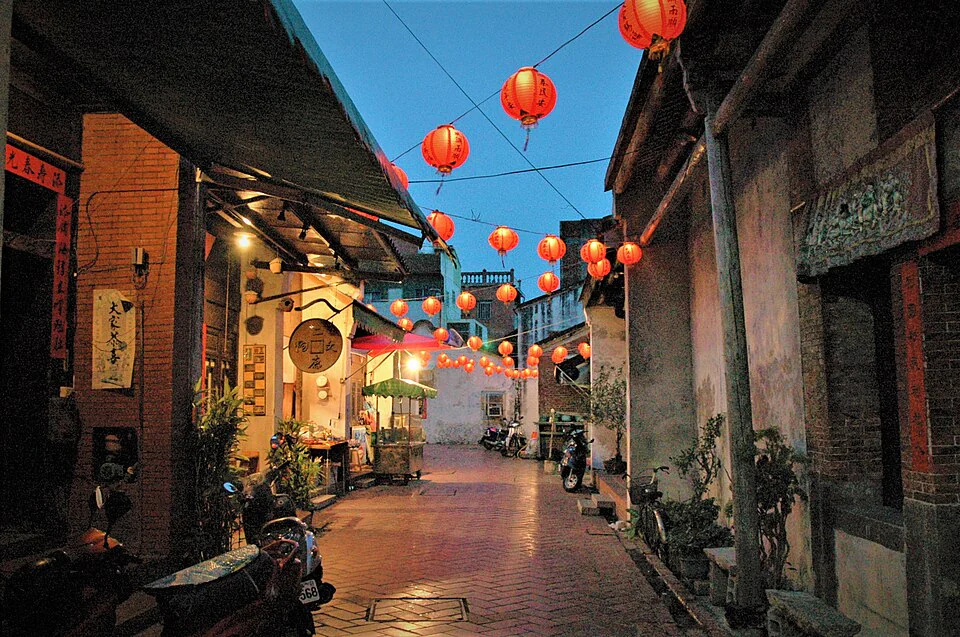
Begin with Yaolin and Putou streets; look at thresholds and the depth behind each frontage.
Treat open shops and closed residential doors as different parts of the same living town.
Behind a narrow frontage
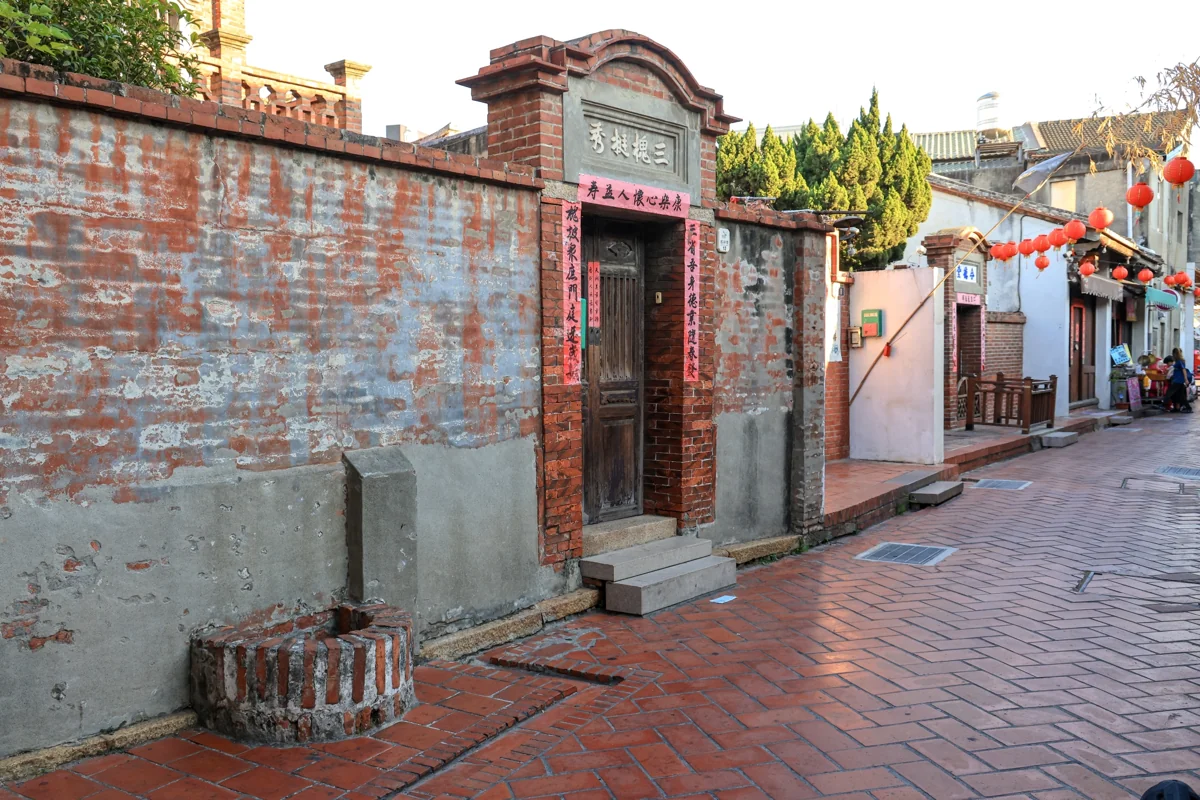
Lukang’s old streets centre on Yaolin and Putou streets. Their shop-houses grew within a trading town connected to river landings: commerce faced the street, while goods could arrive from the water behind. A frontage is therefore only one end of a deeper arrangement. Looking from the lane into an open shop helps reveal how business, storage and domestic life once shared a narrow plot.
The town’s relationship with water also appears at the half-wells. A well divided by a wall allowed access from more than one side. It gives an everyday scale to the history of exchange: beside long-distance trade, neighbours still needed water and ways to share it. Small structures can hold relationships that a grand façade does not explain.
A return home becomes repair work
In 2023, Hsu Shu-chi described leaving his work in Taichung and returning to Lukang after seeing old houses demolished. His concern extended beyond the town’s best-known monuments to ordinary residences. These homes carried everyday history without necessarily becoming famous sights. Looking at them widens preservation from a list of attractions to the fabric between those attractions.
The difficult work included earning owners’ trust. Repairing a building and connecting it with people seeking a place to work brought different responsibilities together. An owner had to be willing to hand over access, a team had to understand the building, and a new user had to find a way to live with its spaces. The relationship continued after construction ended.
A named case in Jinsheng Lane gives this relationship a concrete setting. The Changhua County Government’s book, published in 2021 as 2020 Light Up Old House, records the Shi houses at numbers 83 and 84. With their owners living away from Lukang, the unused buildings deteriorated. After grant-supported repairs, ceramic artists Chen Szu-ying and Mi-te moved in to create Li-ye Tea and Pottery. The book records brick façades, cypress windows and timber beams alongside pottery, tea and neighbourhood visits. Repairing fabric was one step; bringing work, objects and conversation back gave the houses another use. The 2021 publication records its use at that time. Check the present business and access arrangements before visiting.
A useful building needs more than a picture
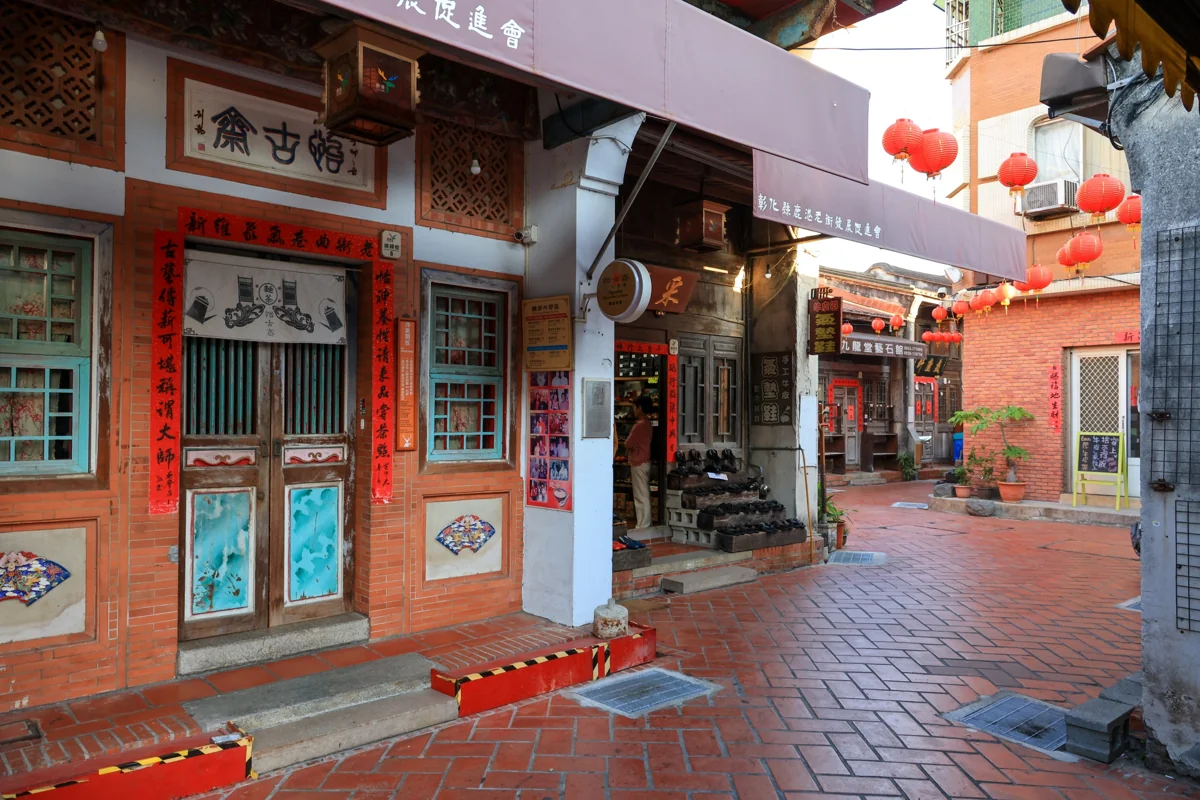
Inside a publicly open shop, notice how contemporary use sits within the older building. A display table, lighting or a clear path through the room reveals decisions about receiving people. The old shell and the new arrangement need to work together. Reuse becomes visible through such small practical choices, not only through a restored exterior.
Then return to the lane and look at the closed doors too. A home that remains private is still part of the town’s life. Walk slowly enough to distinguish a shop, a residence and a passage, leaving each its own role. The question to carry away is not simply how old a house is, but what allows it to remain useful and cared for now.
Look closer
Compare the width of the street frontage with the depth visible inside an open shop; look for the half-well without entering private yards.
Visiting information
- Where to start
- Yaolin and Putou streets, Lukang, Changhua. Shop and building hours are individual.
- Transport and return
- From HSR Taichung or TRA Changhua, use Taiwan Tourist Shuttle 6936 to Lukang Bus Station. Save the return timetable and allow time to walk back from the lanes.