
Ivalino, beneath the low roofs
Begin with Ivalino’s roofs and living spaces, then read the residents’ accounts of caring for a home.
90 seconds · English captions in the film; optional English and Traditional Chinese CC.
Film sources and complete bilingual captions
Selected Ivalino footage published in 2014, 2021, 2024 and 2025 records separate visits. Homes and guided-visit arrangements may change; confirm your visit with the local host.
00:00:00,300 --> 00:00:06,600
Ivalino, Lanyu
Beneath the Low Roofs
野銀・蘭嶼
低屋簷下的生活
00:00:07,400 --> 00:00:13,600
On Lanyu’s eastern coast,
a village rests against the hills.
蘭嶼東岸,
聚落倚著山坡展開。
00:00:14,400 --> 00:00:19,600
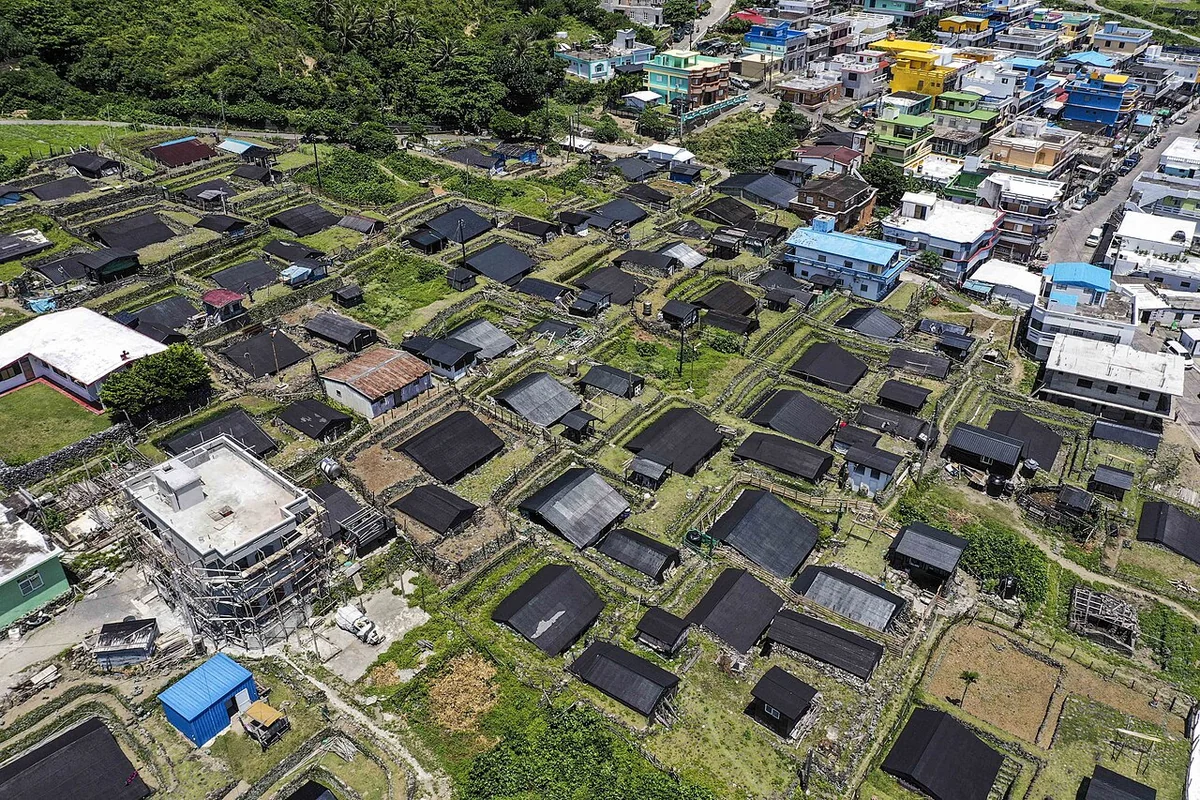
Stone walls divide the slope
into courtyards and paths.
石牆沿著坡地,
分出庭院與路徑。
00:00:20,400 --> 00:00:25,600
A main house, a workroom,
a place to rest outside.
主屋、工作房,
還有戶外休息的涼臺。
00:00:26,400 --> 00:00:30,700
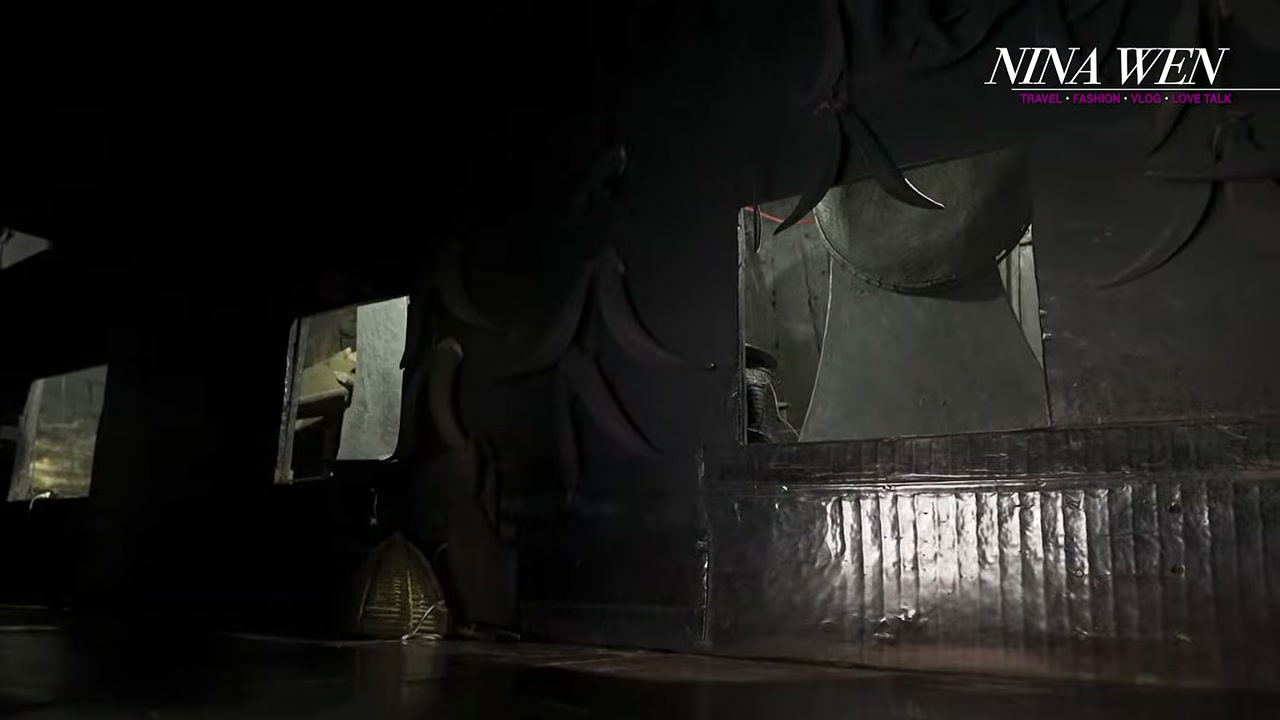
With your host’s invitation,
bend to enter the low doorway.
經過主人同意,
低下身子走進家屋。
00:00:31,400 --> 00:00:35,900
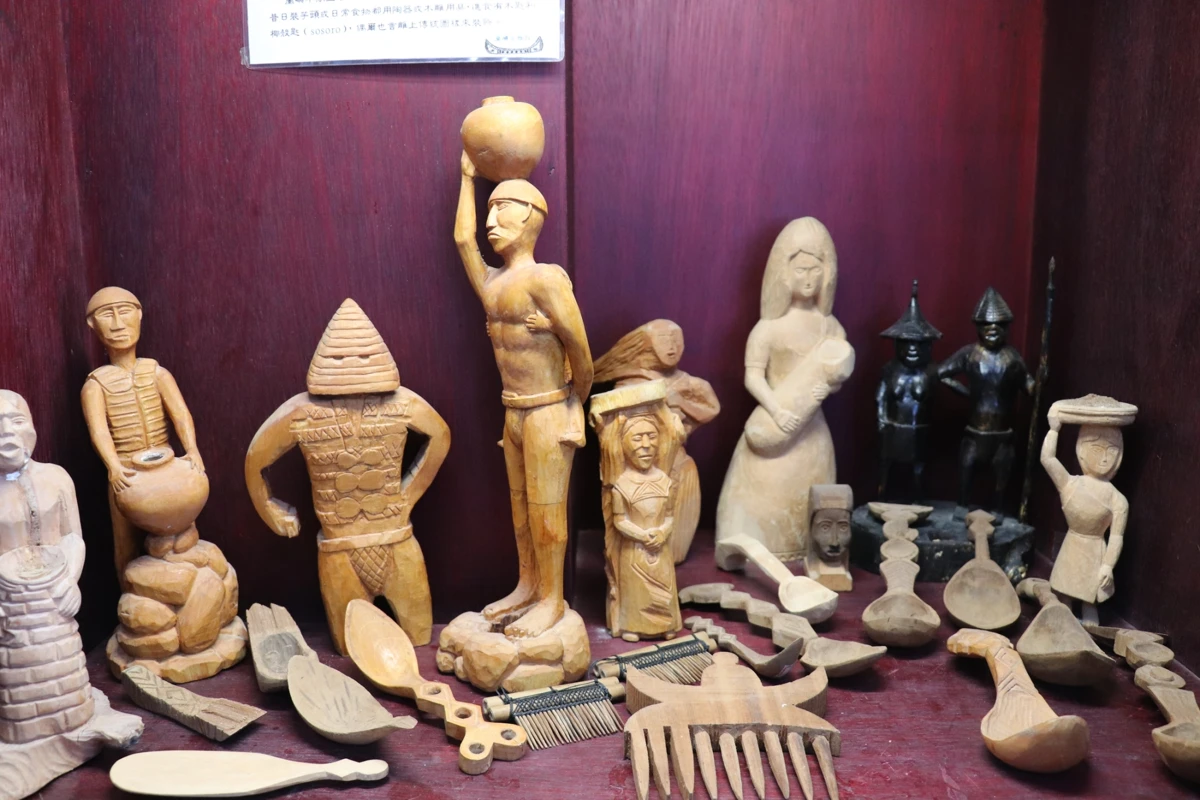
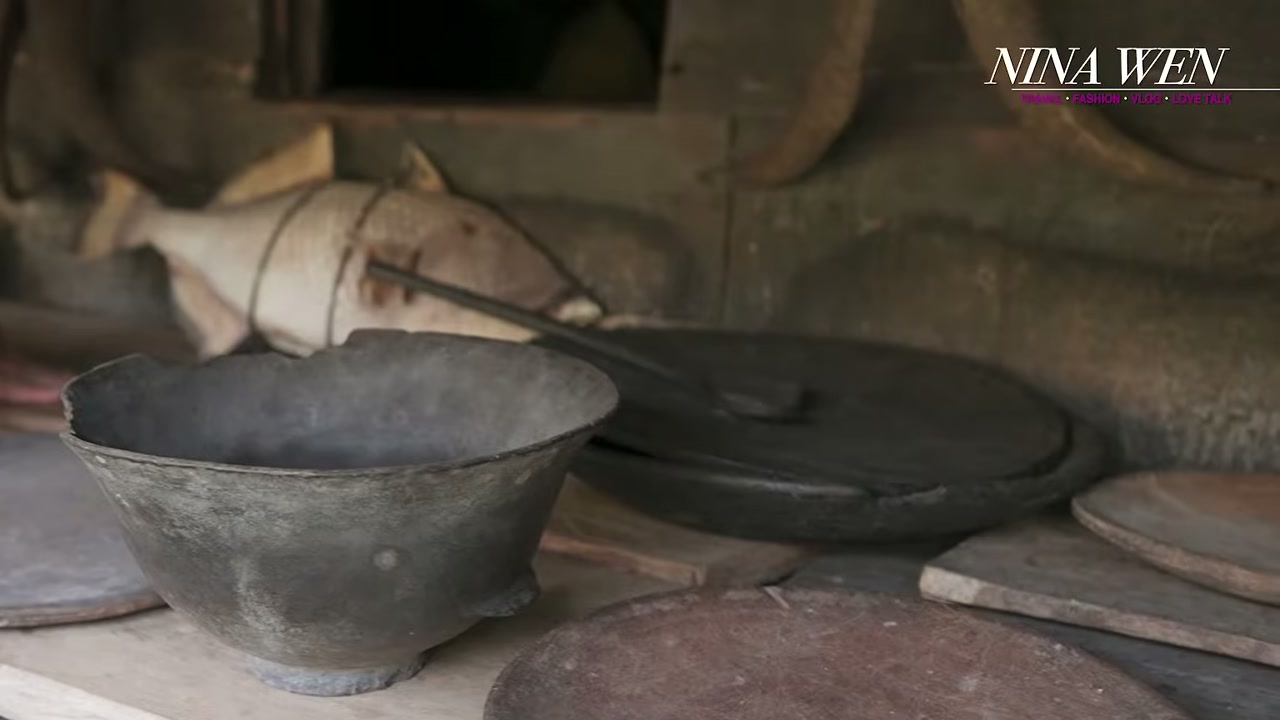
Clay pots and wooden lids
bring everyday use into view.
土鍋與木蓋,
把目光帶回日常使用。
00:00:36,600 --> 00:00:41,800
Look at the handwork.
Ask how each object was made.
近看手作痕跡,
聽聽器物怎麼做出來。
00:00:42,600 --> 00:00:45,800
Fish hang below the beams:
food and house share a space.
屋梁下掛著魚,
食物保存也連著家屋。
00:00:46,600 --> 00:00:51,400
Look at the bindings
around this suit of armour.
近看這副盔甲,
邊緣如何綁合。
00:00:52,200 --> 00:00:58,300
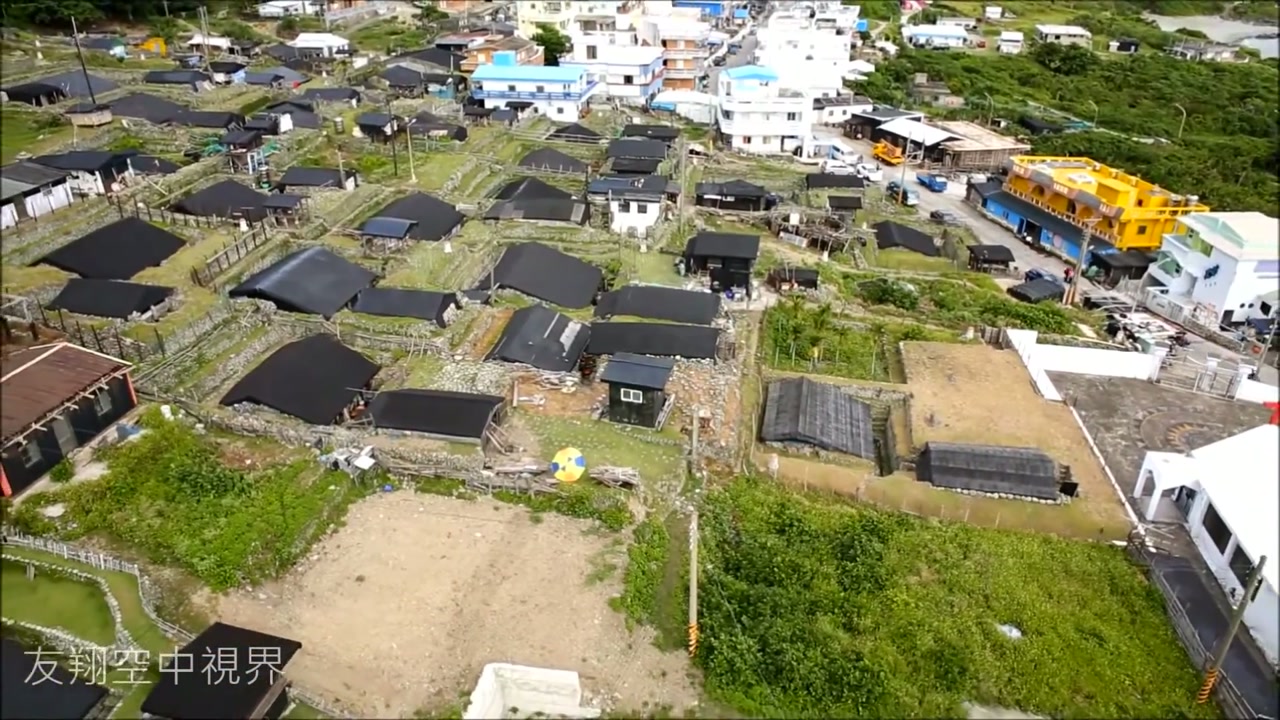
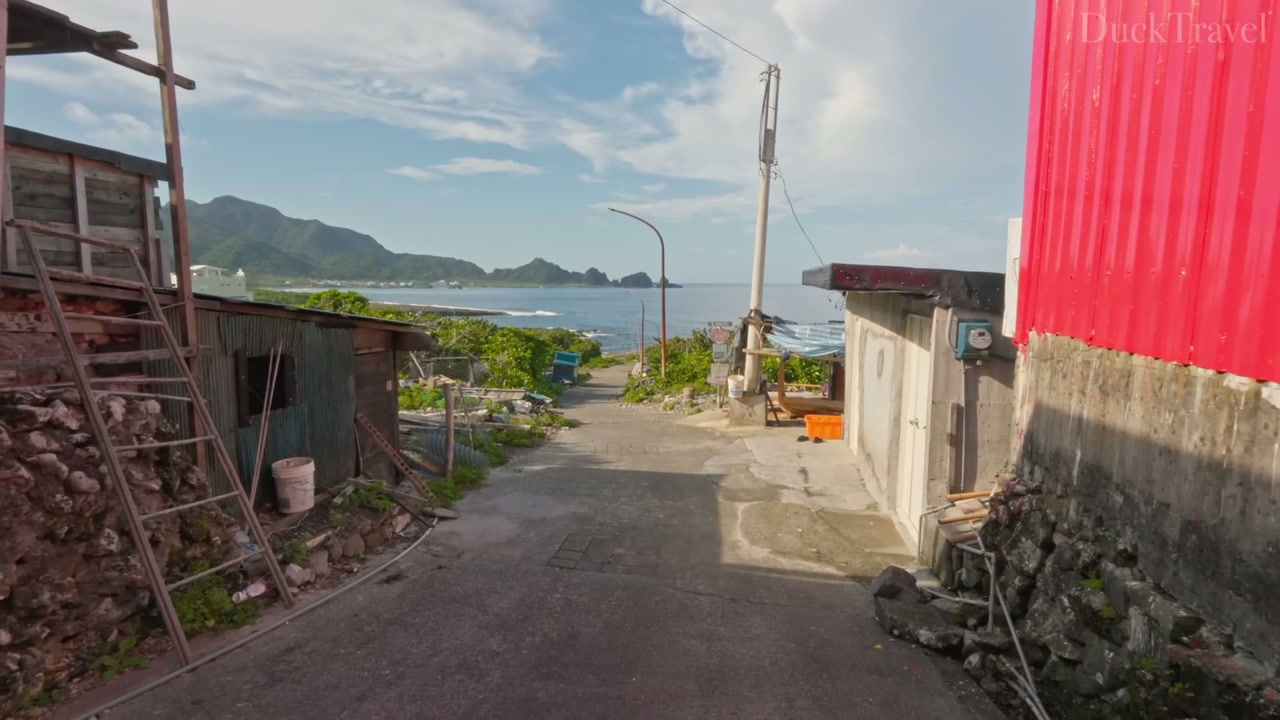
Beyond the old roofs,
newer homes line the streets.
走出低屋簷,
街上也有後來的新住屋。
00:00:59,300 --> 00:01:05,300
The village continues
between these different buildings.
不同建築並存之間,
生活仍在繼續。
00:01:06,200 --> 00:01:12,300
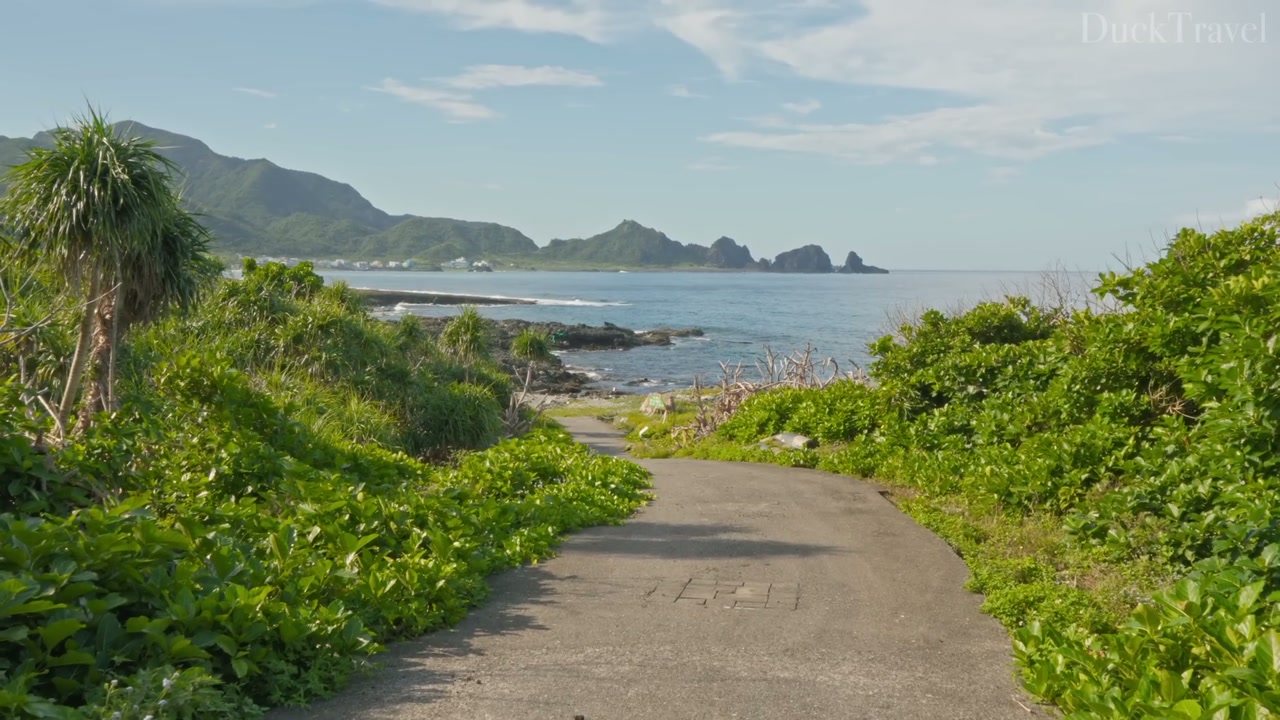
Walk towards the coast.
The Pacific comes into view.
沿小路往海邊,
太平洋慢慢展開。
00:01:13,200 --> 00:01:19,300
Mountain, shoreline and home:
keep them in the same picture.
山、海岸與家屋,
放在一起看。
00:01:20,200 --> 00:01:25,400
Arrange a local guided visit.
Ask before entering or photographing.
先安排在地導覽;
進入或拍攝之前,再分別詢問。
00:01:26,200 --> 00:01:29,500
Ivalino • Lanyu
Taiwan, Layer by Layer
野銀・蘭嶼
島嶼年輪
Homes and island life
Ivalino: reading a home below the road
A doorway, a hearth and a travelling suitcase connect the traditional house with work, family and journeys across the sea.
Visit a privately owned house through its host or a locally arranged tour.
Lanan Museum provides a separate public introduction to objects and house forms.
A low roof is the beginning of a larger system
From the road, Ivalino’s roofs sit low against the slope. A traditional household includes a main house, a working house and a raised resting platform, each accommodating different tasks and times of day. The partly sunken main house responds to the island’s strong winds and heat. Walking past its roofline, however, reveals only a small part of how people use the spaces below.
In a 2022 account, Ivalino resident Li Liang-yen explained his house through its structural names: tangbad, the central tomok post and the boards supporting the building. He also described how hearth positions differ between eastern and western communities in relation to sunrise. His explanation starts from the house he knows. It invites close attention to local variation, rather than treating every Tao house as one identical plan.
Food preservation and house maintenance meet above the hearth
Li’s account places the fish-smoking rack and smoke outlet within the same explanation of the building. Fish hang above the hearth; smoke moves through a deliberately arranged opening. The book connects this work with protection of the timber from termites. Food storage and maintenance share a space, so a darkened beam can carry evidence of repeated domestic work as well as age.
He also recalled the ritual work surrounding a new house and the transfer of responsibilities to a son. Raising the important post required choosing a day and preparing the household; welcoming guests involved song and kinship. The building was therefore made through more than joining materials. People had to recognise who would use it, inherit it and carry its obligations forward.
Another Ivalino resident, Shih Po-yi, explained house care in a 2016 interview. The home had come from his father-in-law; remembering the care he had received from his wife's parents, he sought help to repair it. He compared a house to clothing that deteriorates without attention. Maintenance was thus a continuing relationship with people and their work, rather than simply preserving an old-looking façade.
A suitcase changes the way the old house is read
During a 2021 guided visit, host Chou Ke-kuei showed travellers a suitcase kept in his old home. It had accompanied his first journey to Taiwan’s main island. He had worked in construction in Sanchong, learned the saxophone and later returned to Lanyu. The suitcase brings those journeys into a room often described only as traditional: its owner’s life moved between places, and the house kept a trace of that movement.
For a public introduction before or after a hosted visit, Lanan Museum displays tools, clothing and ornaments, with a traditional-building area outside. Its guides connect the objects with their uses, and the foundation directs admission income towards children’s education. The museum and a family’s home offer different encounters. Together they help a visitor move from recognising a roof’s silhouette to understanding the work, teaching and relationships that allow a house to remain meaningful.
The same article records a difficulty behind sourcing timber. Shih said little-used family mountain paths had become overgrown; the writer noted that practical constraints and project deadlines led some repairs then to rely on wood shipped from Taiwan. This is a 2016 account, not a claim about every house today. It shows why inherited building knowledge also depends on access to materials, time and people who can do the work.
Look closer
Follow the host’s explanation of hearths, posts and platforms, including the names used for each.
Notice objects that record journeys and changing work, alongside older household tools.
Visiting information
- Ivalino house visit
- Arrange a host-led visit through a local operator or your accommodation. Confirm the meeting point and the particular house; courtyards and interiors are residential space.
- Public museum
- Lanan Museum, 147 Yuren, Hongtou Village; 089-732073. Tuesday–Sunday 08:30–12:00 and 13:30–17:00; closed Monday.
- Admission and guide
- General admission NT$100; concession NT$50. Guided visits at 10:00 and 15:00 take about 40–50 minutes; there is no guided service on Tuesdays. Reserved group guided tours require at least 15 people.
- Travel across the island
- Ivalino is on the east coast and Lanan is near Yuren on the west. Arrange an island taxi or your accommodation’s transport, and agree the return pickup rather than treating the two venues as one walking stop.
1. Begin with the roofs on the slope
Low roofs follow the slope, while stone walls separate courtyards and paths. From a public road, the relationship between homes and hillside becomes visible. Begin with that larger view before asking a guide about the details.
Ivalino lies on Lanyu’s eastern coast. Traditional low houses and later concrete homes stand beside one another. Their coexistence is part of the village’s continuing life.
2. Lower your gaze at the doorway
A low roof changes the way a person enters. During an agreed guided visit, bending at the doorway reveals changing light, timber and floor levels. A glance from outside offers a different encounter from a host’s explanation.
A traditional household includes a main house, a workroom and a resting platform. Ask about their names and uses. Let the host decide where visitors may walk, sit or enter.
3. Put objects back into daily use
A clay pot, a wooden lid and a handheld object make the interior more than an architectural outline. Ask how an object is held and stored, and who makes and cares for it. Wear on timber then becomes a trace of use.
Look up to see racks sharing the space with roof beams. Food preservation also belongs to the story of a house. Objects and explanations vary between households; let the person welcoming you introduce their own home. On the displayed suit of armour, follow the bindings around its edges, then ask how it was used and made.
4. Read stone, timber and terrain together
Stone walls, timber and a house set below road level respond together to climate and terrain. Returning to the wider village view connects the roofline to slopes, drainage and wind, rather than treating it only as an unusual shape.
Homes also continue through care. Materials, working time and shared knowledge matter to repairs. Ask your guide about a particular feature instead of assigning an unverified meaning to it.
5. Visit at the host’s pace
Arrange a house visit through a local operator or accommodation host. Confirm where to meet, which household will welcome you and how you will return. Follow the host’s lead on arrival.
Ask separately before photographing people or interiors, or stepping into a courtyard. Leave time for conversation and room for the people who live here. Small details beneath a roof can become a lasting memory of the place.
Article, image and music sources
Selected Ivalino footage published in 2014, 2021, 2024 and 2025 records separate visits. Homes and guided-visit arrangements may change; confirm your visit with the local host.
- 文化部文化資產局:蘭嶼雅美族野銀部落傳統建築
- 國家文化記憶庫:野銀部落傳統建築
- 臺灣世界遺產潛力點:蘭嶼聚落與自然景觀
- 島嶼年輪:野銀原文章
- 友翔空拍影像製作專業空中攝影 https://www.youtube.com/watch?v=eYEVAOjGK58
- Nina Wen https://www.youtube.com/watch?v=mdfZoZIvB-4
- 嗨!你好 @hihi_ayoy https://www.youtube.com/watch?v=4sxk8ZkZhrA
- DuckTravel (World Tourist Channel) https://www.youtube.com/watch?v=gi0CbL7I_oM
Music: 巷弄留白 · AI-generated instrumental.