
Annual event
Welcoming the City God: Houpu moves on many shoulders
The fourth lunar month’s procession connects temples, neighbourhood groups and returning islanders through a living local history.
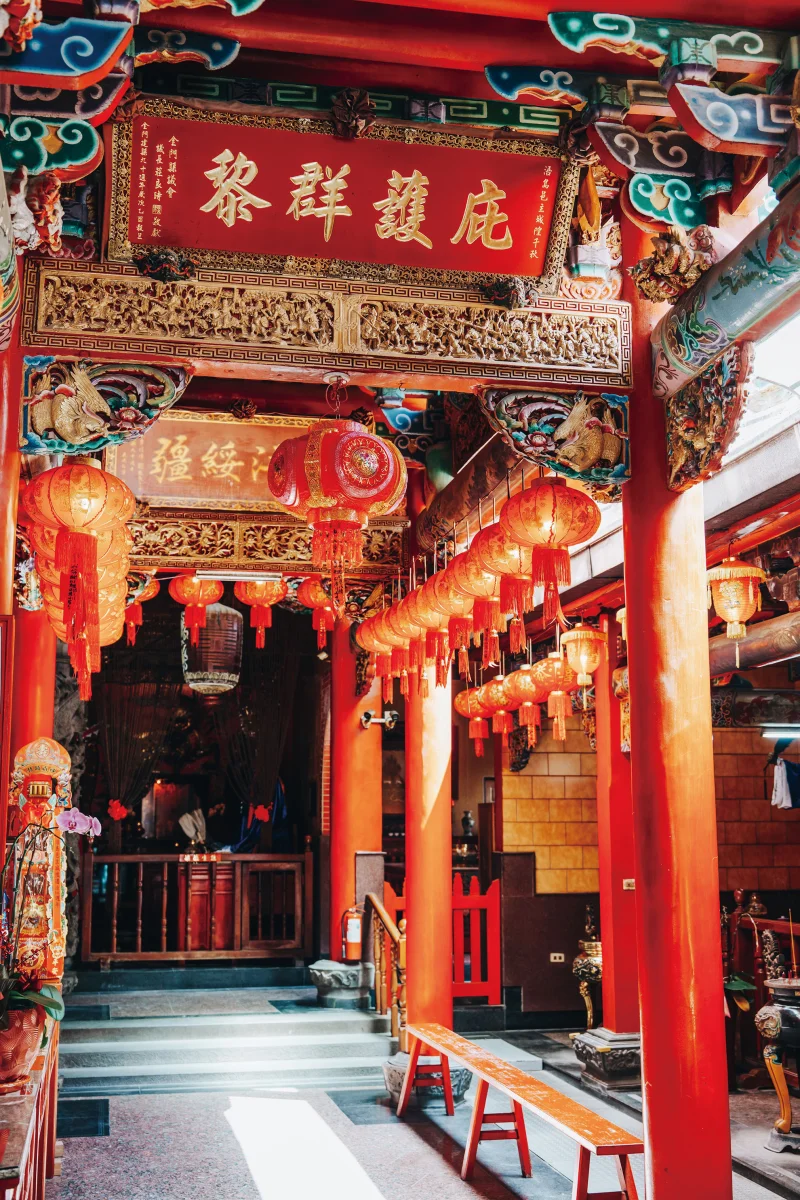
The main procession is on lunar 4/12: 28 May in 2026. That year’s cultural season ran 1–28 May. The 2026 edition has ended.
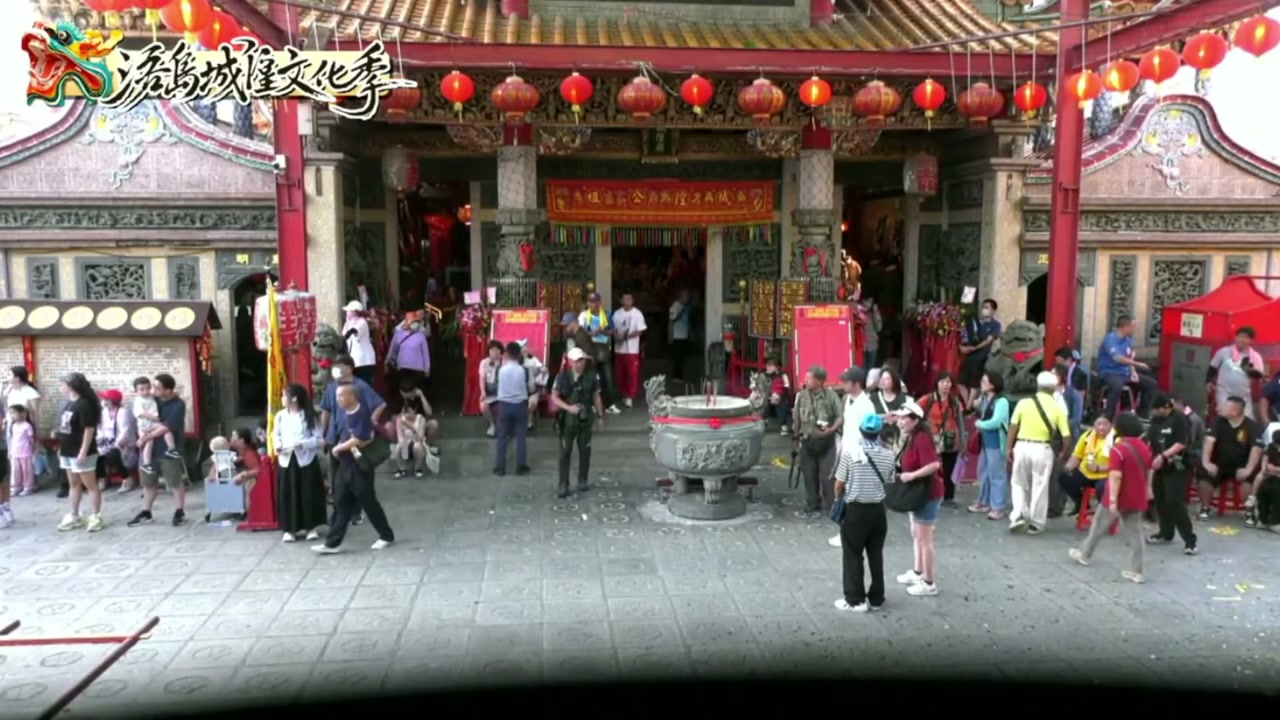
Begin at Wudao City God Temple, then walk into Houpu to see how procession groups move through the streets.
A date that remembers a move
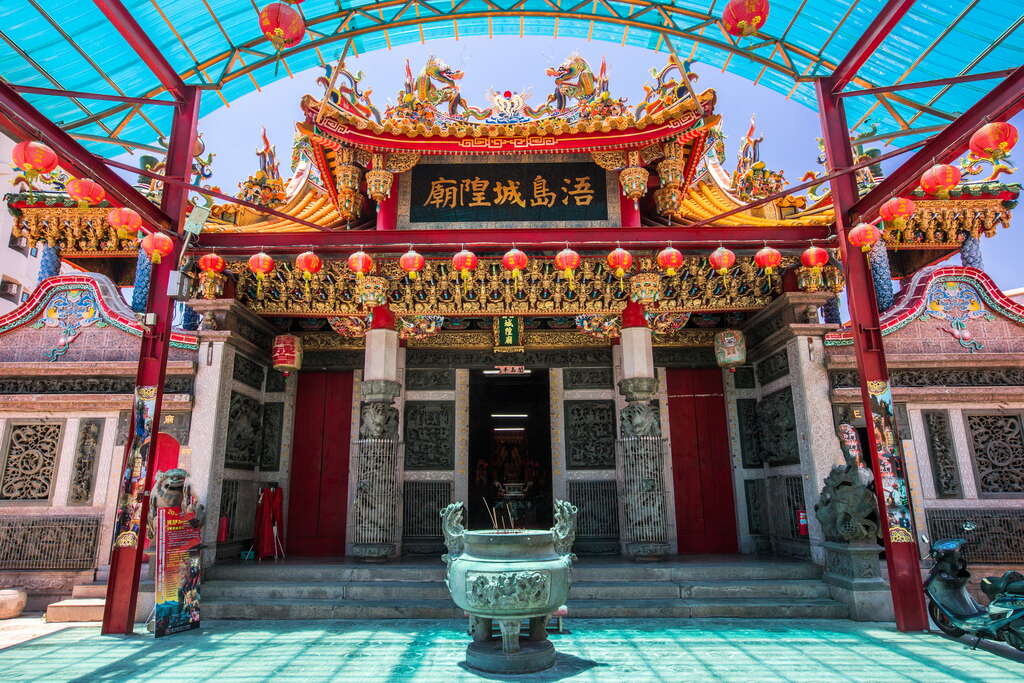
The main procession on the twelfth day of the fourth lunar month commemorates the City God’s relocation to Houpu. When the military headquarters moved here in 1680, a branch of the older temple’s worship followed. The movement of an administrative centre and the installation of a guardian deity met in the same town. The celebration carries that history of a shifting settlement centre.
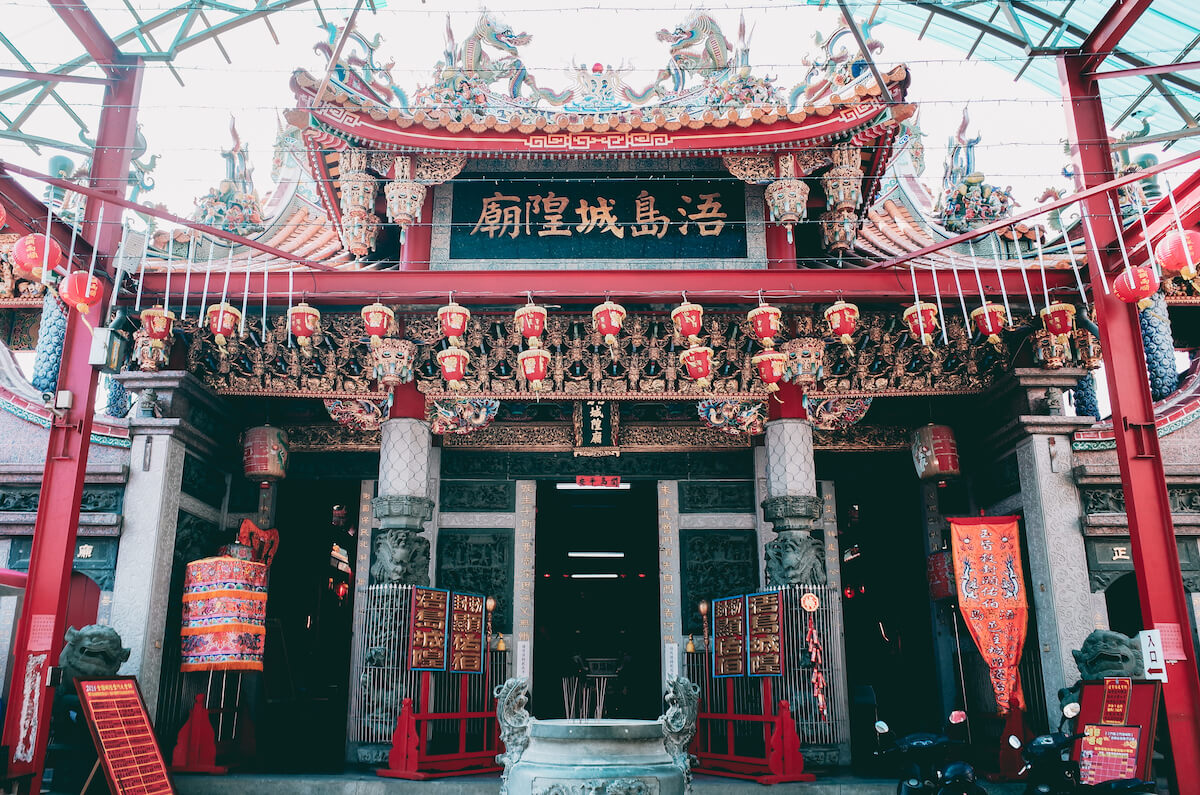
Residents participate through Houpu’s four neighbourhood divisions, preparing flags, palanquins, decorated platforms and performance groups. Clothing and objects identify the units moving along the street. People ordinarily dispersed among houses, shops and temples appear together under a shared name; locality becomes a group willing to work together, not simply an address.
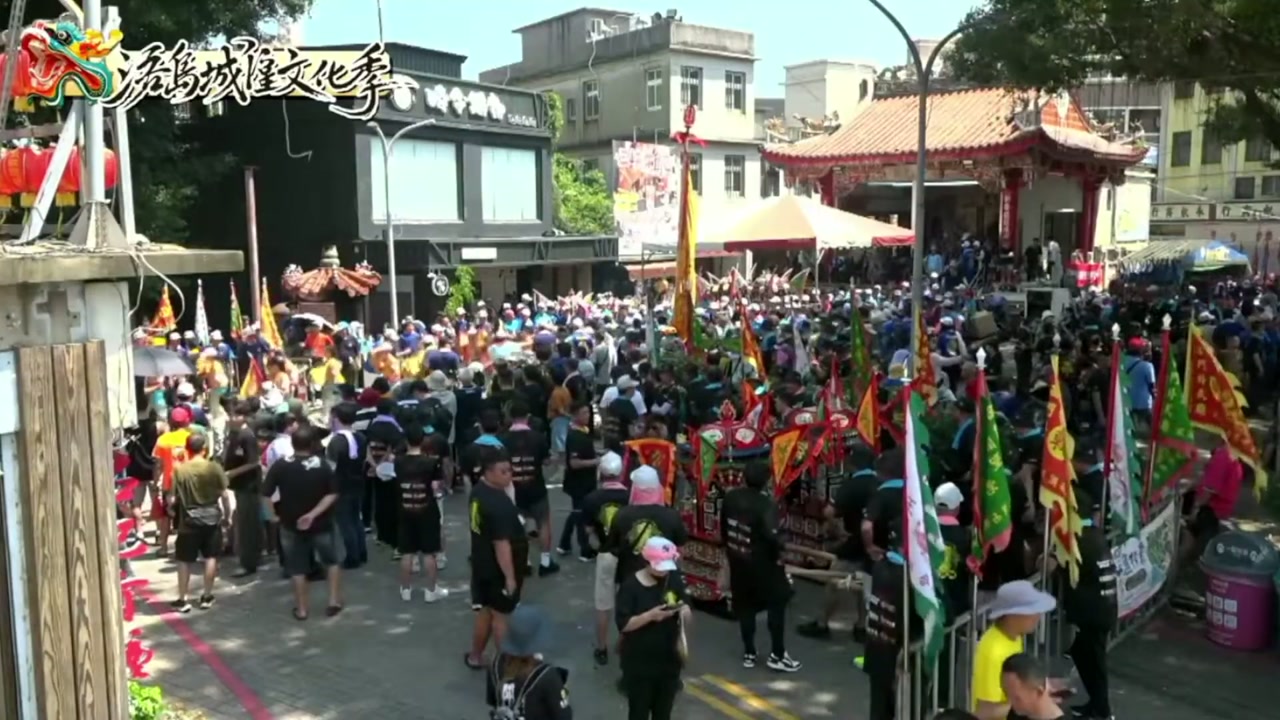
The heritage record documents an important change in the West Gate neighbourhood’s centipede platform: it had used wheels for a period, then returned to shoulder carrying in 2009. What spectators recognise as tradition was also a decision about how the procession should move. Carrying restored a direct need for coordinated human effort; it did not make the earlier wheeled version cease to be part of the event’s history.
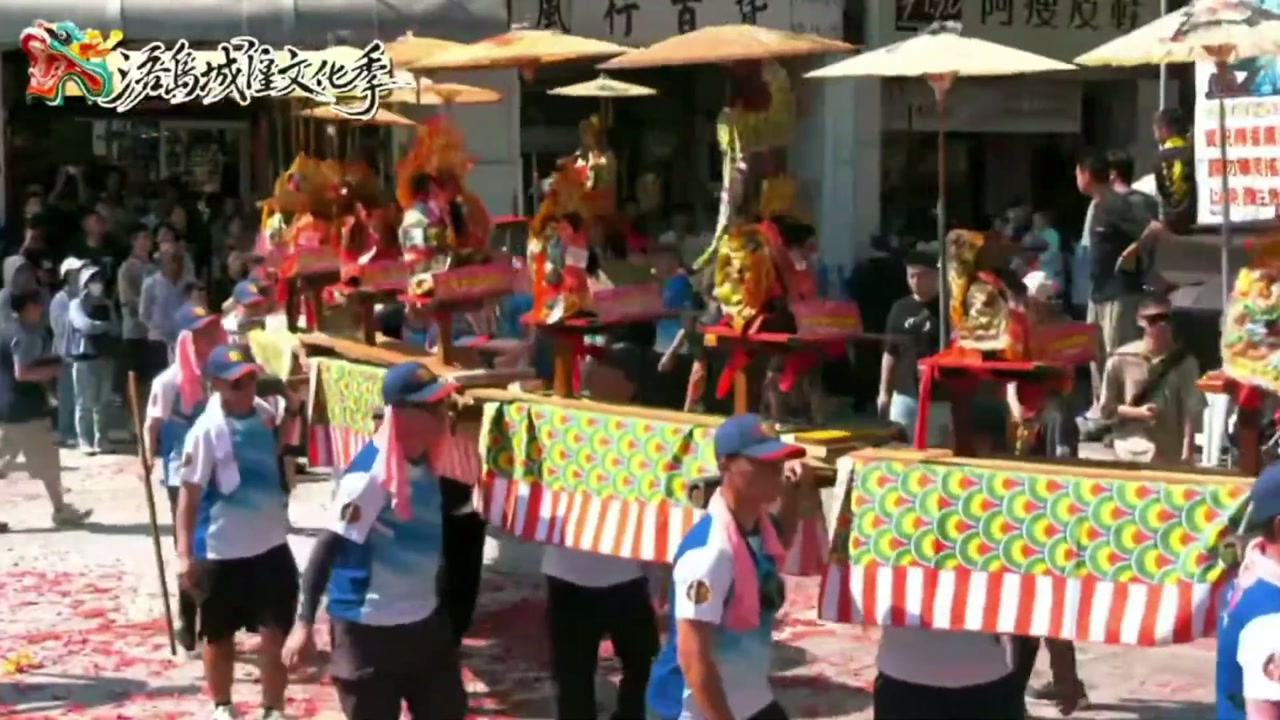
The weight beneath the decoration
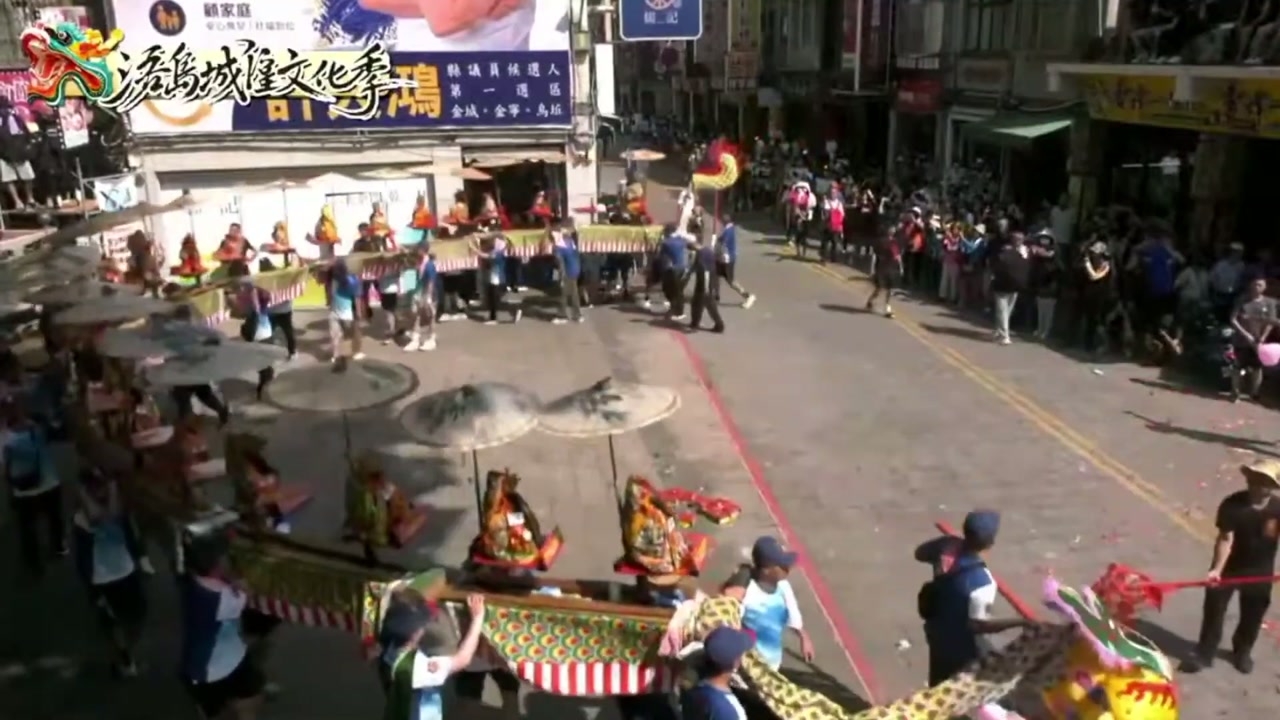
Kinmen’s centipede platform is led by a dragon head, with children dressed as historical characters seated along its linked sections. Above are costumes and colour; below are bearers coordinating shoulders and steps. When the front turns into a narrow street, the rear is still elsewhere. Rhythm connects bodies separated along the length of the structure.
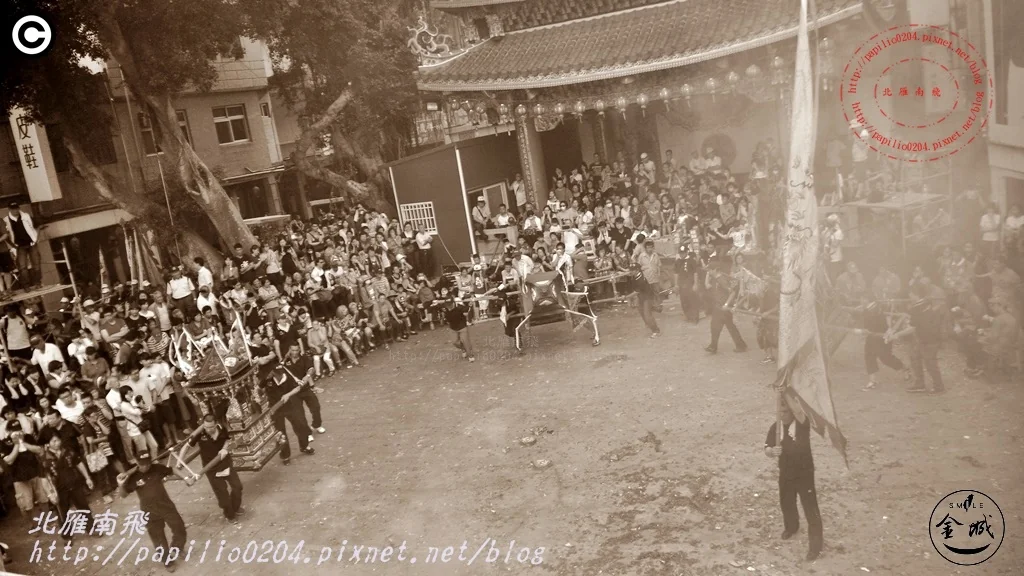
Photographs of the 2015 western-neighbourhood procession record flags, performances and palanquins entering in sequence while residents surround the temple forecourt. They show waiting and movement as well as sacred images. In 2026 a separate parent-and-child centipede-platform event on 23 May brought families into the carrying work; it had its own place alongside the main procession on 28 May.
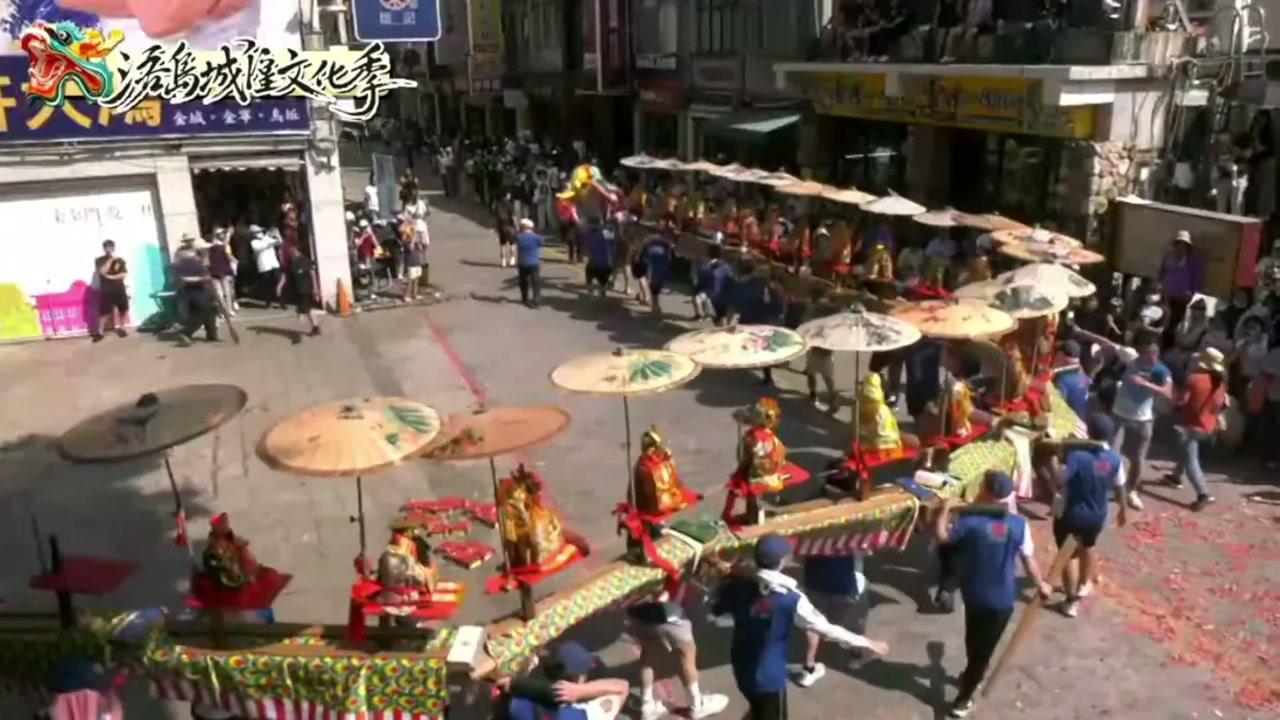
That record describes a common configuration of sixteen connected boards, each seating two costumed children, with a total length around thirty metres. These figures describe a recorded form, not the guaranteed size of every new procession. The dragon-shaped head and tail are made by professional paper-craft makers, according to a 2011 local report. Before the carriers assemble, different specialists have already prepared the parts that turn separate seats into one recognisable creature.
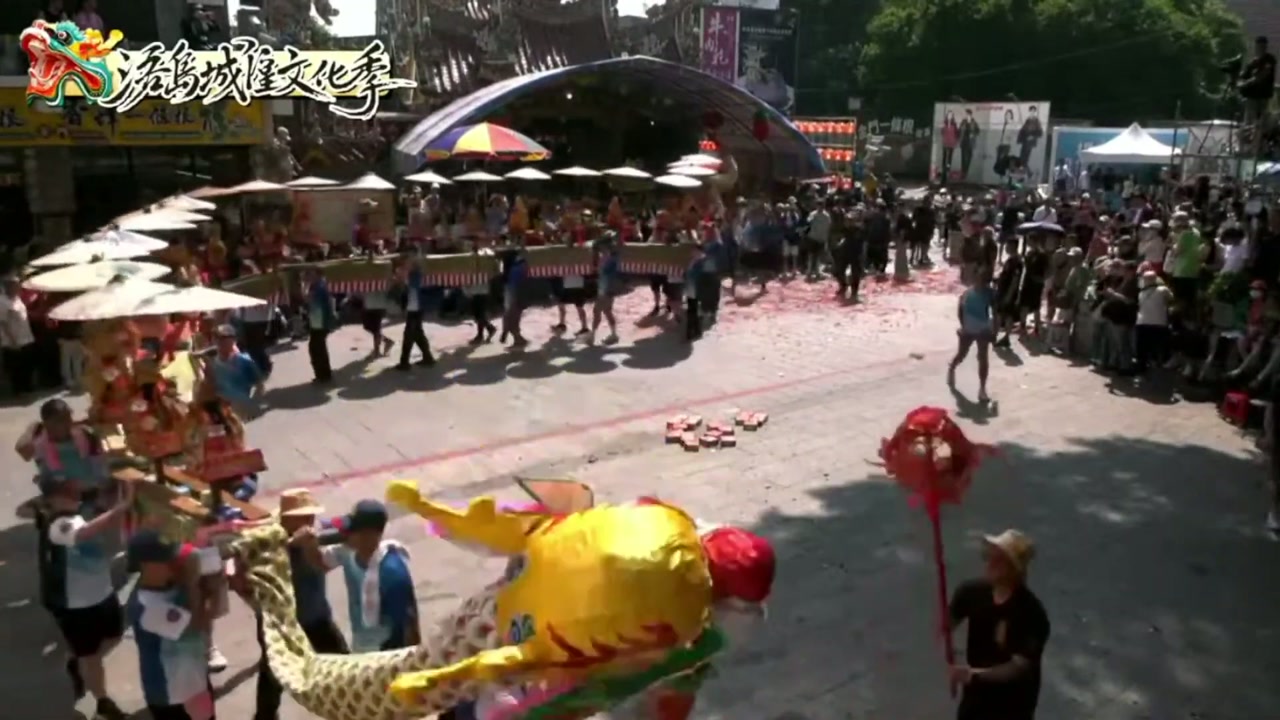
A person with the dragon pearl guides the front while carriers adjust to the head’s direction. Watching that exchange explains why a clear corner and an unobstructed route matter. Family-oriented cultural-season sessions are separately organised experiences; the heritage description is not an invitation to put a child on a ritual platform or join its carrying team without the hosts’ agreement.
An invitation is part of the procession
Temple administrator Chen Tai-ming’s 2013 interview begins the work before the famous twelfth day. On lunar April 1, a public board announced the festival and representatives of groups serving its generals and judges registered their participation. The neighbourhood temple taking the annual lead sent invitations to other temples’ deities. The procession’s many parts first had to be brought into a shared set of commitments.
In that account, evening welcoming processions ran from the ninth to the eleventh, and visiting deities were formally sent home on the fourteenth, after the main procession. These are recorded ritual stages, not a current-year timetable. They change how the event can be understood: the busiest street day is its centre, while receiving guests and completing their departure make the surrounding days necessary work.
Objects keep speaking after the procession
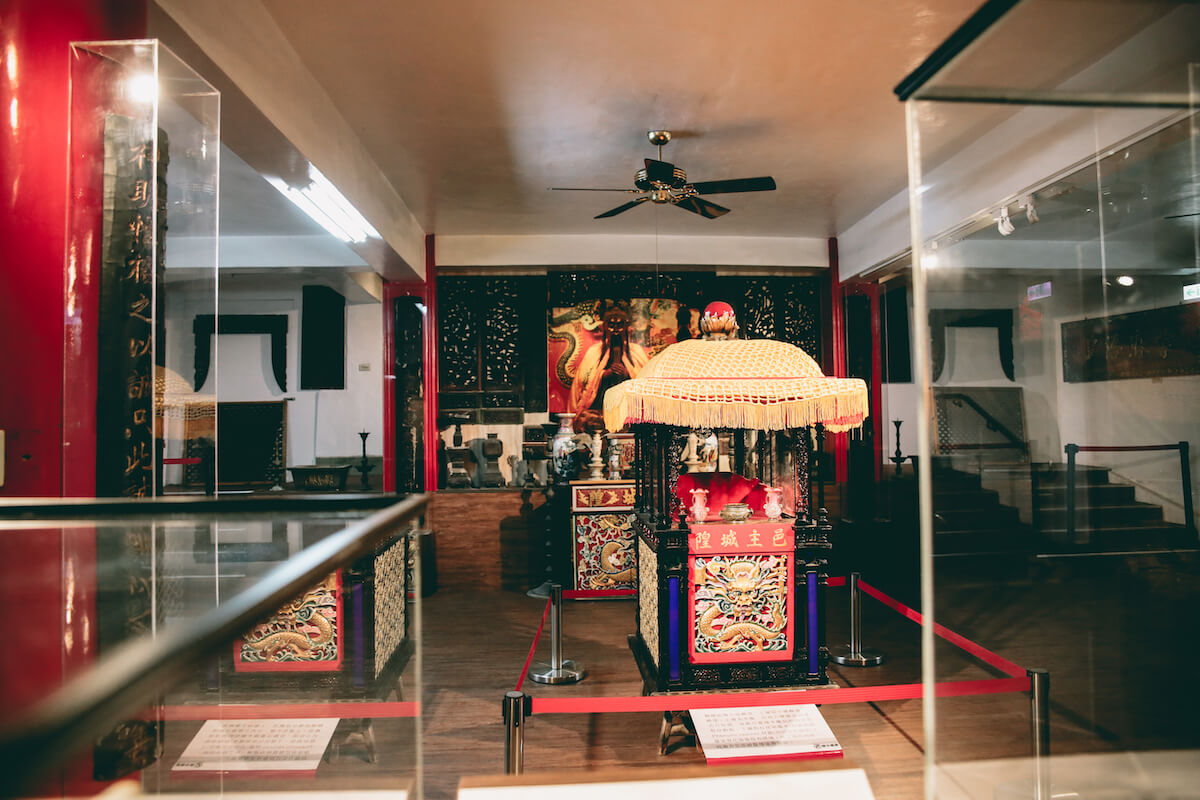
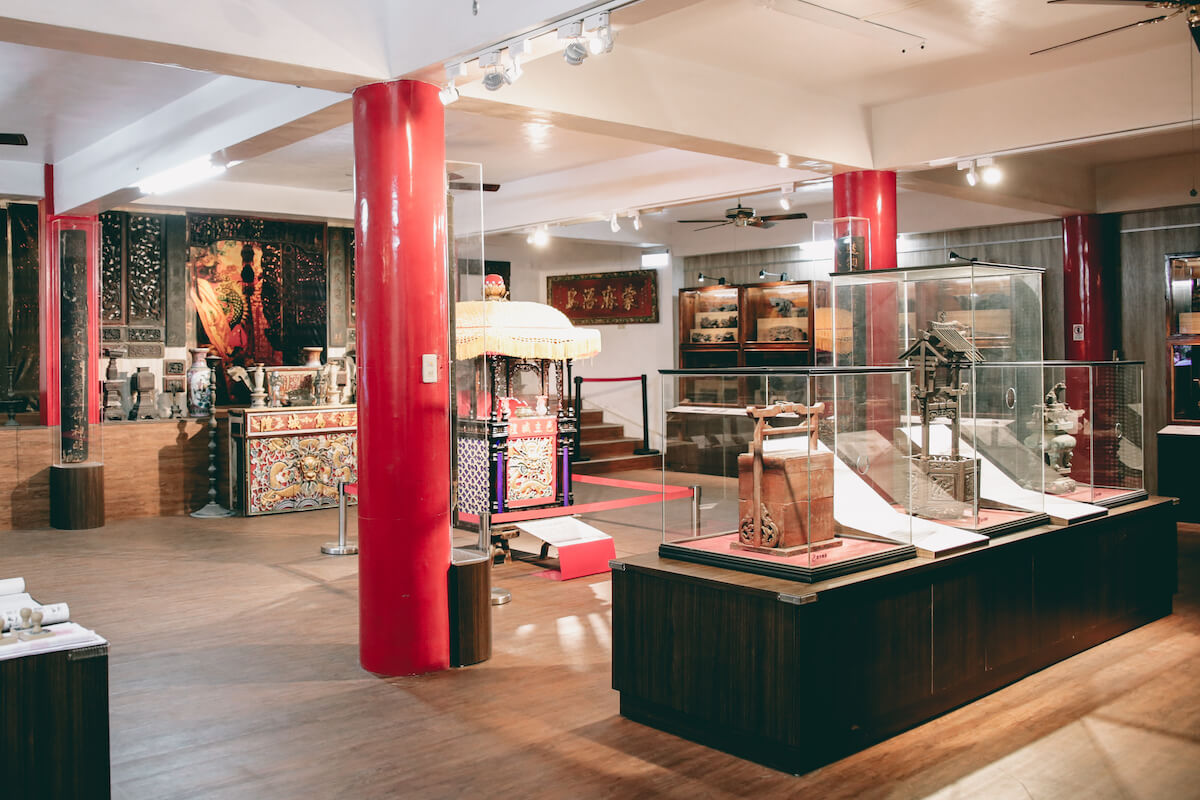
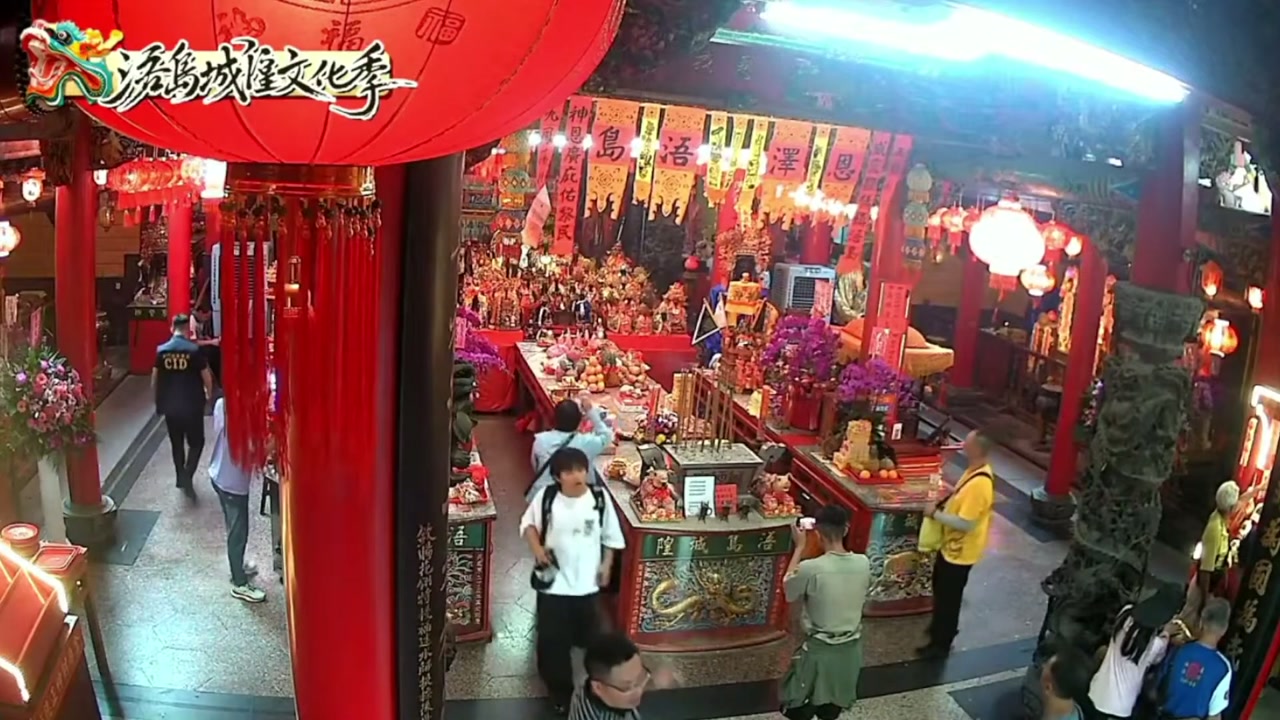
The collection gallery beneath Wudao City God Temple offers another approach. Without having to keep pace with a moving procession, visitors can use a guided visit to understand ceremonial objects and local transmission, then return above ground to the temple entrance, lanes and shops. The gallery pauses a moving celebration so that people visiting on ordinary days can approach its memory and organisation.
The 2026 season placed guided walks, street performances, drawing and blessing activities across May, while the temple organised the main rites. Visitors gained several points of entry without replacing the community’s ritual rhythm. Waiting at a corner and later returning to see equipment put away can reveal the everyday work supporting the crowded celebration.
Look closer
Watch how bearers change their spacing and stride as the centipede platform turns.
Distinguish neighbourhood flags and objects while leaving turning and palanquin routes clear.
Visiting information
The published gallery hours below come from a 2021 introduction. Confirm current opening and tours with the temple before departure.
- Dates
- Main procession annually on lunar 4/12: 28 May in 2026. Cultural season: 1–28 May; family centipede-platform event: 23 May. The 2026 edition has ended.
- Starting point
- Wudao City God Temple, 40 Guangqian Road, Jincheng, Kinmen; continue on foot through Houpu.
- Visits outside the festival
- The collection gallery opens Saturdays and Sundays 10:00–12:00 and 13:00–17:00. Free tours at 10:30, 11:30, 13:30, 14:30, 15:30 and 16:30.
- Arrival and return
- Take a bus to Jincheng Bus Station and walk to Guangqian Road; return through Houpu afterward. Procession-day stops and routes change, so select your route back to accommodation in the Kinmen bus system.
Sources & historical context
The 2026 edition has ended. Confirm the next programme, procession day, watching section and return transport with the organisers. The cultural season does not mean a procession occurs every day.