
Cultural story
Kenting’s Wind Chime Festival: giving the peninsula’s wind a sound
A winter exhibition brought handmade chimes, Hengchun songs and seasonal winds together. The coast still reveals the forces that inspired it.
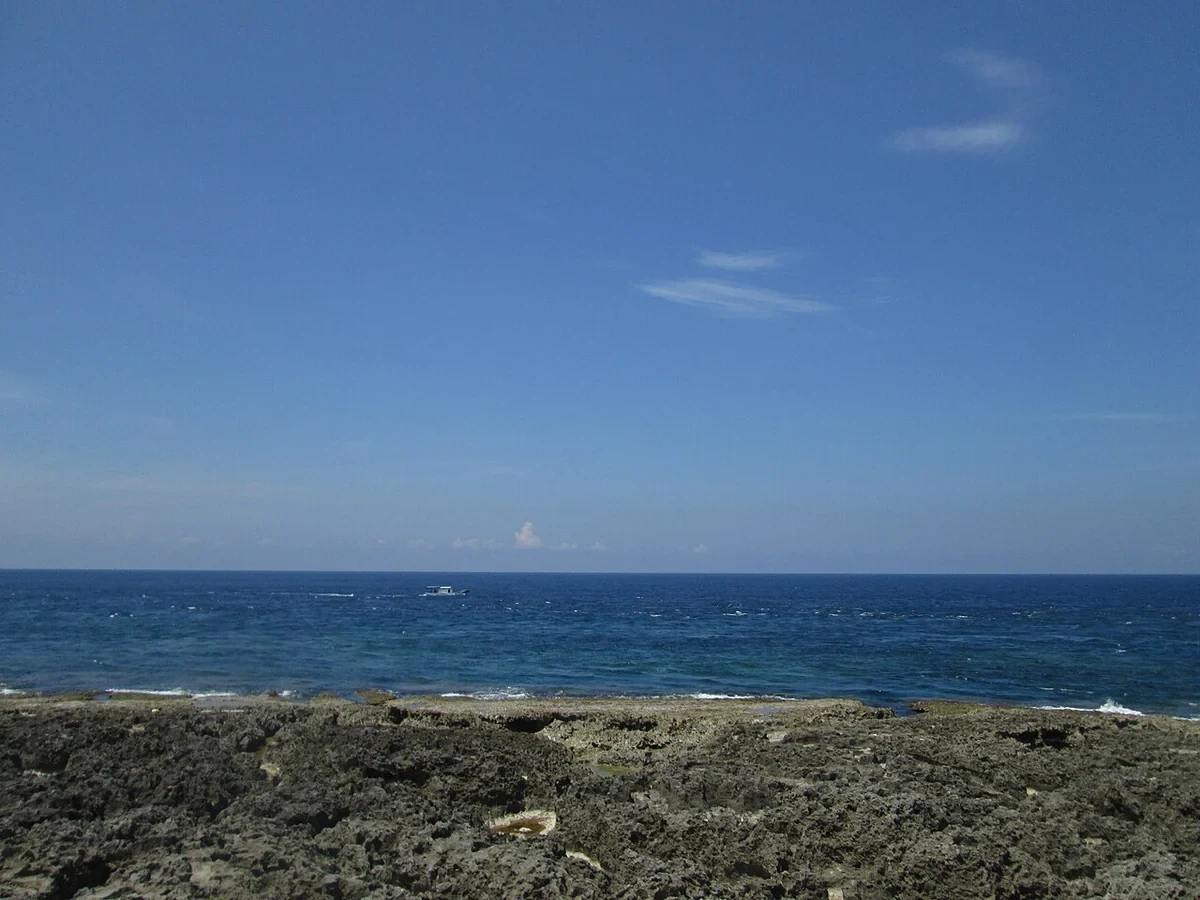
A winter event inaugurated in 2002, presented here as cultural history.
Ceramic chimes and Hengchun songs connect with the peninsula’s seasonal winds.
Present-day extensions: Eluanbi Park and Fongchueisha.
A sound for the winter season
Kenting’s Wind Chime Festival opened on 3 February 2002. The second edition, inaugurated the following January, paired chimes with migratory birds. A peninsula usually associated with summer sea and sunshine could tell a winter story through sound, movement and craft. Hanging objects made an invisible force audible.
Chimes from different places, decorated vehicles and an art market appeared alongside Hengchun folk music. The 2003 opening included a variation on the folk song Siang-ki and locally made ceramic chimes, including wax-apple shapes. Clay, agricultural imagery and melody offered different ways of placing Pingtung inside an exhibition.
The opening also gave the wind an intentionally human counterpart. The Presidential Office's 4 January 2003 record describes ringing a blessing bell and signing a wish card. Unlike a chime sounded by wind, these acts required a participant to start them. The season joined an environmental sound with a chosen gesture of blessing; neither the card station nor that bell-ringing occasion should be assumed to remain in today's park.
The hands behind the exhibition
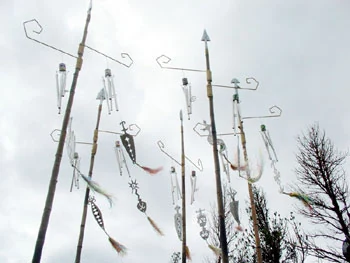
In January 2005, themed pavilions included A World of Chime Imagination, Ding-dong Wonderland and the Love Chime Workshop. Handmade chimes and painted tables filled neighbouring displays. Beyond the larger programme, the exhibition took shape through the work of assembling spaces, arranging materials and making small objects.
A handmade chime can be read through its body, suspension and connections. Material and shape influence how it responds to wind and how its parts meet. Walking between hanging pieces, the visitor enters an exhibition that also waits for the weather. The same object can move and sound differently from one moment to the next.
The event gave winter visitors a reason to stay, but makers and audiences remembered it differently. One side worked toward completed objects and functioning installations; the other encountered a walk accompanied by sea wind. Together, those perspectives describe the life of a temporary exhibition.
The same speech reported that an unnamed Hengchun pottery workshop was hand-producing ceramic chimes and was still making additional wax-apple-shaped commemorative pieces to meet demand. This records a production response at that moment, not a named workshop visitors can locate or a lasting industry outcome. Behind the display were repeated making and delivery obligations. The surviving record is precise about that extra work but leaves the maker's identity and later continuation unresolved.
After the exhibition, wind keeps shaping the coast
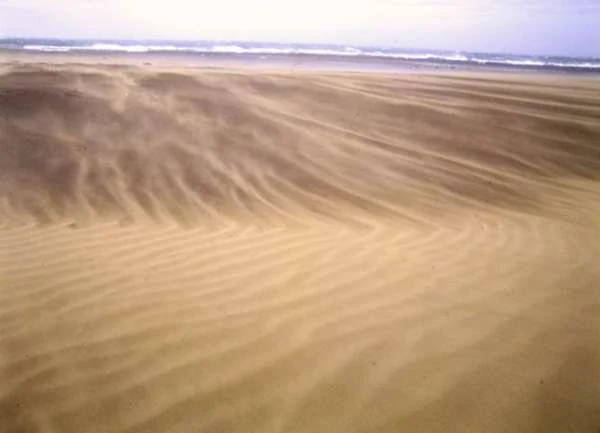
Pingtung’s cultural chronology records that the festival stopped because of funding difficulties. A present-day journey can instead follow the peninsula’s landscape and the natural conditions the exhibition drew upon. Its historical dates belong to that earlier event.
Fongchueisha lies between Eluanbi and Jialeshui. Summer runoff carries sand toward the sea, while winter northeasterlies move it back up the slope. Roads and vegetation have also altered its movement. Wind here is not simply atmosphere: it is an agent that keeps changing the surface of the land.
On Eluanbi’s coastal paths, the ceramic chimes suggest a connection between two scales. Hands once made small objects that translated wind into sound; the same seasonal force works on the coast over much longer periods. The exhibition’s lasting contribution is a way of sensing the place anew.
Look closer
In the 2005 exhibition photograph, read the chime’s body, suspension and contact points.
On the coast, notice wind direction, tree forms and traces of sand movement.
Visiting information
- Where to go now
- Eluanbi Park: 301 Dengta Road, Hengchun. Fongchueisha is on the east coast between Eluanbi and Jialeshui.
- Opening hours
- Eluanbi Park: 07:00–17:30 in January–March and October–December; 06:30–18:30 in April–September. Visit coastal extensions in daylight.
- Getting there and back
- Take route 9188 from Zili Station in Kaohsiung to Eluanbi, then walk into the park. Return on a service towards Zili Station. For Fongchueisha, book a return vehicle from Hengchun or Kenting with the coastal stop included.
- Visit format
- Use park paths and coastal viewpoints to explore seasonal winds. The former chime festival is not a permanent exhibition.