
Cultural story
Three days by the sea, with time to learn a song
At Zhangyuan, returning family members camp, fish and sing together. The sea ceremony connects people living on the coast with those whose working lives now take them elsewhere.
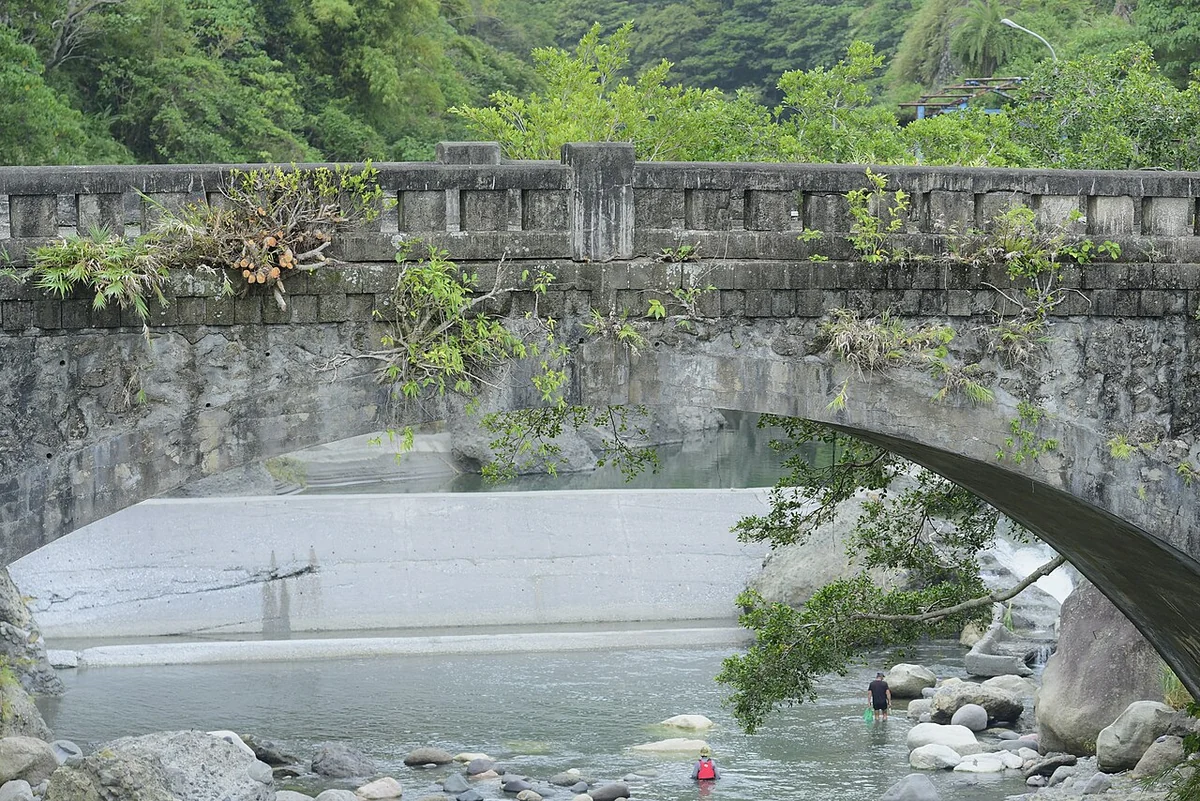
Zhangyuan’s 2024 gathering created three days and two nights of shared learning.
Prayers encompass fishing and the lives of people working away.
Different Kavalan settlements follow different coastal calendars.
A returning voice joins the singing
In July 2024, Raqit, also named Pan Chen-wei, returned to Zhangyuan for the sea ceremony, something she said she did almost every year. Youth mentor Chen Wen-long used the gathering to teach songs. He worried about a generation losing both fluency in the language and the ability to sing what earlier generations had carried.
The programme extended over three days and two nights, with camping, fishing and learning. Traditional leader Teng Tien-lu explained that the prayers reached beyond a good catch. They also concerned the safety and livelihoods of relatives working elsewhere. The coast became a meeting place for people whose ordinary days unfolded in different places.
The shore has its own preparation work
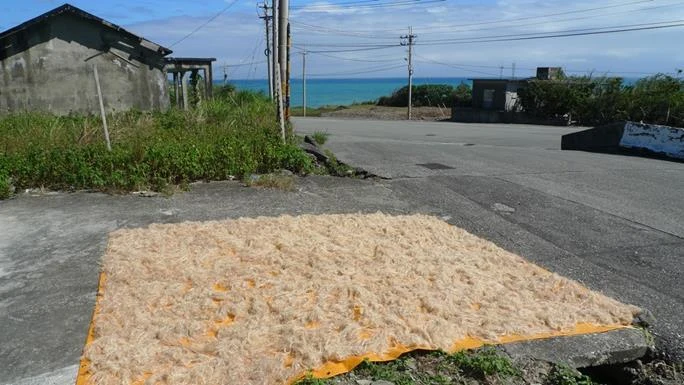
In Zhangyuan, preparations begin beside the fishing harbour. A simple shelter was built before the gathering; fish caught in the early morning became offerings and food. These arrangements linked knowledge of the shore with the practical work of feeding people who would spend the day together.
Zhangyuan is a place of several communities and migration histories. Kavalan families moved south from Xinshe, joining an area where Amis people already lived; later Han residents added other histories to the settlement. The river mouth and nearby sea helped sustain livelihoods, while the sea ceremony remained part of the Kavalan community’s own organisation.
At Xinshe, another form of knowledge returned to collective teaching. From 1996, Chu A-pi, Pan Wu-chi and Pan A-yu taught banana-fibre weaving to women in the community. Fibres had to be extracted, dried and joined before reaching the loom. The workshop established in 2005 gave this labour an organised place, connecting older makers with learners through repeated practical work.
Not every layer of a banana stem becomes good thread. In a 2005 explanation recorded at Xinshe, elder Chu A-chu said the inner layers were paler and more tender, making them liable to break during weaving and generally unsuitable. Scraped fibres were partly sun-dried and then moved to shade before being split and joined. Selection starts well before a pattern appears.
One coastline, several calendars
Xinshe commonly holds its sea ceremony around March or April, ahead of the flying-fish season. Zhangyuan and Dafengfeng often gather around July, while Lide’s observance comes before its August harvest gathering. Boats, fishing gear, food and people have to be readied locally; a single date cannot describe all those preparations.
Outside ceremonial time, Xinshe’s Lalaban Banana Fibre Workshop offers a public encounter with another form of Kavalan knowledge. Makers turn banana fibre into thread and woven objects, explaining the labour behind the material. A booked workshop creates time for questions and exchange, while the sea ceremony belongs to its hosts and their arrangements.
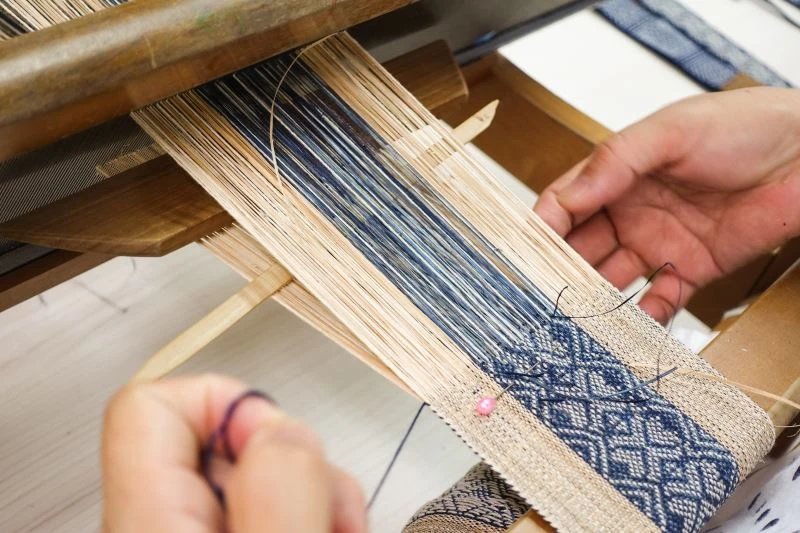
Warping sets the intended cloth length on a frame; weft is wound onto a shuttle. During weaving, the seated maker braces the warp beam with her feet and secures the loom with a waist strap. Feet, back and hands all contribute to holding the structure. On a booked workshop visit, asking which stage is being demonstrated is more revealing than assuming a short activity reproduces the complete process.
Look closer
In the account of Zhangyuan’s 2024 gathering, connect the song with its teacher and the circumstances of returning home.
In that account, notice how food preparation connected the shore with the shared gathering.
Visiting information
- Public workshop
- Lalaban Banana Fibre Workshop, No. 42, Xiaohu, Neighborhood 2, Xinshe Village, Fengbin Township, Hualien County.
- Arrange a visit
- The workshop requires reservations. Call 03-8711361 to ask whether fibre-scraping or craft activities are available, and confirm the visit time and content.
- Travel and return
- Arrange a car from Hualien railway station along the east coast to Xinshe; agree on the return pickup before the workshop.