
Cultural story · Food and local life
Jiaxian Taro and Bamboo Shoot Festival: the work behind a street of sweets
Taro moved from a crop to ice, pastries and a town’s invitation to return. The festival brings those everyday trades into the street.
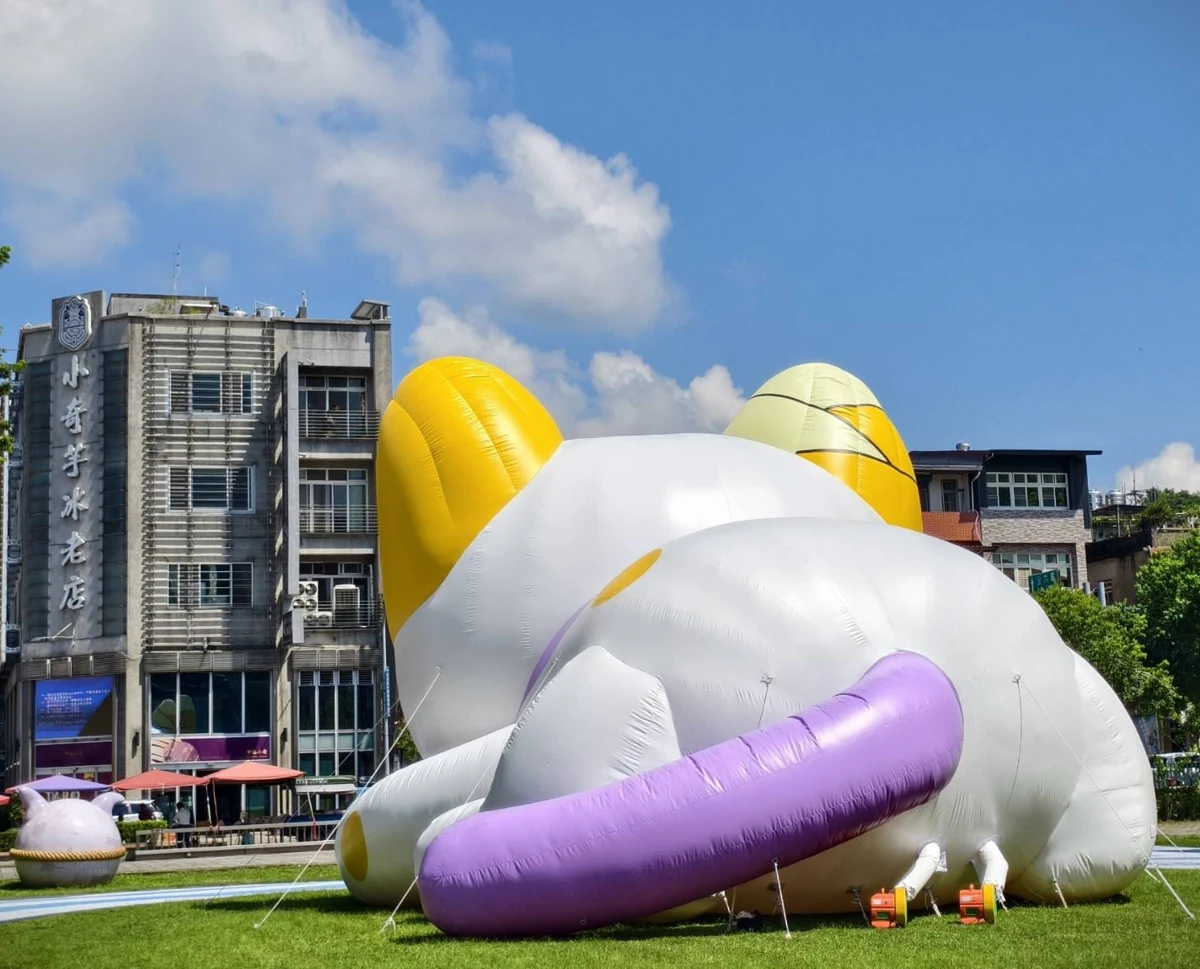
The festival usually falls around the early-autumn harvest.
Culture Road connects taro shops with the bridge and town centre.
The main event and temporary installations can have different dates.
Before the shopfronts
Jiaxian’s taro history reaches back to people working in camphor production. Local research records that Qiu Kun-hua brought taro planting material from Tongluo to help feed workers when roads were unreliable. After the camphor trade declined, cultivation offered another livelihood. A crop connected to one industry gradually helped support a different one.
Growing more also meant finding more buyers. The farmers’ association took taro north for chefs to prepare, while shops later developed ice and pastries. Processing changed the form in which visitors encountered the crop: something harvested in a field could be eaten by the roadside or carried home in a box.
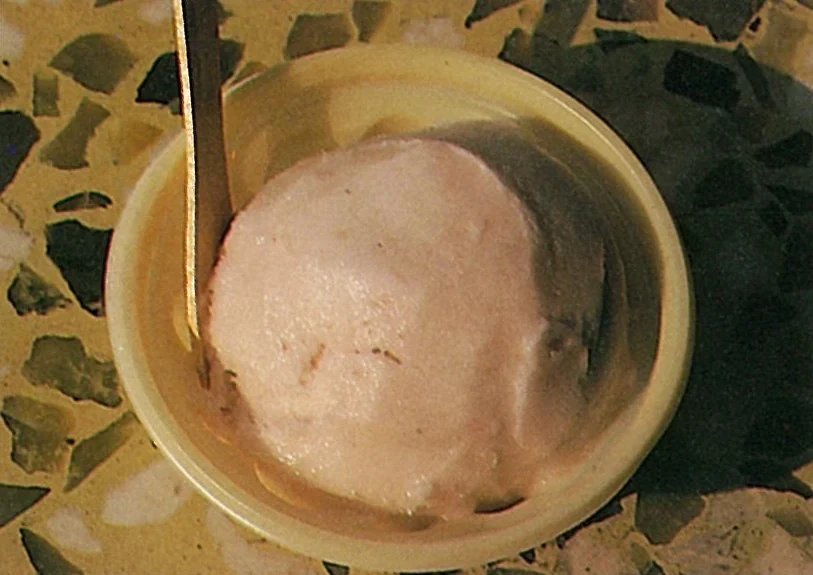
In a 2016 interview, Xiao Qi’s Mr Liu dated his parents’ ice parlour to 1974. It first sold black tea, papaya milk and fruit plates; passing traffic on the newly opened Southern Cross-Island Highway then helped local taro find customers. The family chose locally grown betel-nut-heart taro for ice. The change was a business decision about how travellers could taste a crop, rather than the sudden appearance of a town already full of taro-specialist shops.
The village makes the festival
A 2019 local account describes residents from Guanshan, Baolong, Jiaxian and Datian working together on taro cakes for the festival. The same record discusses processing bamboo shoots through cutting, soaking and blanching. These foods bring different kinds of labour into the market: growing, preparing and coordinating enough portions for visitors.
By 2025, the local Digital Opportunity Center was presenting residents’ tablet-drawn postcards, laser-cut objects and short films at the festival. Jiaxian Elementary School principal Chen Yao-ru connected this learning with local needs. New tools joined older trades: the town could be represented through a recipe, a drawn street or a film made by the people who lived there.
The ice has its own sequence of work. A 2017 local account follows steaming the taro, mixing it with sugar, grinding it into paste and repeatedly turning the mixture as it freezes. A bakery uses the crop differently: Mr Liu described wrapping taro filling and egg yolk in laminated pastry. His interview emphasised that the filling’s colour varied between batches. A naturally modest colour was accepted in order to keep the taro central to that particular product.
From the event square into the street
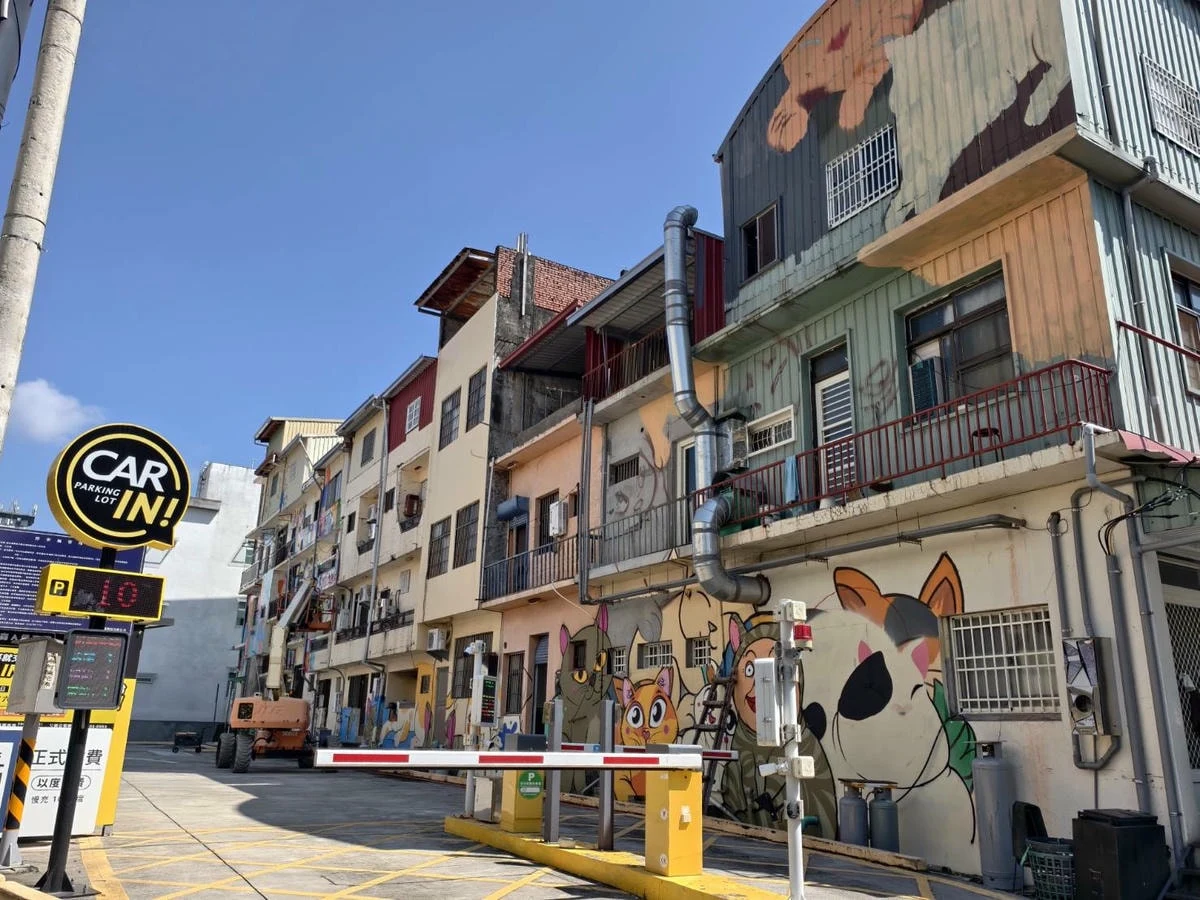
The 2026 main event took place on 19 September beside Jiaxian Bridge. Cat characters appeared around the school, post office and other street locations; the installations stayed until 4 October. One date belonged to performances and stalls, while a longer period allowed visitors to encounter the temporary street display. Both have now ended.
A 2025 bus traveller began with the painted buildings near the station and continued towards the bridge and shops. That order remains a useful way to read the town without treating last year’s installations as permanent. Start with an ice or a pastry, then notice the working shopfronts and the routes connecting them. The festival becomes an invitation into everyday Jiaxian, rather than the only reason to visit.
After Typhoon Morakot, the same family decided not to depend only on customers coming into town. Liu recalled launching the Qiyu Dadi brand in 2011 and redesigning packaging to reach retailers elsewhere. This is a documented response to disrupted visitor traffic, not proof that every outlet named in the 2016 interview still sells the range today. At a present-day counter, asking where a product is made and which forms travel well connects a purchase to that longer history of adaptation.
Look closer
Compare how taro is used in cold desserts, cakes and savoury preparations.
Read shopfronts and painted streets together with the town’s ordinary traffic and trade.
Visiting information
- Usual season
- Usually around September, during the early-autumn taro and bamboo-shoot harvest.
- Most recent event
- 19 September 2026, 09:00–17:00, at the covered plaza beside the Earth God temple by Jiaxian Bridge. Installations continued until 4 October; both have ended.
- Everyday visit
- Walk Culture Road’s taro shops and the streets near Jiaxian bus station. Shops keep their own opening hours.
- Arrival and return
- Take Kaohsiung Bus E32 to Jiaxian station, or connect to E32 at Qishan. Choose the return service before beginning the street walk.