
Mataian: From Wetland to Table
Read the Mataian wetland section through plants, fishing knowledge and the table. Confirm current visits and food programmes with the host before travelling.
90 seconds · English captions in the film; optional English and Traditional Chinese CC.
Film sources and complete bilingual captions
Selected from farm recordings uploaded in 2020 and 2021. Exact filming dates were not independently verified. Different records are edited together, not presented as one event. Confirm current reception with the farm.
00:00:00,000 --> 00:00:05,000
Mataian Wetland
Guangfu, Hualien
馬太鞍濕地
花蓮・光復
00:00:05,000 --> 00:00:10,000
Follow the walkway beside the water.
沿著棧道,走近水岸。
00:00:10,000 --> 00:00:15,000
Begin with the place that feeds the table.
先看滋養餐桌的地方。
00:00:15,000 --> 00:00:20,000
Water, plants and everyday knowledge.
水、植物與日常累積的知識。
00:00:20,000 --> 00:00:25,000
At the hearth, stones take the heat.
爐火裡,石頭慢慢蓄熱。
00:00:25,000 --> 00:00:30,000
The guide introduces
the materials.
由現場帶領者,
介紹使用的材料。
00:00:30,000 --> 00:00:35,000
The guide shows how it is used.
由現場帶領者,示範它的用法。
00:00:35,000 --> 00:00:40,000
The heat moves from fire to water.
熱,從火裡移向水中。
00:00:40,000 --> 00:00:45,000
Watch the hands, the tongs, the vessel.
看手的動作,也看夾具與容器。
00:00:45,000 --> 00:00:50,000
Each stone is handled with care.
每一塊熱石,都需要妥善操作。
00:00:50,000 --> 00:00:55,000
Steam rises as the soup heats.
湯逐漸升溫,蒸汽升起。
00:00:55,000 --> 00:01:00,000
Amis food knowledge becomes visible.
阿美族的飲食知識,在眼前展開。
00:01:00,000 --> 00:01:05,000
The soup keeps steaming
as visitors watch.
訪客在一旁觀看,
湯仍繼續冒著蒸汽。
00:01:05,000 --> 00:01:10,000
Let the people who know it lead.
讓熟悉這門知識的人,帶領觀看。
00:01:10,000 --> 00:01:15,000
From wetland surroundings to a shared meal.
從濕地環境,走向一餐共享。
00:01:15,000 --> 00:01:18,000
A meal to share.
一餐,與人共享。
00:01:18,000 --> 00:01:22,000
Keep the landscape in the story.
也把周圍的環境,留在故事裡。
00:01:22,000 --> 00:01:28,000
A table is another way to meet Taiwan.
一張餐桌,也是認識臺灣的入口。
00:01:28,000 --> 00:01:30,000
Taiwan, Layer by Layer
島嶼年輪
Cultural story
Food is also a relationship: leaves, shared kitchens and the Amis wetland
A leaf can be a wrapper, an ingredient or a record of where people gather food. Following meals from Paiwan kitchens to an Atayal shared kitchen and the Amis wetland reveals different ways of organising land, labour and care.
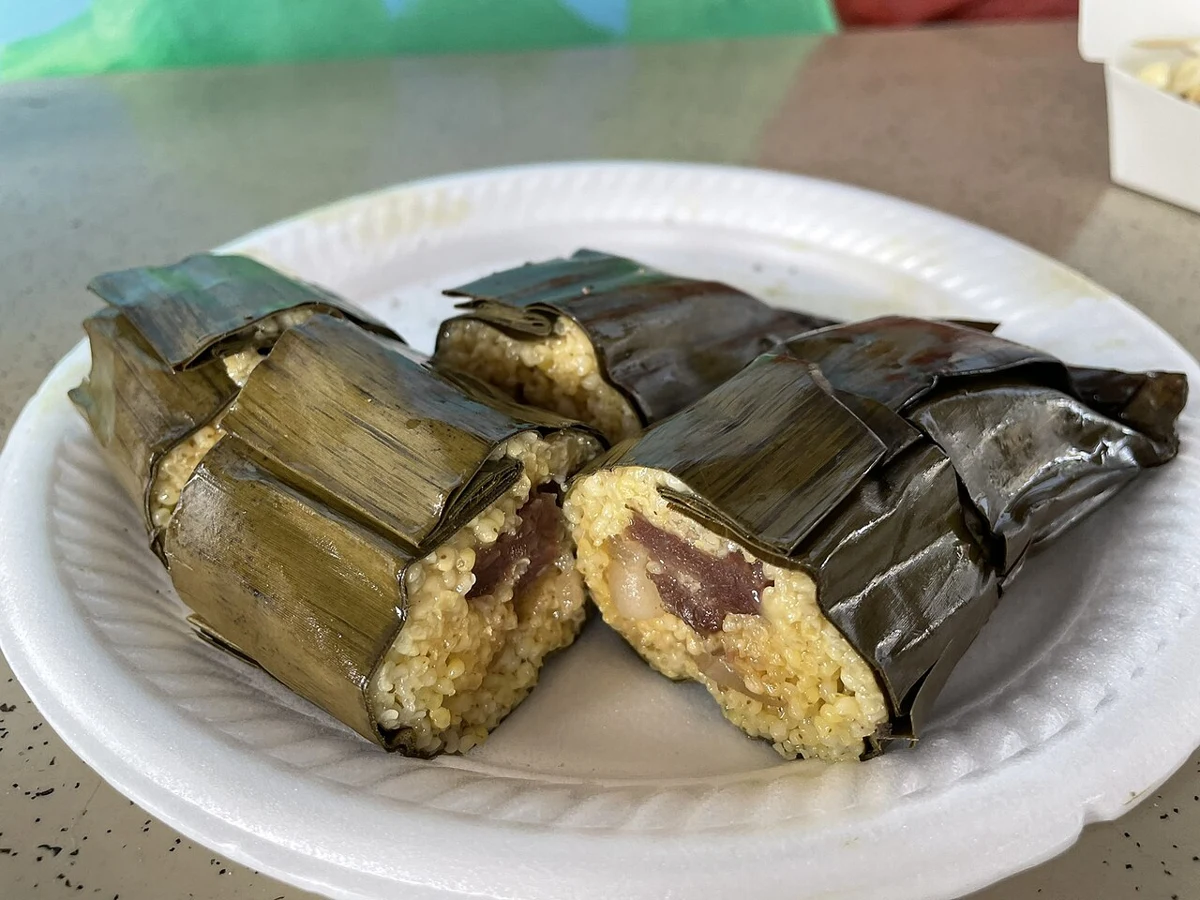
The edible inner leaf and the outer wrapper do different jobs.
Names and ingredients vary by people, community and occasion.
Food can connect agricultural work with sharing and care.
Unwrap a food, without flattening its differences
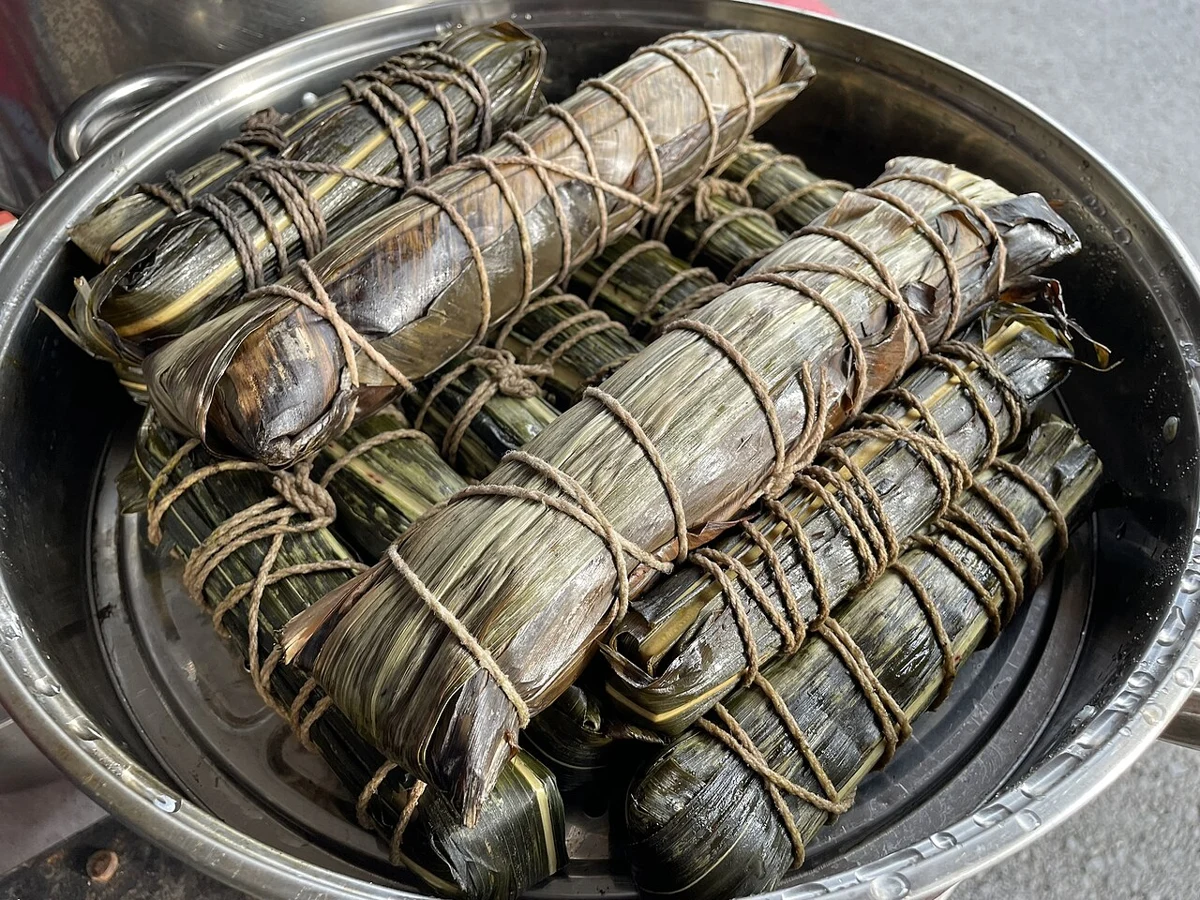
A plate of cinavu from Beiye is easier to understand when the layers are opened. The outer leaf holds the parcel together; an inner leaf can be eaten with the filling. The Taiwan Indigenous Peoples’ Encyclopedia documents different Paiwan names and uses, including preparations with taro paste, millet and meat. A single Chinese label such as “millet dumpling” cannot describe that entire range.
A 2026 interview with Paiwan cook Umadra makes the sequence concrete: millet is washed and soaked, meat is prepared, leaves are gathered and the wrapped parcels are cooked. Umadra also described versions made with taro flour and dried sweet-potato flour. The recipe therefore carries both the work of a particular cook and the crops available to a household, rather than a formula shared unchanged by every community.
A shared kitchen can redistribute more than food
After the 1999 earthquake, the Demawun shared-kitchen initiative in Atayal communities along the Da’an River connected agriculture with collective meals and care. Research by Yang Ling traced how produce, farm labour and income could support those who needed help. The kitchen was not simply a restaurant with local dishes; it was part of an arrangement for sharing resources after a major disruption to community life.
An Amis example has a different setting. At a 2020 ecological-chef gathering in Duli, a team presented food through the form of a sea-festival elders’ feast. Their account connected the catch with age-group responsibilities and respect for elders. Placing these two examples together shows why the social work of a meal matters as much as its ingredients—and why the communities should retain their distinct names and institutions.
The farm’s host should not be made to stand for an entire people. In an agricultural publication, owner Chu Chin-lang, known as A-lang, describes growing up in Fata’an in a Hoklo-Hakka family, learning about wild greens through life with Amis neighbours. He also explains that the restaurant cannot obtain everything by gathering within the wetland: its own production is supplemented by local contracts and purchases. A dish thus involves neighbourhood exchange and a supply system as well as an inherited recipe.
The wetland becomes part of the meal
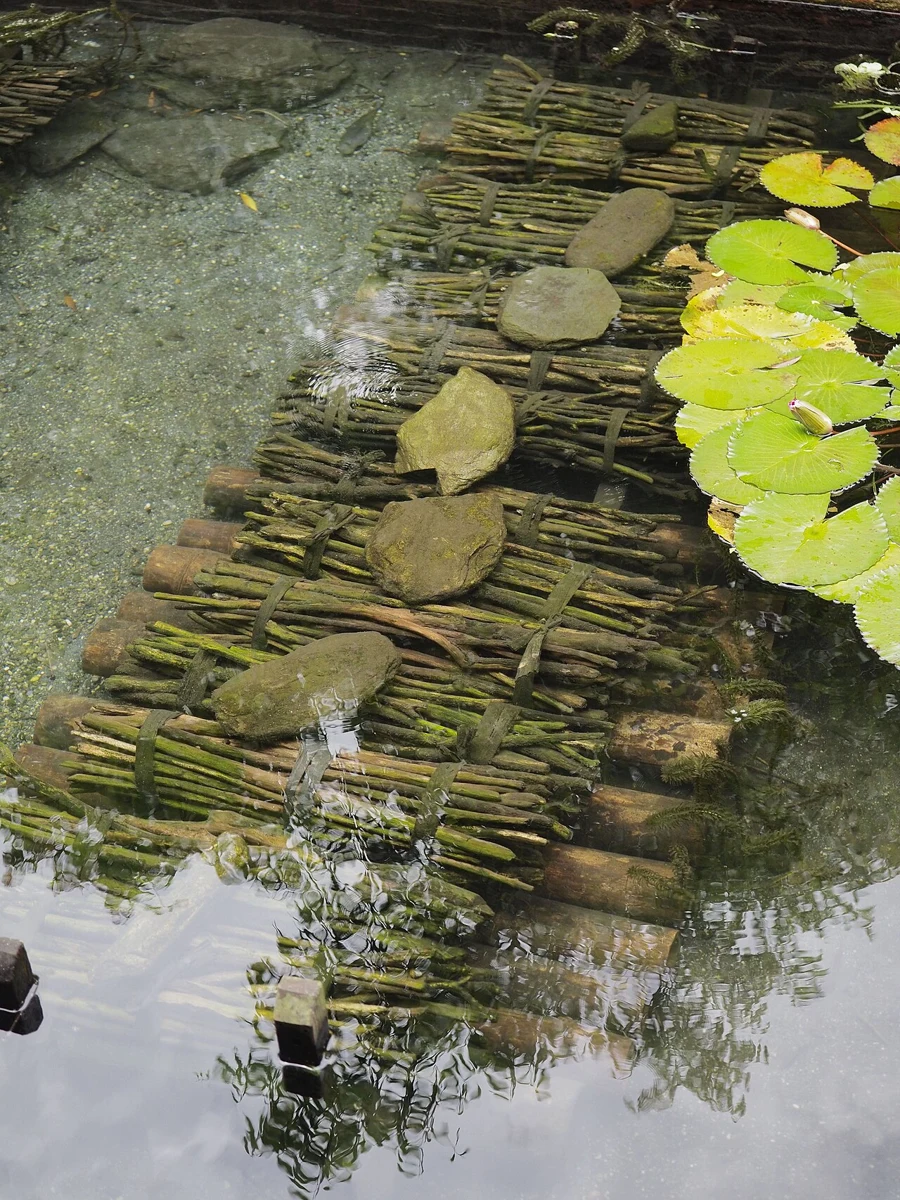
At Fata’an in Guangfu, Amis fishing knowledge is connected with a wetland fed by springs. Palakaw uses an arrangement of plant materials to provide places where fish and other aquatic life can shelter. The system makes the water and its inhabitants part of the explanation: a meal begins with knowledge of habitat, not at the moment a dish arrives on a table.
Shin Liu Farm offers wetland interpretation and food-related activities that bring this relationship into a public visit. Traveller accounts describe leaf-sheath vessels and heated stones used in stone cooking, alongside contemporary restaurant dishes. A guided activity and a restaurant meal are different experiences: booking the one you want allows time to understand the tools and materials instead of only tasting the finished result.
Fata’an’s own 2016 account calls the three-layer structure Lakaw: hollow bamboo below, branches above it and grasses on top. It distinguishes this habitat structure from Palakaw, fishing through its use. Openings connect a small pond with the river; capture and subsequent reassembly are parts of a cycle. The object is therefore more than a trap demonstrated once for visitors—it depends on allowing the aquatic habitat to form again.
The same community account connects fishing with Mali’alac after weddings or funerals, giving the completion of an occasion a family and ritual meaning. This does not turn a booked visitor activity into access to such ceremonies. A wetland meal, a guided demonstration and a family observance remain different settings, even when they involve related food knowledge.
Look closer
In the Beiye cinavu photographs, identify the outer wrapper, edible inner leaf and filling separately.
Follow the connection between a food, its habitat and the people sharing the work.
Visiting information
- Public venue
- Shin Liu Farm at Fata’an Wetland, Daquan Street, Guangfu Township, Hualien County; phone 03-8701861.
- Meet-up location
- Call 03-8701861 to book the activity and receive its meeting point on Daquan Street.
- Book the experience
- Arrange wetland interpretation and stone-cooking activities with the farm; a table reservation alone does not include those activities.
- Travel and return
- Take a taxi from Guangfu railway station and arrange a return pickup after the booked activity.
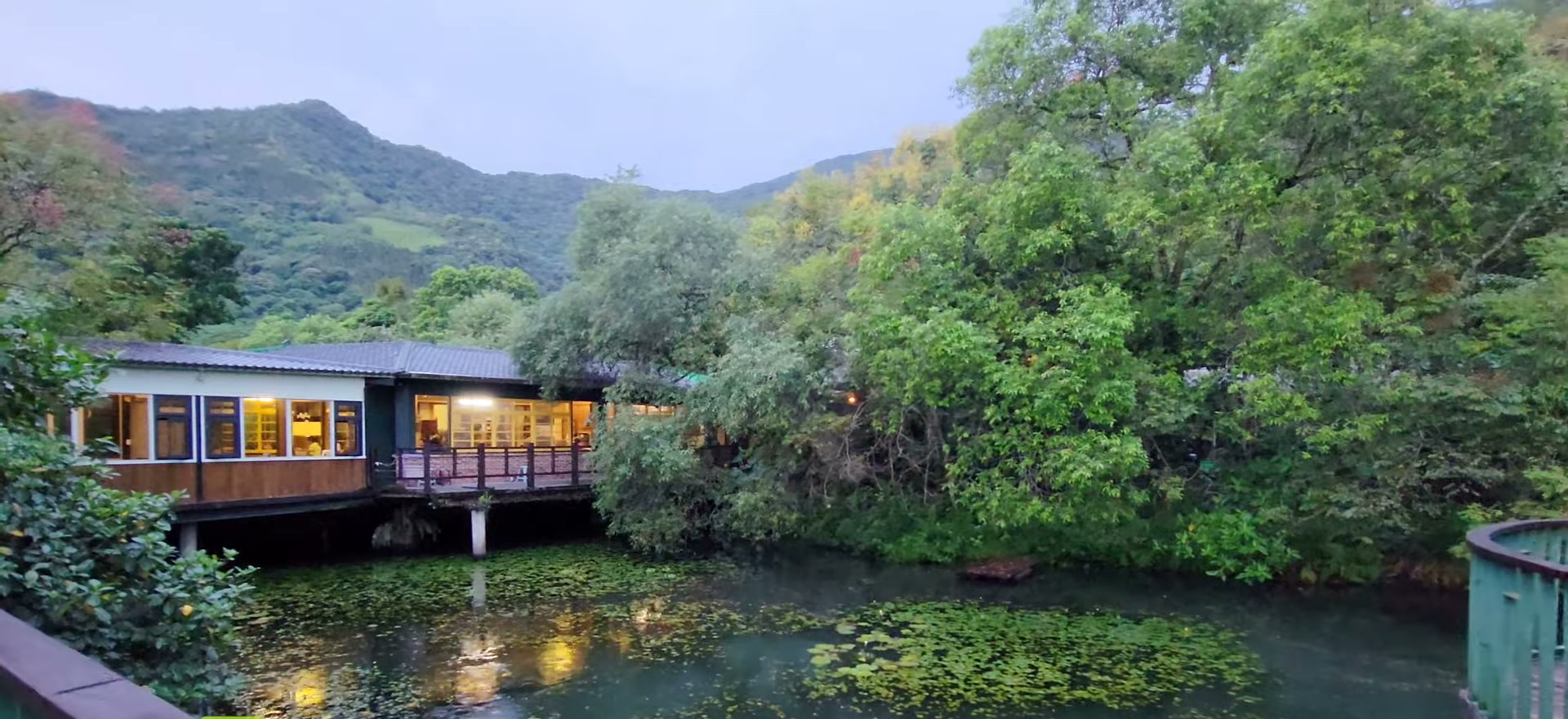
1. Begin at the water
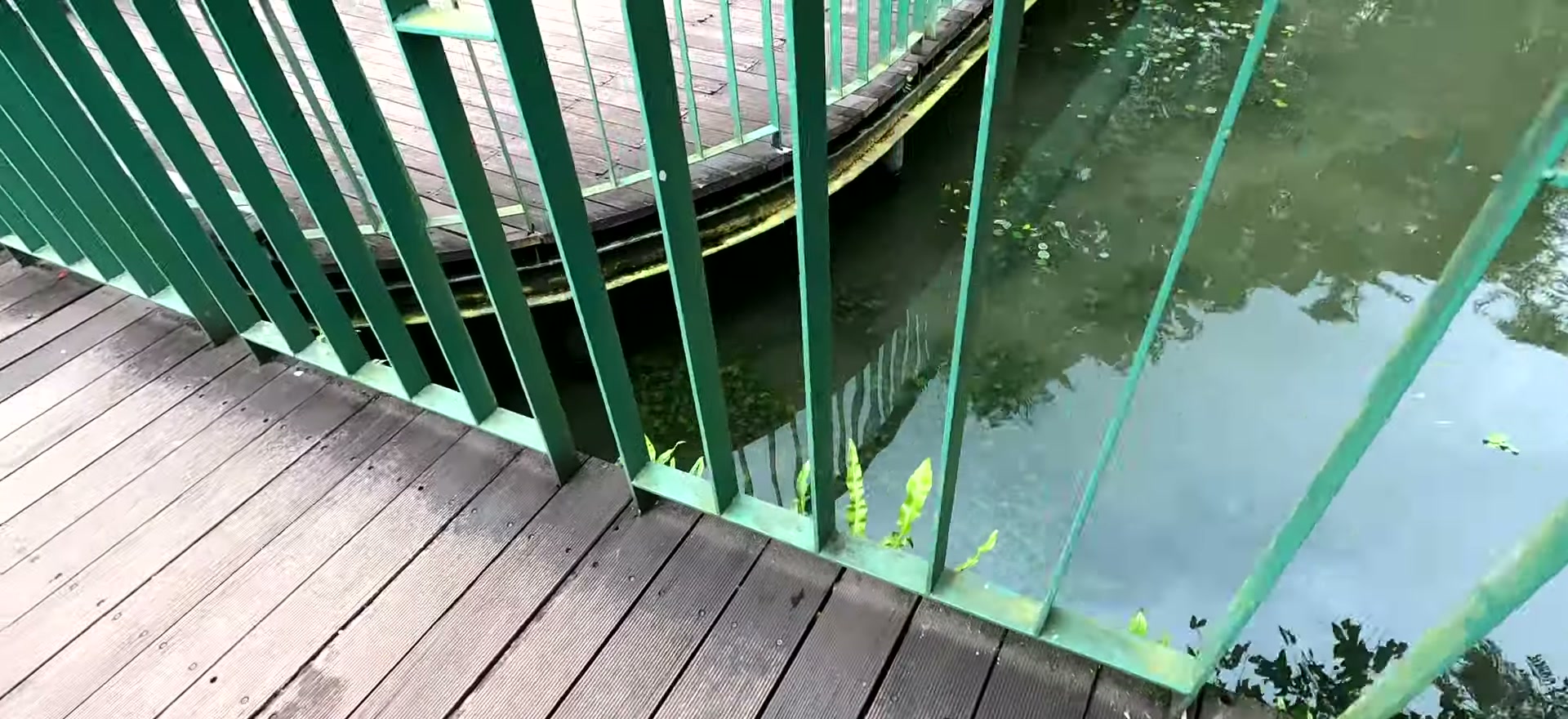
The boardwalk curves beside water and reflected trees. Begin here before looking at the meal: the surroundings give the food a setting.
The film focuses on Shin-Liu Farm in the Mataian wetland area of Guangfu, Hualien. The farm and official food-education listings connect wetland interpretation with local food and arranged experiences.
2. Stones and a vessel
The view moves from the hearth to the vessel, ingredients and tools on the demonstration table. The interior holding the liquid, its outer support and the tongs have different jobs. Watch how the people leading the session attend to them.
An Agriculture Ministry account of Mataian describes cooking with heated stones. Look at the heated stones, tongs and long vessel together, and let the guide explain how they work.
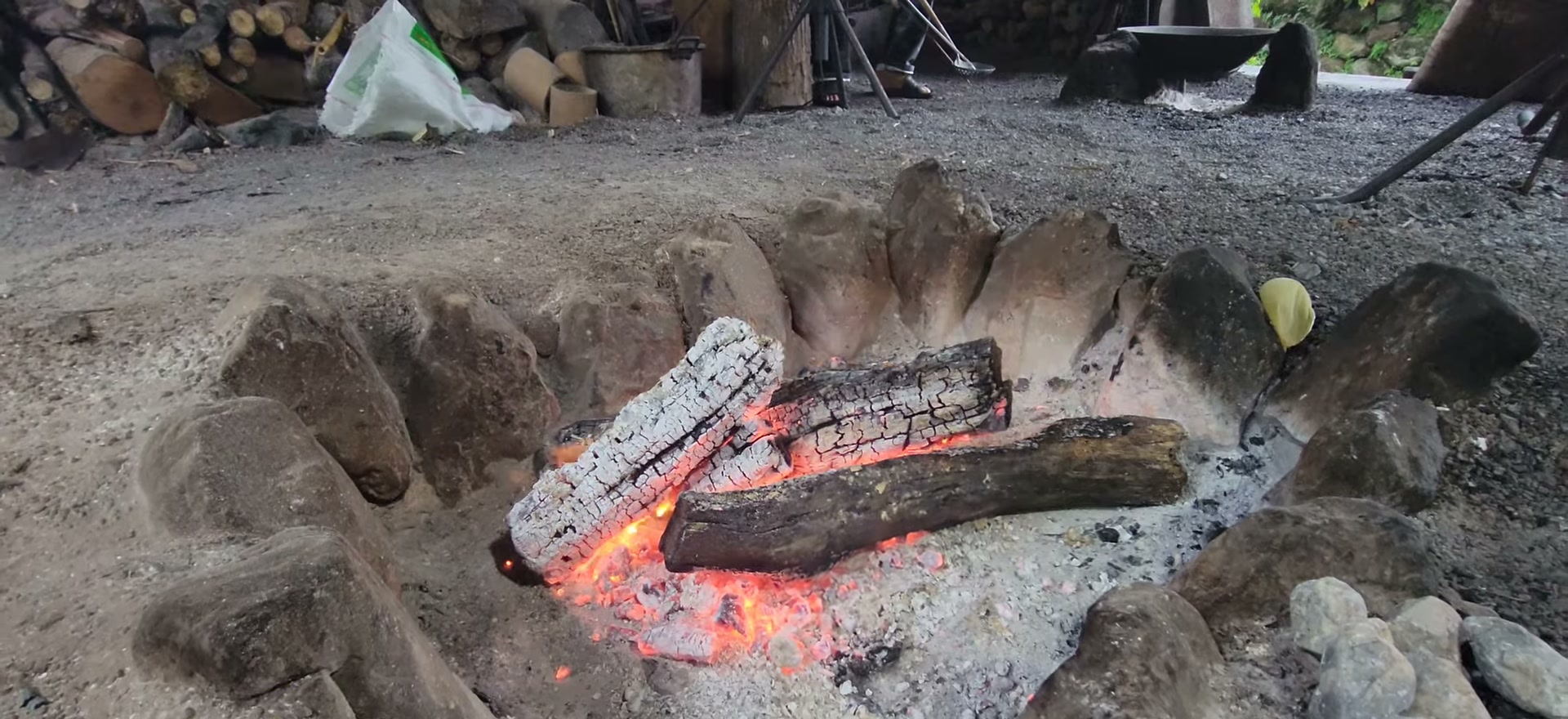
3. Watch the demonstration unfold
Tongs move towards the vessel and steam rises. Visitors watch while the people leading the demonstration attend to the liquid and stones.
The sequence keeps people and objects together. Food culture includes explanation and judgement as well as ingredients. Two recordings from different years are edited here; they do not document one pot or an uninterrupted event.
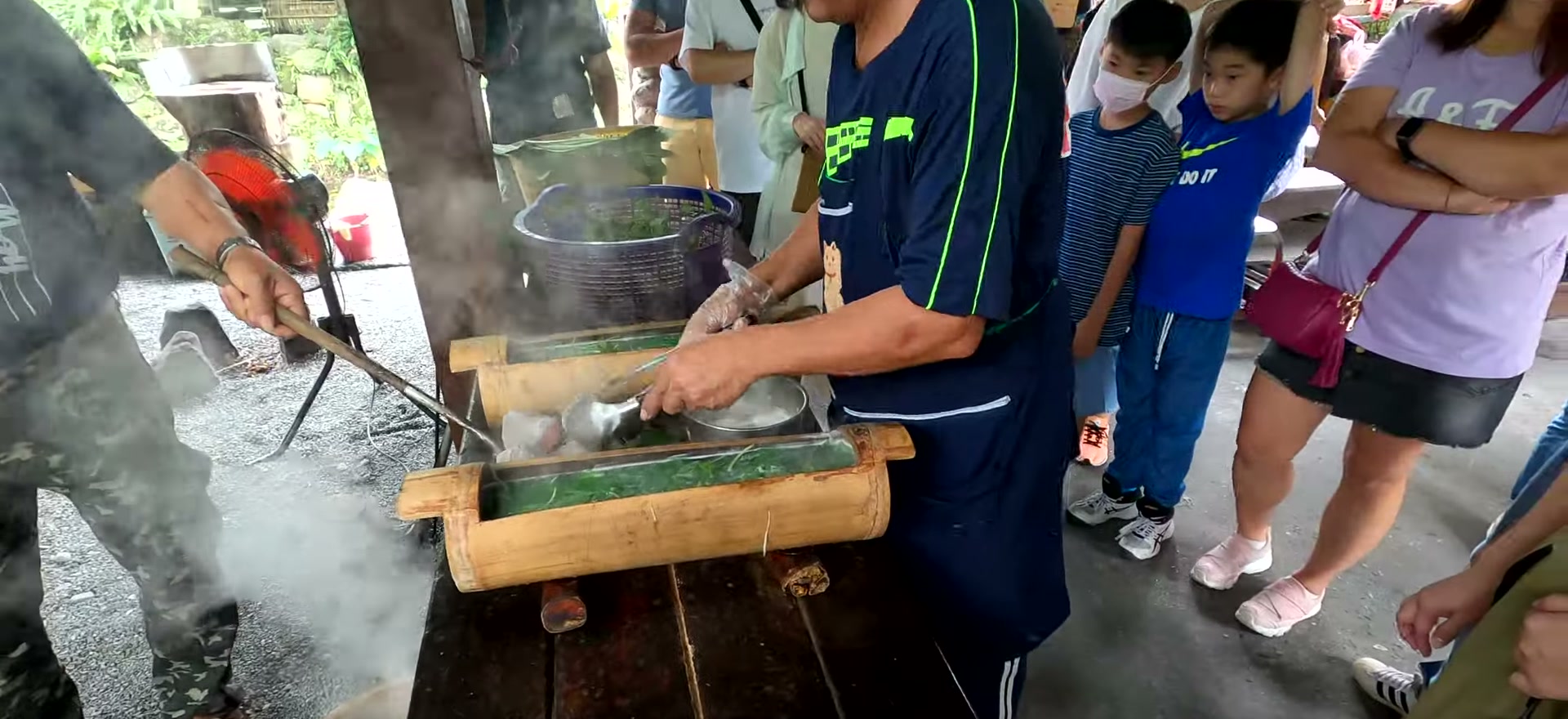
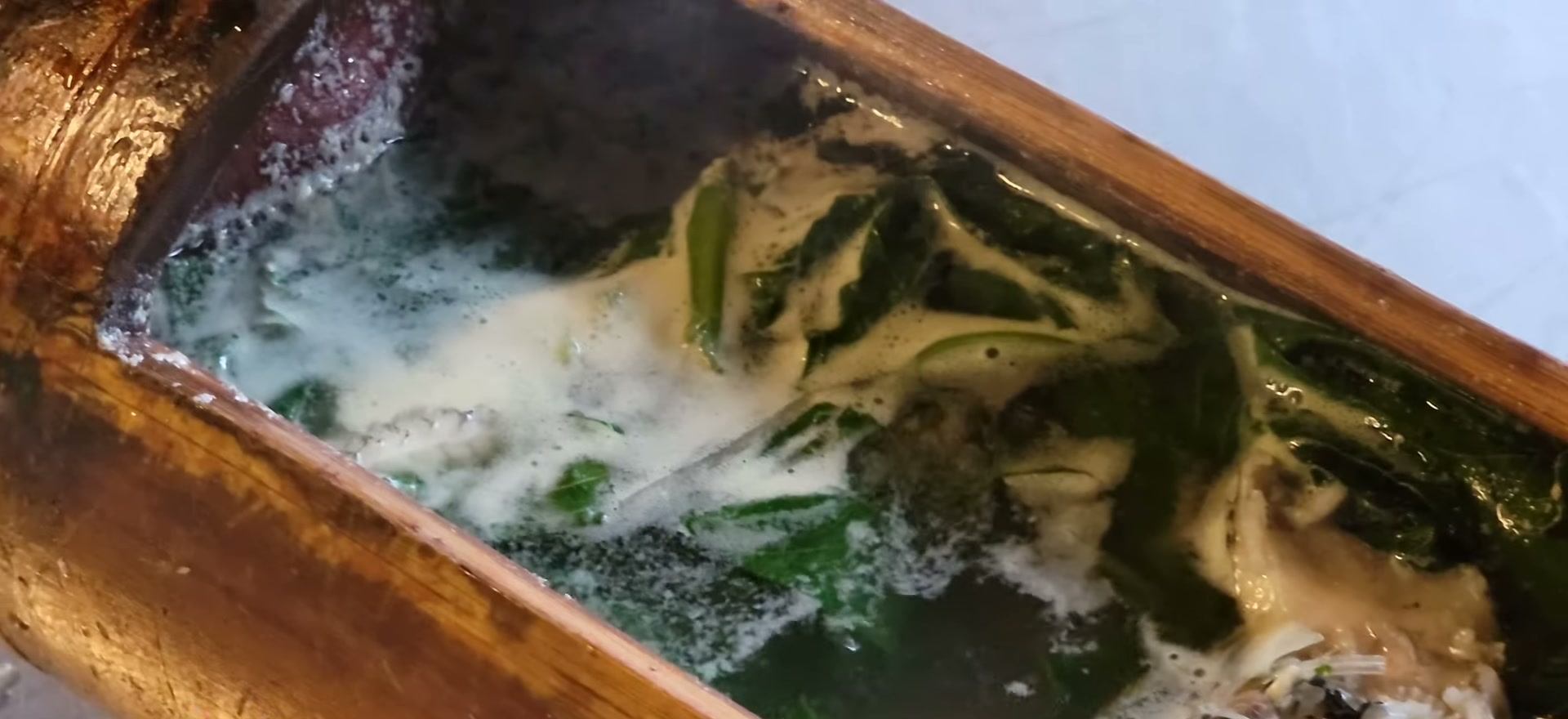
4. A meal carries the process to the table
Fish, greens and broth reach the table and a small bowl. Looking back from the finished meal connects the setting, materials and the work of its guides.
These dishes belong to the archival recordings, not a promised current menu. Confirm food, interpretation, available sessions and arrangements directly with the farm.
5. Arrange a visit after the story
The closing view returns to water and the walkway. Keep the surroundings in the story as well as the meal: read a story, then make time for its place.
The sources were uploaded in 2020 and 2021; exact filming dates were not independently verified. Confirm reception, access and bookings with the farm, then follow its arrangements for your visit.
Article, image and music sources
Selected from farm recordings uploaded in 2020 and 2021. Exact filming dates were not independently verified. Different records are edited together, not presented as one event. Confirm current reception with the farm.
- Shin-Liu Farm official website
- Ministry of Agriculture: Shin-Liu food education
- Ministry of Agriculture: Mataian agriculture and culture
- Hualien Travel: Shin-Liu Farm
- 山貓鏡花緣: original public recording
- Simoni Tsai: original public recording
Music: 跨海的一段路 · AI-generated instrumental.