
Cultural story
Atayal clothing: recovering a technique, not just copying a pattern
Yuma Taru’s work with museum collections asks how a garment was made and how that knowledge can return to living hands. Threads, regional differences and a grandmother’s loom give the question a material form.
Follow the Thread: Atayal Weaving
Follow Yuma Taru’s textile work in Tai’an, Miaoli, from a complete textile into ramie, dyeing and weaving, then return to teaching and contemporary creation.
90 seconds · English captions in the film; optional English and Traditional Chinese CC.
Film sources and complete bilingual captions
The film records an earlier period of studio work and making. Check the official organiser or venue for current exhibitions and visits.
00:00:00,120 --> 00:00:02,880
Atayal Weaving
Follow the Thread
從一根線,走近泰雅織作
00:00:03,120 --> 00:00:05,280
At Yuma Taru’s workshop in Miaoli.
走近苗栗,尤瑪.達陸的工藝現場。
00:00:05,520 --> 00:00:09,280
Begin where the fibre grows.
從纖維生長的地方開始。
00:00:09,520 --> 00:00:15,280
Ramie is cut and gathered by hand.
以雙手採集苧麻。
00:00:15,520 --> 00:00:19,280
Peel the stem to reveal its fibres.
剝開莖皮,露出纖維。
00:00:19,520 --> 00:00:23,280
Plants enter the dyeing process.
植物,進入染色的過程。
00:00:23,520 --> 00:00:28,480
Rinse the yarn. Let the colour settle.
洗過一束線,讓色澤慢慢顯現。
00:00:28,720 --> 00:00:30,980
A palette you can hold in your hands.
可以捧在手上的色彩。
00:00:31,220 --> 00:00:36,647
See the strands before they become cloth.
先看一束束線,再看它們如何成為布。
00:00:36,887 --> 00:00:40,947
Untangle. Align. Begin again.
分開、理順,再繼續。
00:00:41,187 --> 00:00:47,380
Each thread has a place.
每一根線,都有自己的位置。
00:00:47,620 --> 00:00:57,580
Patterns grow through repeated movements.
紋樣,從反覆的動作中生長。
00:00:57,820 --> 00:01:04,080
Skills grow beside other weavers.
與其他織者並肩,讓技術繼續。
00:01:04,320 --> 00:01:11,480
Start with the cloth’s structure,
not just its pattern.
從布的結構看起,不只看紋樣。
00:01:11,720 --> 00:01:14,480
Traditional knowledge
finds new forms.
傳統的知識,也有當代的形體。
00:01:14,720 --> 00:01:20,080
Move closer. Notice how fibres connect.
靠近看,纖維如何彼此連結。
00:01:21,000 --> 00:01:27,500
Explore Taiwan through its living crafts.
從仍在繼續的工藝,認識臺灣。
00:01:27,800 --> 00:01:29,900
Taiwan, Layer by Layer.
島嶼年輪
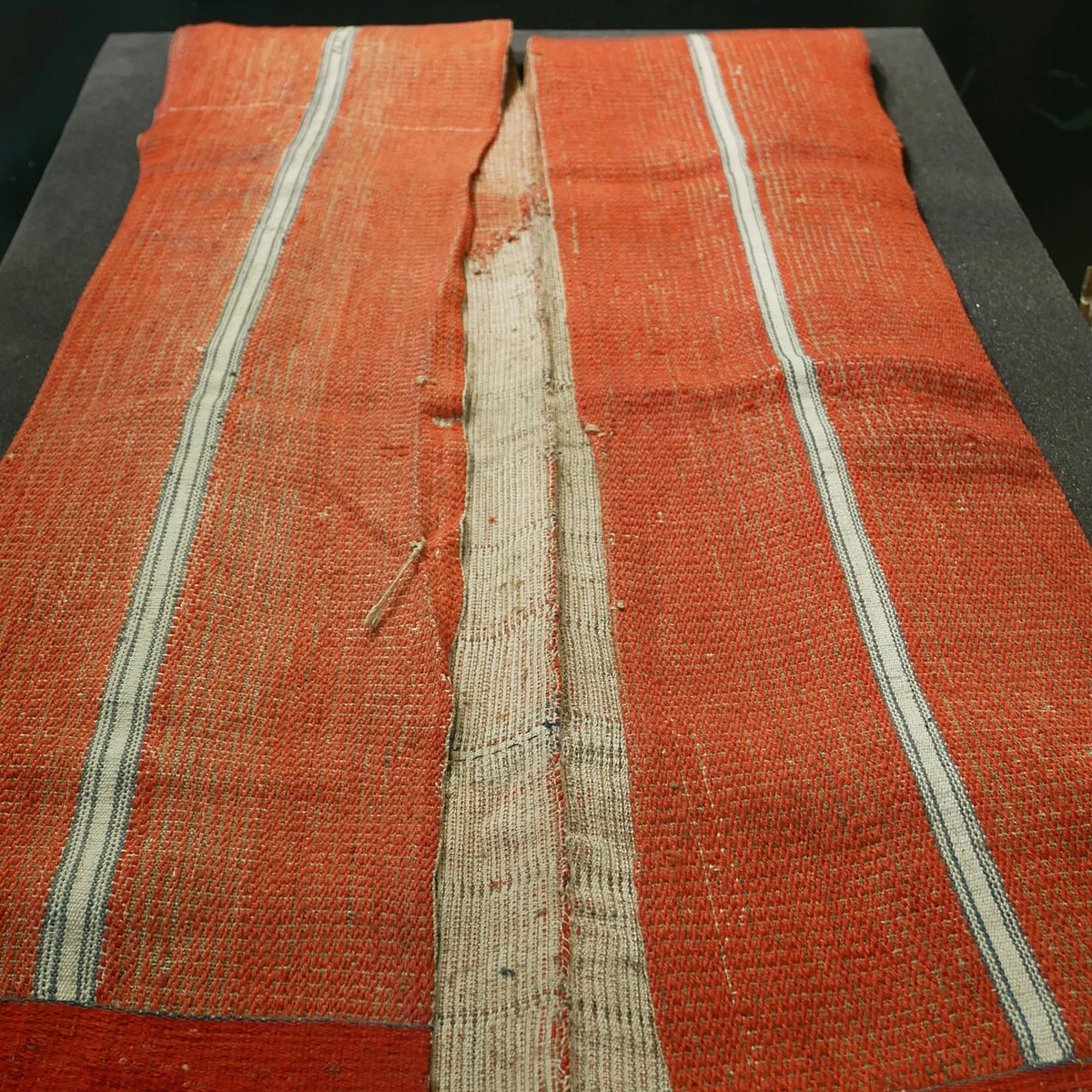
Atayal textiles vary between regional groups and garments.
Reconstruction requires reading weave structure as well as visible patterns.
Yuma Taru links collection research, making and teaching.
A museum garment becomes a technical question
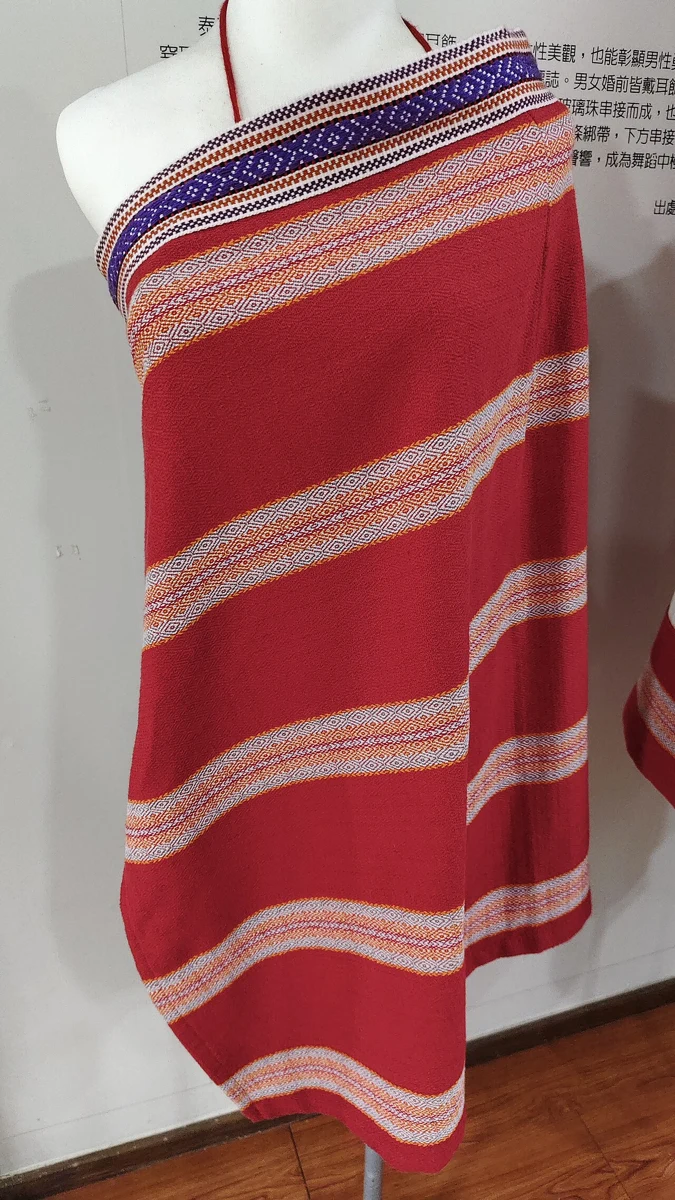
A garment can survive in a museum after the knowledge needed to make it has become difficult to find. Yuma Taru approached Atayal textiles with that problem in mind. Looking at a pattern is only the beginning: which thread passes over another, how tension is controlled and how separate pieces become clothing all have to be understood before a reconstruction can be made.
The National Taiwan Museum’s 2014 exhibition Rainbow and Dragonfly placed historic collections beside reconstructions and contemporary work. Yuma’s investigation distinguished textiles from eight regional Atayal groups, including differences in pattern, colour and warp-and-weft structure. Those differences challenge the familiar idea that a few colours and a diamond motif can stand in for all Atayal clothing.
Yuma’s own 2014 essay gives the search a difficult starting point. Although she had already woven many lengths of cloth, her grandmother insisted that knowledge should begin with growing ramie. After two years of searching, Yuma found an elder in Wufeng who had kept planting it. The elder offered planting material on the condition that cultivation continue. Recovering a garment therefore also depended on someone preserving a living plant when its immediate use had diminished.
The body is part of the loom
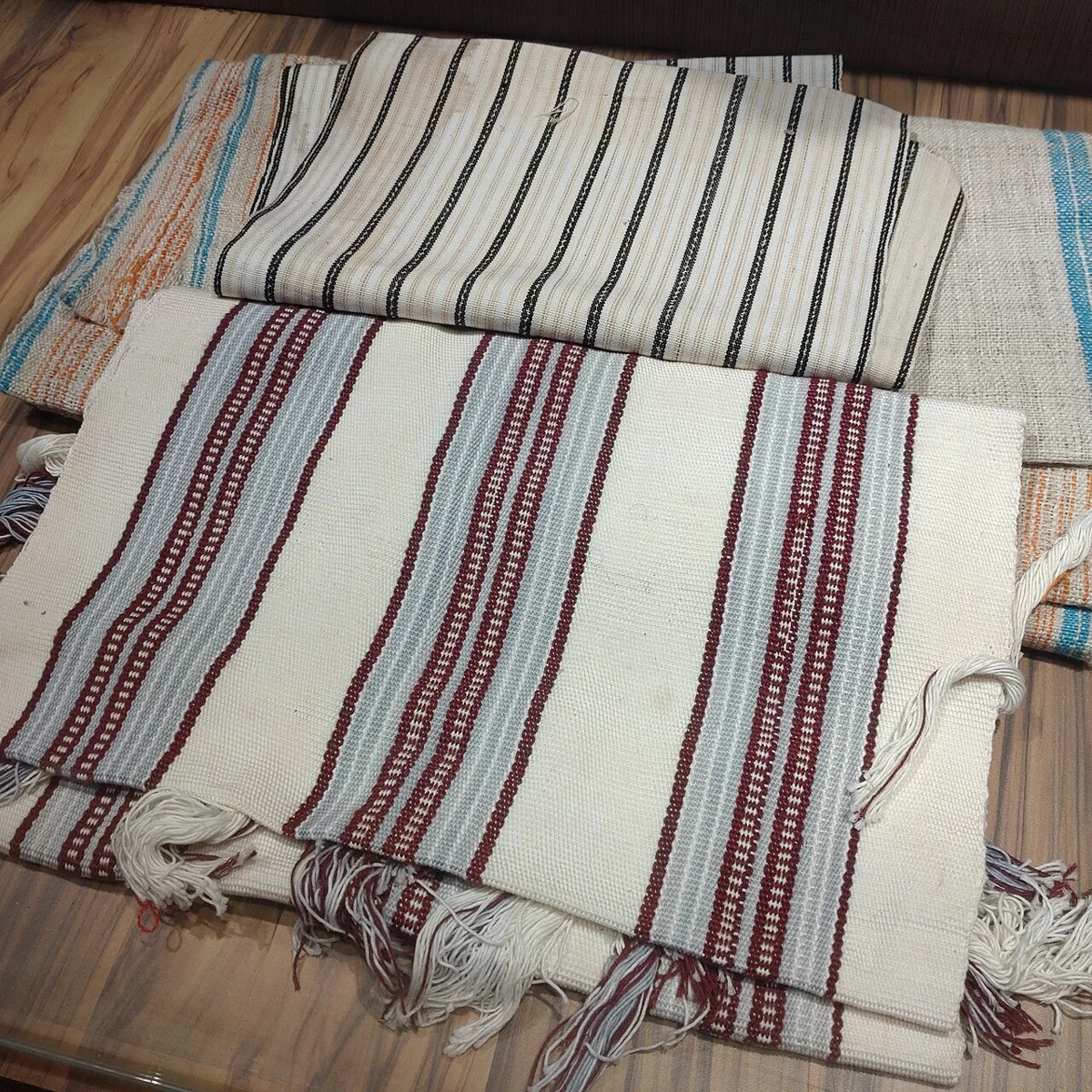
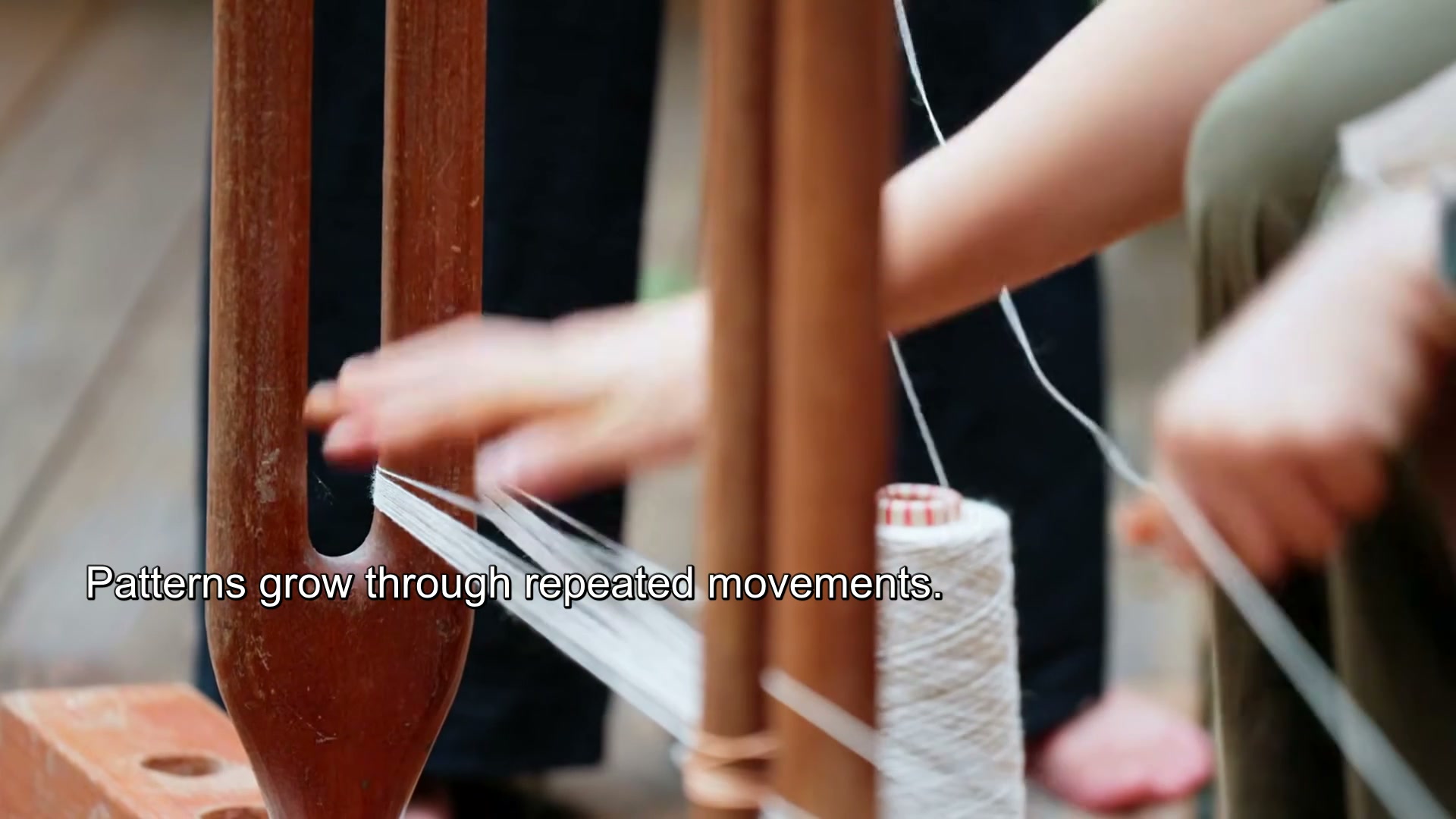
At the exhibition, Yuma demonstrated a loom passed down by her grandmother. A floor-loom demonstration makes a relationship visible that a finished garment cannot show on its own: the weaver’s position, hands and control of tension belong to the method. A textile is made through repeated movement as well as a planned design.
Comparing a vest, a shawl and smaller woven pieces brings the work back to use. Their proportions, openings and edges respond to different parts of the body. The photographs here show museum-recorded Atayal examples rather than a single coordinated outfit; reading each object’s label and function preserves the differences between its makers and places.
A university workshop held with Lihang Studio in 2020 records what comes between plant and loom: harvesting, removing leaves, scraping fibre, joining and spinning thread, then arranging it for dyeing. Shulang yam and fukugi supplied dye materials whose quantities, heat and time required control. The final colours in a display conceal this preparation; a brief weaving demonstration need not include the full sequence, so ask which part a proposed class actually teaches.
Recovered knowledge can take a new form
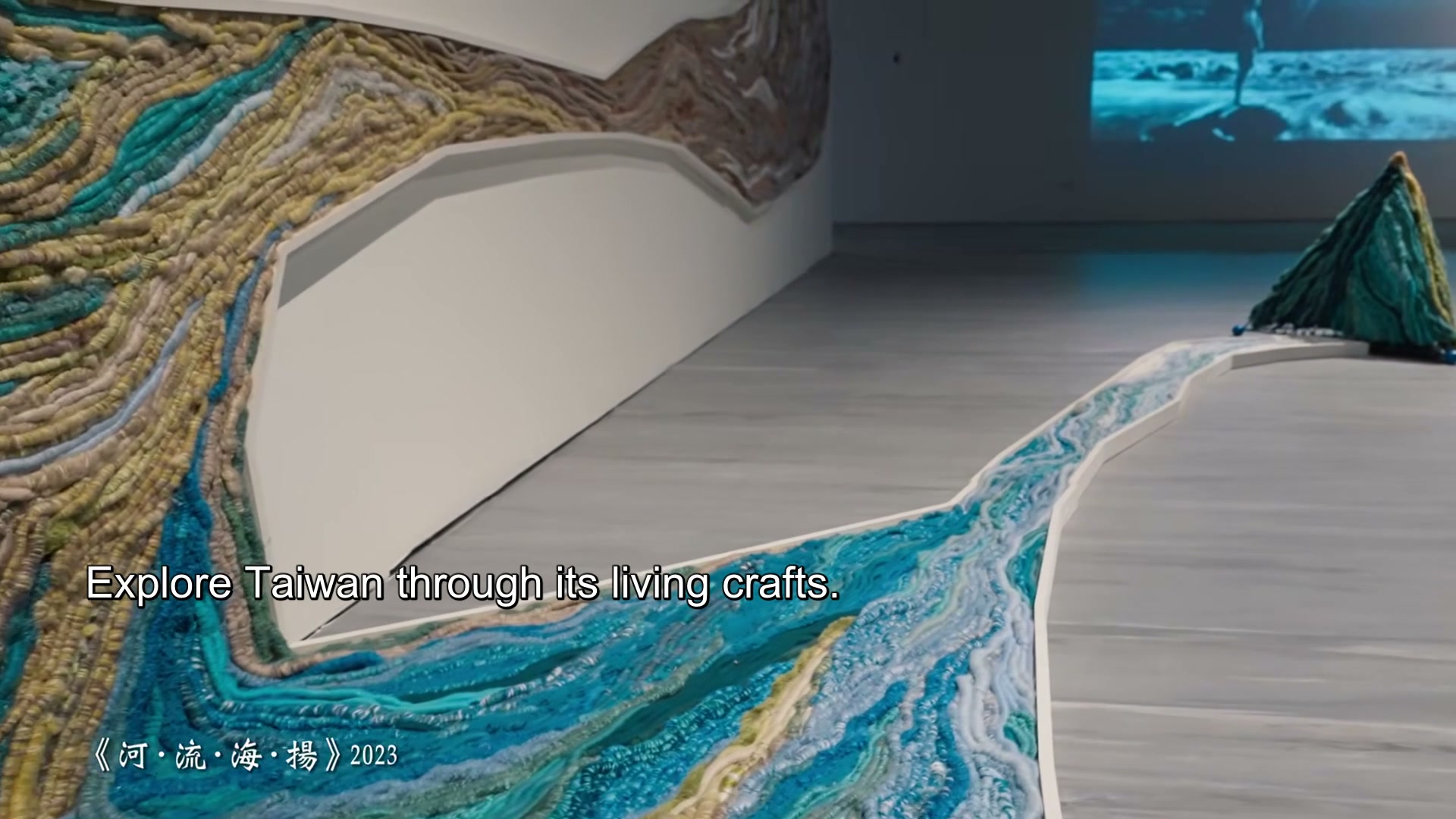
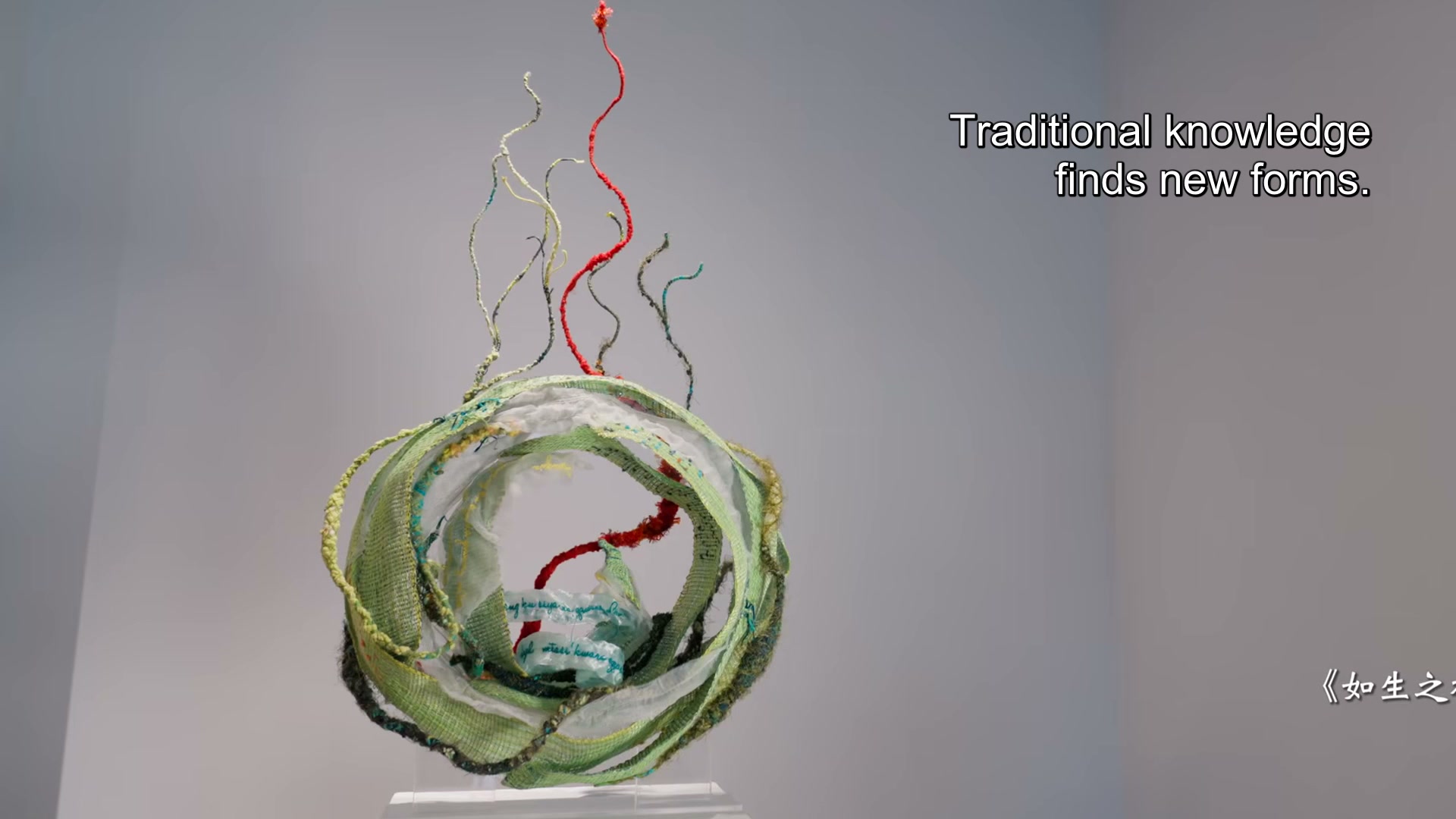
Research and reconstruction did not end with a copied garment. In Old Rainbow, New Appearance, made for the National Taiwan Museum’s Discovering Taiwan exhibition, Yuma brought textile patterns into an installation associated with mountains, rivers and the rainbow bridge. The shift in scale and setting turns weaving into a spatial experience while retaining its basis in textile knowledge.
Her work also extends into education, including the S’uraw Indigenous learning initiative. The connection between a collection and a classroom is consequential: patterns preserved behind glass can become questions that children and new makers ask with material in their hands. Continuity here depends on opportunities to learn and make, rather than on keeping every object in the same form forever.
Her essay also dates the collective remaking effort: she began leading community women in 2001, and by 2007 they had completed more than five hundred garments and accessories. Museum photographs became wearable, coloured objects through their labour. The achievement belongs to a group of makers as well as the researcher who organised it. Knowing that changes how a reproduction is read: it can record renewed skill and shared work, rather than being merely a substitute for an old original.
Look closer
Compare garment proportions and edges before concentrating on motifs.
Distinguish a historic object, a reconstruction and a contemporary artwork.
Visiting information
- Museum
- National Taiwan Museum, Main Building, No. 2, Xiangyang Road, Zhongzheng District, Taipei.
- Visiting focus
- Begin with the museum’s human-culture and collection displays; use the maker, date and material labels to connect garments with their research histories.
- Opening hours
- Tuesday–Sunday 09:30–17:00; ticket sales end at 16:30. Closed Mondays, Lunar New Year’s Eve and the first day of Lunar New Year; open on national holidays and consecutive holiday periods.
- Admission
- Full admission NT$30; concession NT$15. One ticket includes the Main Building and the nearby Paleontology Museum on the same day.
- Travel and return
- Walk from MRT NTU Hospital station through 228 Peace Memorial Park to the museum; return through the park to the same station.
Begin with the whole textile
In front of a complete textile, begin with its edges, lines and the points where threads meet. After returning to her community, Yuma Taru learned Atayal dyeing and weaving from her grandmother and other relatives. Materials, making and wearing became connected questions about how a garment comes into being.
She studies garments in museum collections, connecting reconstruction, teaching and creation. This also suggests a way for a visitor to look: ask how a thread was prepared and how the weaver worked, then read the patterns and proportions as parts of a usable whole.
From ramie to thread
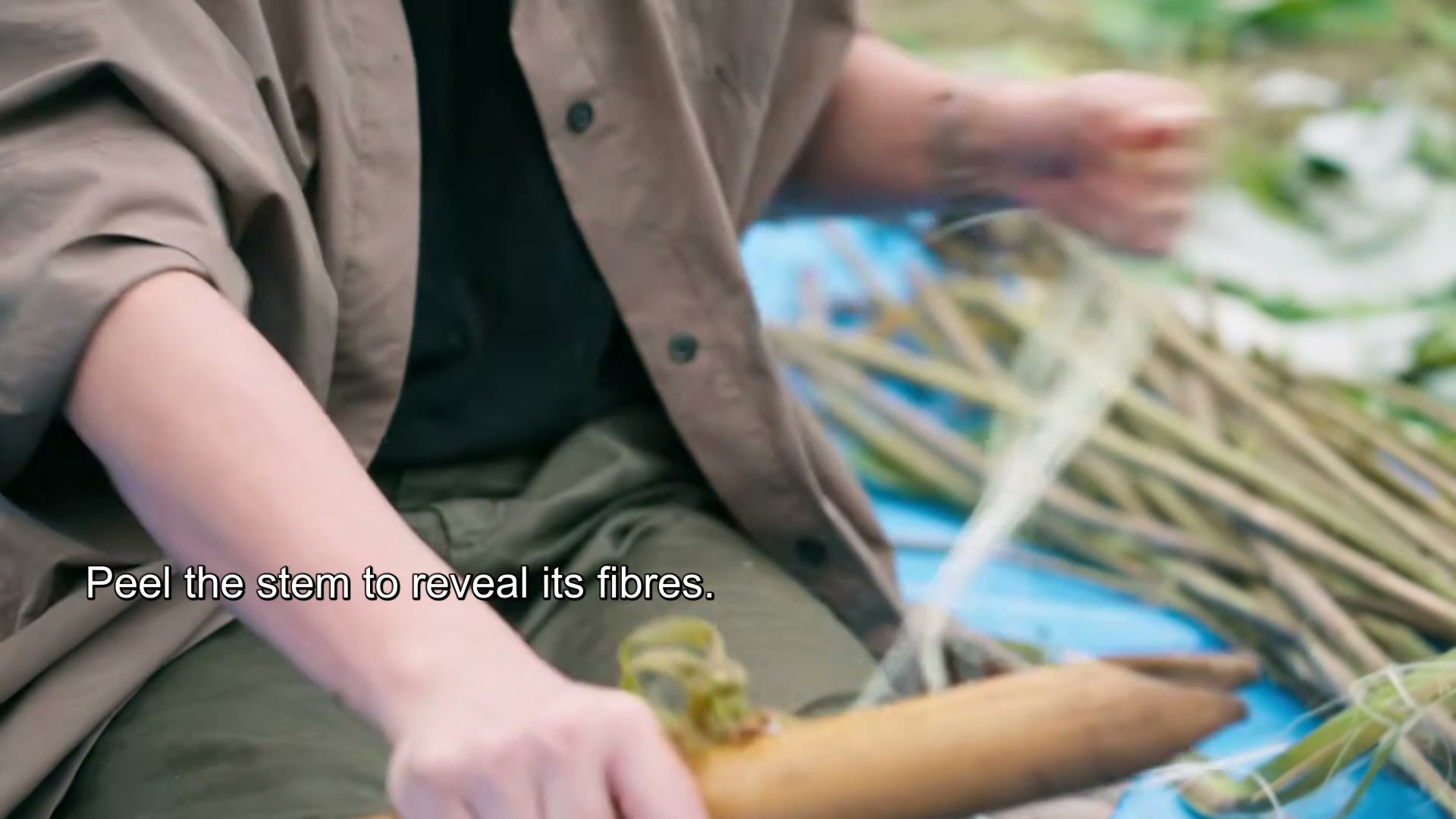
Ramie is an important material in traditional Atayal textile making. A plant must be harvested, its fibres extracted and its thread prepared before it reaches the loom. Yuma reconnects cultivation and the recovery of materials with making, so learning the technique remains connected with the land.
When watching fibre preparation, notice how the fingers separate, join and twist the material. Such details connect a finished garment with the work that comes before it. Continuing textile knowledge depends on people continuing to prepare materials and practise the techniques together.
Learning colour through practice
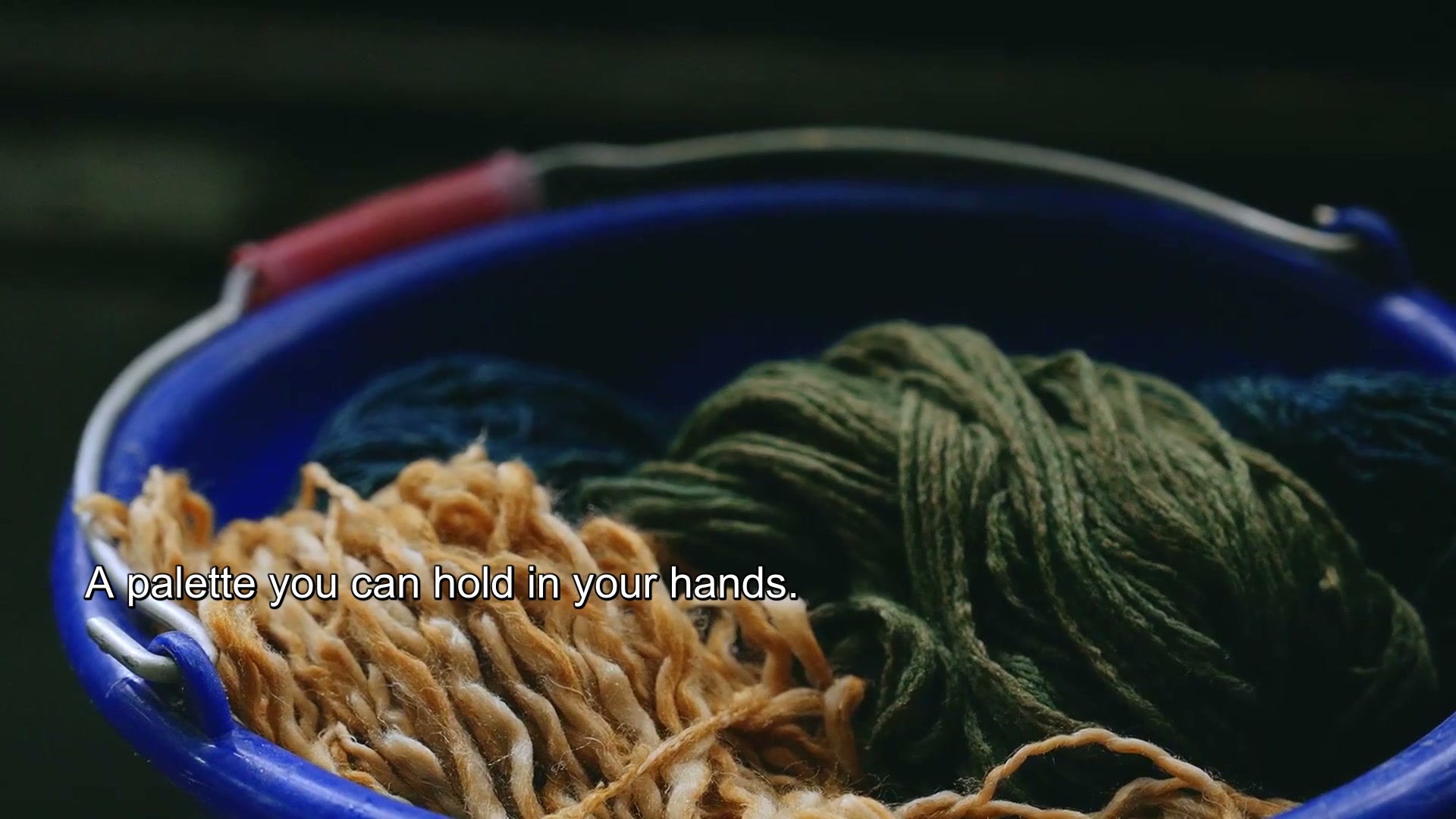
Dyeing brings colour from plants into thread and cloth, and it asks makers to build experience through practice. Yuma’s work includes natural dye materials and different dyeing methods. Preparing materials and learning to dye them are parts of understanding both plants and the processes behind a colour.
Slow down before a dye vessel, a bundle of thread or a coloured textile, and compare the material before and after treatment. Colour also carries the work of preparing, managing a process and observing change. Connecting those steps reveals more of the labour held within a textile.
A skill carried into another pair of hands
Warp and weft meet, and repeated movements gradually extend the cloth. Watch the weaver’s hands for the order of threads, tension and rhythm. Yuma’s teaching gives techniques that must be understood through practice a way to pass from one maker into another pair of hands.
Her studio in Tai’an, Miaoli, connects the work and learning of community weavers. She trains textile makers and brings research and making into education. The craft becomes connected with everyday life and cultural identity, while learners can carry their experience back to their own communities.
Return to the work, then plan a visit
Return to the complete work and look again at its lines, layers and relationship with space. Yuma also connects textile making with technology and art. Her accumulated knowledge of materials and weaving enters contemporary creation, offering audiences new forms through which to encounter Atayal textile work.
After following a thread into a complete work, continue looking at a relevant exhibition or guided visit in Taiwan. Before travelling, ask the official organiser or venue what is open and how to book. Read the work’s labels for its maker, materials and background when planning an appropriate visit.
Article, image and music sources
The film records an earlier period of studio work and making. Check the official organiser or venue for current exhibitions and visits.
- 國立臺灣工藝研究發展中心 · 尤瑪.達陸深耕泰雅染織,復興推動部落工藝
- 公共電視 藝術很有事 · 這世上誰能給出半世紀的承諾?尤瑪‧達陸可以|EP. 97 尤瑪‧達陸給泰雅族的50年承諾|藝術很有事
- https://tcmb.culture.tw/zh-tw/detail?id=246882&indexCode=Culture_People
- https://www.citilens.cc/polaris01-yumataru
- 泰雅服飾:重新學會技術,不只是複製紋樣
- Atayal clothing: recovering a technique, not just copying a pattern
Music: 把時間留下 · AI-generated instrumental.