
Community-based experiences
Hai Pai Living: a night shaped by life in Changguang
From a taluan in Changguang to a bark-cloth workbench in Dulan, these journeys begin with skills the hosts practise and continue to learn.
Changguang: Meet the Mountains and Sea with Local Hosts
Begin with a community between mountains and sea, then meet Three Men through local hosting, the coast and making. Arrange participation with the hosts.
90 seconds · English captions in the film; optional English and Traditional Chinese CC.
Film sources and complete bilingual captions
The film uses the official TITV programme publicly uploaded in November 2026 and verified official sources. The 2024 and 2026 activities described here are historical records, not current offers, registration or accommodation availability. Confirm participation and accessible spaces with the hosts.
00:00:00,000 --> 00:00:10,000
Changguang: Between Mountains and Sea
長光,山與海之間
00:00:10,000 --> 00:00:15,800
See the village with the people
who call it home.
跟著住在這裡的人,
重新認識部落。
00:00:15,800 --> 00:00:25,300
The hosts known as Three Men
share what they know.
「三個男人」帶路,
把熟悉的生活知識分享出來。
00:00:25,300 --> 00:00:29,300
A path becomes a place to learn.
一段小路,也是學習的地方。
00:00:29,300 --> 00:00:34,800
Then the view opens to the shore.
走出樹蔭,海岸在眼前展開。
00:00:34,800 --> 00:00:40,000
Look closer. Begin with small things.
放慢目光,從細小的事物開始。
00:00:40,000 --> 00:00:44,500
Follow the hosts.
Join in with your hands.
跟著主人,
也讓雙手參與。
00:00:44,500 --> 00:00:55,000
The water asks you to slow down.
面對水流,腳步也慢下來。
00:00:55,000 --> 00:01:04,000
Watch first. Learn by doing.
先觀察,再動手學習。
00:01:04,000 --> 00:01:09,000
A small discovery, shared.
一個小小發現,一起分享。
00:01:09,000 --> 00:01:15,400
At home, knowledge lives in hands.
回到家,知識也留在手裡。
00:01:15,400 --> 00:01:19,400
Preparing food is part of the welcome.
親手備餐,也是迎接客人的方式。
00:01:19,400 --> 00:01:24,900
A meal brings everyone together.
一桌料理,讓大家坐到一起。
00:01:24,900 --> 00:01:30,000
Meet the place through its people.
Taiwan, Layer by Layer.
從人認識地方。
島嶼年輪。
Book individual experiences throughout the year; walks, workshops and accommodation do not share one festival date.
This story starts in Changguang and extends to Mimaan’s bark craft in Dulan; arrange each booking and transfer separately.
A shelter becomes a place to pass on skills
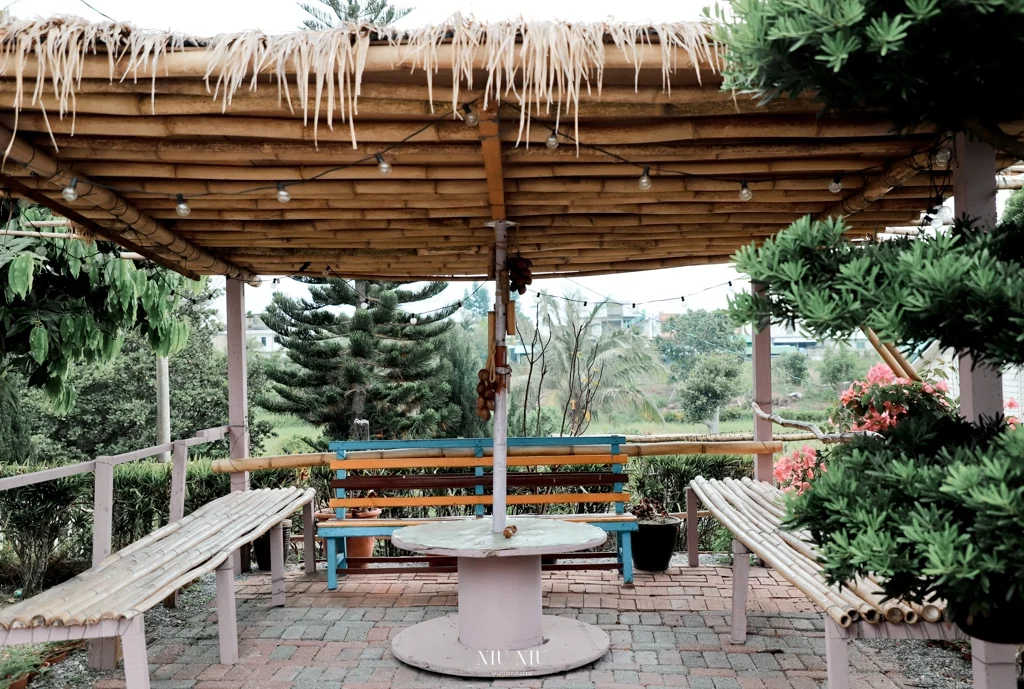
Xiaoyan, Leo and Saway form Changguang’s “Three Men” team. In 2023 their taluan welcomed visitors under a structure made with rattan, bamboo and thatch. Mimaan Studio brought students to learn from community builders. Used for meeting, eating and conversation, the shelter made collective work part of the welcome.
Hai Pai Living connects several forms of hosting. East Coast Working Holidays bring visitors and residents together on a shared task; Tongbu Wild (童部野放) children’s camps centre on learning through experience. Hai Ren Jia develops accommodation, while Pahanhan stores connect craft, local produce and travel information. An overnight stay, a workshop and a multi-day work project each create a different relationship. The bamboo-and-thatch sitting space beside Fengnai Guesthouse shows another way to welcome visitors within Hai Pai Living.
Hospitality also has a food timetable. Hai Pai's account of Three Men lists locally obtained flying fish, stream shrimp, snails and greens, and advises reserving meals ahead because the ingredients depend on the day's produce. This changes the visitor's role: choosing a date is also agreeing to what the hosts can responsibly prepare, rather than demanding a fixed illustrated menu. A meal, a sea outing and an overnight stay should each be confirmed in the booking.
Beating bark makes the work of clothing tangible
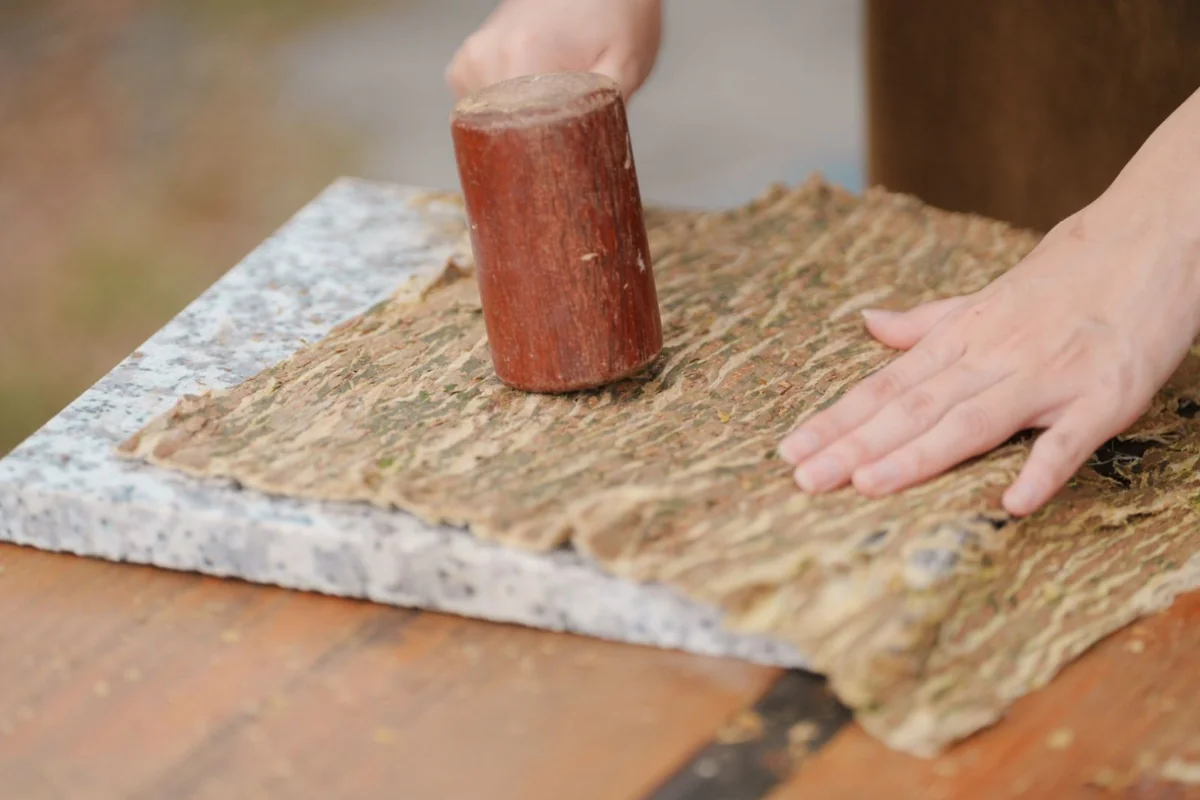
Further south in Dulan, Mimaan’s workshop begins by repeatedly beating bark into cloth before turning it into a small everyday object. The material responds to sustained work and controlled force. Making something small gives visitors a physical sense of the labour involved before they consider a whole bark-cloth garment.
Dulan’s Amis name, ’Etolan, is associated with stones. Rocks removed during cultivation were stacked into boundaries, and stone walls remain in the community. The workshop connects bark, clothing and thatched buildings with practical needs. Beyond the workbench, the materials remain visible in the streets and houses through which visitors walk.
A lodging corridor holds more than room keys
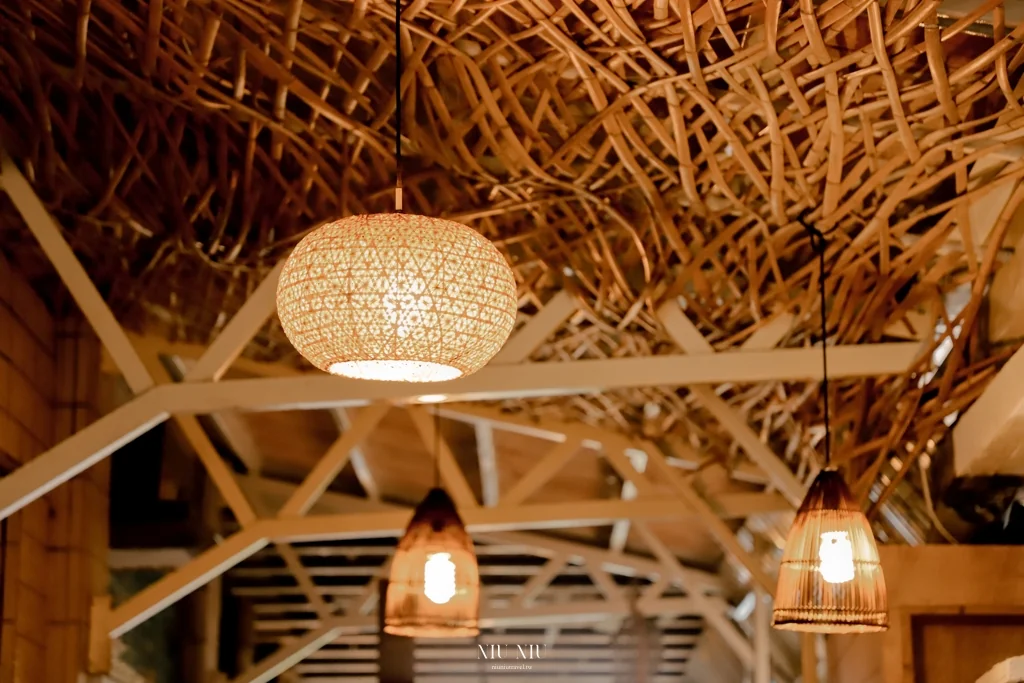
At Little Auntie Wildflower in lower Changguang, artist Lafin used Amis bamboo-weaving techniques for the reception corridor ceiling. An old printing device, radio and sewing machine sit around the desk, while hibiscus flowers reappear in painted walls. These shared spaces offer a place to hear where objects came from before guests retreat to their rooms.
The Hai Ren Jia programme works with existing community accommodation and links it to local experiences. Its spaces need not look identical: each host needs workable areas for meals and rest, alongside clear lodging arrangements. Visitors can then spend an evening and another morning in the community, rather than encounter it only as a brief roadside stop.
Another host, Chuang Chiao-yun of Wohay in Changbin, uses ingredients such as white jade snails, cured pork and pickled bamboo shoots in pizza. The brand account identifies this as her way of sharing Amis food through a different dining form. It belongs to that cook's practice, not a timeless menu for all Amis households. Comparing hosts' chosen foods can reveal differences in contemporary life as clearly as comparing their buildings, without entering kitchens or photographing people without agreement.
Look closer
In reception spaces, distinguish woven bamboo, rattan and older objects by their uses.
When making bark cloth, notice how its thickness and flexibility change with repeated beating.
Visiting information
- Timing and booking
- Book individual experiences year-round through Hai Pai Living’s experience listings; Changguang hosting and Dulan bark workshops have separate schedules.
- Locations
- Changguang is in Changbin Township, Taitung County. Little Auntie Wildflower is at 178-3 Binhai Road, Changbin Village. Dulan experiences are in Donghe Township, with meeting arrangements supplied by Mimaan Studio.
- Stay and participation
- Allow an overnight stay in Changguang or half a day for a bark workshop. Reserve accommodation, meals and activities through the selected package.
- Arrival and return
- For a Changbin stay, agree the pick-up point and post-stay return with the lodging host. If using route 309, reserve its cruise-style bus tour with the operator and confirm boarding or alighting at Changbin Township Office; it runs once daily from Yuli TRA Station. For Dulan’s bark workshop, take a coastal bus from Taitung and confirm the meeting point and return with Mimaan Studio. Plan separate journeys for Changbin and Dulan.
A home between mountains and sea
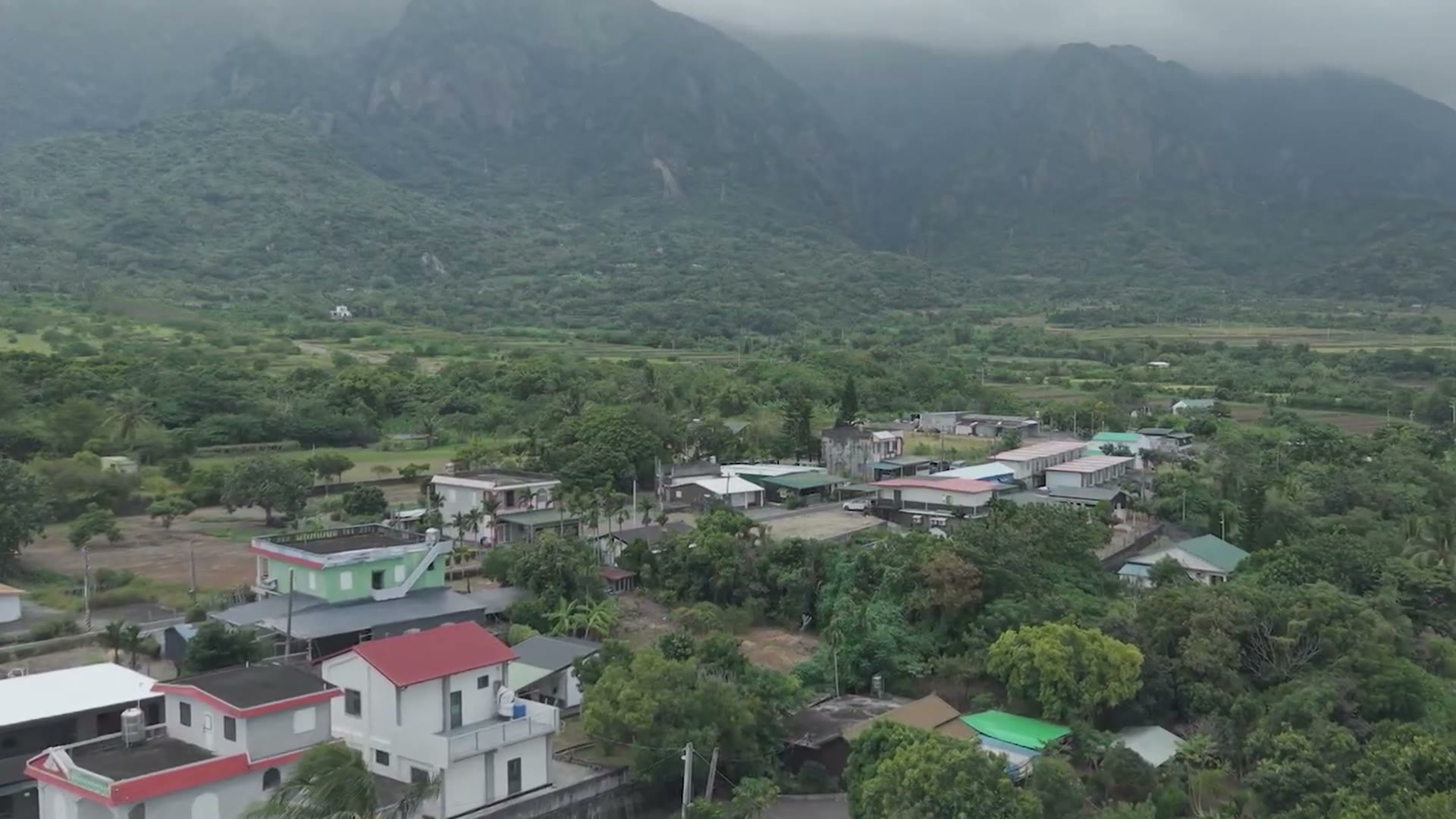
Changguang, also known as Ciwkangan, is in Changbin, Taitung. Houses and fields lie between mountains and sea. Roads lead to people’s homes; the mountains and coast are places of work, movement and memory. Start with that wider setting, then look at a path or a pair of working hands. How is the landscape connected to those who live here?
The official TITV programme introduces three Amis young men: Xiao Yan, Leo and Saway, who work together as Three Men. They combine their different skills to plan customised community visits. Meeting the hosts is therefore a useful starting point for understanding Changguang. Discuss the timing, form of participation and accessible spaces with them before arranging a visit.
Start on a path the hosts know
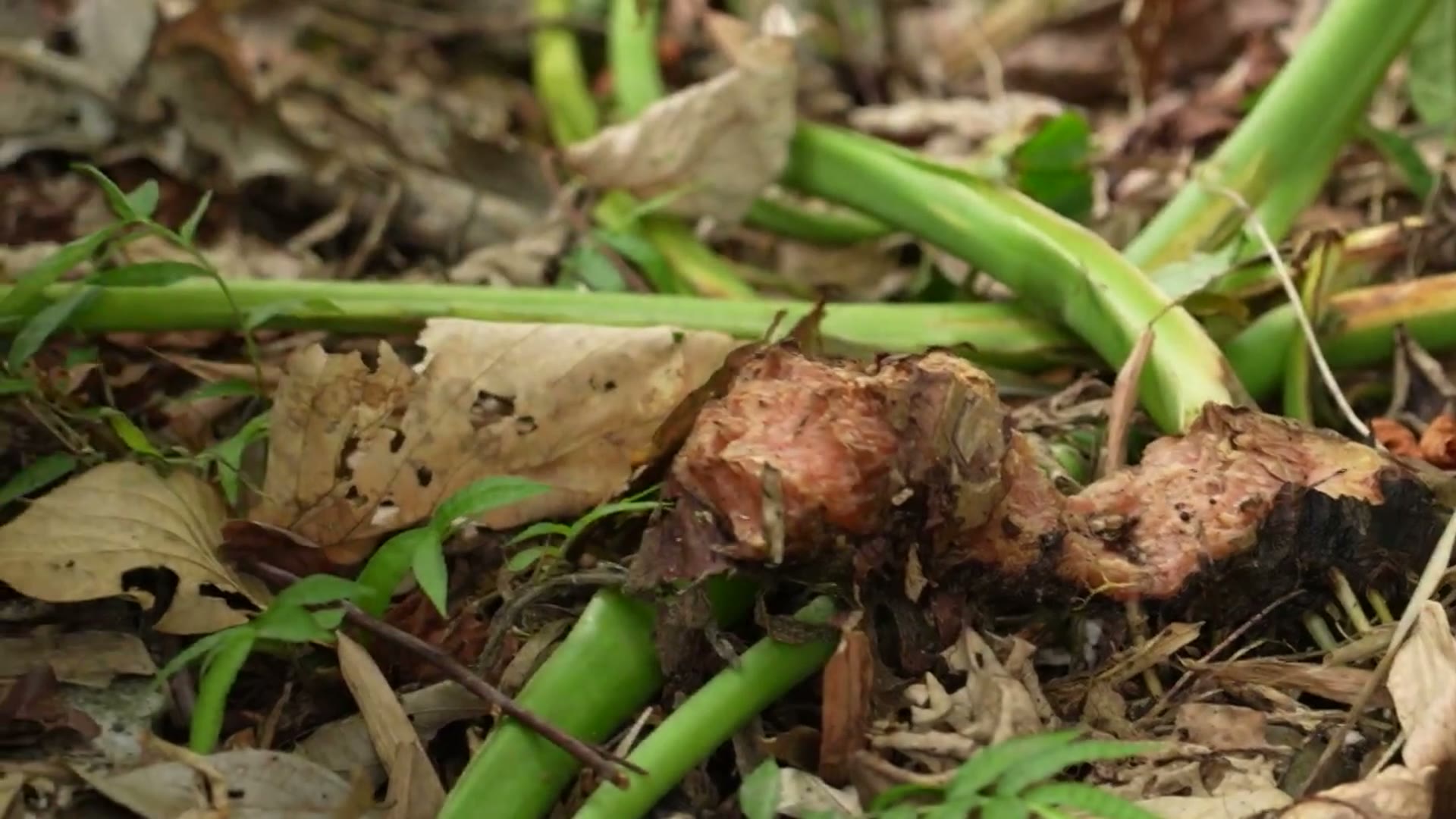
From the village lane, the hosts lead the way into the trees. A hand directs attention to roots, leaves and branches near the ground. What does someone familiar with this path notice? Begin by watching and listening, then ask whether and how to participate. That offers a better way into local knowledge than immediately picking a plant.
The programme description records practical challenges, including the pandemic, food preferences, teamwork and communication with elders. Support from families and elders helped the work continue. A locally hosted experience depends on those relationships and negotiations, as well as on familiarity with a landscape.
Observe by the coast and water
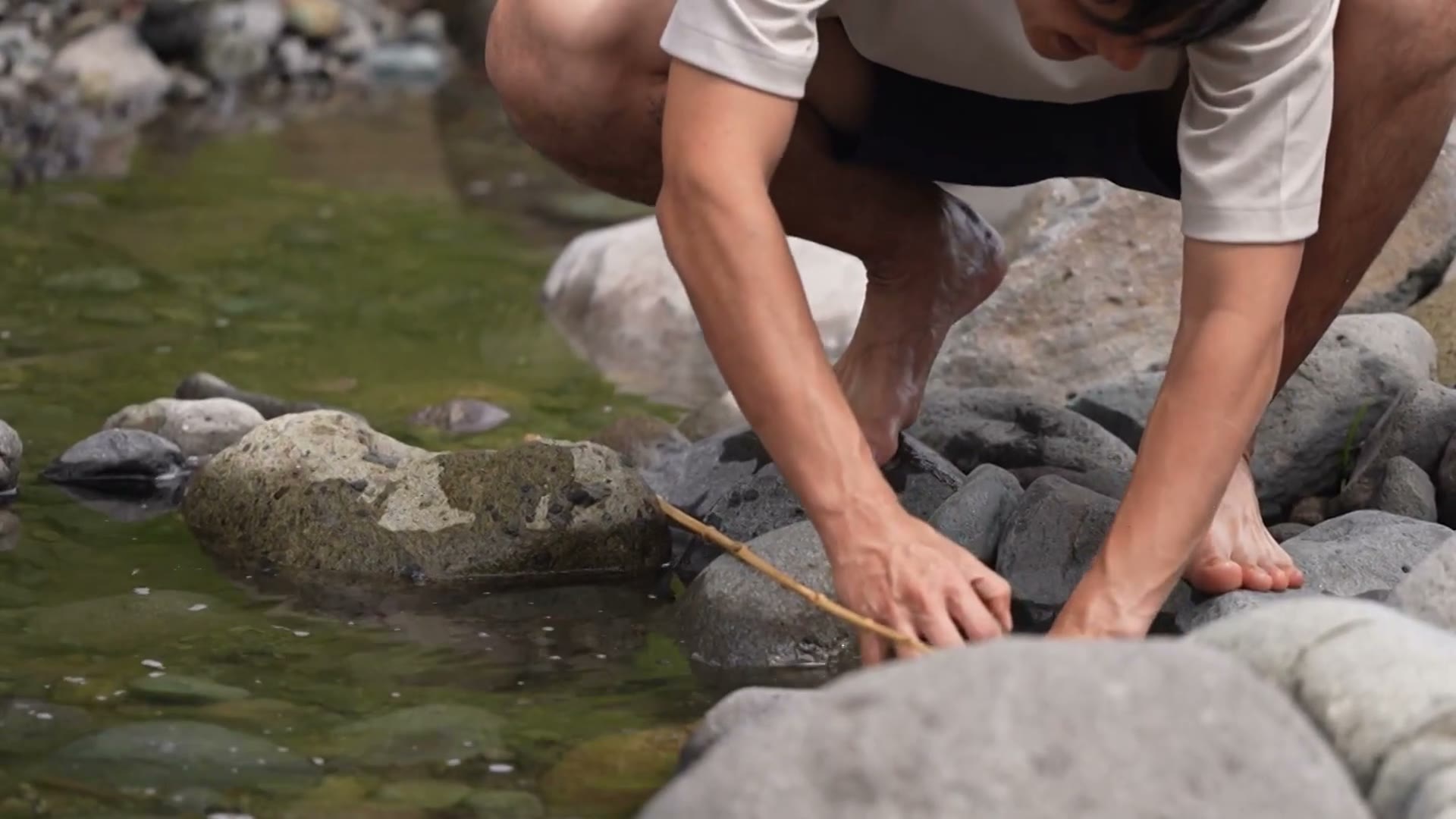
Look out along the shore, then down at the sand and water: the scale of attention changes. The programme records moments of preparation, observation, sifting and sharing small discoveries. Visitors and hosts direct their attention together. The exchange lies as much in watching and looking out for one another as in any eventual result.
These are hosted moments of work and exchange, not instructions for entering the water independently. Sea conditions, accessible spaces and the form of an activity must be explained by local hosts at the time. Contacting the hosts first and asking before joining matters more than finding the exact rock seen on screen.
Hands carry knowledge home
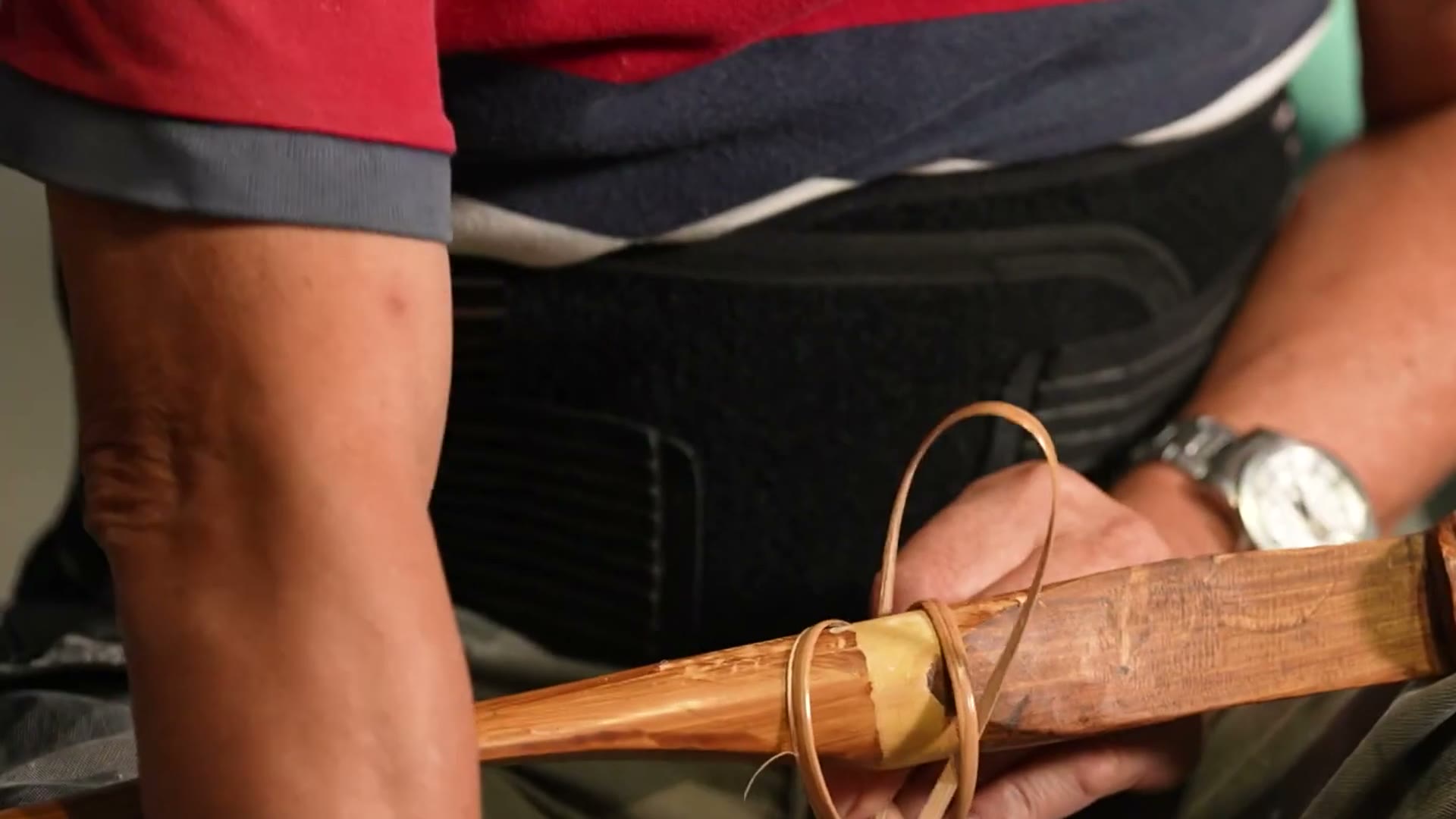
At home, handwork and cooking reveal another rhythm of everyday life. Holding an implement, preparing ingredients and attending to the heat are examples of knowledge expressed through action. Experience of the mountains and sea does not stay outdoors; hosting also involves preparation and care at home.
The same care applies to the meal. Several dishes recorded in the programme convey the welcome of eating together, but they are not advertised as a menu available today. A useful first question for the hosts is how to participate on this visit, rather than whether every scene can be recreated.
Return the visit to everyday life
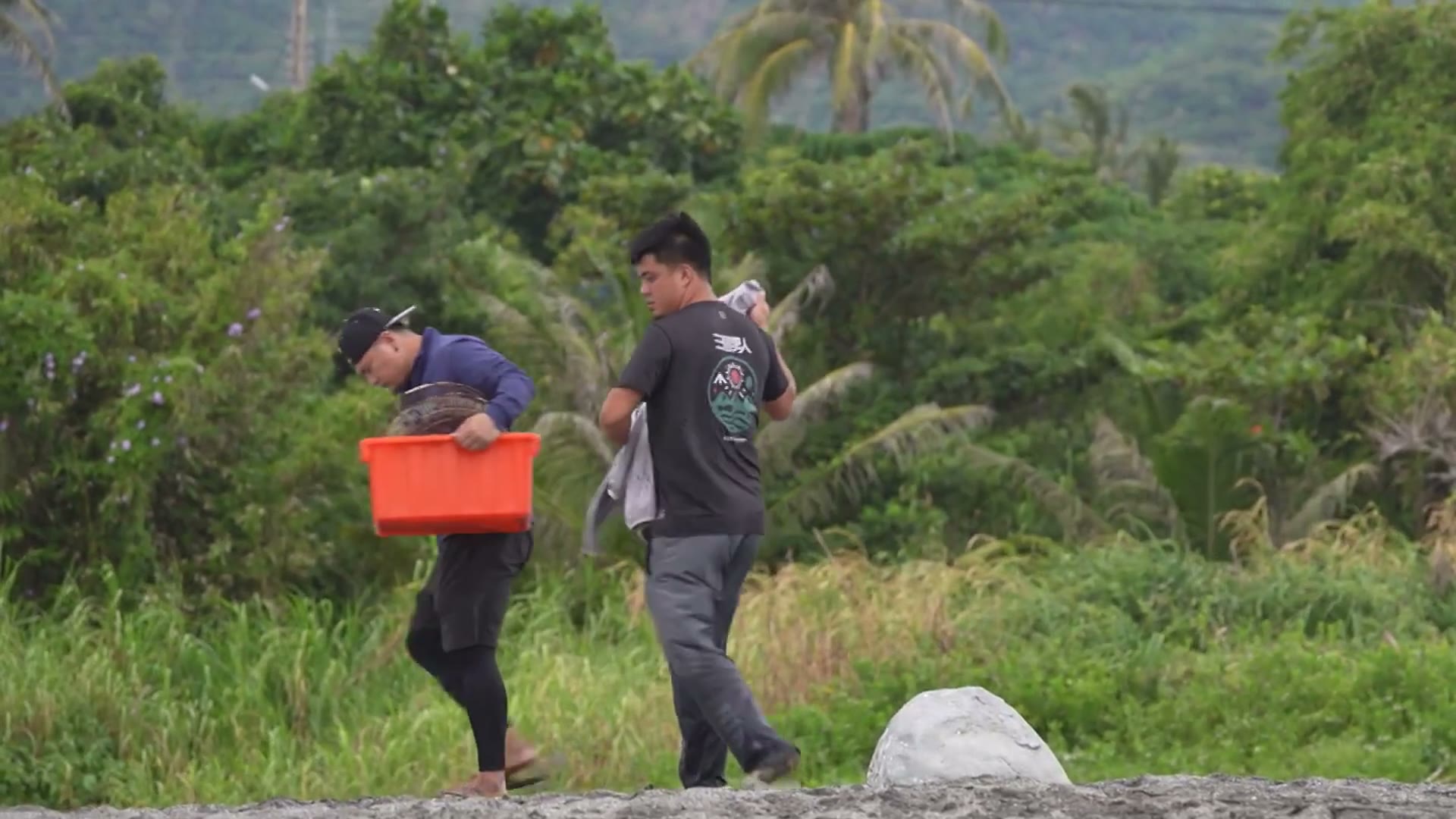
The closing view follows the group leaving the shore. The story belongs to the people willing to host and to a living space that deserves respect. The film does not speak on their behalf or treat the community as a performance permanently available to visitors. It invites viewers to learn through the story and then arrive with questions at an arranged visit.
The official 2024 East Coast living-programme page connects travel with participation in community life. A separate 2026 thatched-house repair programme in Changguang, organised by the East Coast National Scenic Area and implemented by Three Men, offers a concrete example of cooperation around a shared space. This film contains no repair footage and advertises no enrolment. Check current official notices and hosting arrangements before travelling.
Article, image and music sources
The film uses the official TITV programme publicly uploaded in November 2026 and verified official sources. The 2024 and 2026 activities described here are historical records, not current offers, registration or accommodation availability. Confirm participation and accessible spaces with the hosts.
Music: 跨海的一段路 · AI-generated instrumental.