
Dulan: Old Spaces, New Making
The old sugar factory opens onto spaces for making. Look closely at woodcarving and bark craft as distinct practices within Dulan.
90 seconds · English captions in the film; optional English and Traditional Chinese CC.
Film sources and complete bilingual captions
Frame from a Dulan travel programme published in 2017; an archival view, not a promise of today’s displays or opening arrangements.
00:00:00,350 --> 00:00:04,800
Dulan
Old spaces. New making.
都蘭
老空間裡,走進新的創作
00:00:05,200 --> 00:00:13,700
Once a place for making sugar.
這裡,曾經是製糖的地方。
00:00:14,200 --> 00:00:18,800
Art found room in the old warehouses.
藝術,在老倉庫裡找到空間。
00:00:19,200 --> 00:00:25,800
Light and space become part of the visit.
光線與空間,也成為走訪的一部分。
00:00:26,200 --> 00:00:30,800
Wood keeps its grain and natural edges.
木頭,保留自己的紋理與邊緣。
00:00:31,200 --> 00:00:36,300
Follow the shapes the material suggests.
循著材料的形狀,看創作者的選擇。
00:00:36,600 --> 00:00:39,100
Siki Sufin’s studio
希巨.蘇飛的工作室
00:00:39,400 --> 00:00:44,600
Heavy wood takes on a feeling of flight.
厚重的木頭,也有了飛行的姿態。
00:00:45,000 --> 00:00:49,500
Walk around the figures, then look closer.
繞著作品走,再靠近看細節。
00:00:52,100 --> 00:00:56,700
Elsewhere in Dulan, begin with the bark.
走到都蘭另一處工藝現場,從樹皮看起。
00:00:57,100 --> 00:01:01,900
Hands, a tool, and a steady rhythm.
雙手、工具,與穩定的節奏。
00:01:02,200 --> 00:01:05,700
The surface slowly changes.
材料的表面,慢慢改變。
00:01:06,100 --> 00:01:09,700
A new texture appears under the hands.
手的動作,讓另一種質地出現。
00:01:10,100 --> 00:01:14,200
Fibres become sheets of bark cloth.
纖維,成為一片片樹皮布。
00:01:14,600 --> 00:01:19,200
Then hats and bags for everyday life.
再成為日常可以使用的帽子與提袋。
00:01:19,600 --> 00:01:24,500
Materials carry local knowledge forward.
材料,接續地方的生活知識。
00:01:24,900 --> 00:01:27,800
Step into Dulan’s creative life.
走進都蘭,看創作如何繼續。
00:01:27,900 --> 00:01:29,900
Taiwan, Layer by Layer.
島嶼年輪
Community and contemporary art
Dulan: how a sugar warehouse became a place to speak
Follow Siki Sufin from construction work to carving, and from an empty warehouse to stories of people trying to return home.
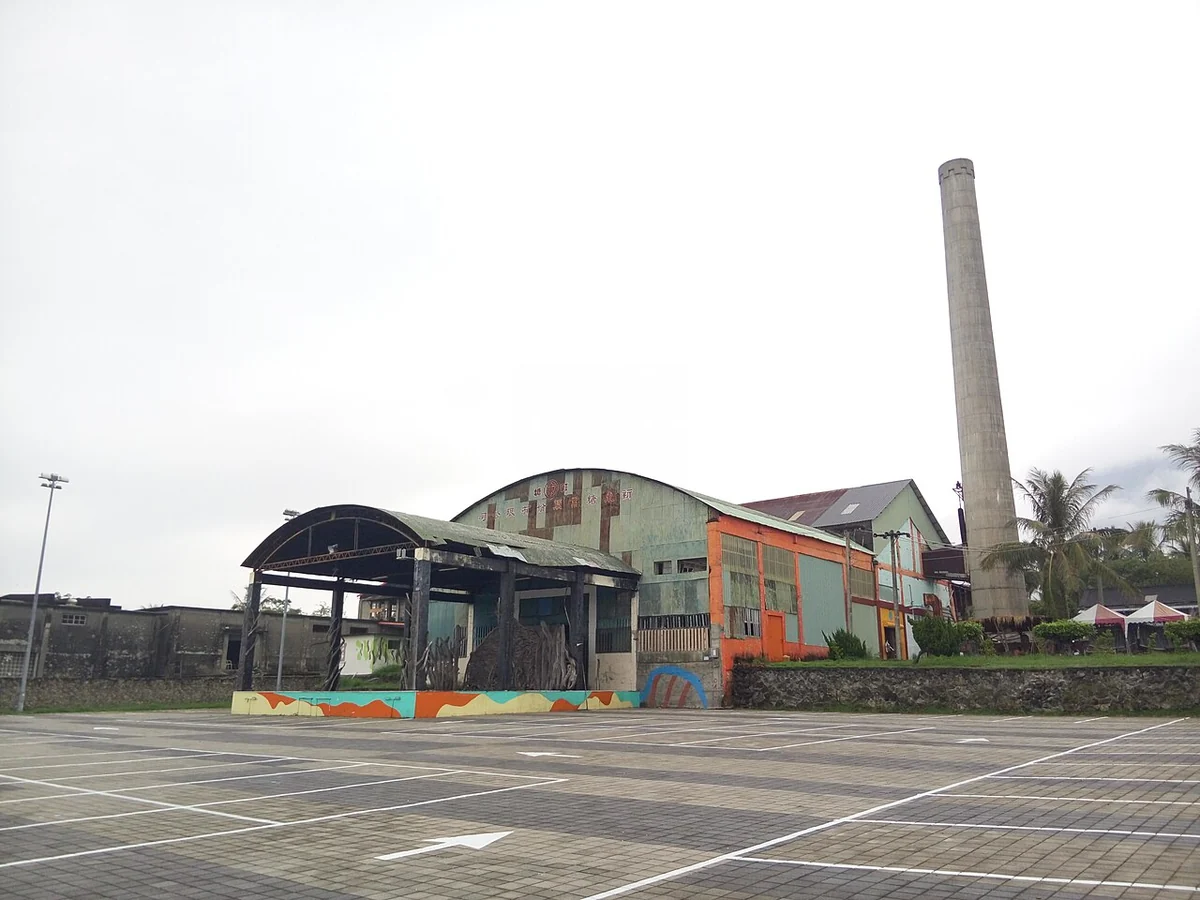
Begin at Xindong Sugar Factory Cultural Park in Dulan.
Look at materials, tool marks and the stories that give sculptures their form.
Before the artists, there was sugar
Xindong’s story begins with sugar production in 1933. Its factory, storage spaces, offices and housing once organised the movement of cane, workers and finished sugar. The Huang family took over in 1960 and the operation was renamed Xindong two years later. By 1991 production had stopped, as the changing economy drew labour away from farming. The buildings remained, but their daily purpose had fallen quiet.
In 2001, Siki Sufin and friends saw another possibility in the unused site. Artist Lee Chun-yang’s experience with Taichung’s Railway Warehouse 20 helped them recognise the potential of its large interiors. Siki negotiated with manager Huang Tsan-huang to rent Warehouse Three, then shared room with other makers. The first change was practical: a space made for storing goods could shelter large works and people working alongside one another.
The hand that built houses learned to carve
Before returning to Dulan, Siki worked with his father on construction sites in Taipei. Fellow workers were often relatives and neighbours from the same community; long projects carried their shared life into unfinished buildings. Returning home brought another question: how could a young man earn a living there while making room for the stories and language he had grown up with?
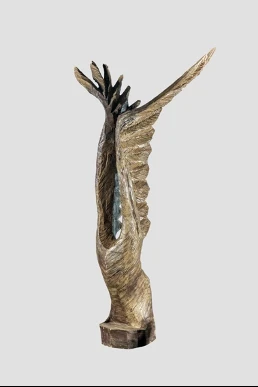
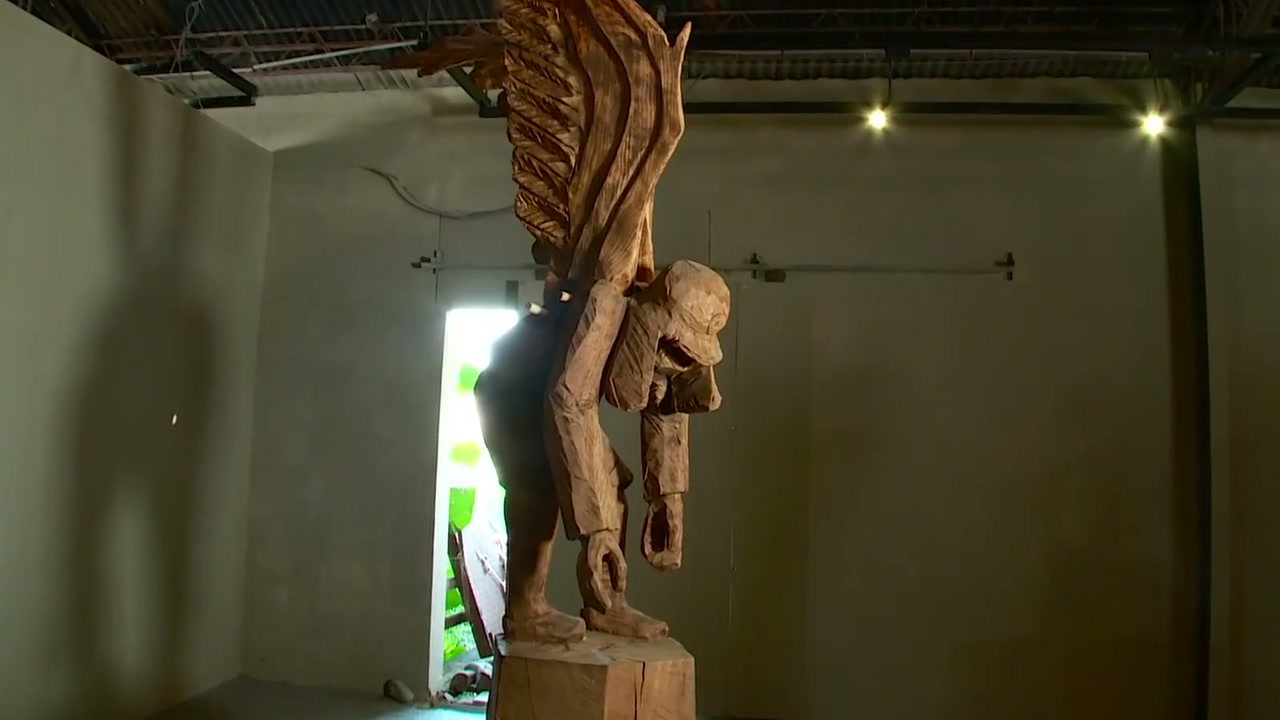
In 1995 he went to learn from Rahic Talif at Makotaay. Driftwood offered an accessible material whose existing shape could also redirect an idea. Dance, sea life and feathers entered his sculptures, while chainsaw marks remained visible across their surfaces. Look at how a heavy piece of wood carries a light, turning movement: the work connects a maker’s decisions with the physical qualities of what the sea has left behind.
One specific work gives the winged figure a measurable scale. Art Bank records Crossing, number 20160282, as a 2016 wooden sculpture measuring 90 by 27 by 30 centimetres. A person rides wings, poised to take off. It is a distinct object from the monument made in Papua New Guinea in 2013; the shared subject does not make their dates, locations or functions interchangeable.
Wings carry a wish to come home

Siki’s encounters with Indigenous veterans in the early 2000s opened another subject. Their accounts connected separate histories: service in Japan’s wartime forces and the displacement of Taiwanese soldiers caught in the Chinese Civil War. Through interviews, documentary work and theatre, family experiences became stories that younger relatives could hear. His Wings of Takasago series gave sculptural form to the longing to return to one’s community.
In 2013 he travelled with anthropologist Tsai Cheng-liang to Papua New Guinea and made a memorial there. The wings thus moved between a studio, an exhibition and a place marked by war. Returning to the Dulan factory, consider how a warehouse made room for this work: not only by providing shelter and tools, but by allowing conversations to continue. A visit becomes richer when a sculpture’s place and date are read alongside its shape.
Its collection account notes that Siki retains driftwood grain and does not concentrate on finely worked detail. The material's surface remains part of the figure's force. Alongside the history of displaced veterans, viewers can therefore ask how timber and posture carry a wish to return. The collection record is a way to study this work, not evidence that it is currently displayed at Dulan Sugar Factory.
Look closer
Notice the difference between former production buildings, active workspaces and shops.
Read the work’s title and date, then look for the material’s grain and tool marks.
Visiting information
- Starting point
- Xindong Sugar Factory Cultural Park, 61 Dulan Village, Donghe Township, Taitung; 089-531212.
- Opening and time
- Allow about 60–90 minutes during the day. Shops and workspaces keep their own hours; arrange a specific studio visit with the operator.
- Arrival
- From Taitung, take an ordinary East Coast bus stopping in Dulan and walk into the factory. Before using 8101A, check its current timetable for stops and reservation requirements.
- Return
- Keep the southbound return departure in your plan; a daytime visit gives more flexibility for onward travel than waiting for an evening performance.
Begin with the factory
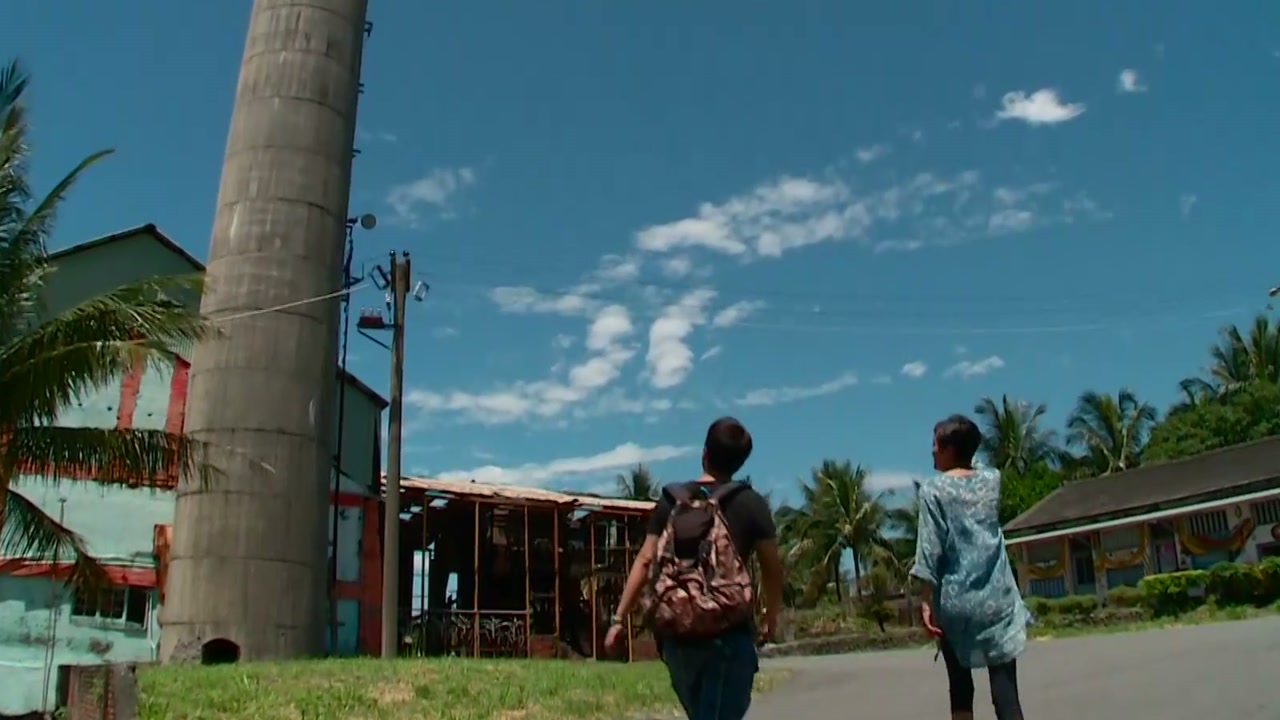
At Xindong Sugar Factory, the chimney, broad yard and industrial buildings establish the setting. Begin by noticing what these spaces once did. The visit gains another layer when a wall or a roof is read as part of a working place.
The East Coast administration describes the site as a setting for art and cultural activity. The film includes archival views of industrial structures. During a visit, follow the current public route rather than treating the old footage as access instructions.
Let the warehouse frame the work
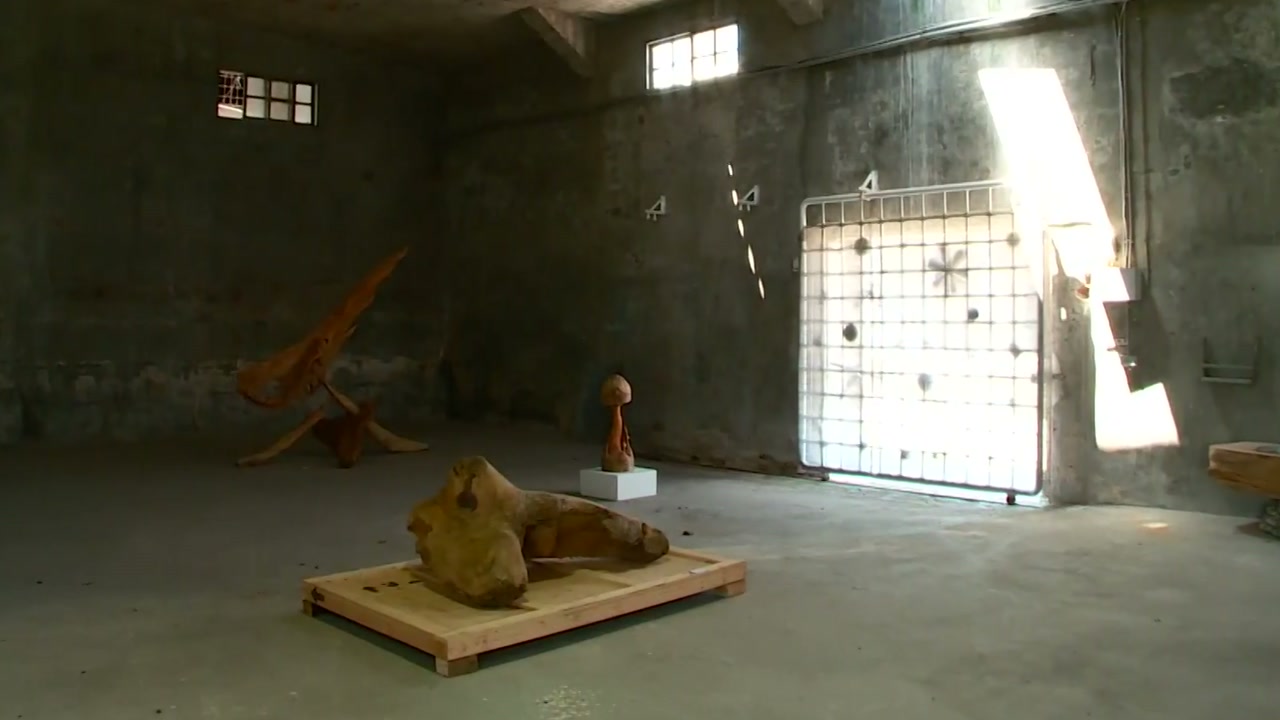
The film moves from the second warehouse entrance into a gallery. Window light, the gaps between pieces and room to walk around them shape the encounter. Step back to see how a work occupies the room, then move closer to its material.
The displays belong to an earlier visit. They are not a current exhibition list. Check directly with the space if a particular artist, work or event is the reason for your trip. The way of looking can remain useful even when the exhibition changes.
Read the choices in Siki Sufin’s wood sculpture
Materials, returning home and community stories offer ways into Siki Sufin’s work. Begin with the studio sign and the displayed woodcarvings, taking in the form before looking closely at the material and surface.
For a winged form, notice its overall stance, then the grain, edges and worked surface. Works and displays may change. Read the artist’s interview for more context and confirm arrangements with the studio before visiting.
A separate encounter with bark cloth
Another craft setting in Dulan starts with bark: its preparation, beating and changing fibres. Ask each maker about their methods and materials, giving different practices their own place within the community.
Hand movements and changes in the material introduce the craft. A few edited shots do not make a complete tutorial. For a hands-on session, confirm the actual programme and timing with its operator and follow the instructor when using tools.
Carry the encounter into a real visit
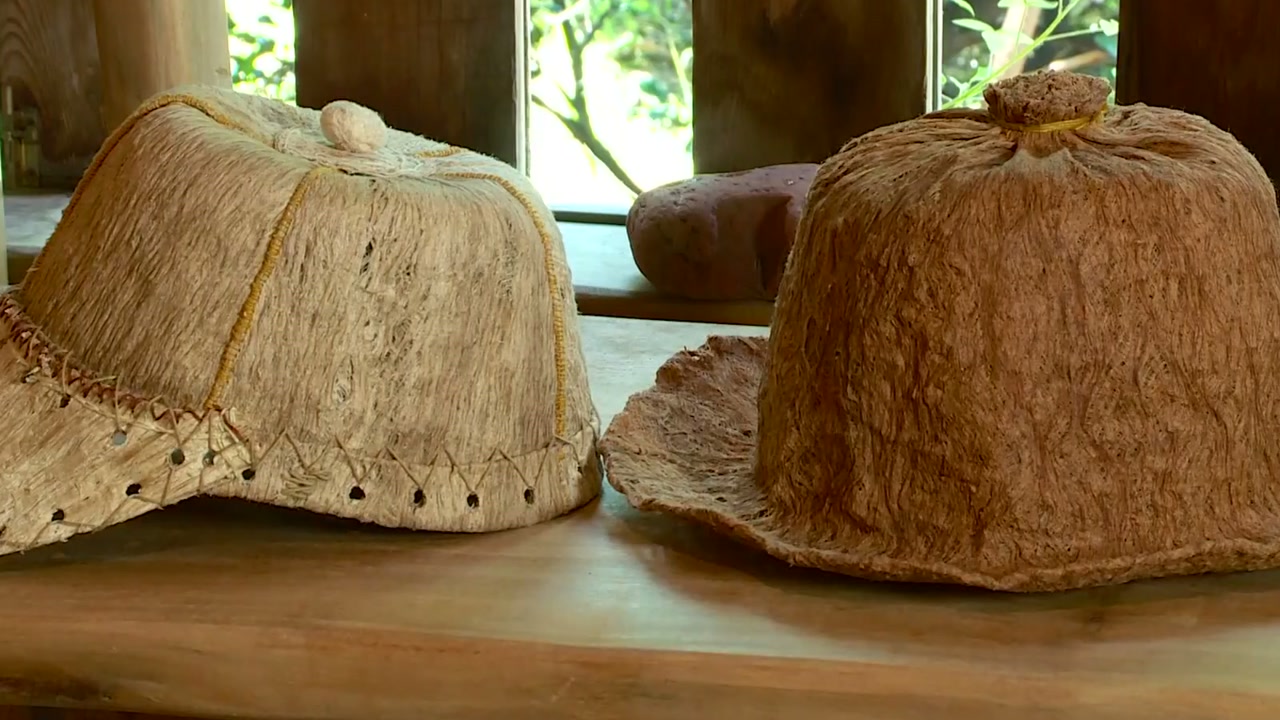
Hats, bags and garments bring the material back to everyday use. Ask how an object was made and who continues the practice before choosing an activity or a purchase. Different materials and makers deserve their own explanations.
Xindong Sugar Factory, at No. 61, Dulan Village, Donghe Township, is a starting point for a daytime visit. Allow around 60 to 90 minutes. Individual studios and shops set their own opening arrangements; contact a specific maker ahead of time. If travelling by bus, verify current stops and return services. Archival images guide attention, while current notices guide the day.
Article, image and music sources
Frame from a Dulan travel programme published in 2017; an archival view, not a promise of today’s displays or opening arrangements.
Music: 把時間留下 · AI-generated instrumental.