
Cultural place
A Chishang harvest on the judges’ table in Kisarazu
A prize in Japan brings attention to one farmer. Chishang’s fields and rice mill explain the shared work that continues after the harvest.
Follow the 2019 award back to farmer Hsieh Mei-kuo and Kaohsiung No. 147.
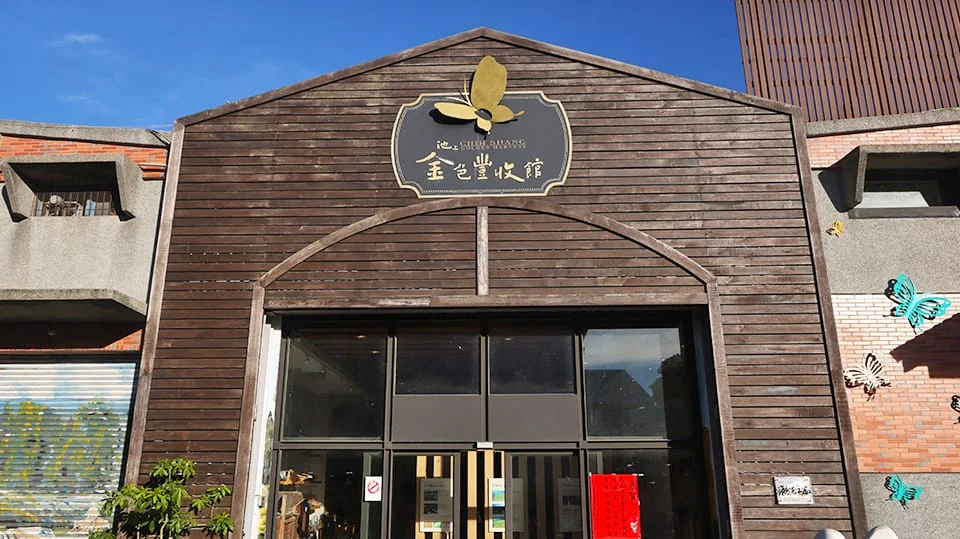
Golden Harvest Factory explains processing, farm food and reuse of a former weighbridge.
A named farmer and a named variety
In 2019, Chishang farmer Hsieh Mei-kuo’s Kaohsiung No. 147 rice won a gold award in the prefectural representatives’ category of an international rice-tasting competition in Kisarazu, Japan. The organizer’s list records both his name and the Chishang Farmers’ Association. Behind the place-name on a bag of rice was a particular grower, variety and season’s work.
A contemporary public-television report brings the story back to his field near Chulai Bridge. Hsieh described the soil and irrigation water that supported his crop; he had already won local and national organic-rice competitions that year. He also spoke of passing on his farming experience. Behind a prize-winning bowl were years of work that could be taught to another generation.
The field does not finish the story
After harvest, grain still needs drying, storage, husking and polishing. The Chishang Farmers’ Association’s mill uses large dryers, low-temperature storage silos and milling equipment. These stages make the factory an important counterpart to the open fields: keeping rice in good condition involves buildings, machinery and the people operating them as well as soil and water.
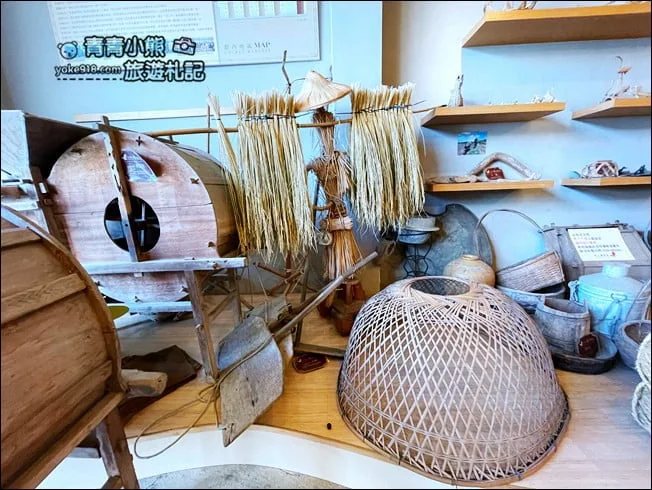
In 2011 the association opened Golden Harvest Factory at its Xinxing Village mill. Agricultural implements, processing interpretation and booked food activities bring visitors into the story of rice after cultivation. A visitor’s account of manually removing husks makes the distinction concrete: the familiar white grain is the result of several operations, not the form in which rice leaves the field.
A weighing station becomes a café
An earlier building in the compound once housed an office and a weighbridge. Reused as Little White House Café, it retains the weighing equipment beneath a glass floor. A place that measured incoming loads now receives visitors for drinks; the old industrial function remains visible beneath a new daily use.
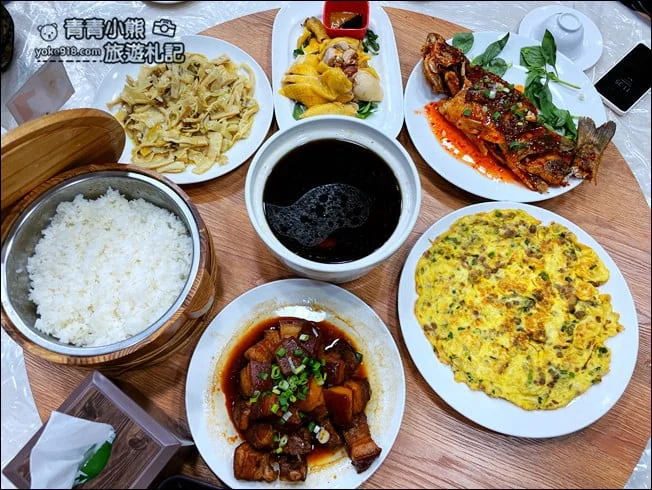
Rice also returns to the public through the association’s farm-food restaurant and shop. Alongside packaged rice are rice crackers, noodles and other processed foods. The visit can therefore move from a named crop to the machinery that handles it, and finally to the meals and products that carry it beyond Chishang. The prize is one episode in this longer chain of work.
Husk and bran are different layers
The husk and bran are different layers. Agriculture Ministry teaching material defines brown rice as the grain after husking, still retaining a rough, relatively water-resistant bran layer. Husked rice has therefore not necessarily become white rice. Some varieties are red, black or brown after husking; colour alone identifies neither a growing region nor the award-winning Kaohsiung No. 147 described earlier. Follow a grain through the processing interpretation: is this stage removing the outer husk or treating the grain’s surface further? Where samples are available, match the names to the material. That question explains more than a list of dryers, cold-storage silos and milling machines: it follows the harvest towards different food ingredients.
Look closer
Identify one processing stage between a grain of paddy and white rice.
Look for the retained weighbridge beneath the café floor.
Visiting information
- Address
- Golden Harvest Factory, 85-6 Xinxing Village, neighbourhood 7, Chishang Township, Taitung.
- Opening and booking
- General entry is free; plan a visit between 09:00 and 17:00. Confirm any earlier arrival, guided activities and meals with the association’s leisure department, 089-865936, before booking.
- Arrival and return
- Arrive at TRA Chishang and take a taxi to the Xinxing Village factory, not the association’s Zhongshan Road headquarters. Agree on a return pickup to Chishang Station. Allow 1.5–2 hours, longer for a booked workshop or meal.