
Cultural story
Three communities make a day to return
At Zhongping, a joint Bunun ceremony brings together children, elders and people working away. The gathering carries hunting knowledge, everyday language and songs remembered from mountain labour.
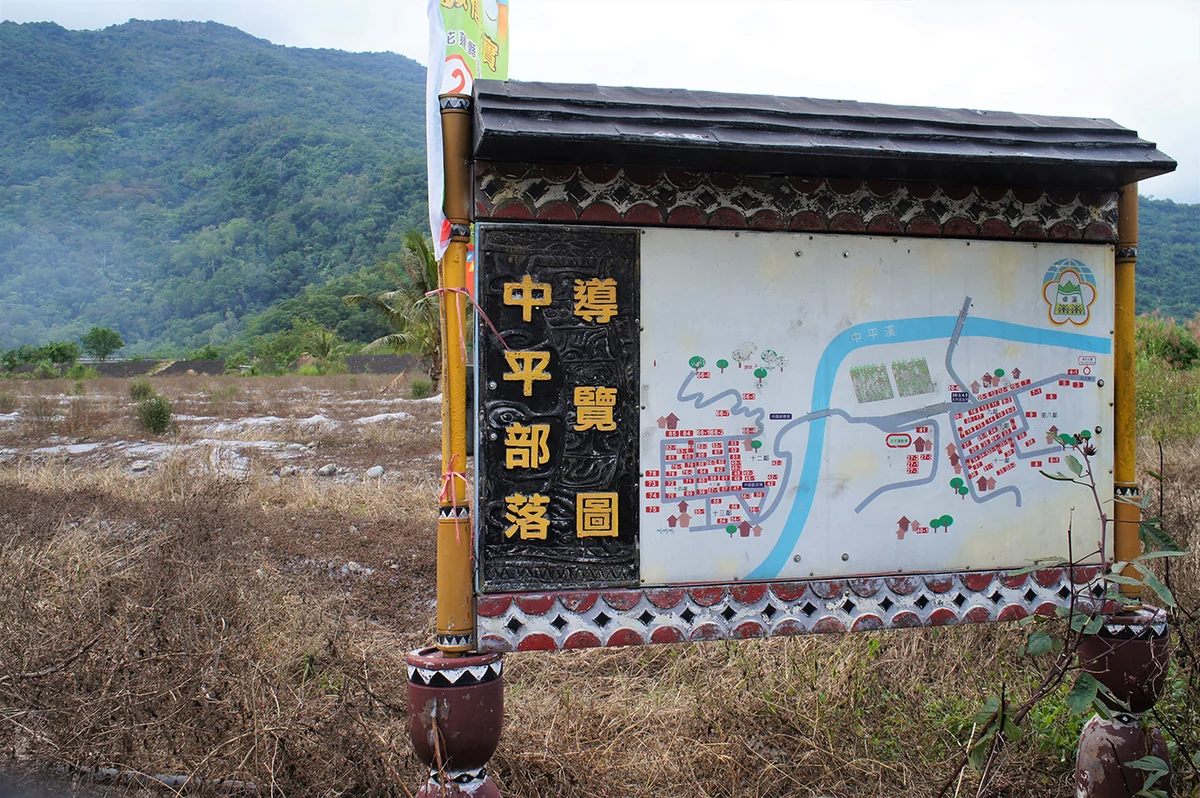
Taiping, Zhongping and Zhongxing gathered together in April 2024.
Children used Bunun with elders, while women sang memories of forestry work.
A returning writer’s account reveals how belonging is learned through participation.
A gathering responds to people living apart
On 19 April 2024, people from Taiping, Zhongping and Zhongxing met at Zhongping’s community hall in Zhuoxi. Organiser 妲力禡‧拿亥蘇嵐 explained why they had joined forces: many residents worked elsewhere, leaving fewer people available in each settlement. Combining the occasion gave relatives and neighbours a place to return to together.
Children spoke Bunun with older residents that day. Taiping Elementary principal Yu Chen-yu encouraged them to bring familiar words into school, home and community life. Women from the three settlements also sang forestry love songs. Tien Hsiu-chin connected those songs with people working in the mountains and missing family; the gathering held a history of wage labour alongside inherited ritual.
Returning does not mean already knowing
Writer Salizan recalls visiting his mother’s Zhongzheng community in April 2004. He had attended a Bunun association’s gathering in Taipei as a student, but being asked to record the ceremony at home with a DV camera placed him in a different position. Looking through the camera, he began asking questions about the objects and sequence he was seeing.
His experience separates identity from the assumption that a person must know every inherited practice. He could sing hunting songs without having lived as a hunter. The return created an opportunity to listen, record and learn from people with different experience. In Zhongping’s later gathering, children’s conversations with elders made a similar space for knowledge to move between generations.
The Taiping school also connects ritual learning to living plants. For teaching materials presented in October 2024, Bunun growers Wu Yu-lan and Kuntif Falainan undertook millet restoration, while principal Yu Chen-yu reviewed the content. The Hualien forestry branch and its partner had worked with Zhuoxi communities since 2023. Naming these jobs shows how cultivation and cultural judgement meet before a lesson reaches pupils.
A museum keeps another kind of gathering place
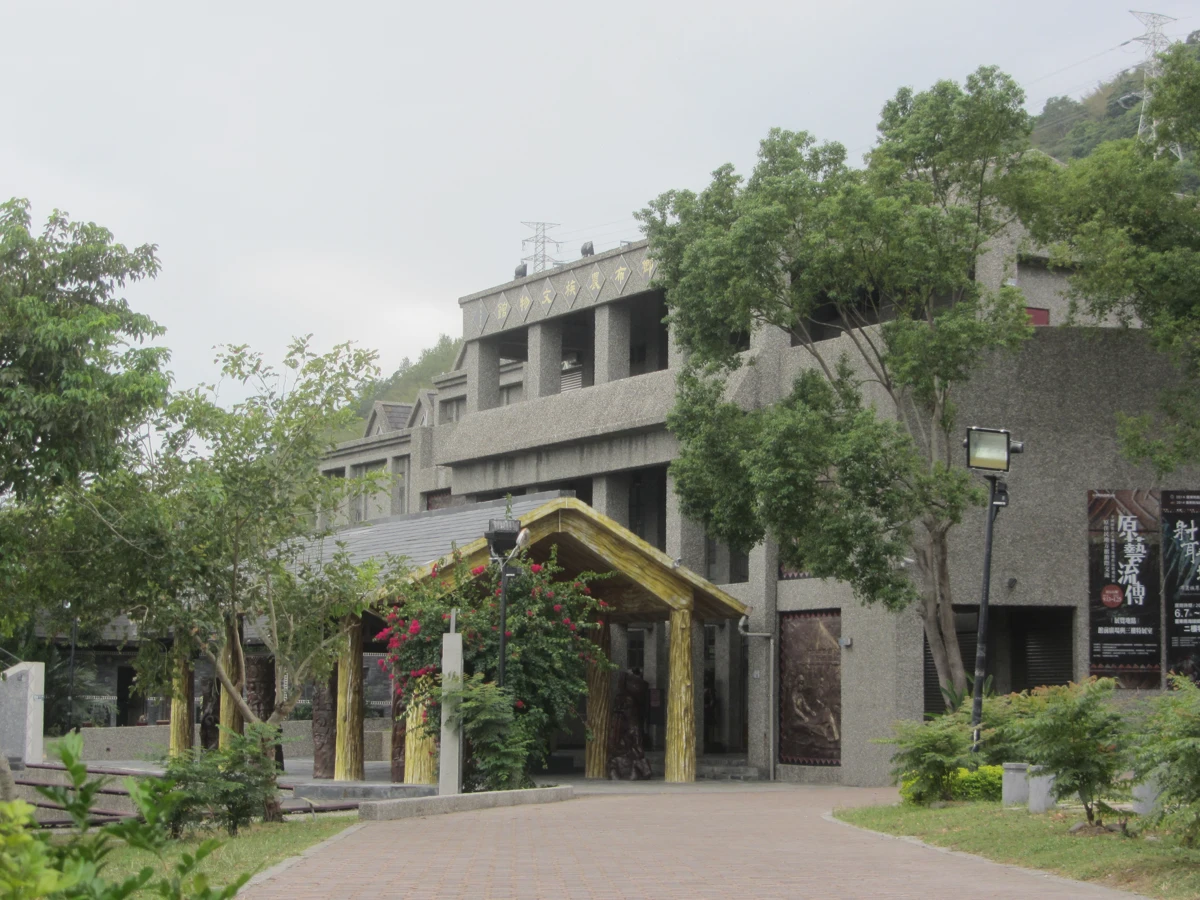
At Haiduan’s Bunun Cultural Museum, objects and exhibitions connect ceremonial life with settlement history. In 2023, Haiduan Township also invited families to contribute old photographs tracing twenty years of the national Bunun ear-shooting ceremony and traditional-skills competition. Family albums can preserve the people and journeys that a ceremonial object alone cannot show.
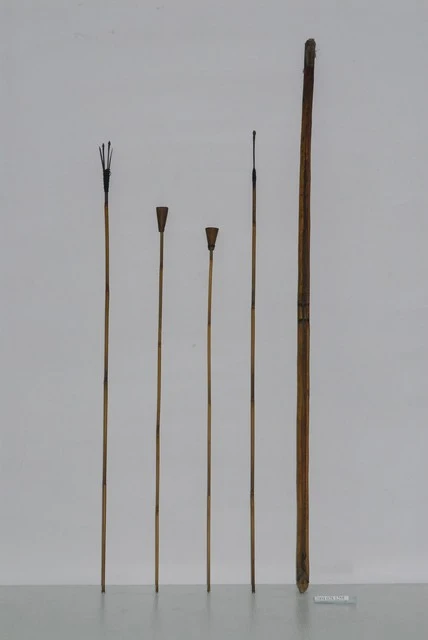
A visit can move between the form of a tool and the circumstances in which it was used. A bow belongs to training and hunting; a photograph may record travel, teamwork or a particular gathering. Keeping those different uses in view allows Bunun life to extend beyond a single festival day and into the work people continue through the year.
The materials invite children to compare ear shape and colour, feel hairy, clustered or loose textures, and notice cooked millet's taste and smell. Hearing birds at a future harvest was an intended extension, not a completed result reported there. Such close observation helps explain why a ritual calendar includes clearing, sowing, weeding and harvesting: these are different kinds of work with a crop that keeps changing.
Look closer
In the account of Zhongping’s 2024 gathering, distinguish the life experiences carried by different songs.
In those accounts, notice who taught, recorded and helped younger participants.
Visiting information
- Public museum
- Haiduan Bunun Cultural Museum, No. 56, Neighborhood 2, Shanping, Haiduan Village, Haiduan Township, Taitung County.
- Hours and admission
- Tuesday–Sunday 09:00–16:30; closed Mondays. Free admission.
- Contact
- Call 089-931638 for exhibition and group-visit information.
- Travel and return
- Arrange a taxi from Guanshan railway station to the museum, including the return pickup.